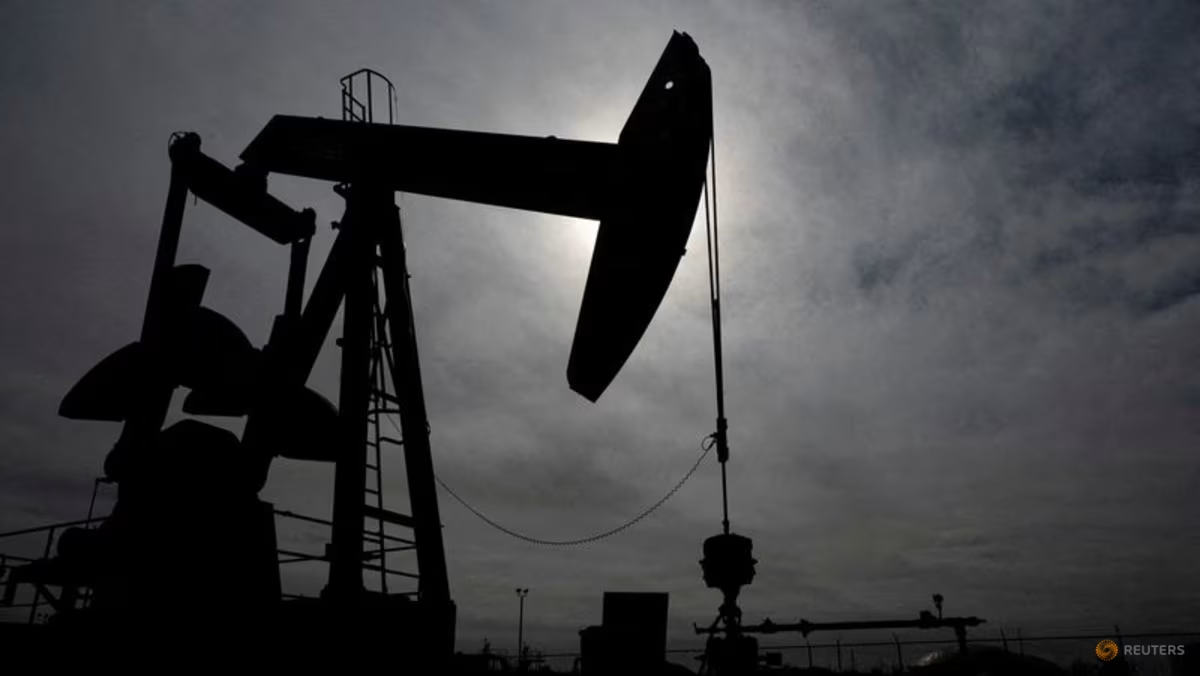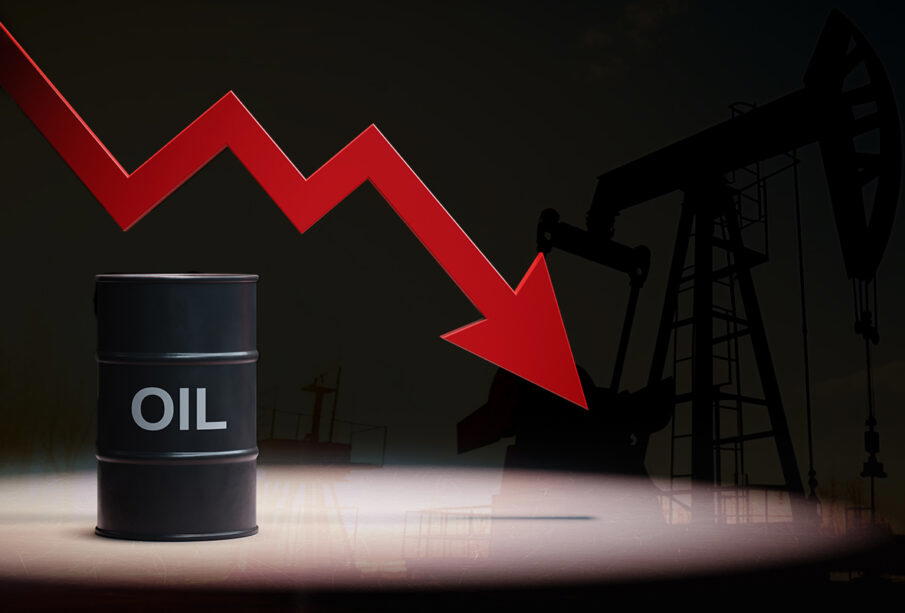
Brent crude dropped to roughly $82.73 per barrel while WTI slid to around $80.21, marking the lowest levels for both benchmarks since early March 2026. The catalyst: a US-Iran framework agreement that, if it holds, could uncork one of the most significant supply disruptions the oil market has seen in years.
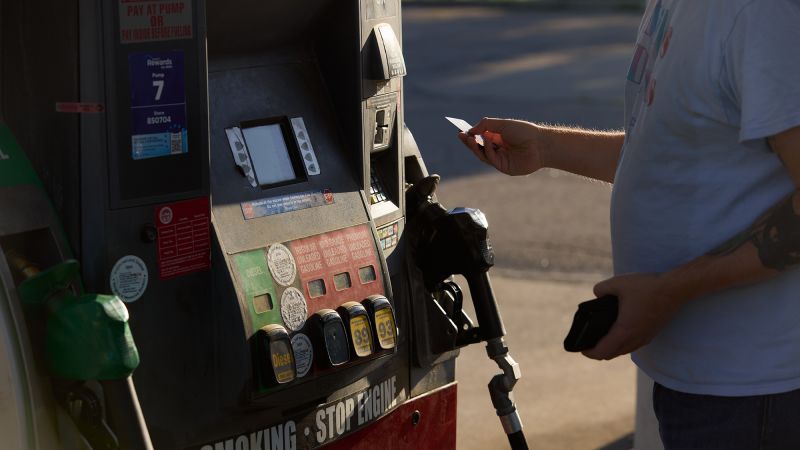
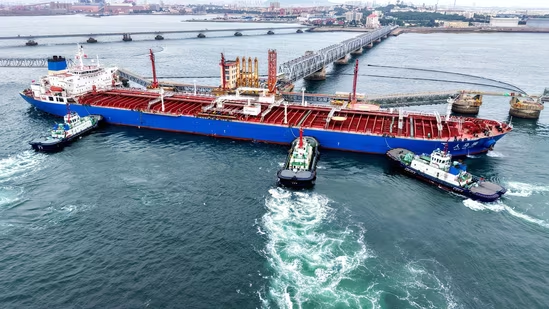
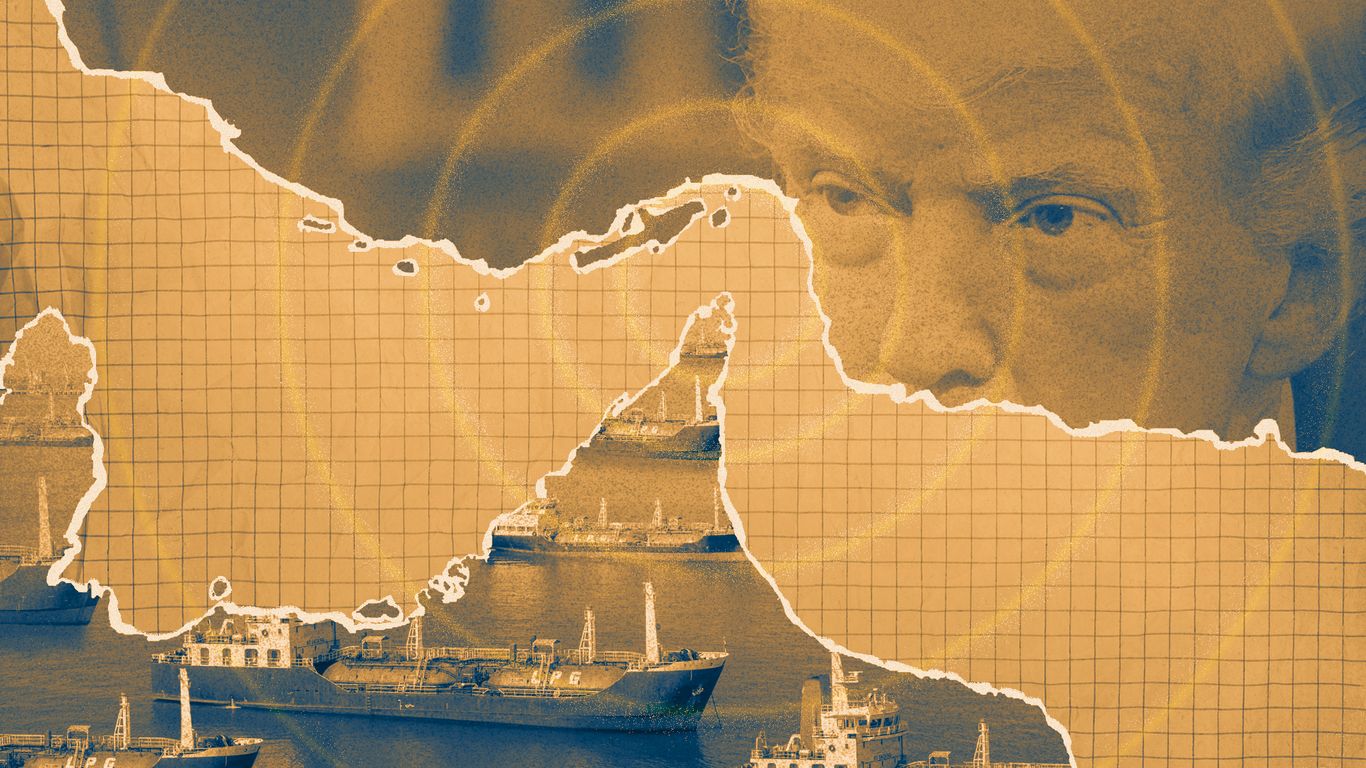
The framework agreement between Washington and Tehran covers three major pillars: a cessation of hostilities, the lifting of the US naval blockade on Iranian ports, and the reopening of the Strait of Hormuz. The Strait of Hormuz handles approximately 20% of global oil trade. When it’s disrupted, everything from gas prices to shipping insurance to inflation expectations gets repriced.
Before the conflict escalated in early 2026, Brent crude averaged around $73 per barrel. At the peak of hostilities, prices soared past $119 and touched as high as $126. The current price around $82-$83 represents a massive retreat from those wartime highs, though still well above pre-conflict levels.
During temporary peace negotiations earlier in the conflict, Bitcoin climbed above $72,000. When hostilities escalated, it pulled back. The Iranian regime has increasingly turned to digital assets to circumvent US financial restrictions, with US authorities estimating Iranian crypto holdings aimed at sanctions circumvention at approximately $7.7 billion.