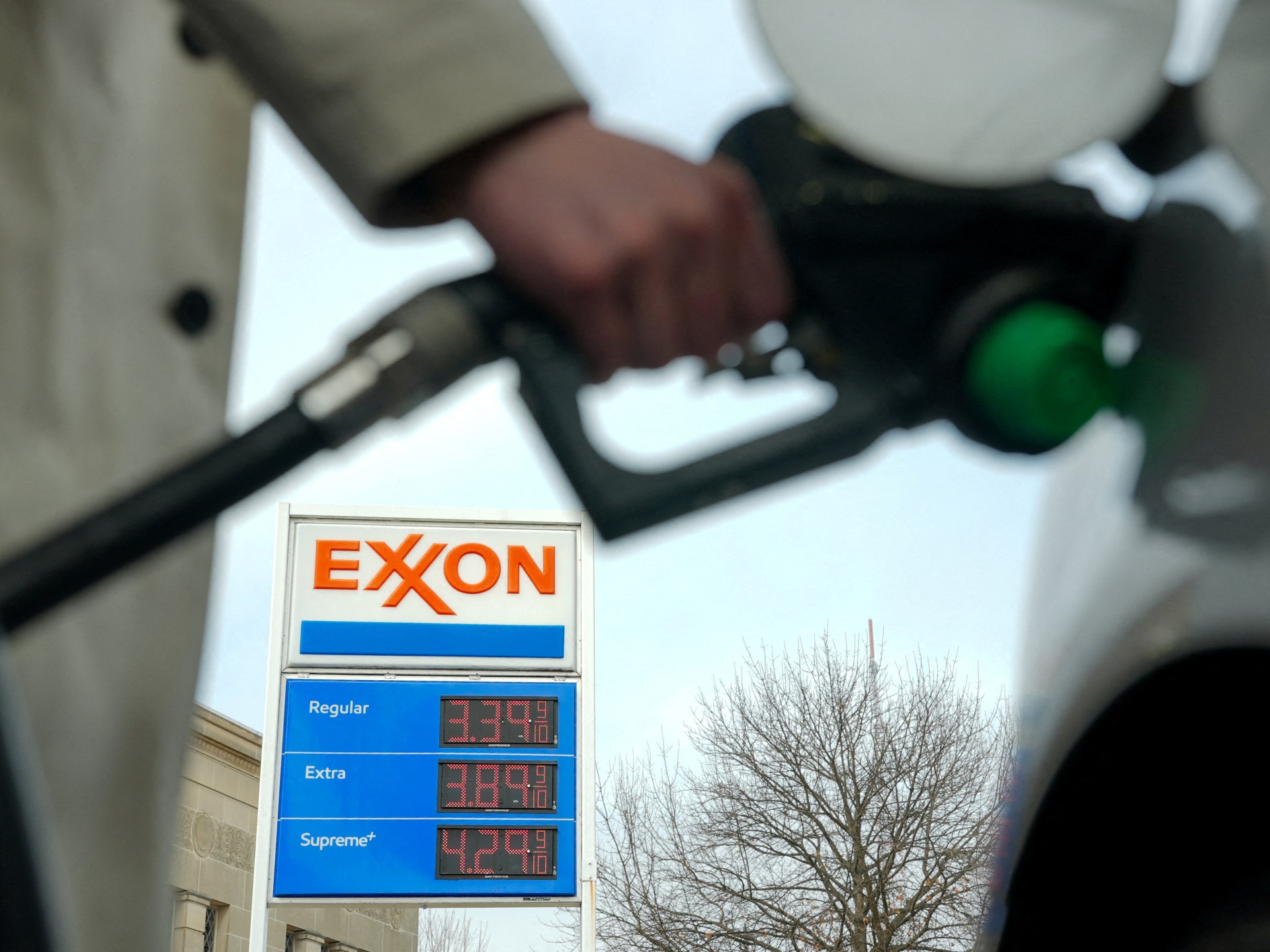
Oil has cleared $100 a barrel and could be on its way to $150.
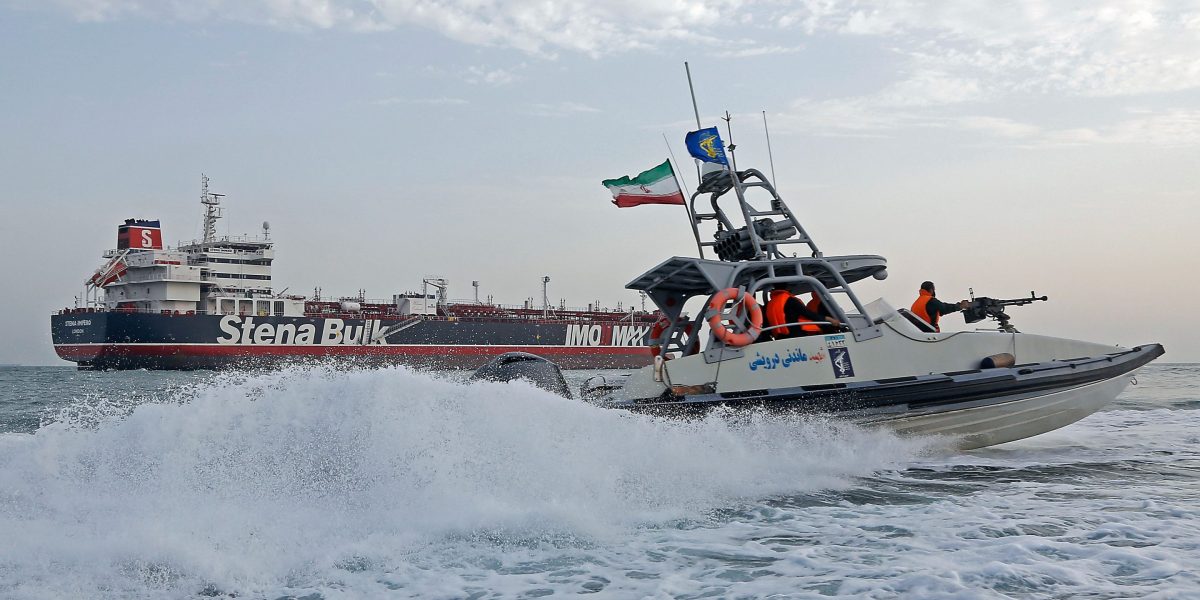
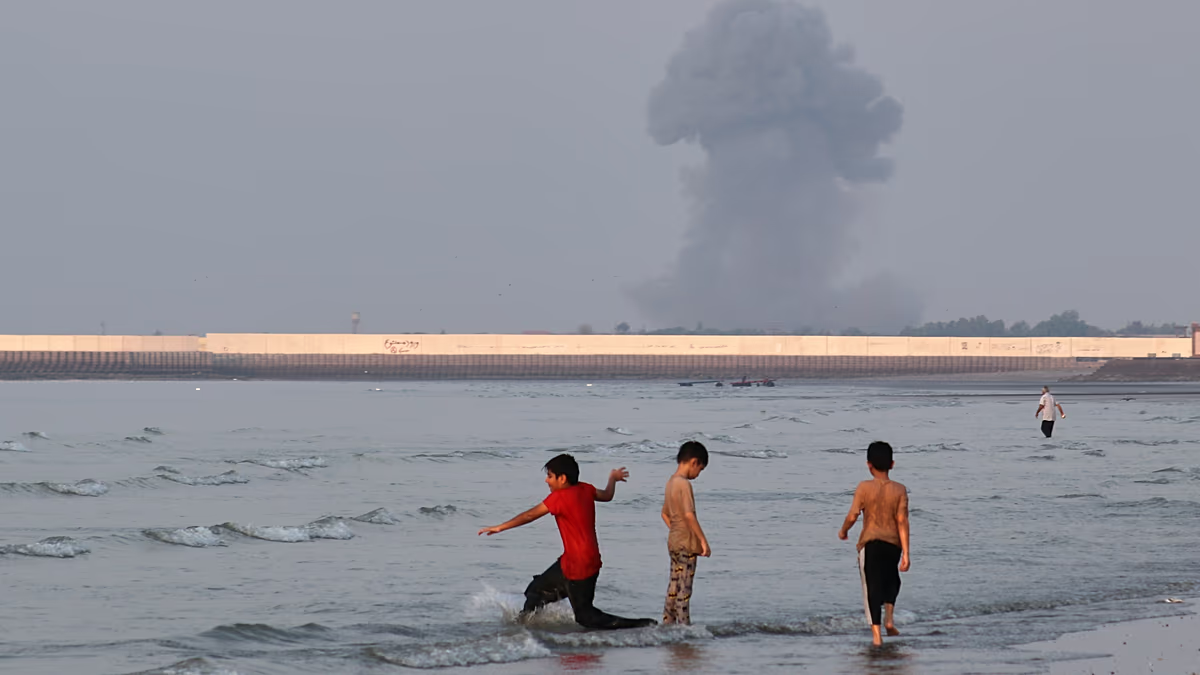
The Strait of Hormuz — a narrow waterway through which roughly a fifth of the world’s oil supply passes — has effectively closed to tanker traffic amid the escalating U.S.-Israeli strikes on Iran. Once again, the global economy is discovering the same uncomfortable truth: Modern energy security depends on supply chains that can break overnight.
The pattern is all too familiar. A geopolitical shock hits the global oil supply chain, and prices surge. It happened in the 1970s, in 1990, in 2003. It’s happening now.
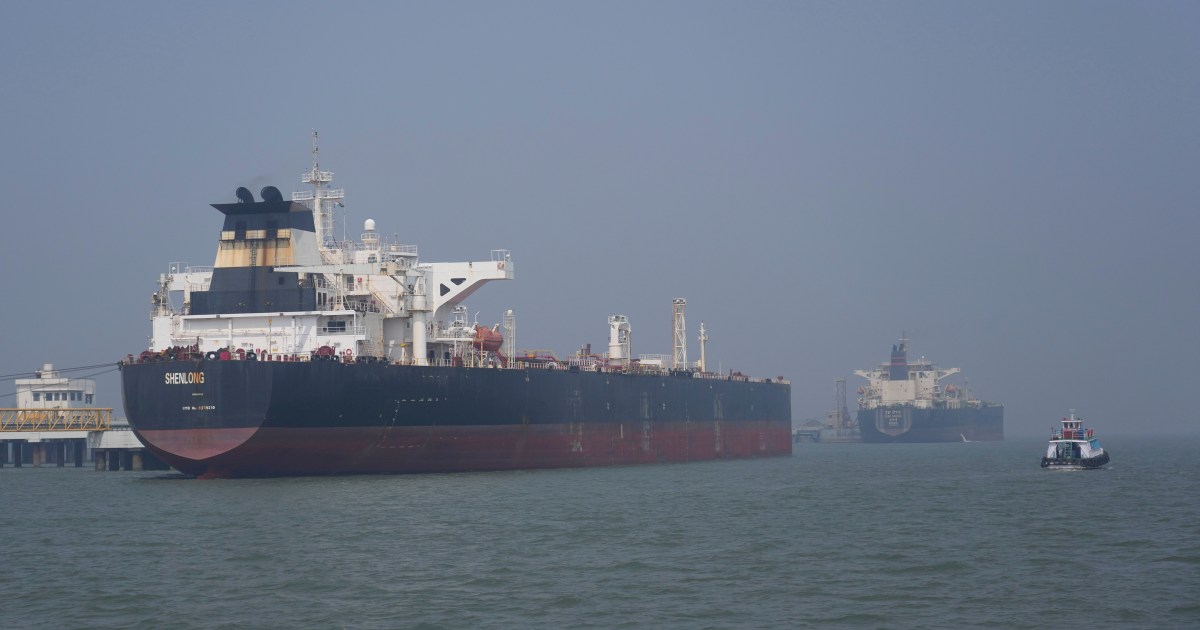
The modern energy system was built around a simple assumption: Fuel is produced in a few places and consumed everywhere else. Oil is extracted in one region, refined in another, and shipped thousands of miles through pipelines, canals, and maritime chokepoints before reaching the end user.
When that chain works, it is remarkably efficient. When it breaks, the effects ripple globally almost overnight. Japan imports roughly 90 percent of its oil from the Middle East. Bangladesh has called for fuel rationing. South Korea has capped gasoline prices for the first time since the Asian financial crisis.