A
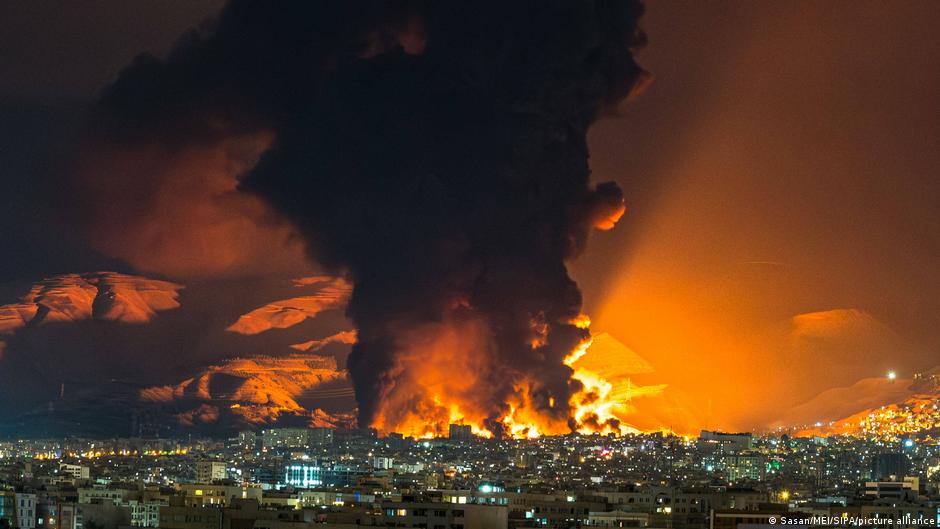
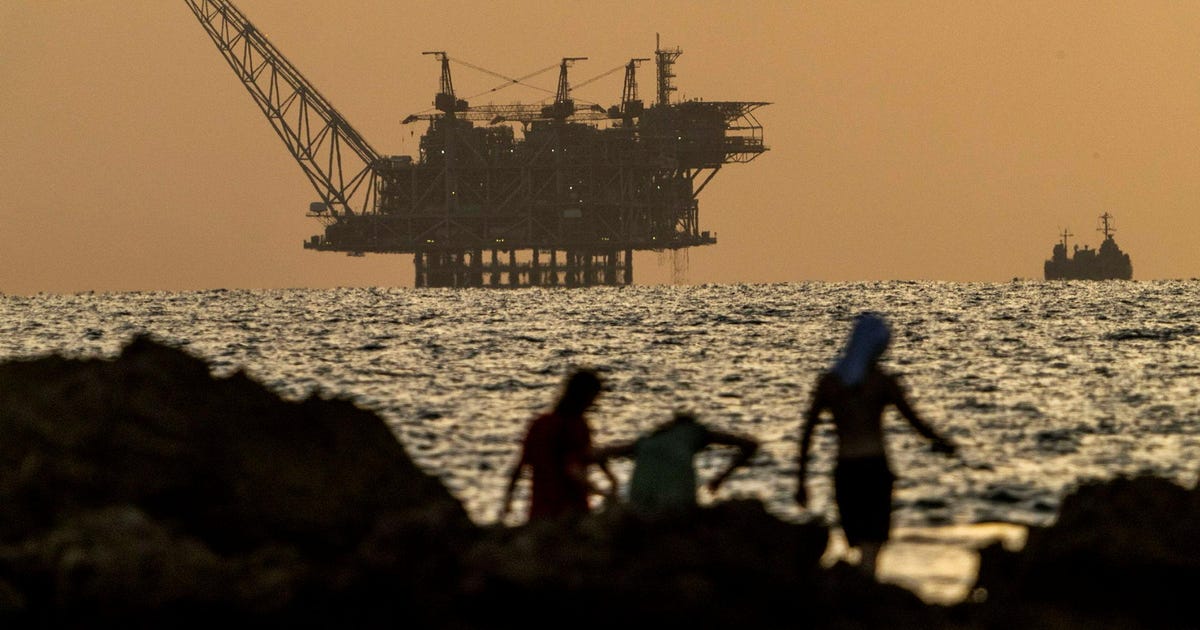
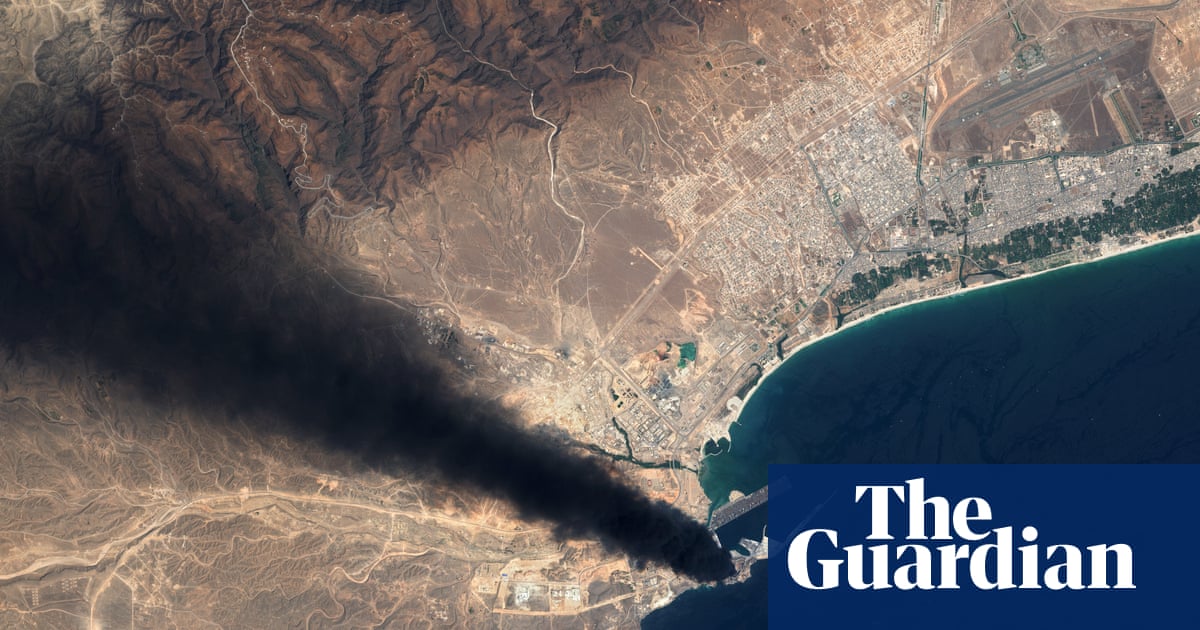
s the US-Israeli war against Iran enters its third week, hopes for a short, contained crisis without major consequences for the global energy market have faded. Tehran's response to Israeli airstrikes, which on Thursday, March 19, targeted the world's largest liquefied natural gas production site in Qatar, marked a new stage in the ongoing escalation.
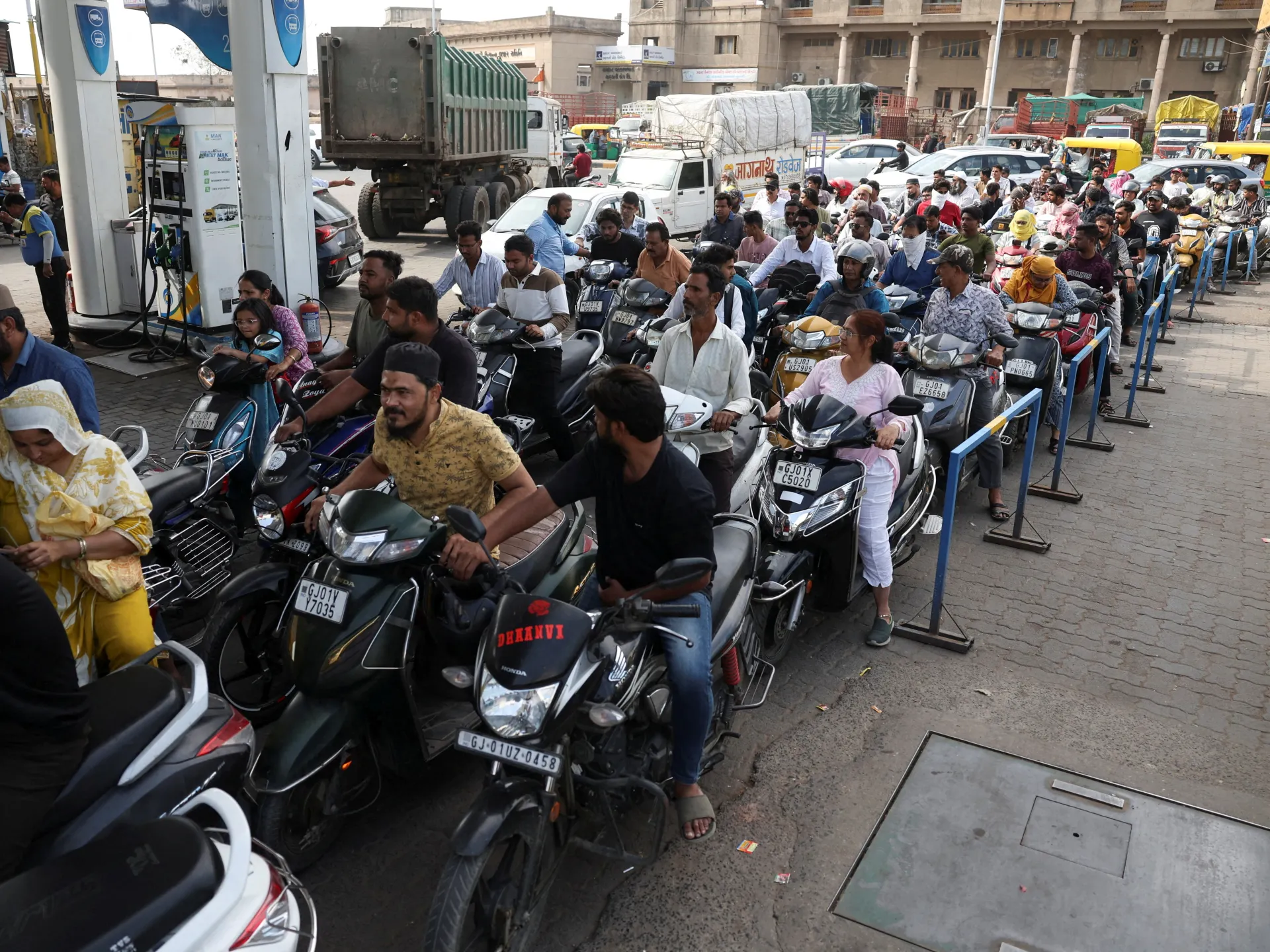
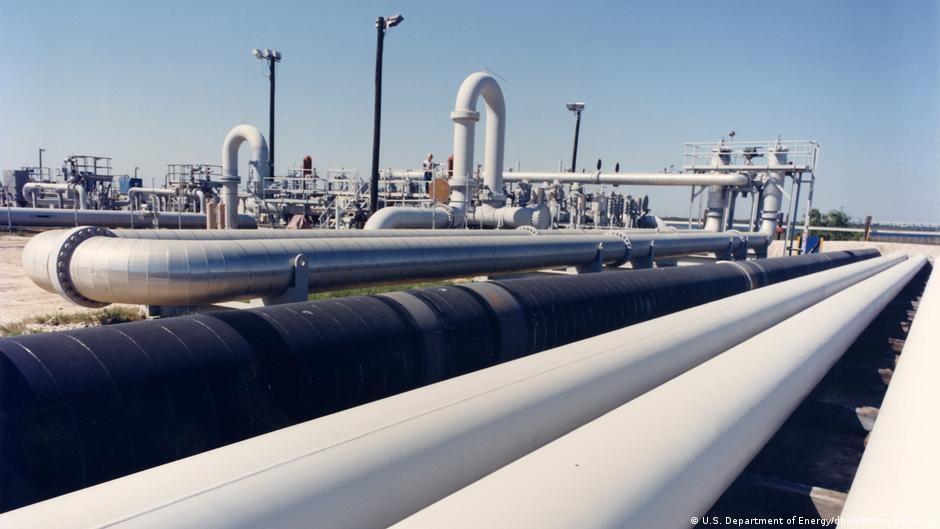
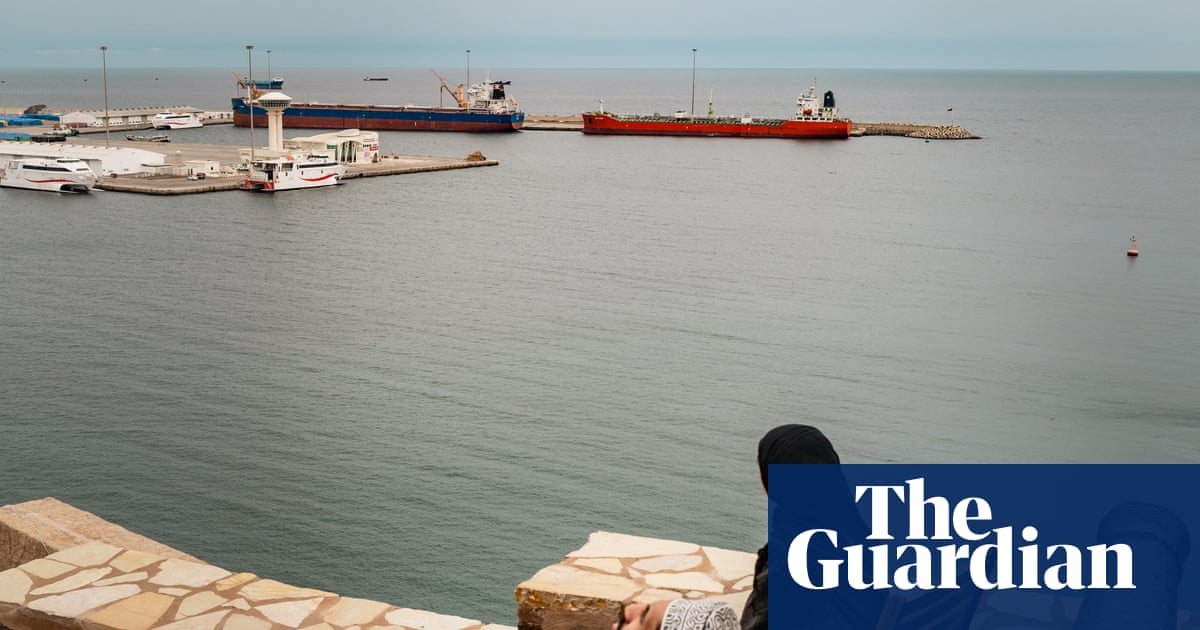
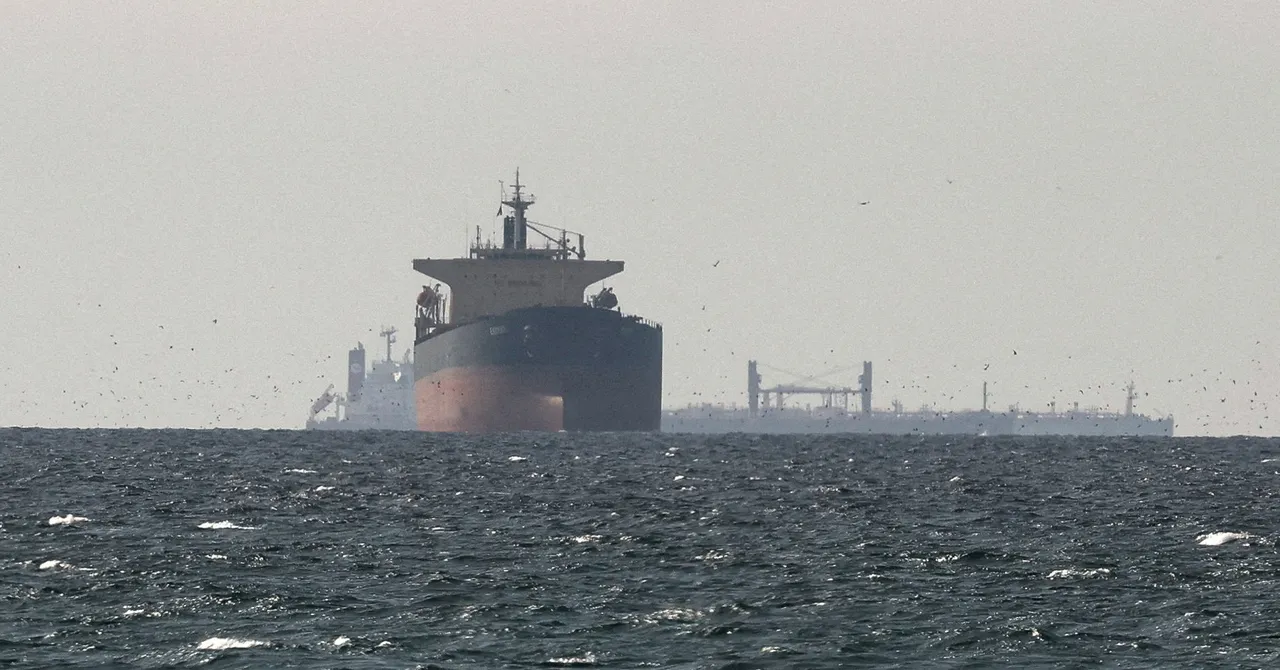
Beyond the blockade of the Strait of Hormuz described by Fatih Birol, executive director of the International Energy Agency, as the "greatest global energy security threat in history," there has been a growing number of attacks on production facilities and strategic transport infrastructure. Repairs will take time, sometimes years. Oil and gas prices are likely to remain high for a prolonged period. Far longer than initial forecasts had suggested.
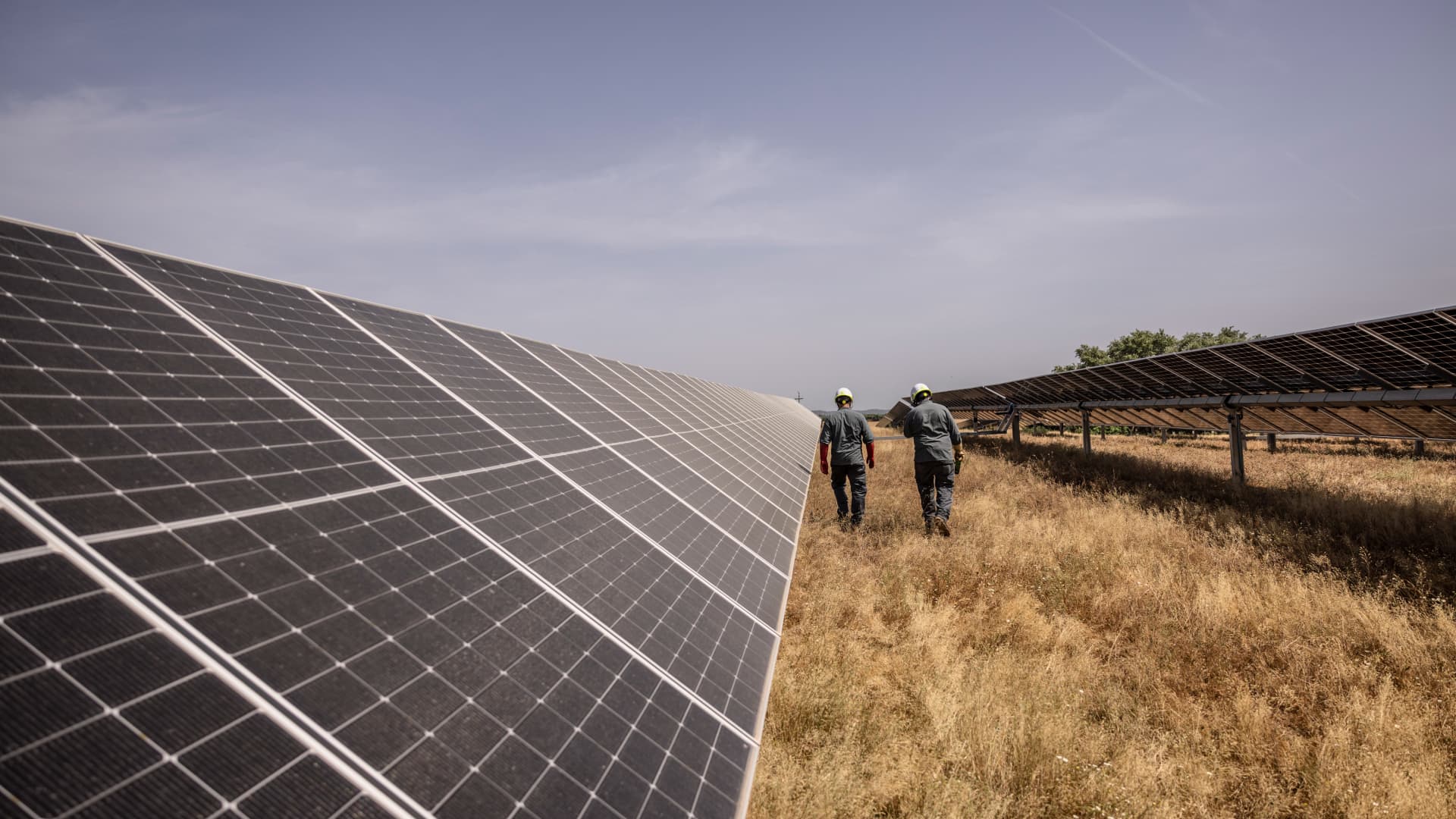
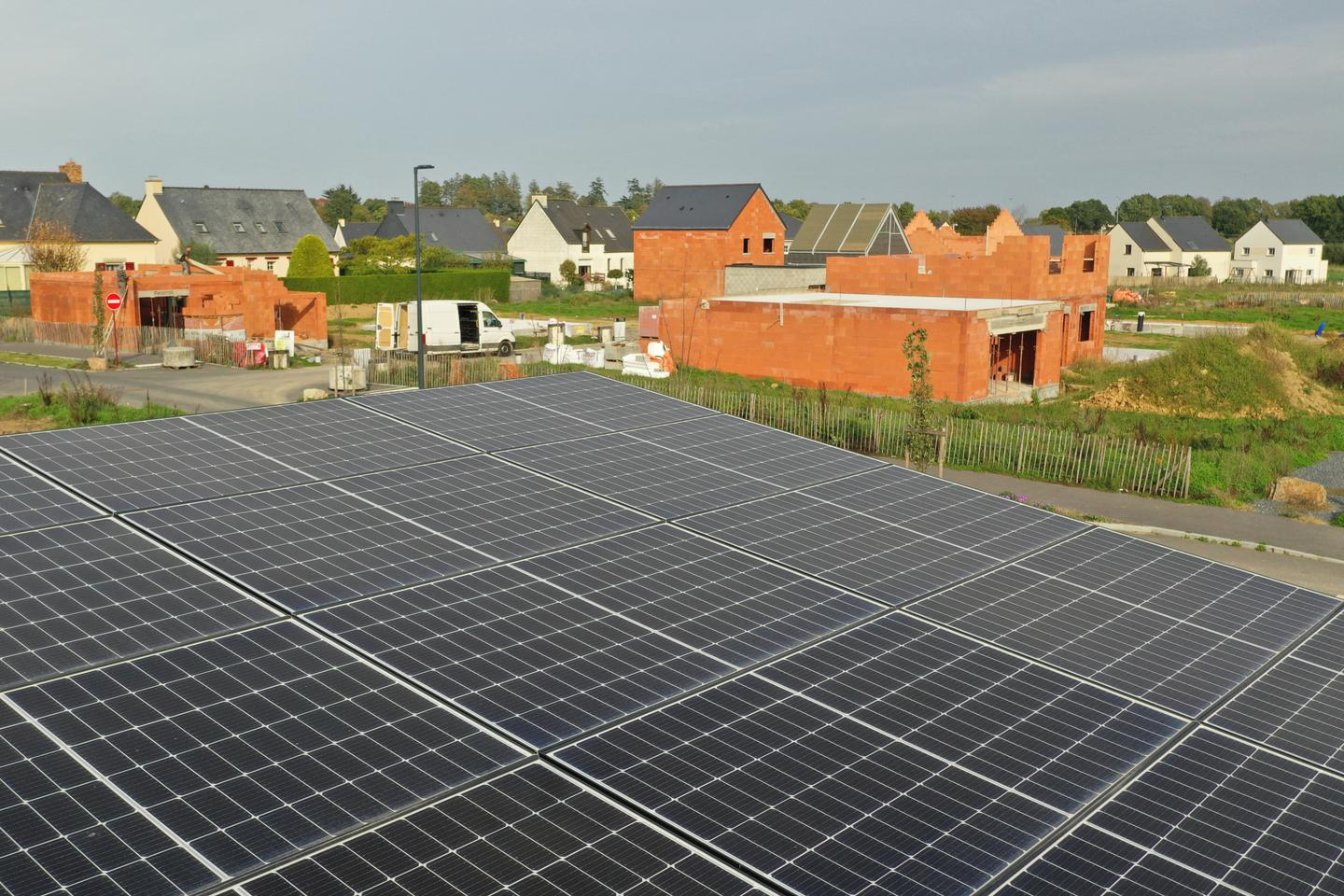
This shock, however, is not a repeat of the crisis triggered by the invasion of Ukraine and the forced withdrawal from Russian gas. For now, there is no immediate risk of shortage. And unlike in 2022, France has a largely decarbonized electricity generation fleet, nuclear and renewable, that is functioning.
Long-term choices