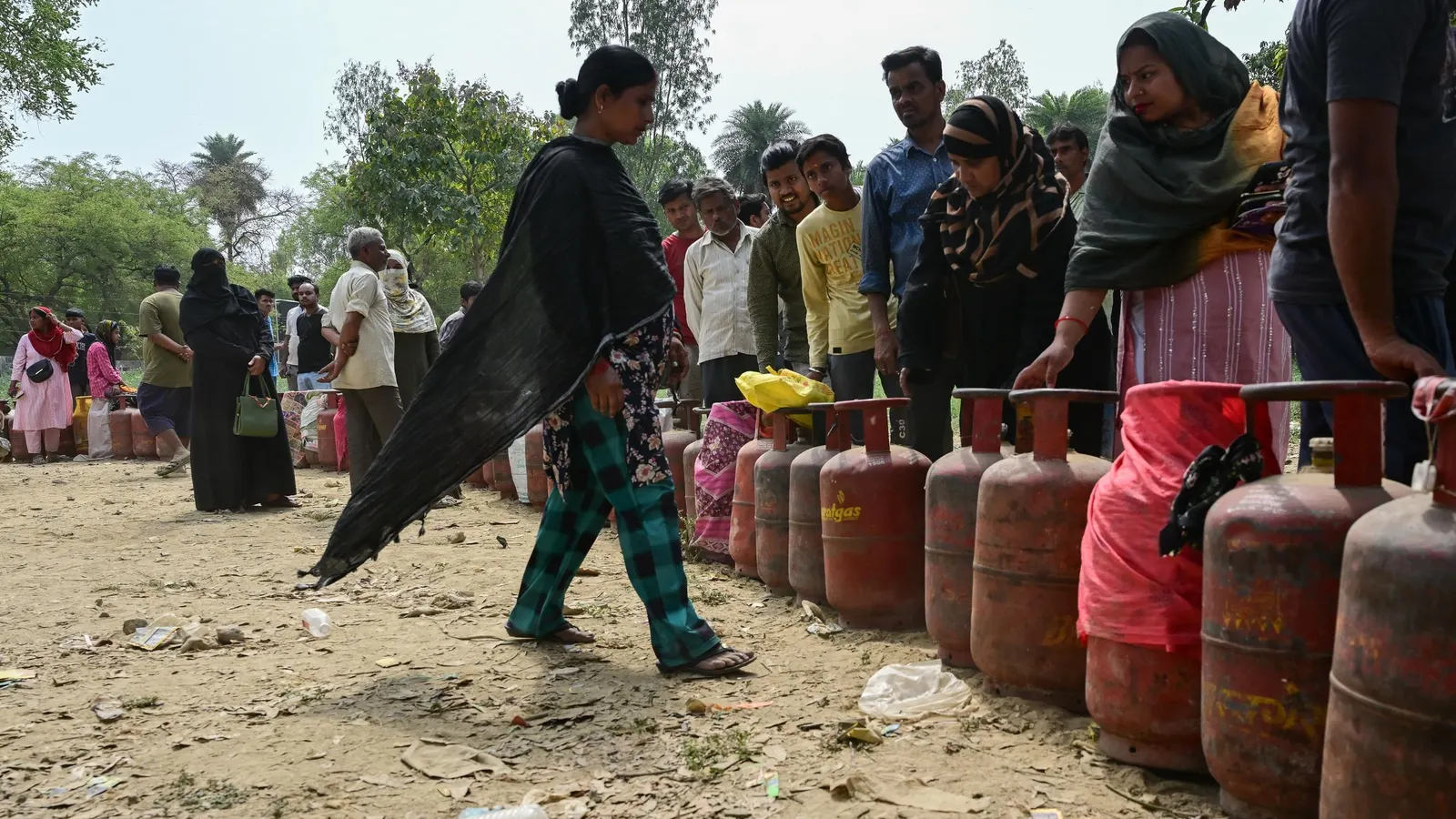
From fuel caps to four-day work weeks, the Middle East conflict has left the world’s top crude oil importing region desperate to shore up supplies
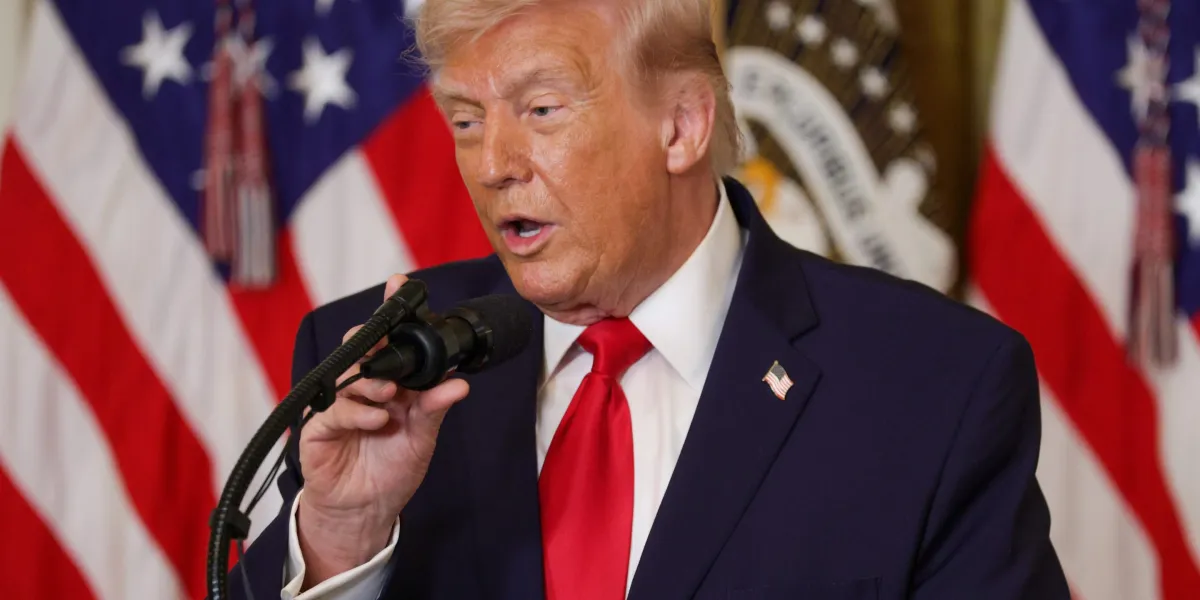
Donald Trump has scrambled in recent days to reassure the world that the economic impact of his war on Iran can be contained.
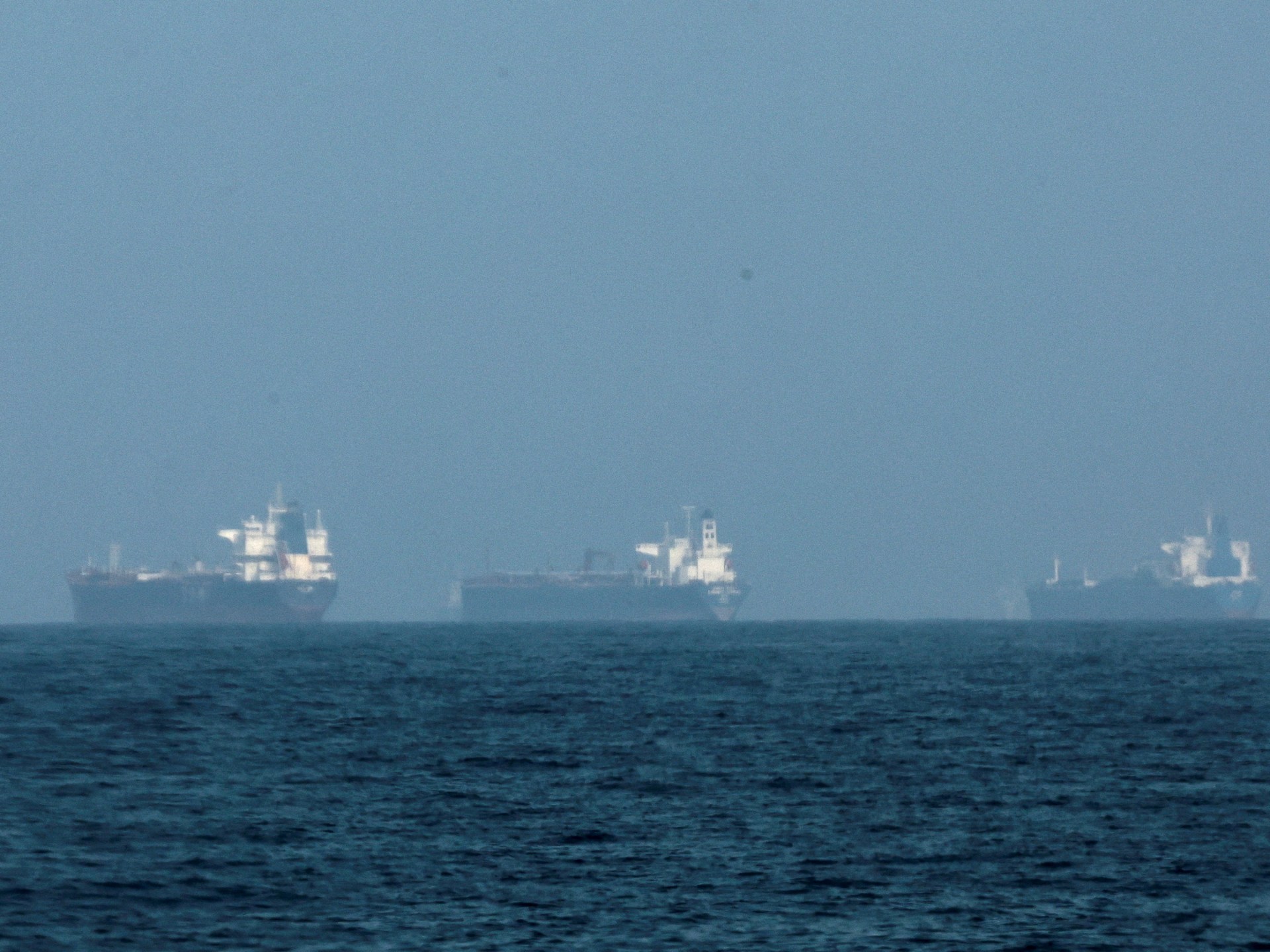
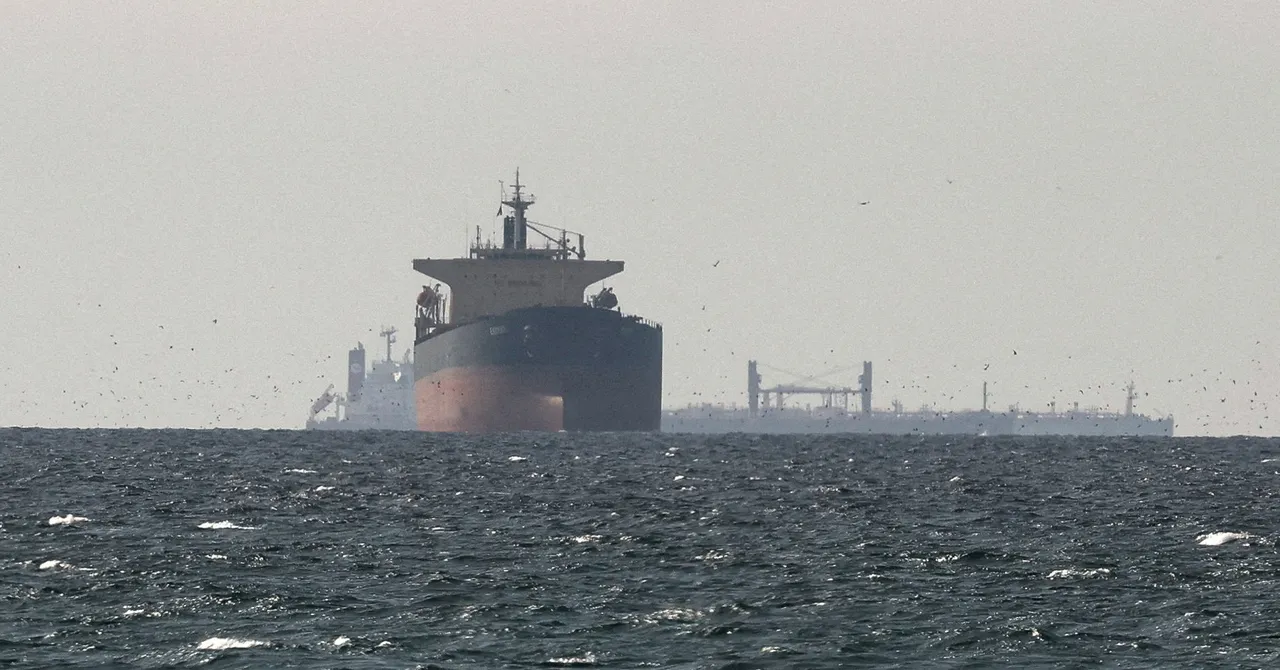
Sure, one of the most important waterways in global trade has, in effect, been shut for almost two weeks – but it might reopen before long. In the meantime, US oil-related sanctions on “some countries” will be lifted. And besides, the entire conflict could be over soon.
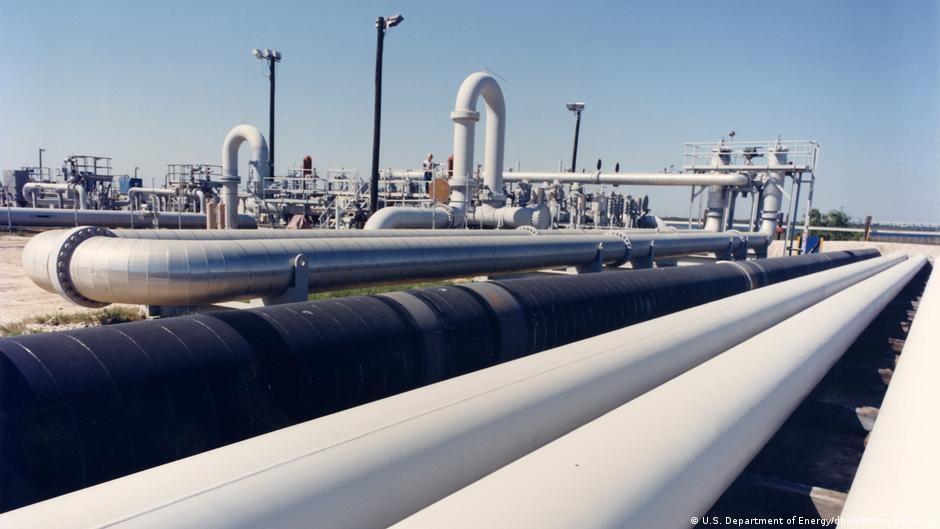
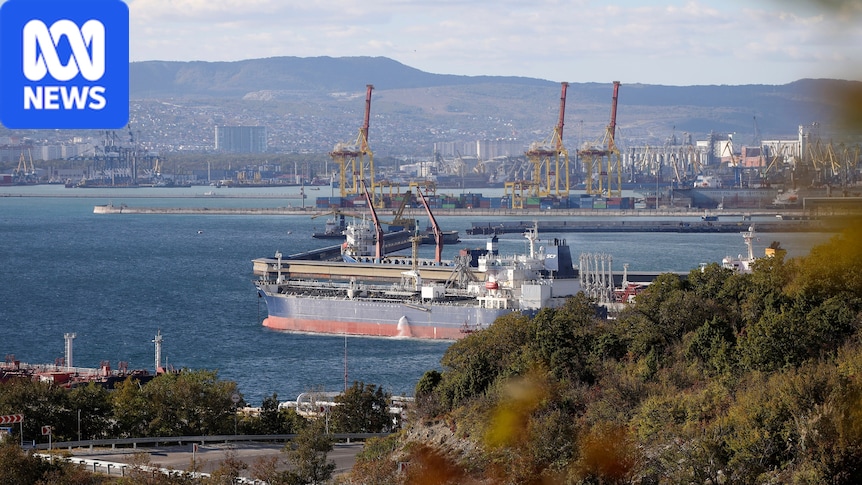
Such vague claims, and the release of hundreds of millions of barrels of emergency crude from government reserves, soothed markets, at least for a while. Oil prices, which surged to four-year highs on Monday, fell back below $100 per barrel, before rising again.
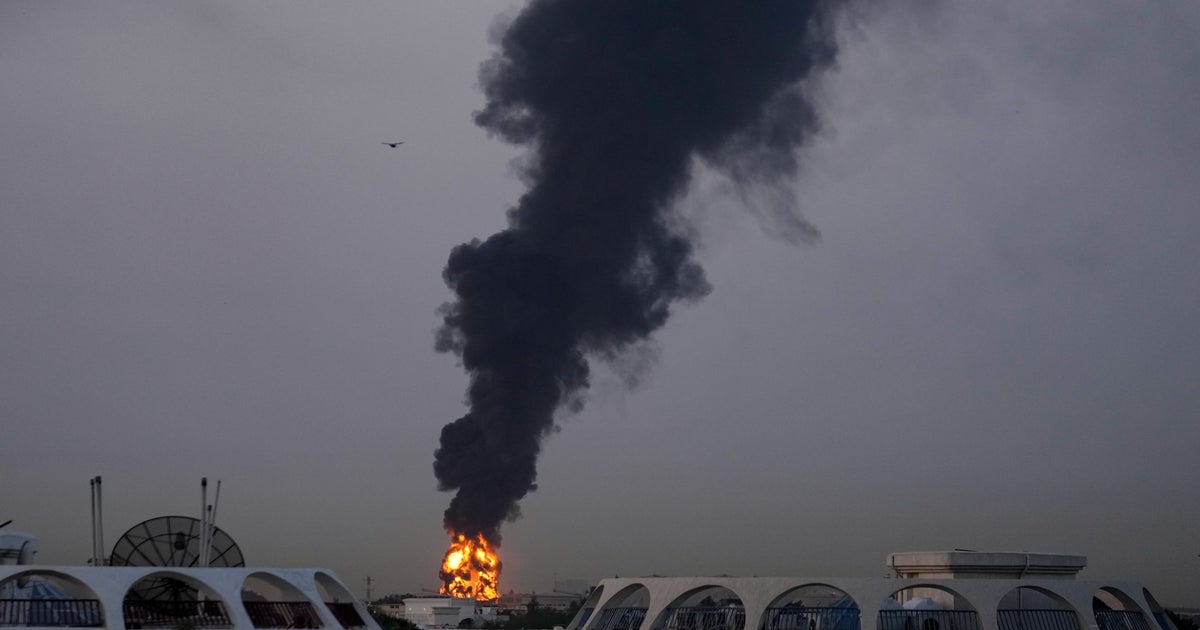
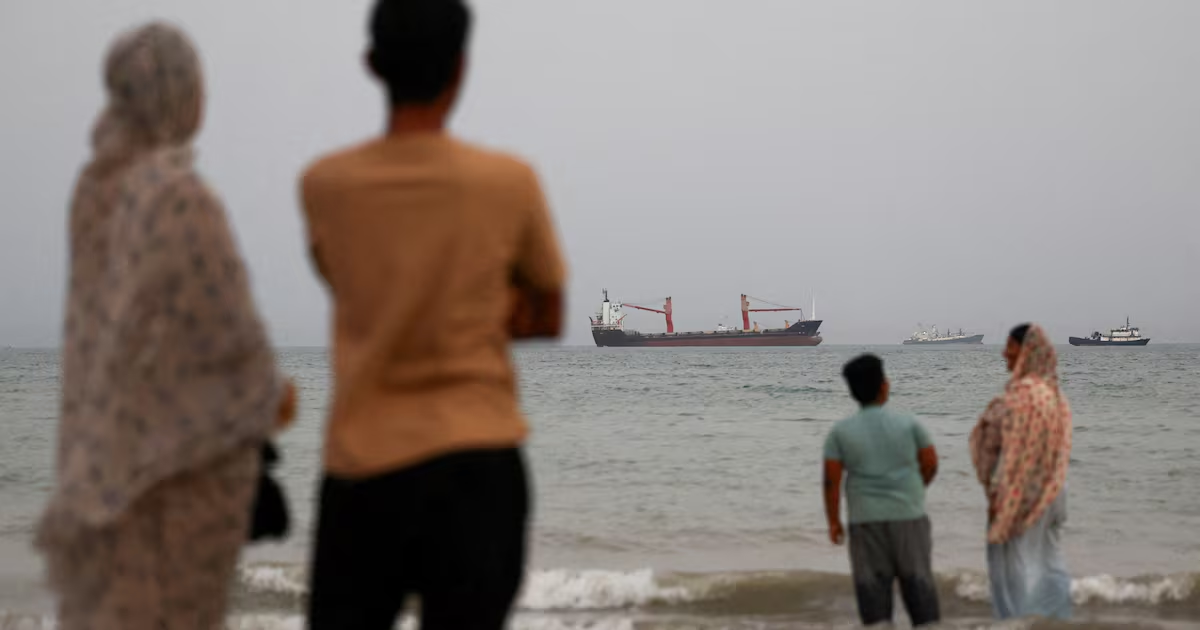
But the war continues. Several merchant ships have been struck in and around the strait of Hormuz. Iran’s Revolutionary Guards have declared they will not allow “one litre of oil” to be exported from the Middle East if US and Israeli attacks continue.