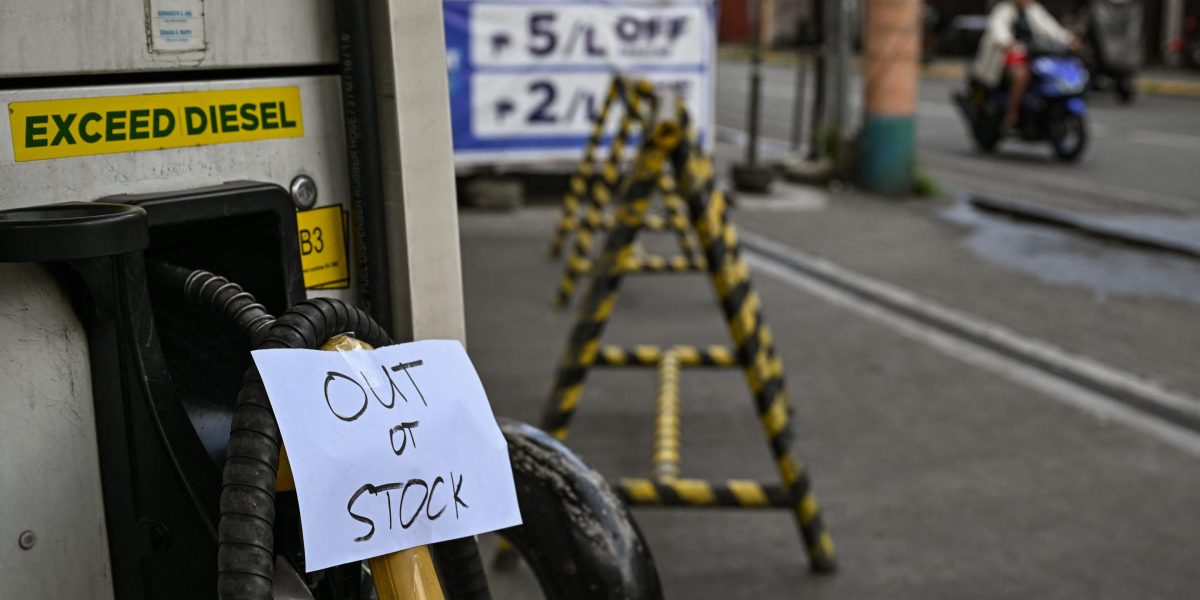
Working from home seemed to be a thing of the past. All it took to revive it was a war in the Middle East and a worldwide energy crisis.
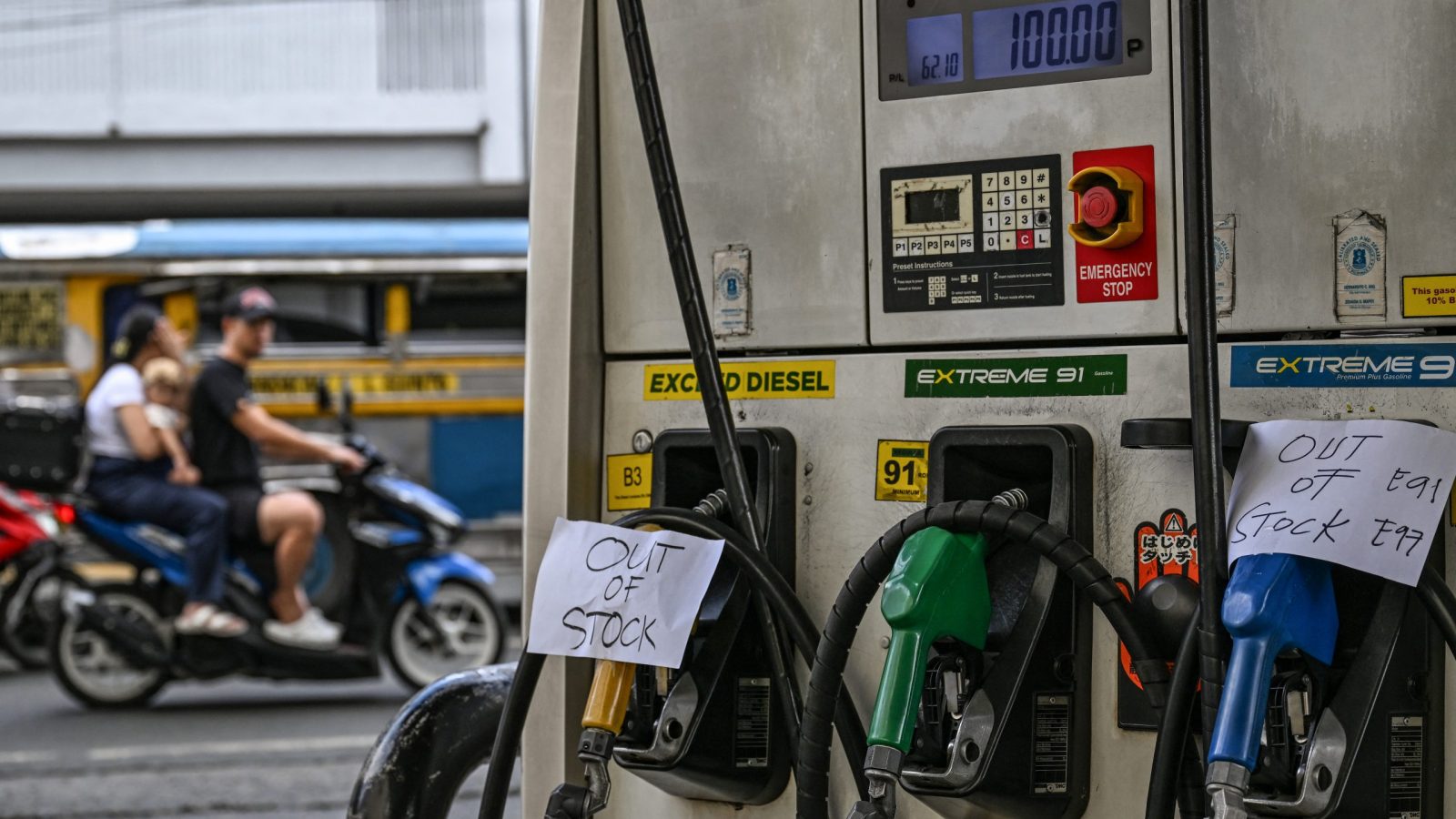
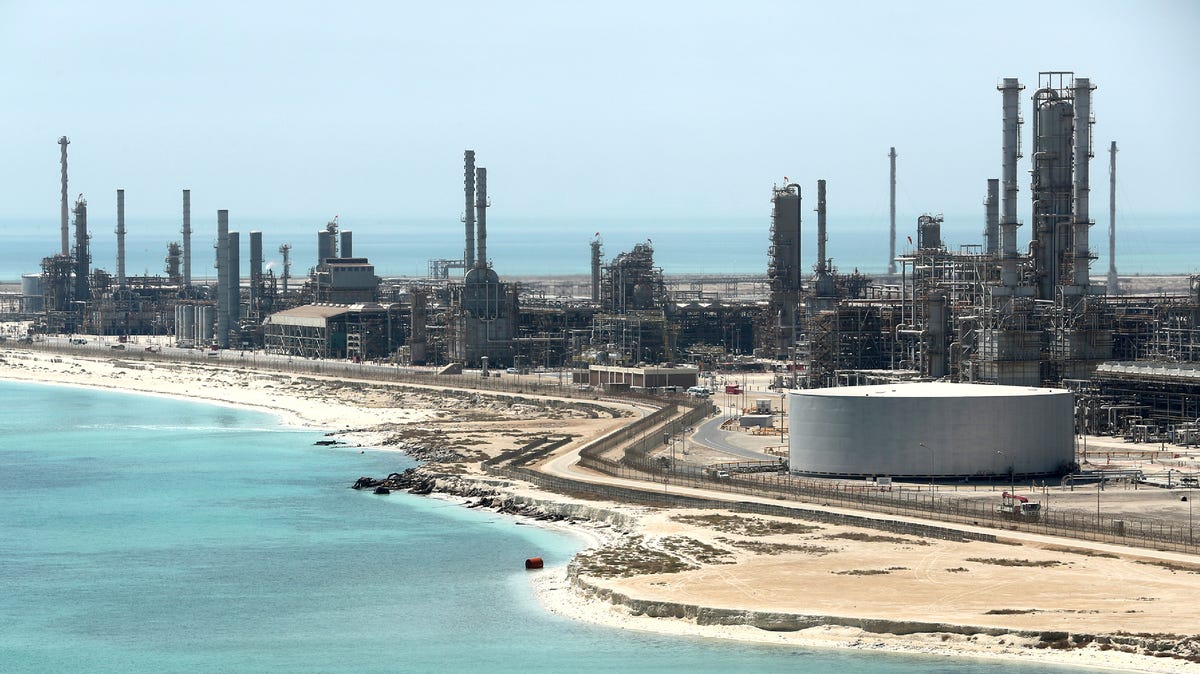
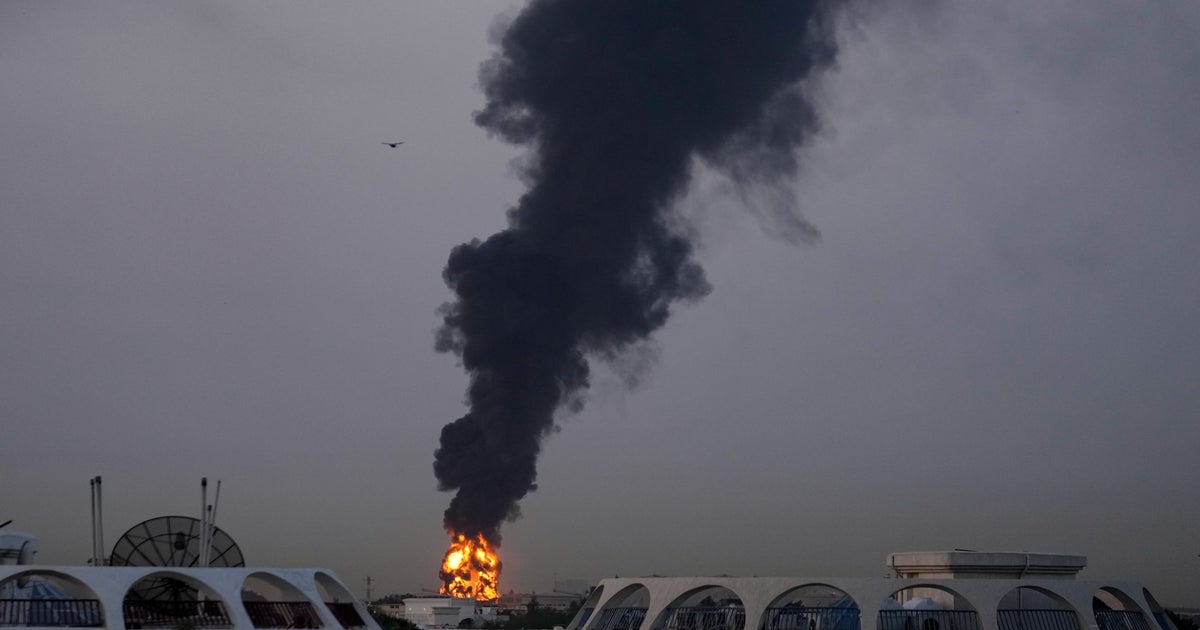
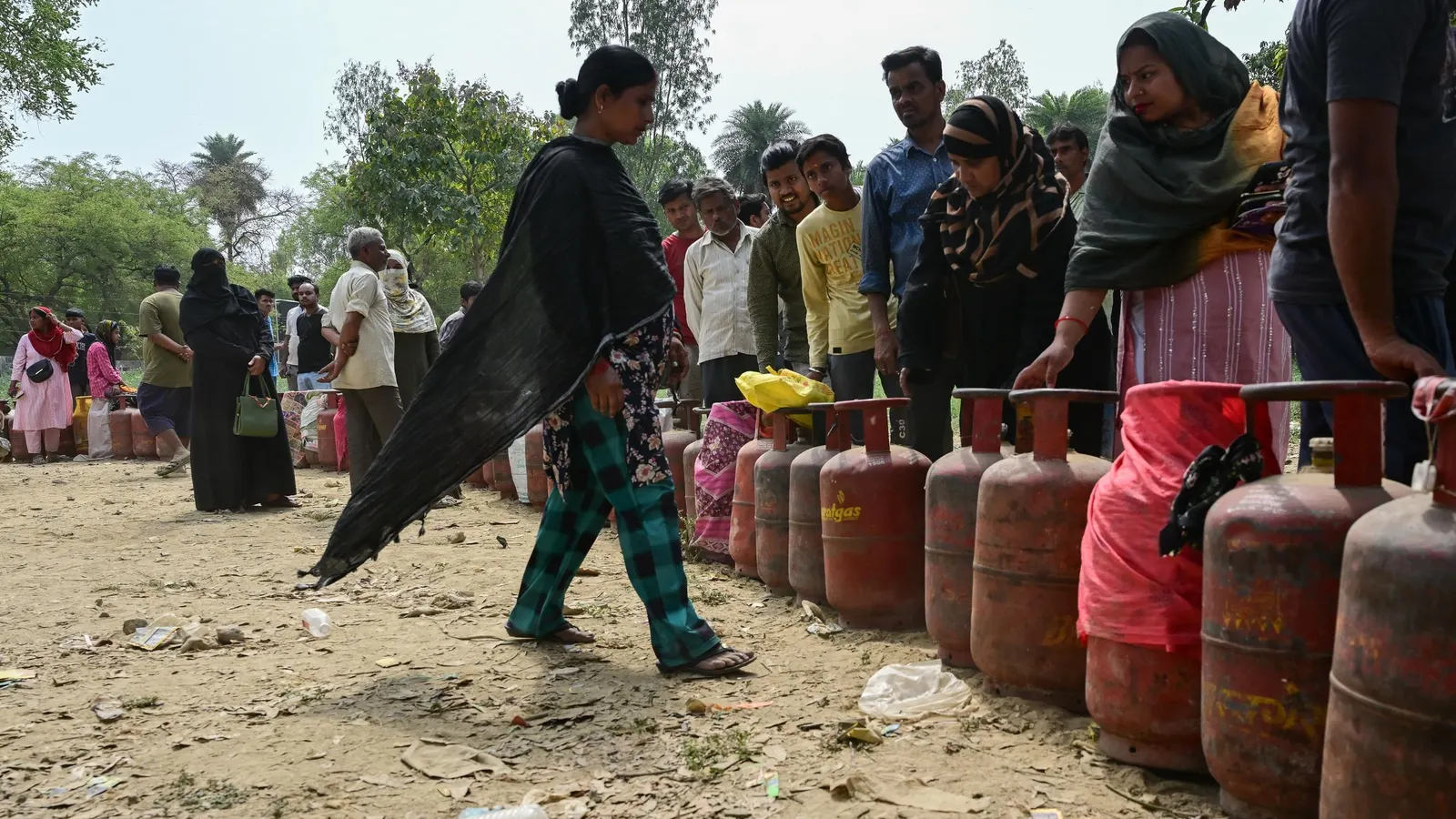
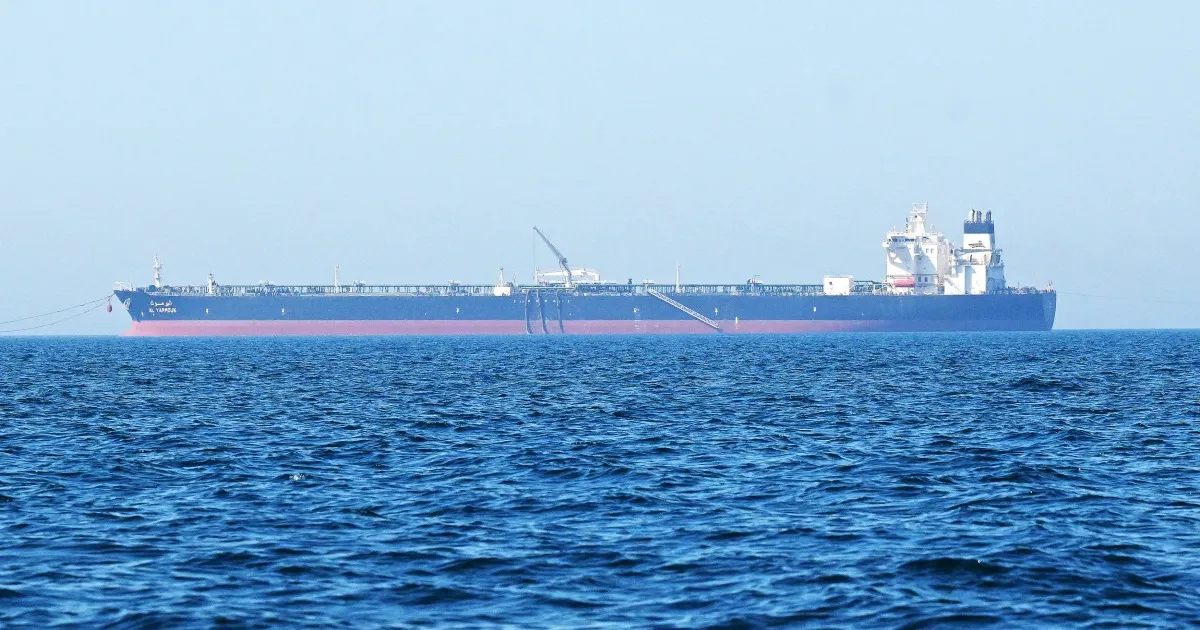
Nearly three weeks into the U.S. campaign in Iran, the war’s ripple effects are throttling global fuel markets. The conflict has essentially blocked off the Strait of Hormuz, the vital chokepoint that once carried 20% of the world’s traded oil and liquefied gas.
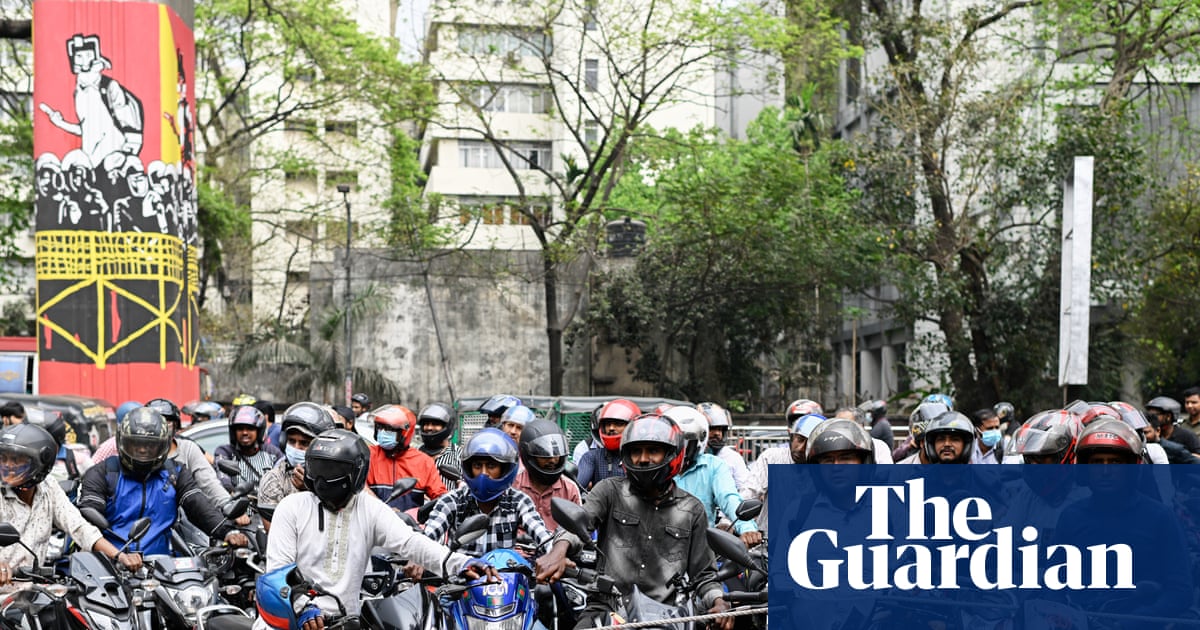
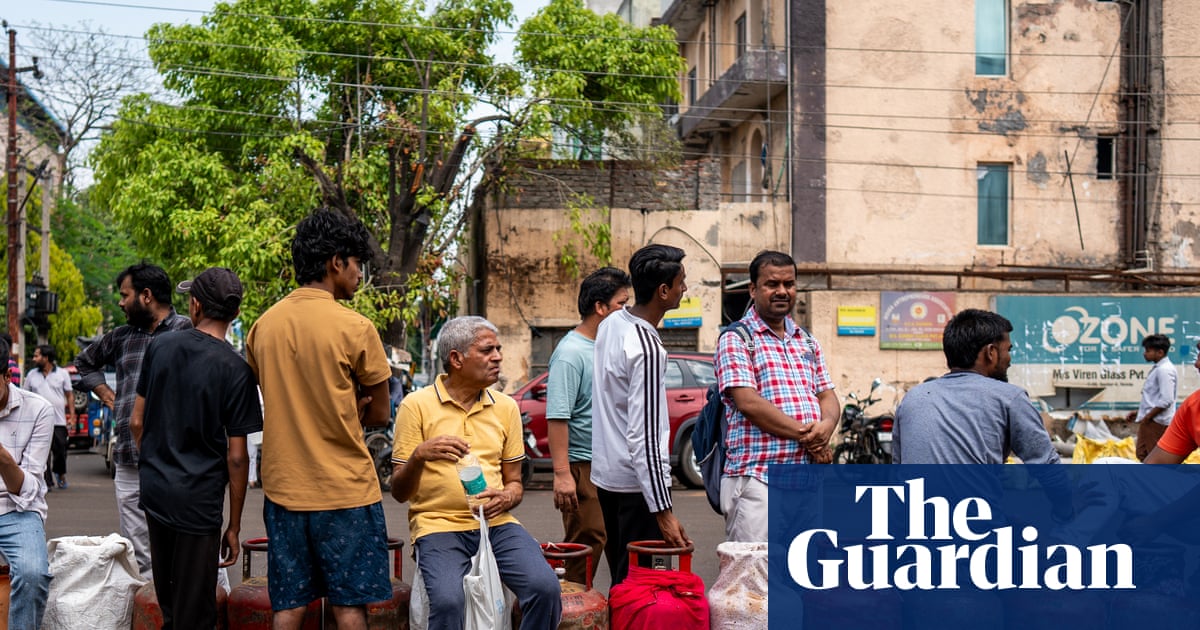
That hole in energy supply is straining fuel reserves around the world, especially for the biggest buyers of Middle Eastern oil and gas, as governments outside the U.S. are buckling down for a potentially protracted slowdown in the energy trade. Many are turning to a measure from 2022, the last time a major conflict broke out involving actors critical to global fuel supply: asking people to just stay home. In Asia, governments from Vietnam to the Philippines are reviving flexible work orders to curb fuel demand, and across Europe, ministers are urging residents to skip the commute to save gas.
Governments turn back to remote work to save fuel
In a statement Tuesday, Vietnam’s Ministry of Industry and Trade called on individuals and businesses to “work alongside the government to help ensure national energy security.”