The war in Iran has already transformed the world’s energy map. It might yet redraw America’s auto market.
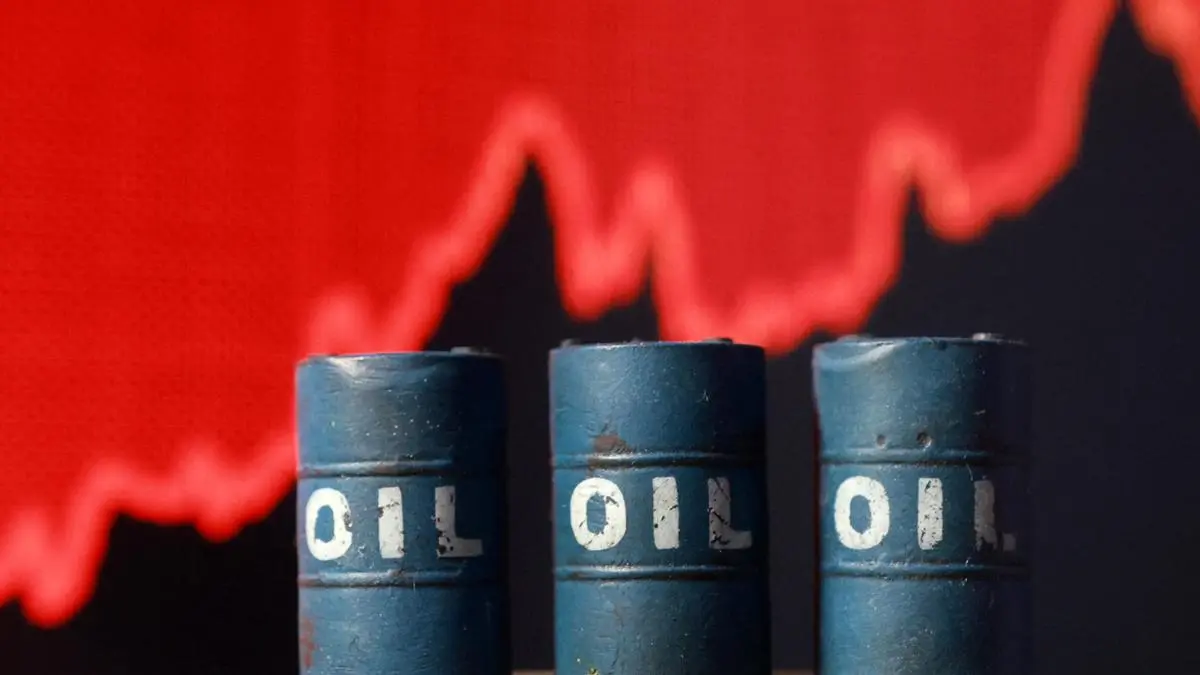
Now in its third week, the U.S. and Israeli military campaign in Iran has escalated to involve targets across the Middle East, including the Strait of Hormuz — a narrow waterway at the mouth of the Persian Gulf that serves as the world’s most critical fossil fuel chokepoint. The war has effectively closed the oil tanker traffic that used to navigate the strait, which on a normal day carries up to 20% of the world’s traded petroleum.
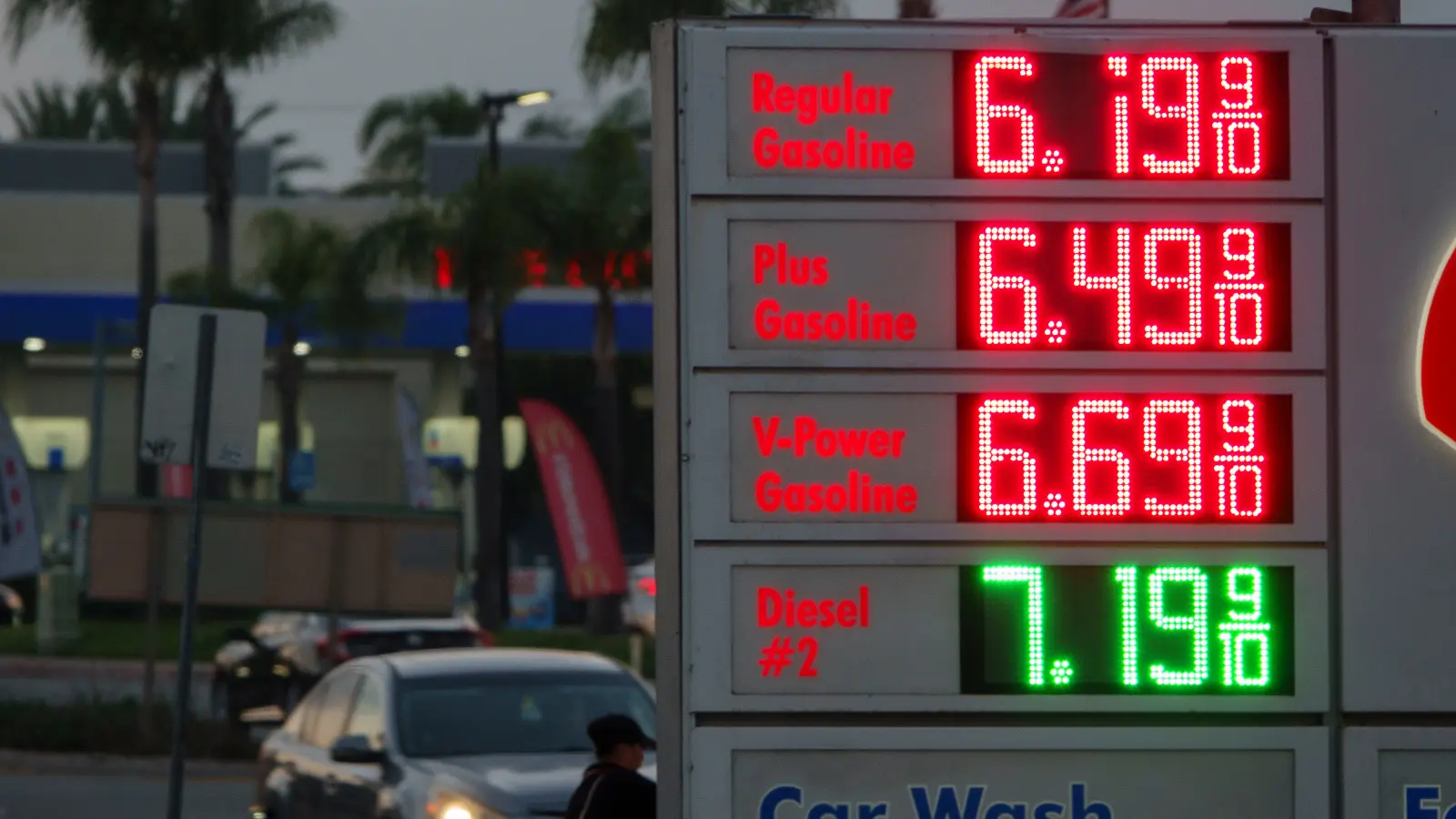
Fuel costs worldwide have soared as a result. Average gas prices in the U.S. are now $3.79 a gallon, up from $2.92 a month ago, reminding drivers of the 2022 energy shortage and even of the devastating oil shocks of the 1970s.
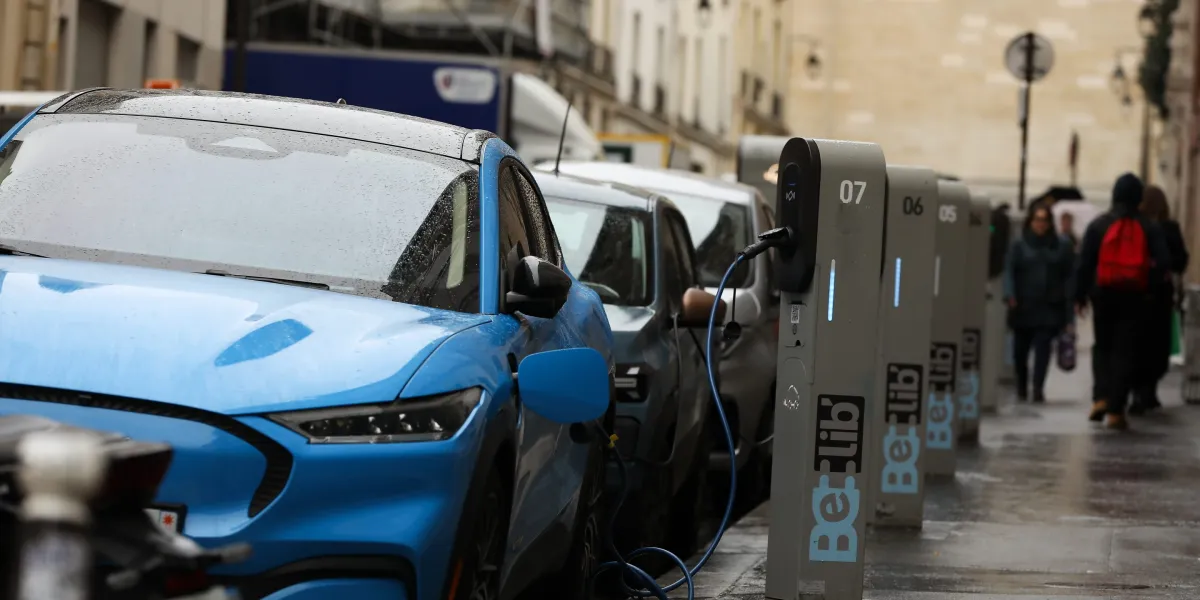
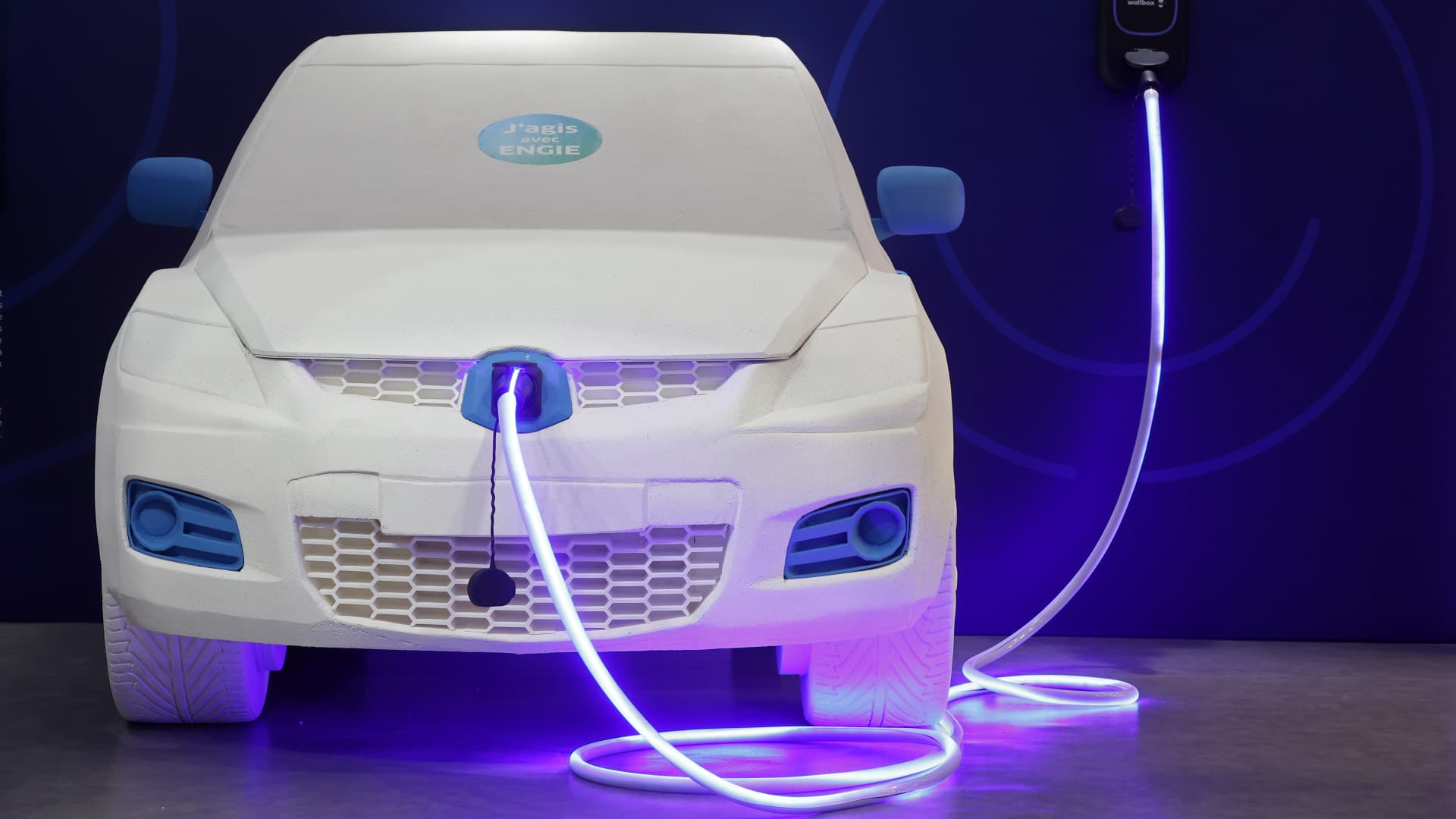
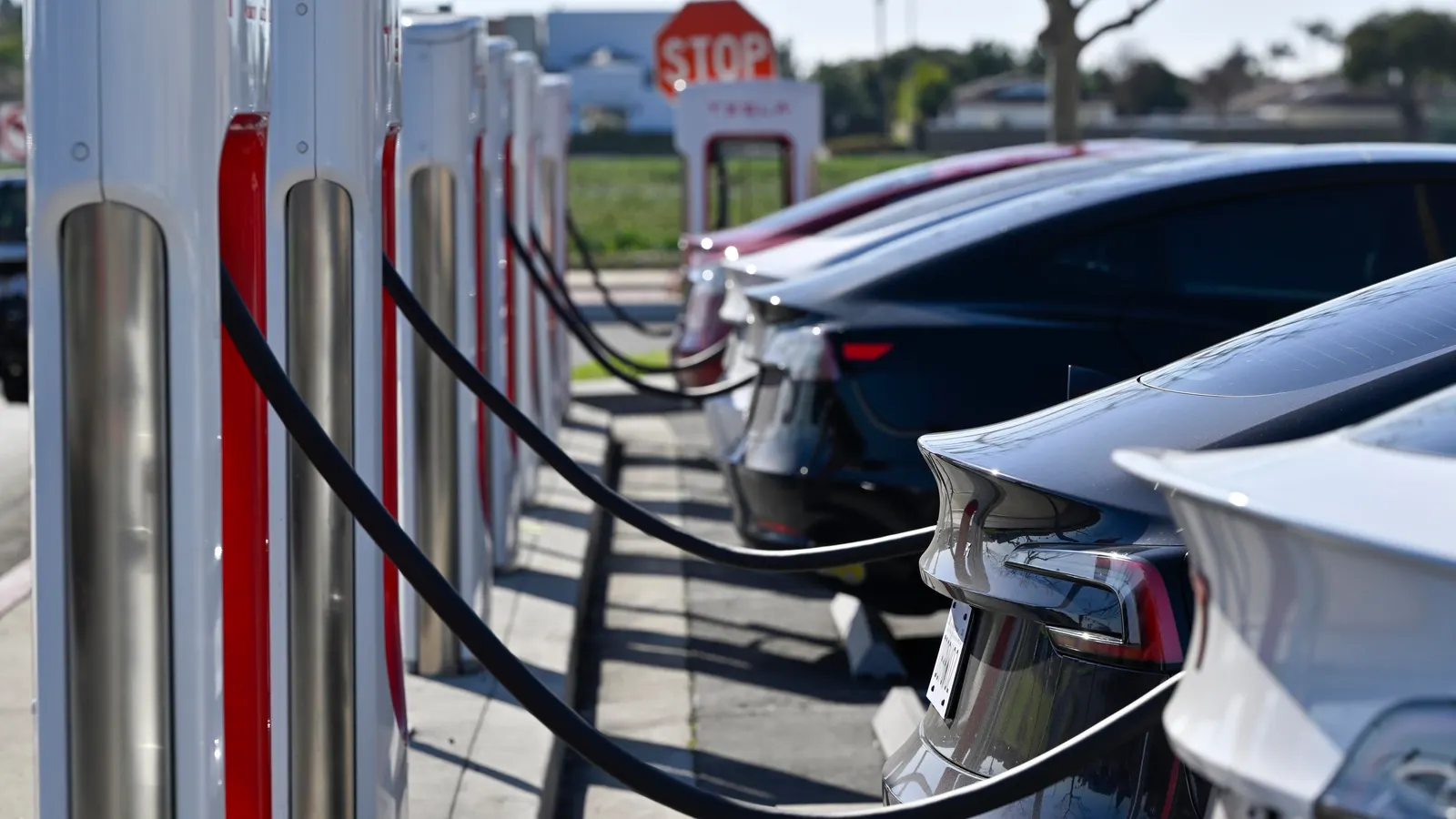
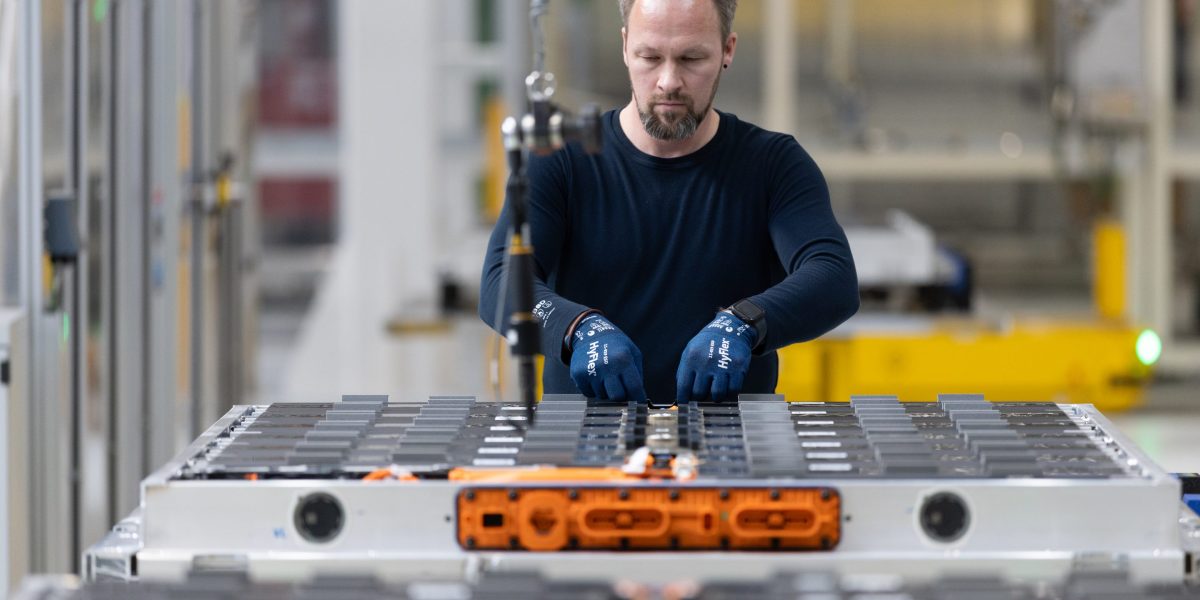
But unlike during those crises, the world now possesses a massive, rapidly scaling, and for the most part readily available asset to soften the blow: the electric vehicle.
The global EV fleet has been growing for years, gradually chipping away at the world’s oil consumption as drivers turn to charging ports instead of gas stations. Last year, EVs worldwide avoided the consumption of 1.7 million barrels of oil per day, according to a report published Wednesday by Ember, an independent energy think tank based in the U.K. That’s roughly 70% of the 2.4 million barrels Iran exported daily through the Strait of Hormuz in 2025.