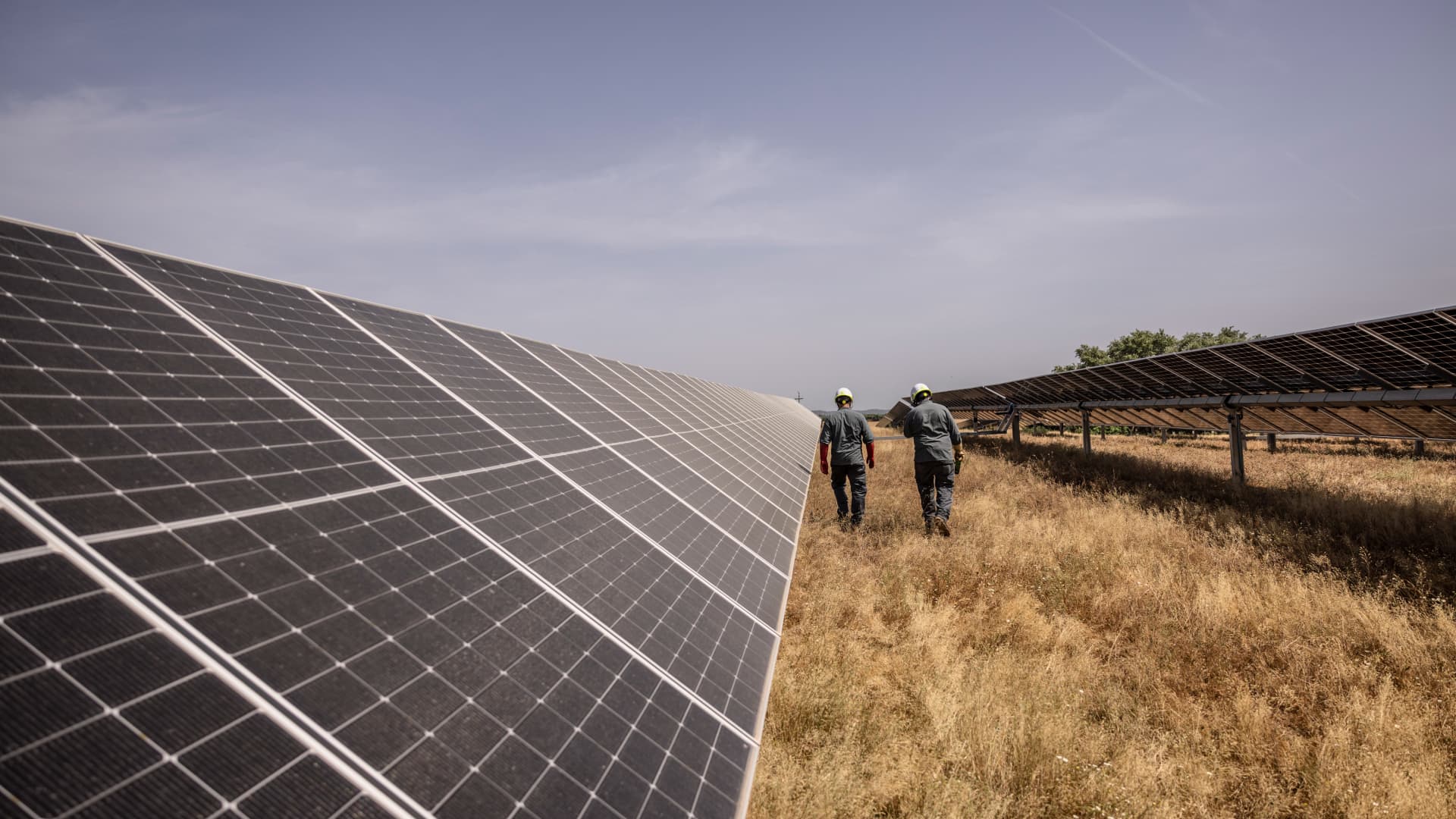
The fallout from the Iran war is likely to expedite the shift away from fossil fuels and make countries think differently about the role renewables can play in shoring up energy security, analysts told CNBC.
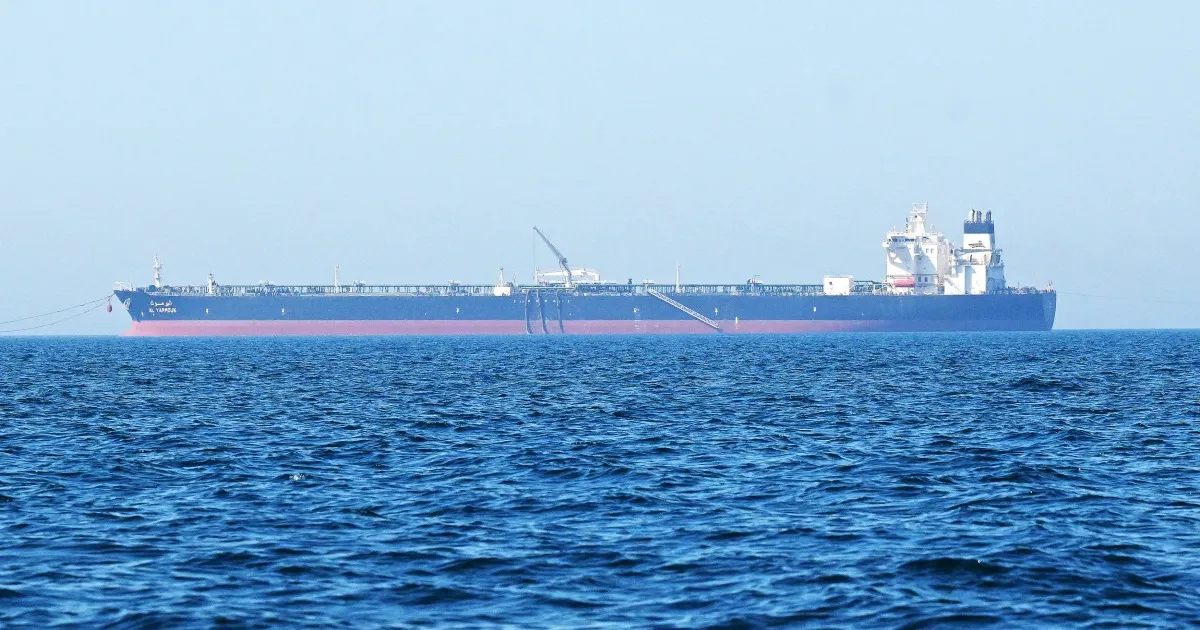
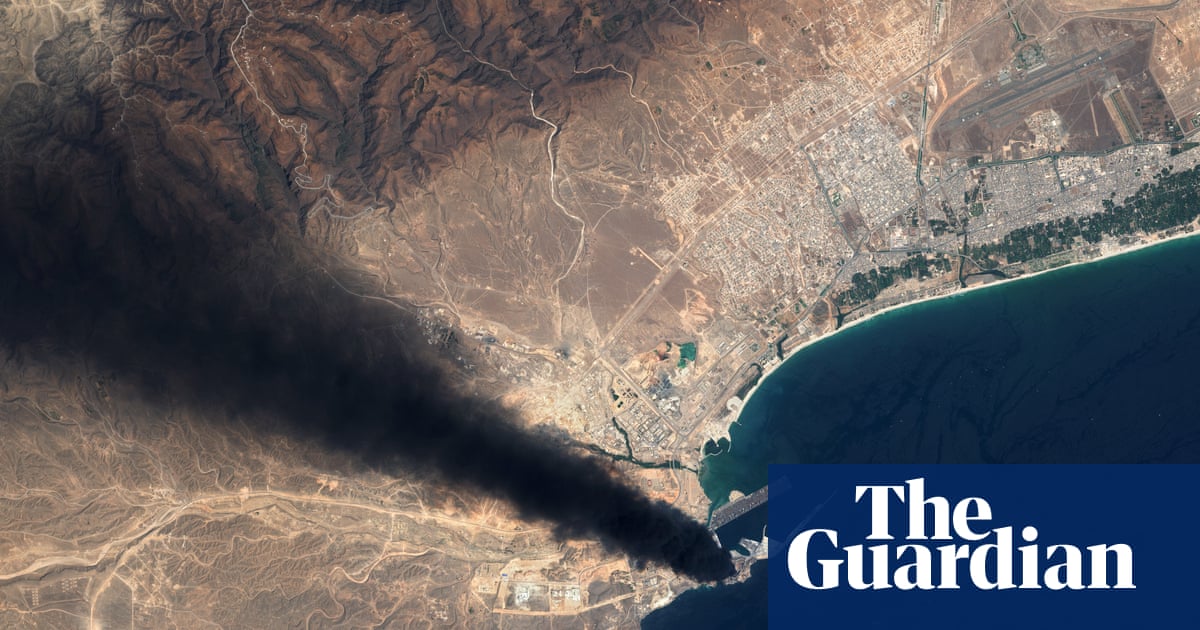
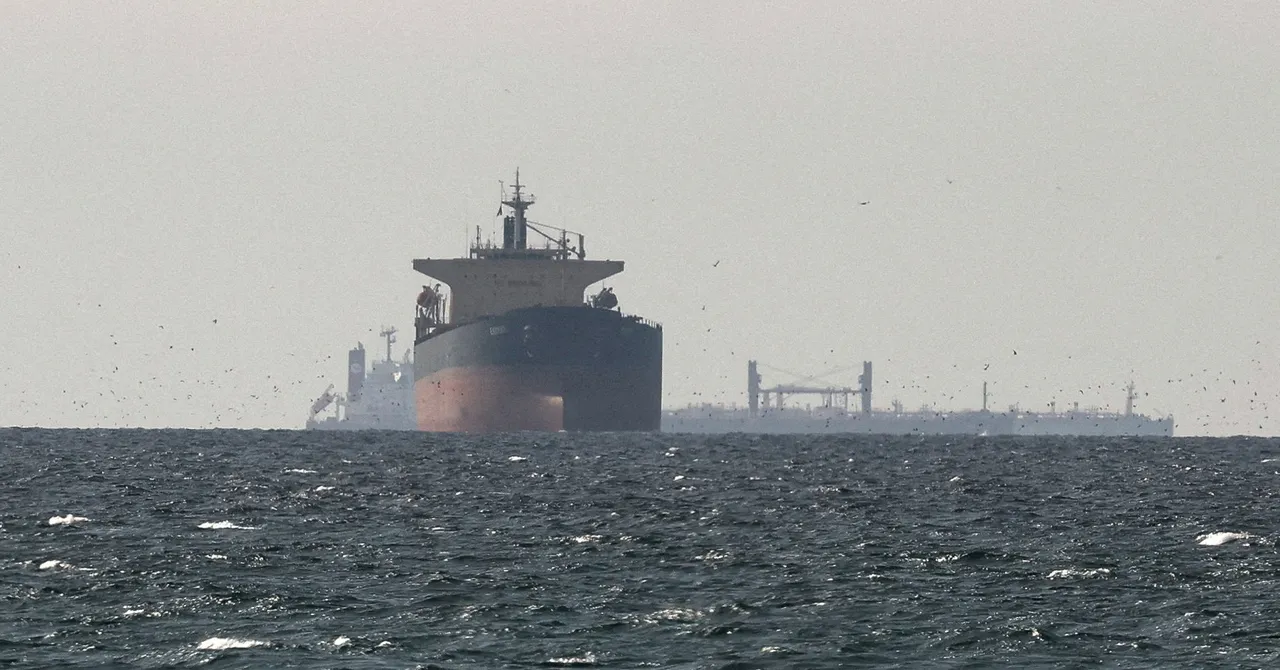
The Middle East crisis has severely disrupted oil exports through the strategically vital Strait of Hormuz, which typically carries about a fifth of the world’s oil and liquified natural gas (LNG) and represents a key choke point for fertilizer trade.
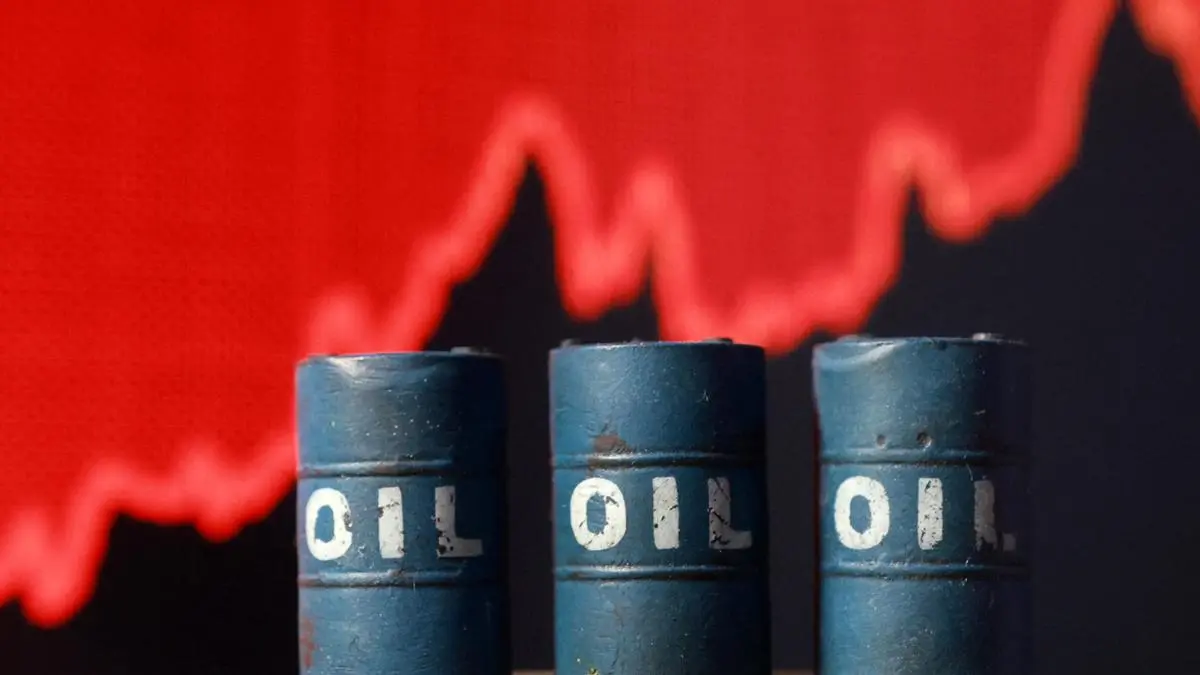
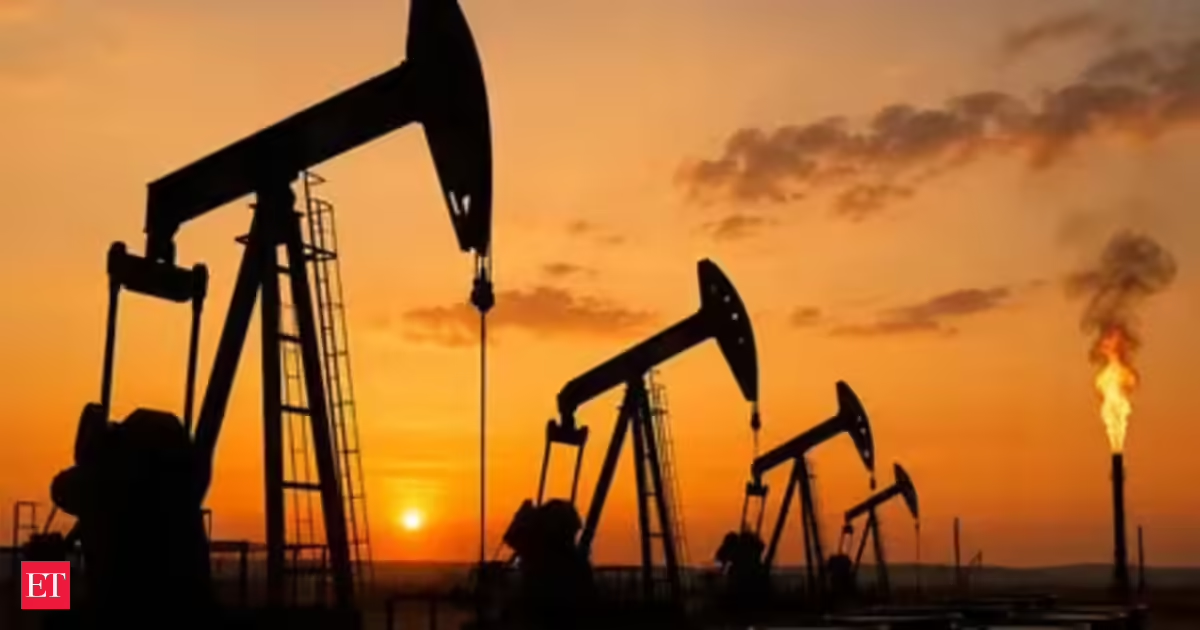
It has shone a light on the extent to which the world remains deeply reliant on fragile fossil fuel trade routes, while surging oil and gas prices have rattled energy markets and triggered widespread inflation fears.
Asia’s reliance on imported energy means it now sits at the forefront of the global fossil fuel crisis, but supply disruptions are also hitting hard in Europe and Africa, where countries are responding to rising fuel costs and a considerable threat to food security.
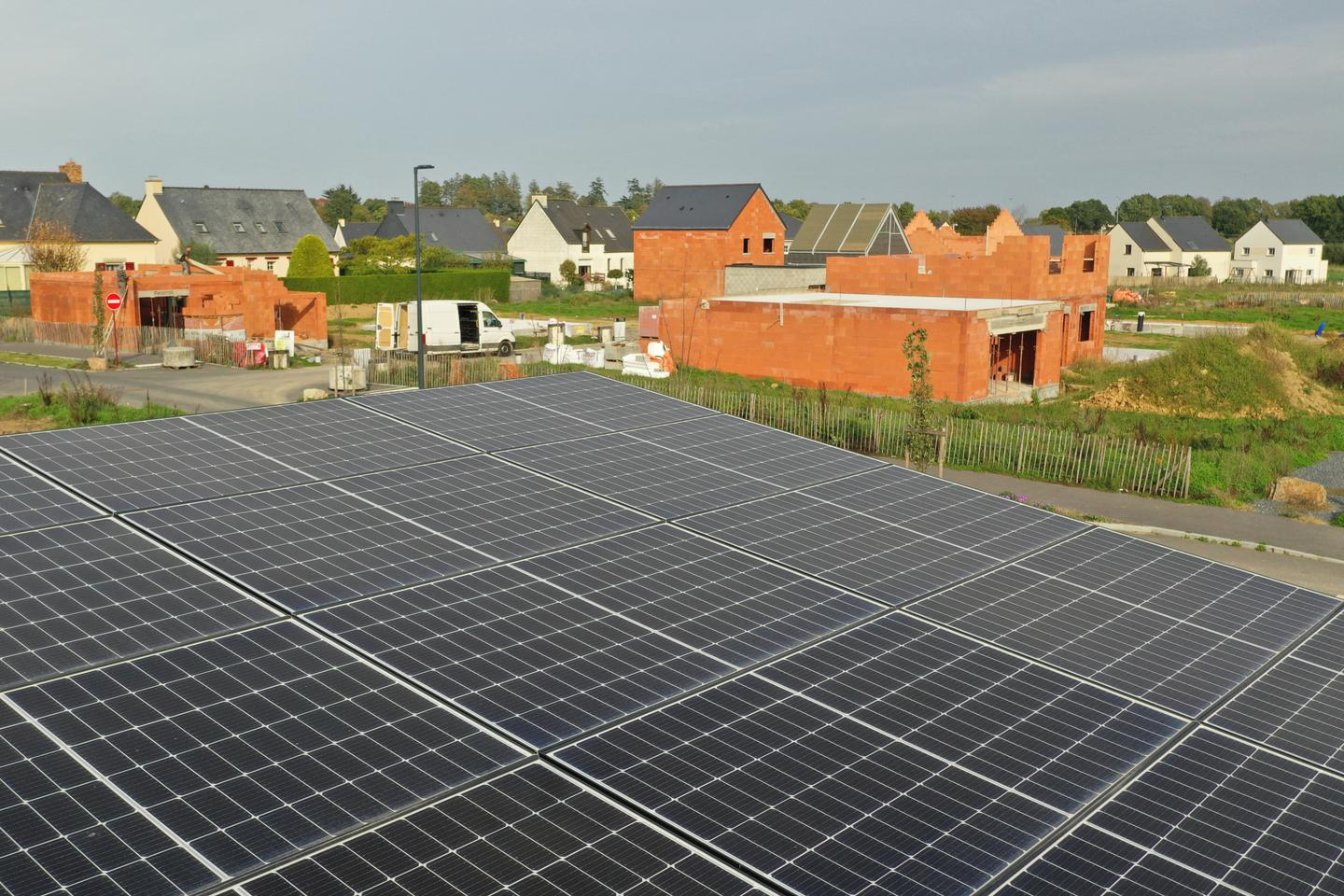
The head of the International Energy Agency said the energy transition was moving “very strongly” before the Iran war began — but the fallout from the resulting energy shock means countries will likely direct even more investment toward clean energy sources.