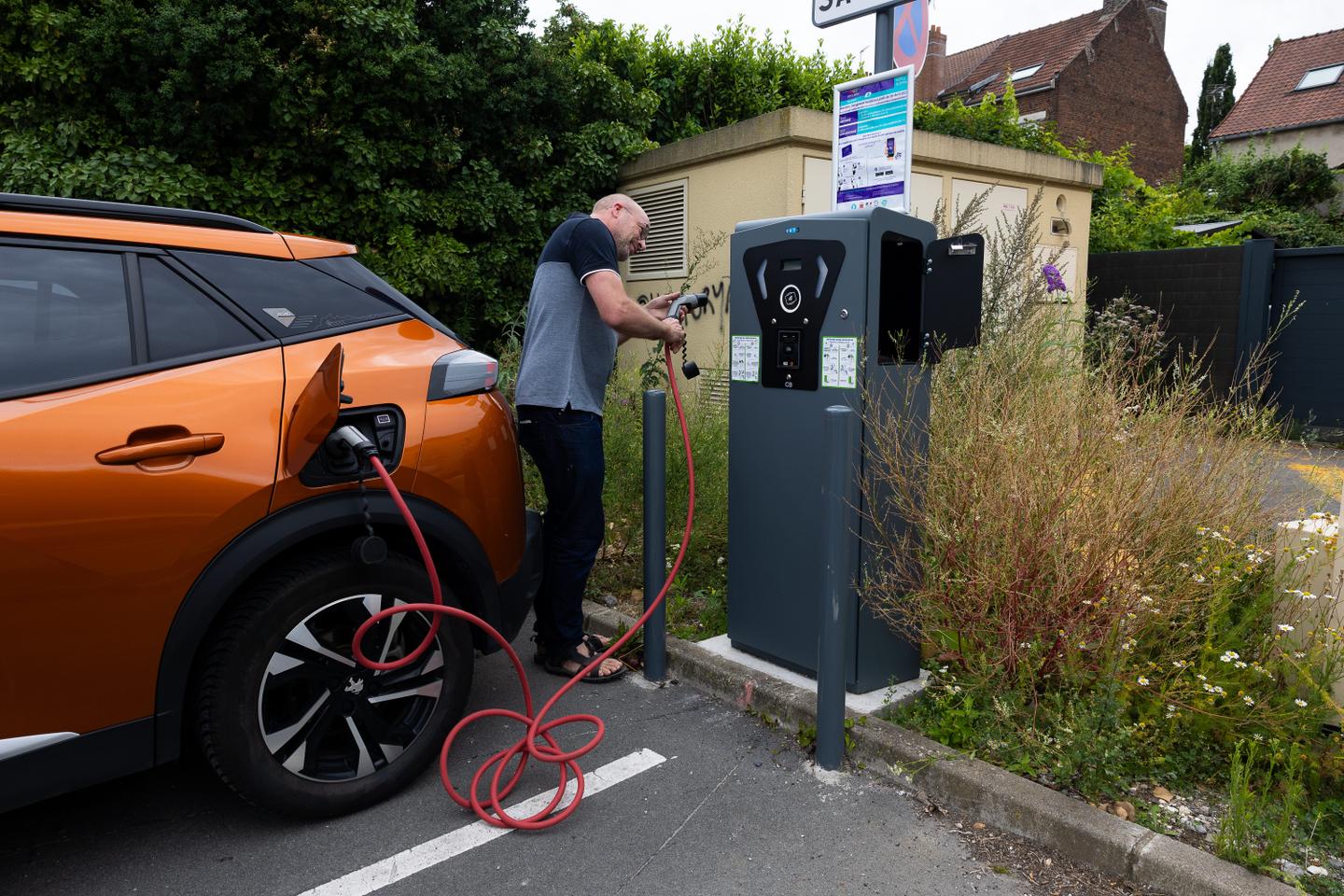
Marc Lienard, holder of a subscription to electric vehicle charging stations, is concerned about a sharp increase in the price per kilowatt-hour. In Arras, France, July 31, 2025. FLORENT MOREAU/LA VOIX DU NORD/MAXPPP
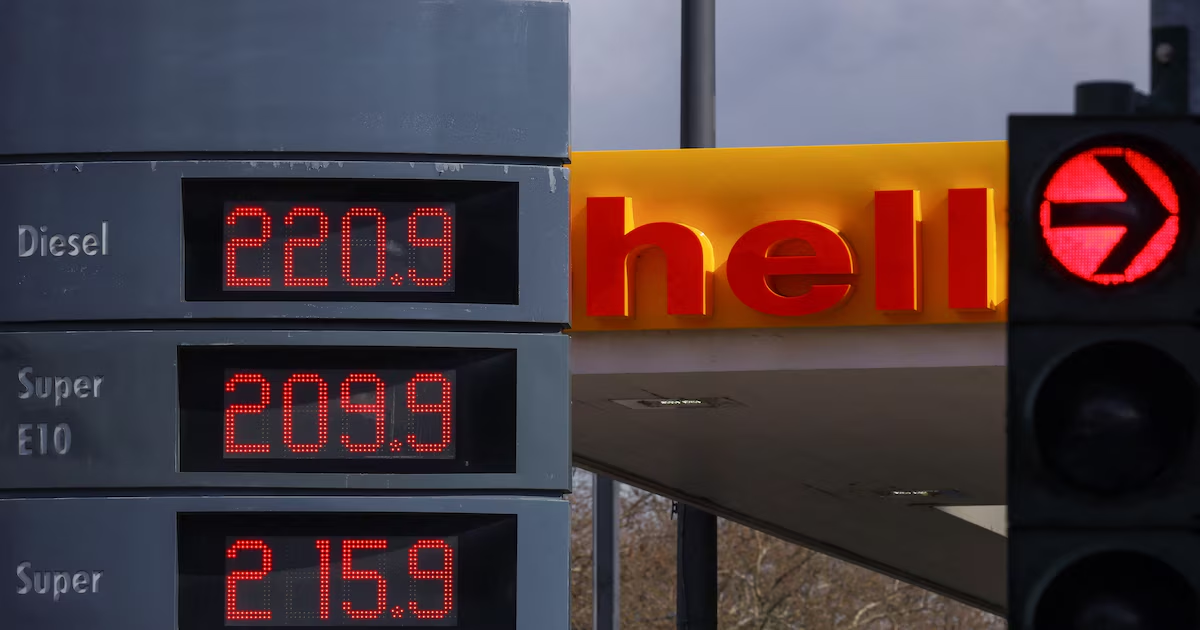
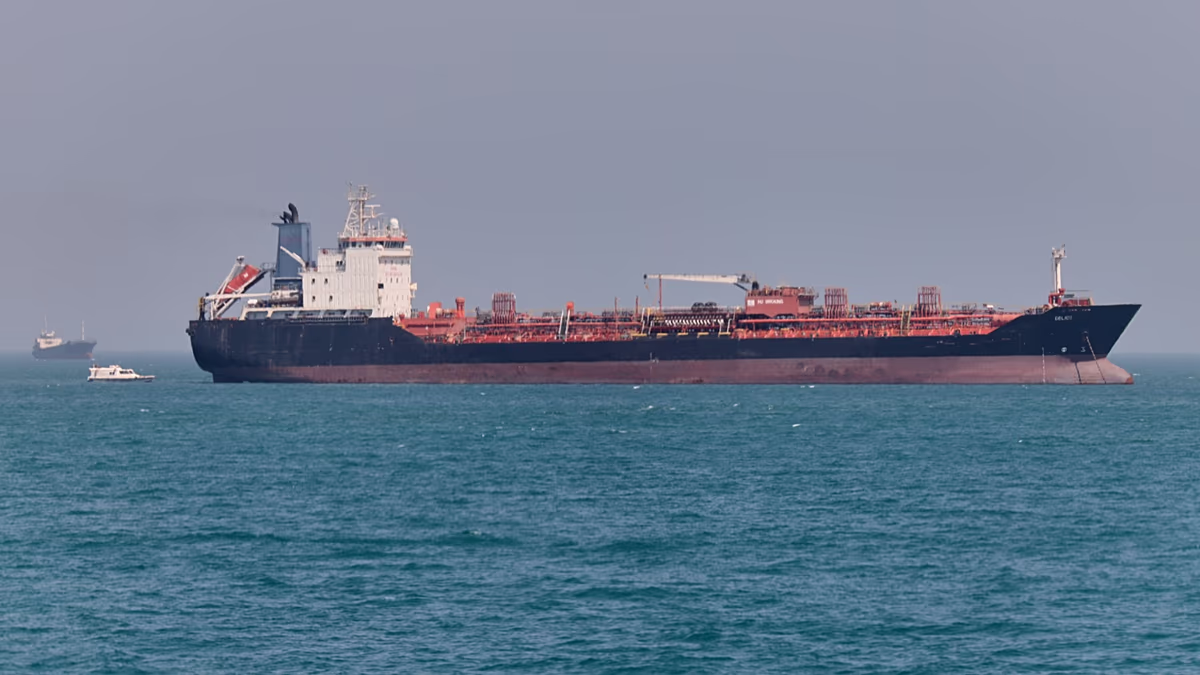
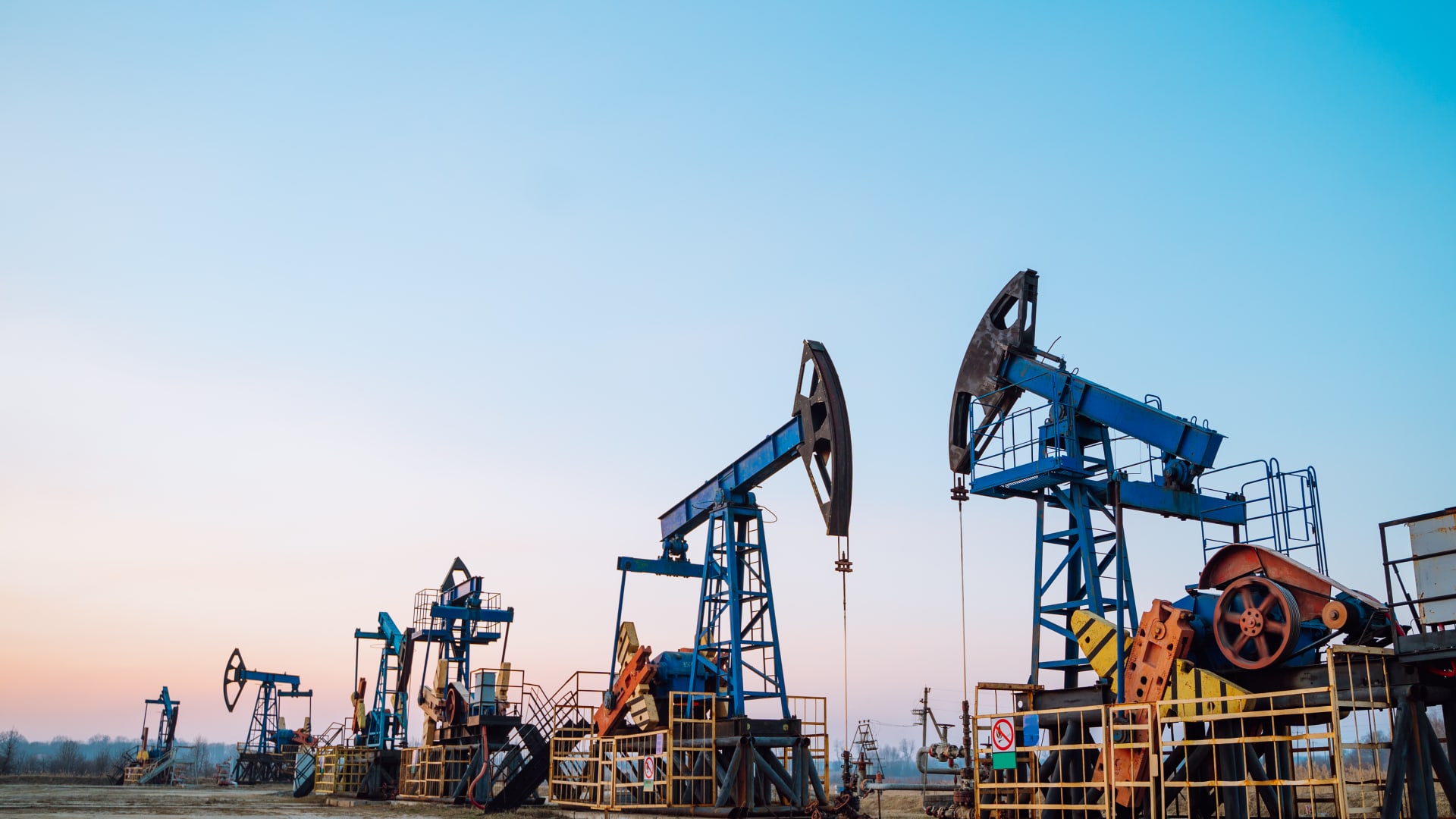
Will Europe's energy transition ambitions emerge unscathed from the shock of the war in the Middle East? What will be the consequences for the fight against climate change of the "greatest global energy security threat in history," to adopt the words of the International Energy Agency (IEA)?
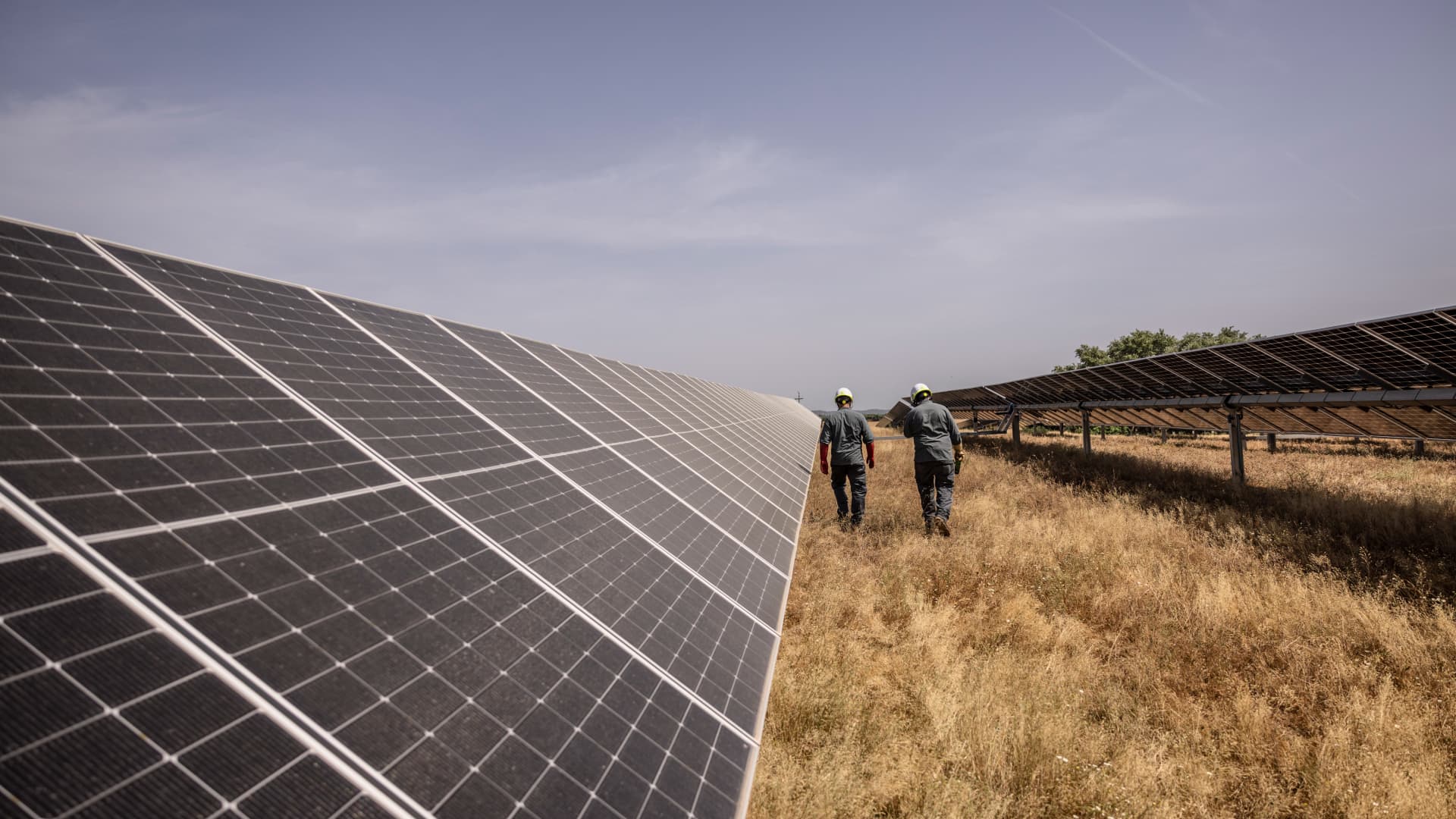
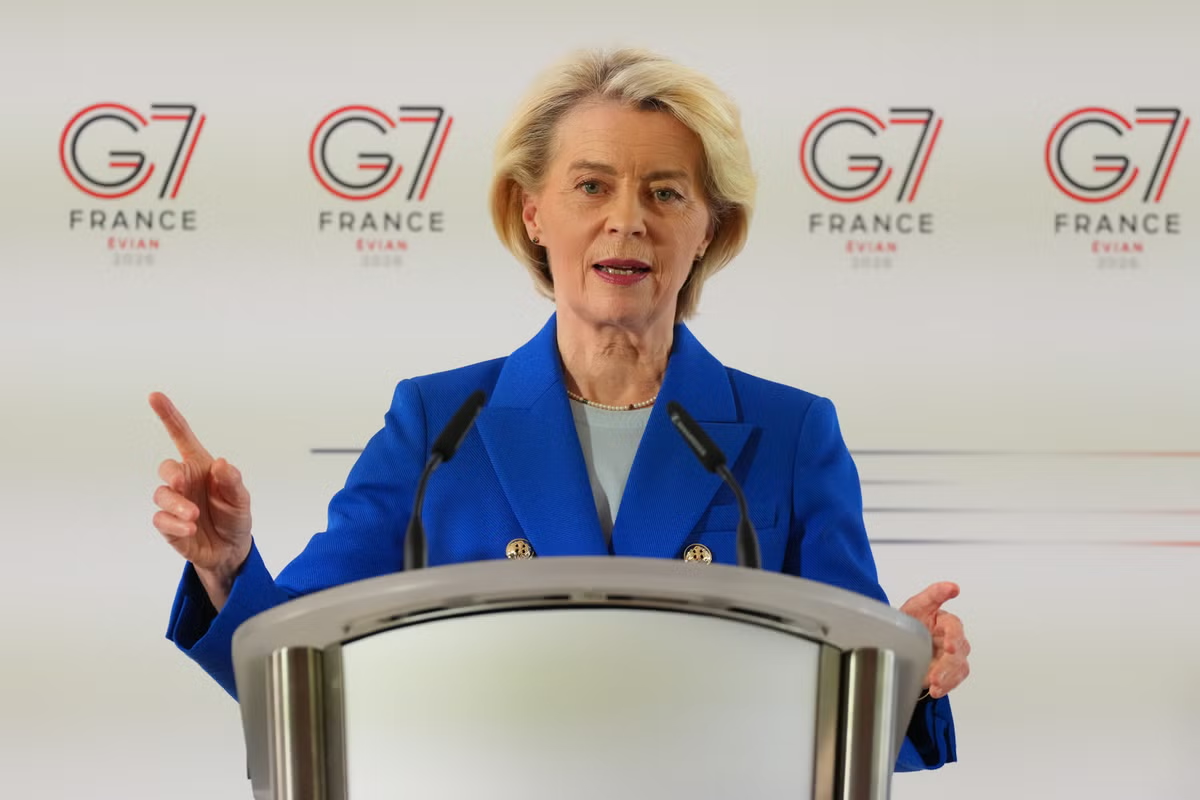
Meeting in the midst of the crisis, the European Council reaffirmed on March 19 that energy transition remained "the most effective strategy" to achieve greater autonomy and bring down oil and gas prices. In its conclusions, it called for accelerating the rollout of renewable energy sources. A few days earlier, the president of the European Commission, Ursula von der Leyen, had also warned about the staggering cost of the conflict for the European Union – an additional €3 billion for hydrocarbon imports in just 10 days – and called to "stay the course."
While such conclusions may seem reassuring, member states are deeply divided. Disagreements became particularly evident over the carbon market, which was on the agenda for discussion on March 19. About 10 countries, including Italy and Poland, wanted to suspend the mechanism, which requires the most polluting industries to purchase pollution permits in order to encourage them to reduce their carbon emissions. They accused it of driving up energy bills. Conversely, another bloc notably including Spain, the Netherlands and Portugal refused to fundamentally alter the instrument, arguing it served as a compass to guide the EU away from dependence on fossil fuels. The bloc's 27 member states import 95% of their oil and nearly 90% of their gas.