https://arab.news/cvvbd
Wars and conflicts are generally analyzed and examined through military, geopolitical and ideological lenses. But we should also look at the energy landscape. The ongoing war in the Middle East has revealed something critical regarding the structural issues embedded in the global energy system.
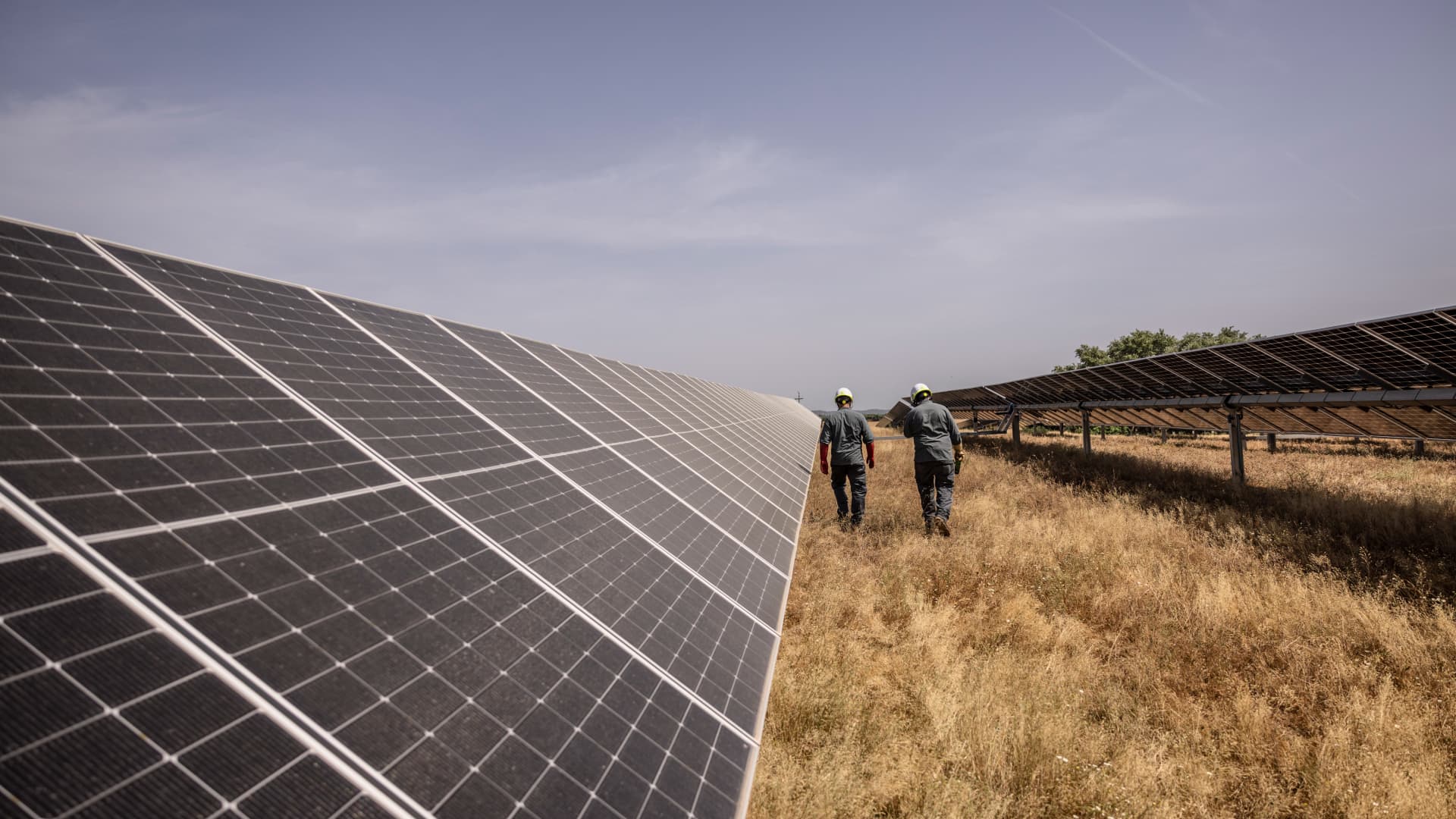
What is emerging is the profound importance of transitioning to solar and other forms of renewable energy. The war has demonstrated the risks associated with dependence on fossil fuels. In addition, it has made evident the degree to which the world remains dependent on centralized fossil fuel infrastructures. It has also shown the strategic, economic and societal advantages of having decentralized and resilient energy systems.
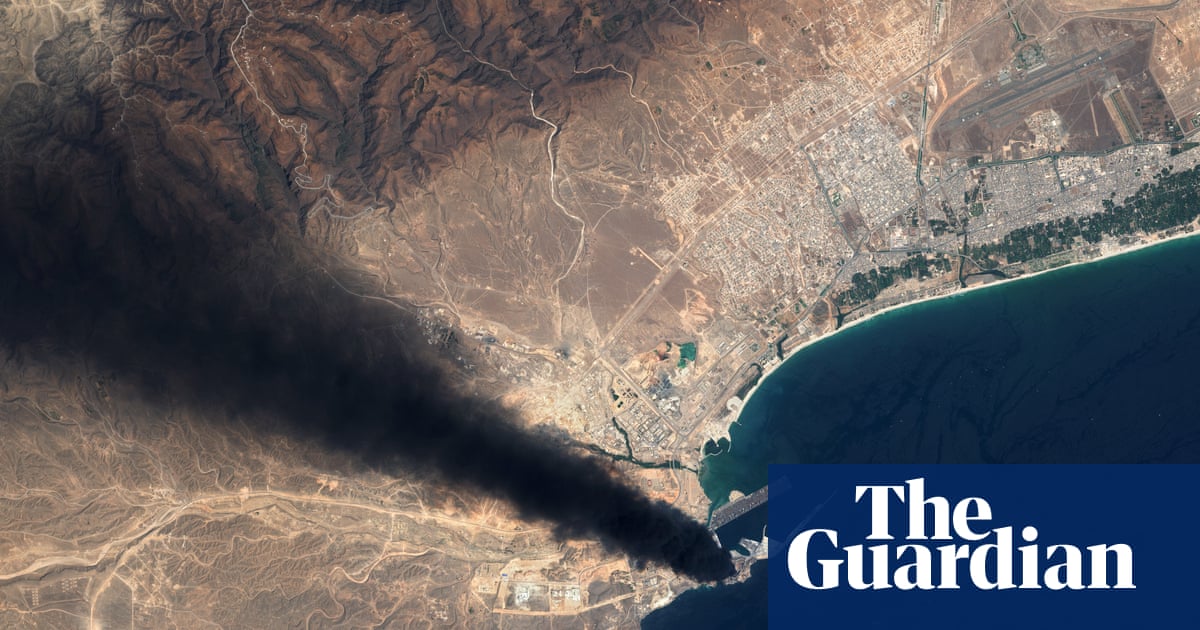
Oil refineries, gas processing plants, pipelines and export terminals should not only be viewed as economic assets, they are also strategic assets. In the current conflict, these facilities have been placed at risk and even directly targeted. Unlike decentralized energy systems, a single strike on fossil fuel infrastructure can generate cascading economic and political consequences.
In times of war, even the threat of disruption can lead to dramatic fluctuations in global energy markets