I
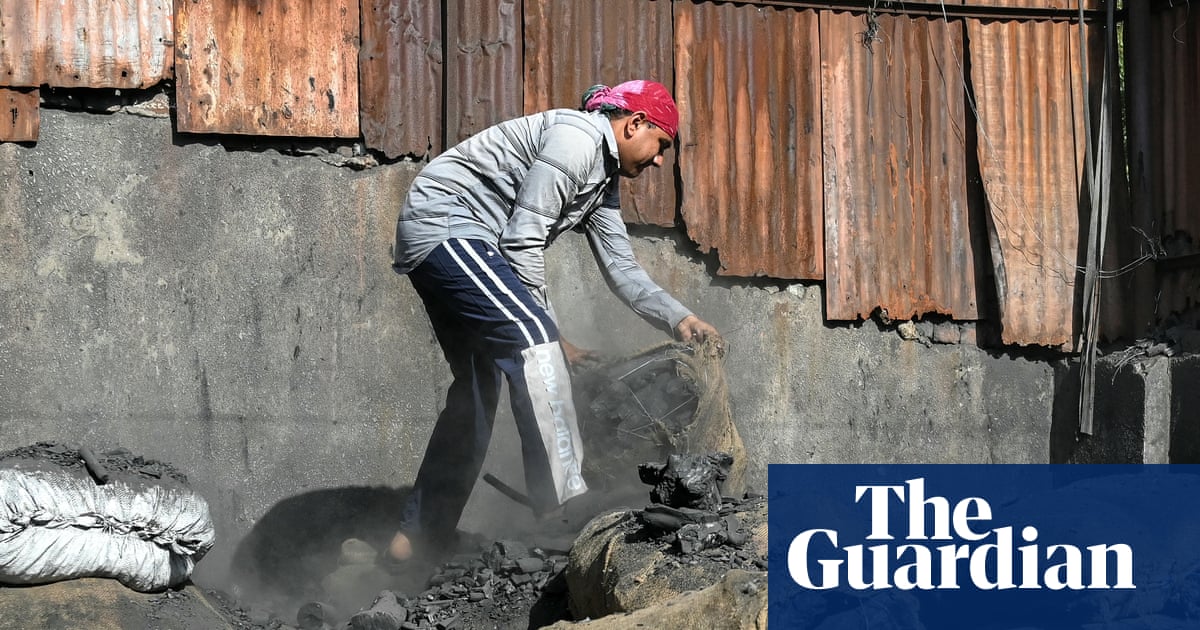
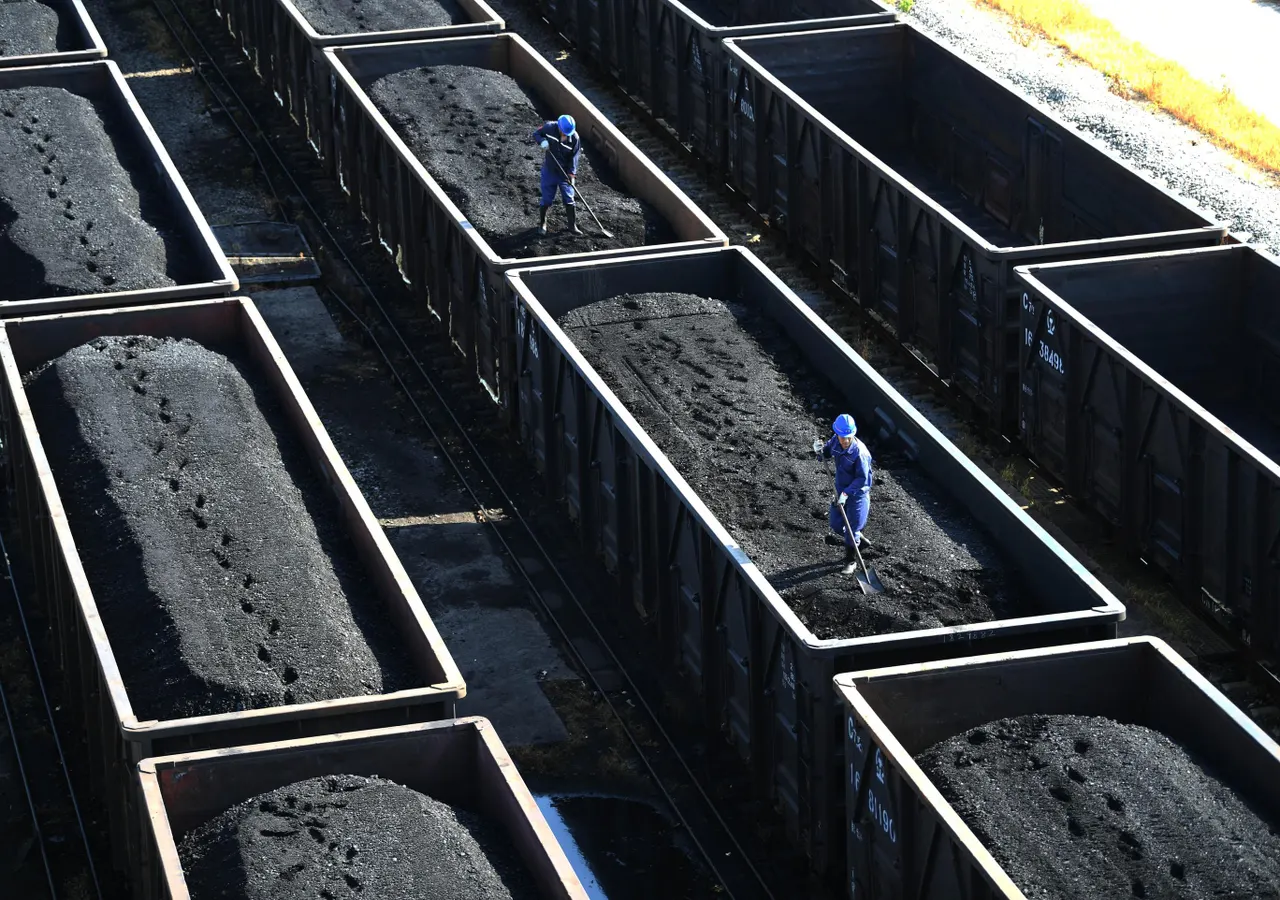
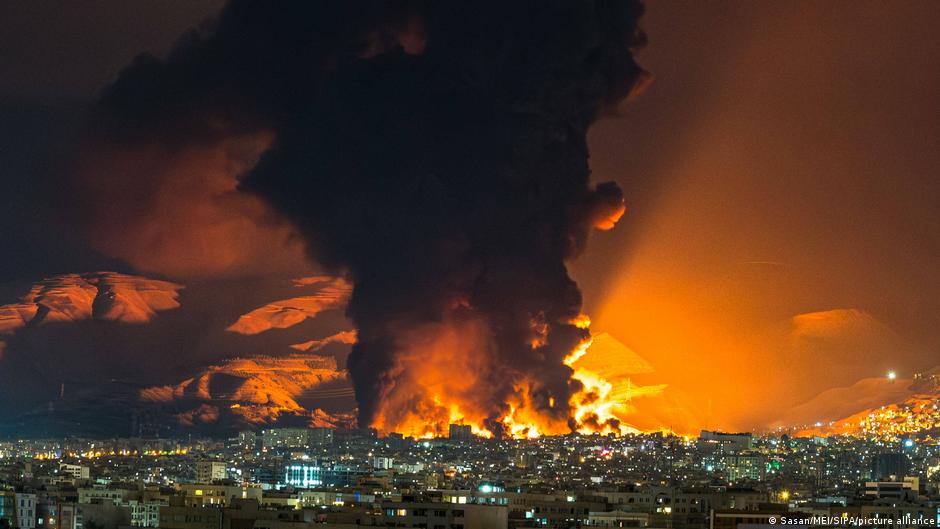
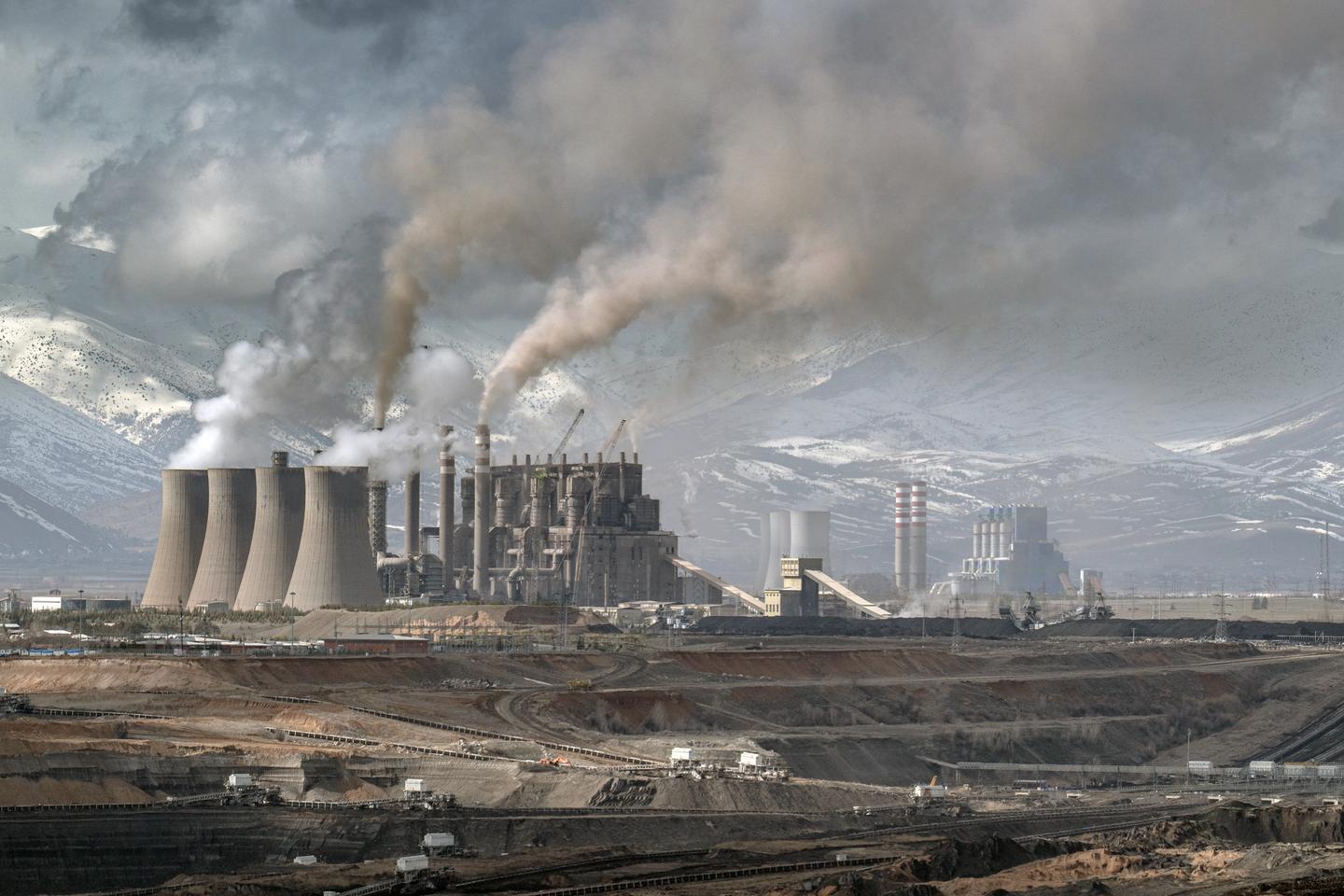
n the early days of the war in the Middle East, analysts offered optimistic predictions about the impact of the energy shock. The surge in hydrocarbon prices caused by the conflict with Iran, some argued, would have beneficial effects by accelerating the shift toward climate action. Yet only a few weeks later, the crisis delivered as a harsh wake-up call. Facing major supply disruptions, many countries had no choice but to turn to the most available, most accessible and most polluting fossil fuel: coal.
Particularly in Asia, which accounts for a large share of global economic growth, the top priority remains keeping business activity running. When oil and gas flows are threatened, prices soar and geopolitical tensions make imports uncertain, the immediate impulse is to return to coal – a local or regional resource that is abundant and easy to store. Coal enables electricity production with less dependence on vulnerable shipping routes or distant suppliers. But this short-term solution traps countries in a spiral that is incompatible with climate imperatives.
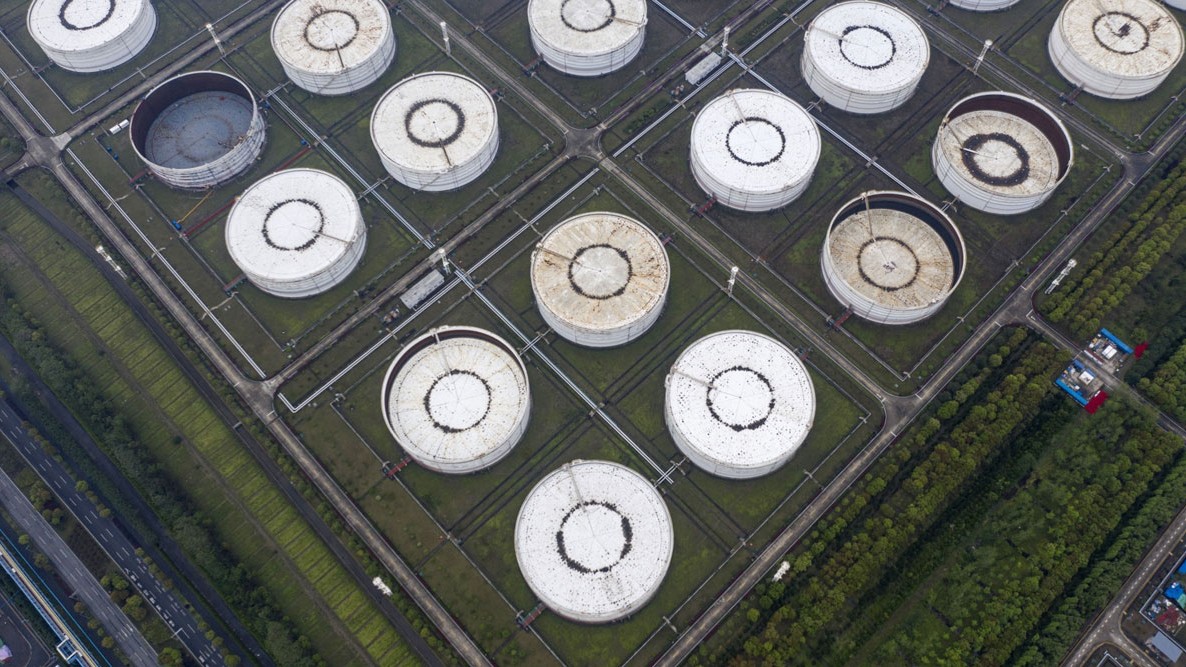
This crisis highlights a clear reality: Natural gas, long touted as a transition fuel on the path to carbon neutrality, is no cure-all. True, it emits less CO₂ than coal. But it remains a fossil fuel, subject to geopolitical shocks, supply interruptions and market volatility. When a major crisis strikes, gas offers no protection. When access to gas becomes uncertain, coal's appeal quickly resurfaces.