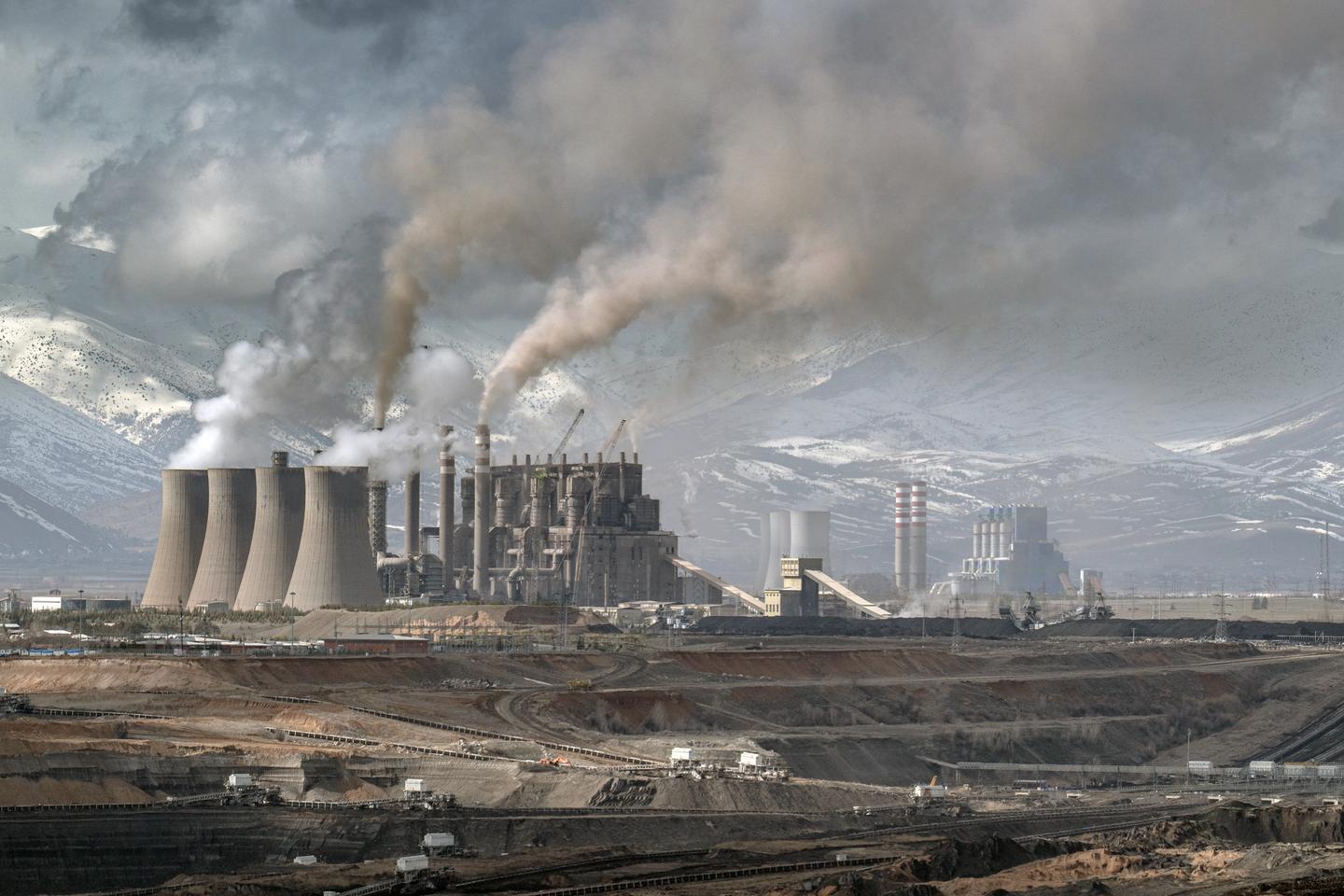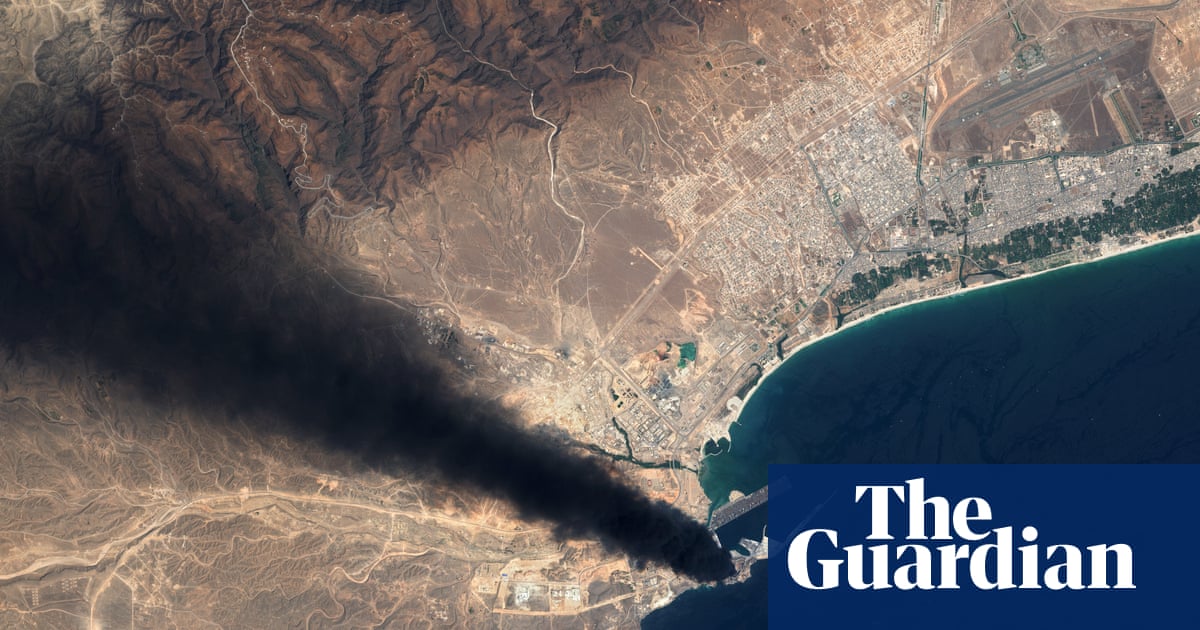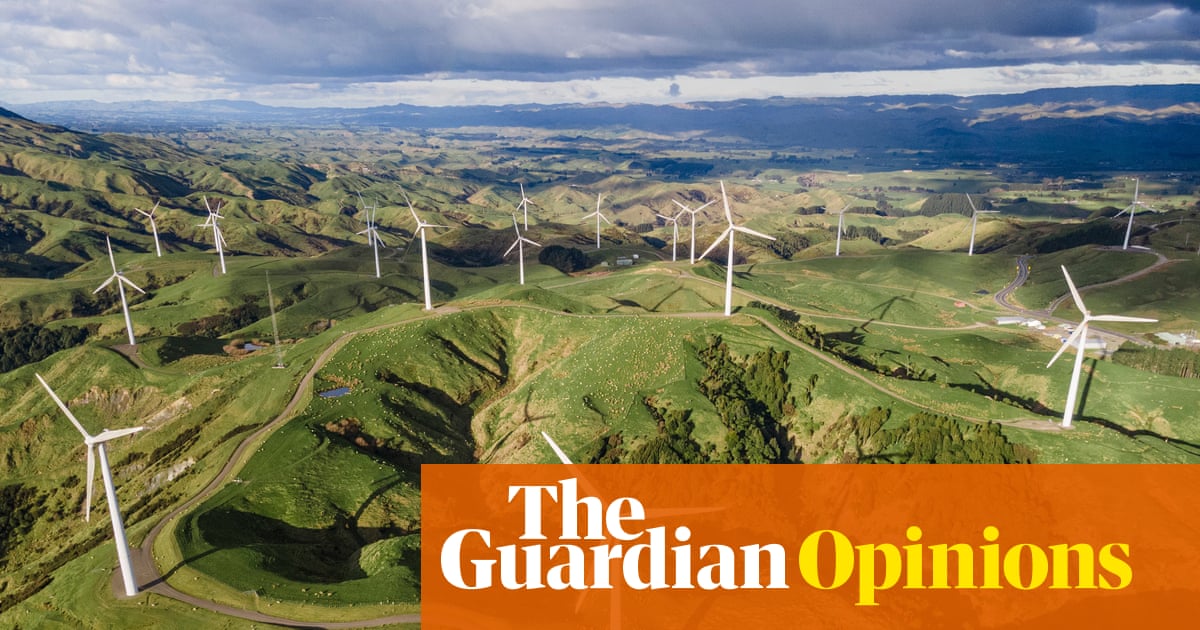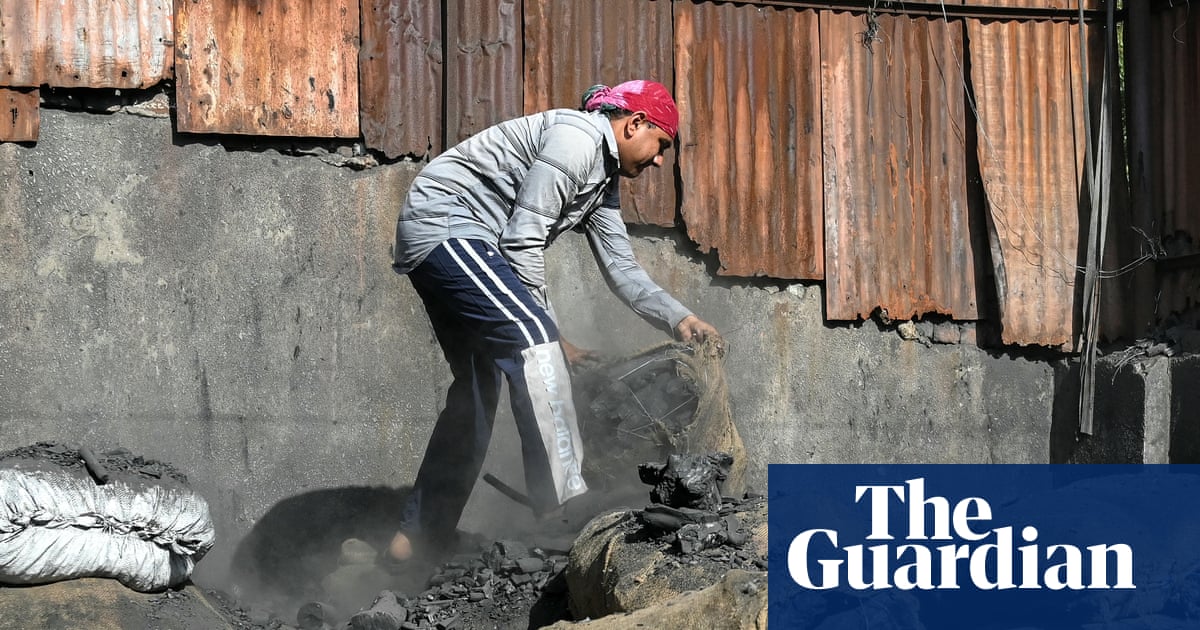
The energy crisis sparked by the war is making some countries consider ramping up their use of dirty fuels
Not two months in office, as the price of west Texas crude approached $14 a barrel, President Jimmy Carter donned a cardigan to speak candidly about his strategy to face the permanent energy shortage he saw in the nation’s future.
His “fireside chat” is mostly remembered for asking Americans to lower the thermostat to 65F in the daytime and 55F at night, an idea that didn’t go down too well in the bitter winter of 1977.
Environmentalists fondly recall his promise to research solar power and other renewable sources of energy. But the most consequential commitment Carter made that night, alluded to in subsequent speeches and furthered in his energy agenda, was to aggressively develop domestic sources of coal, what James Schlesinger, appointed by Carter to be the nation’s first energy secretary, called America’s “black hope”.
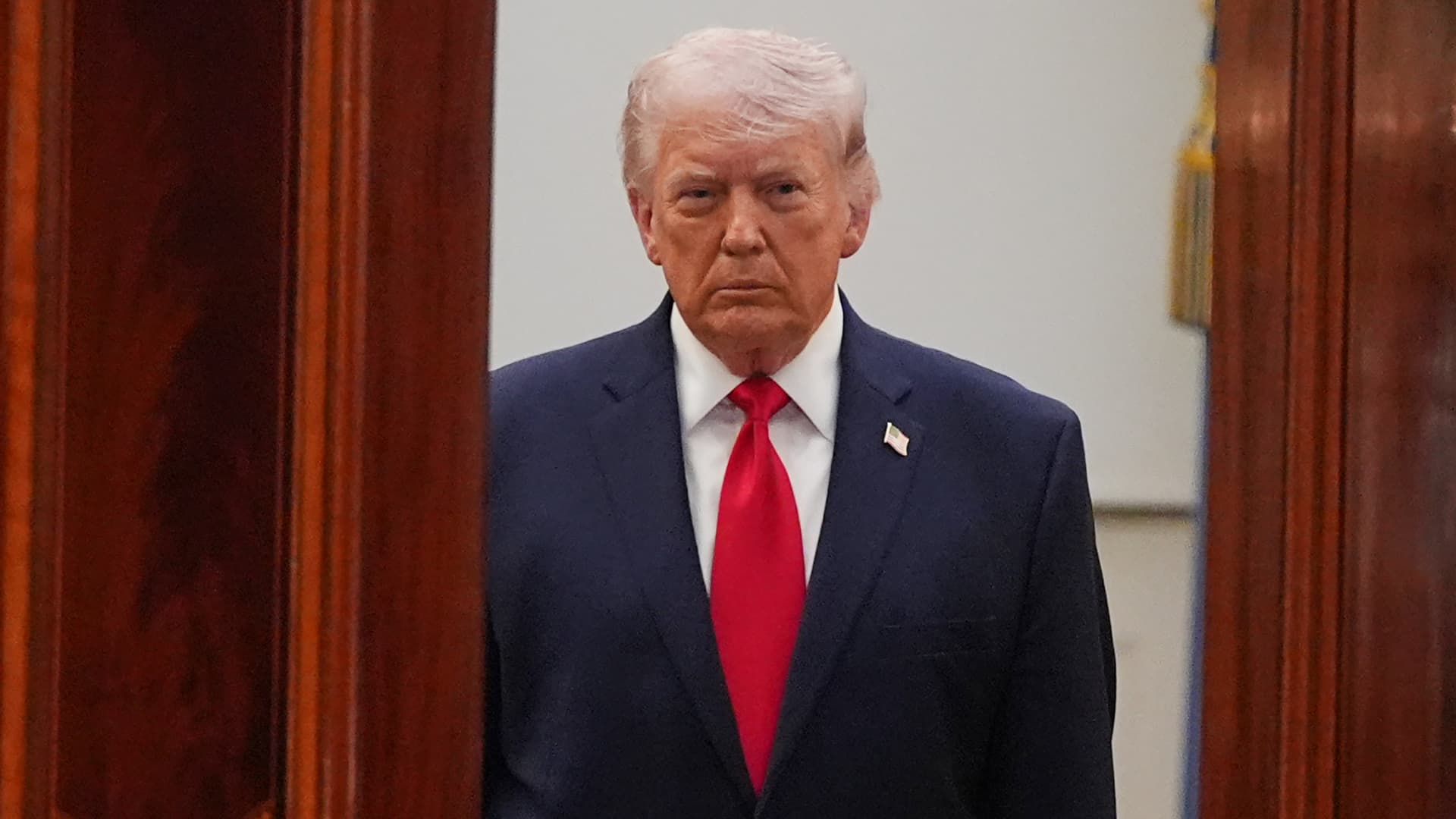
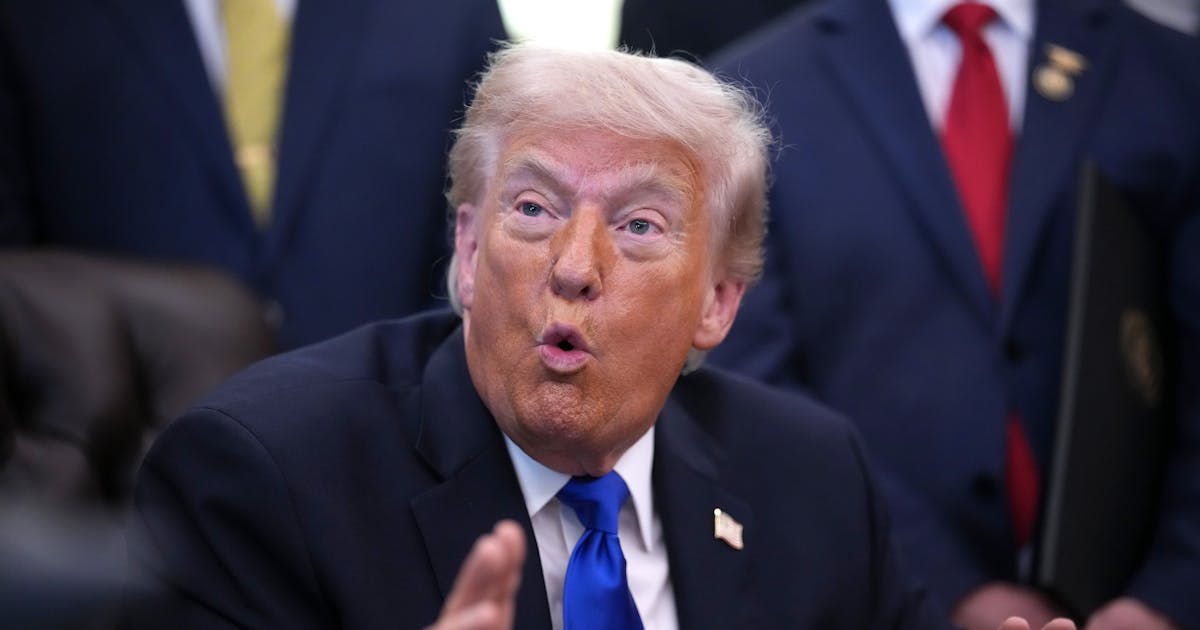
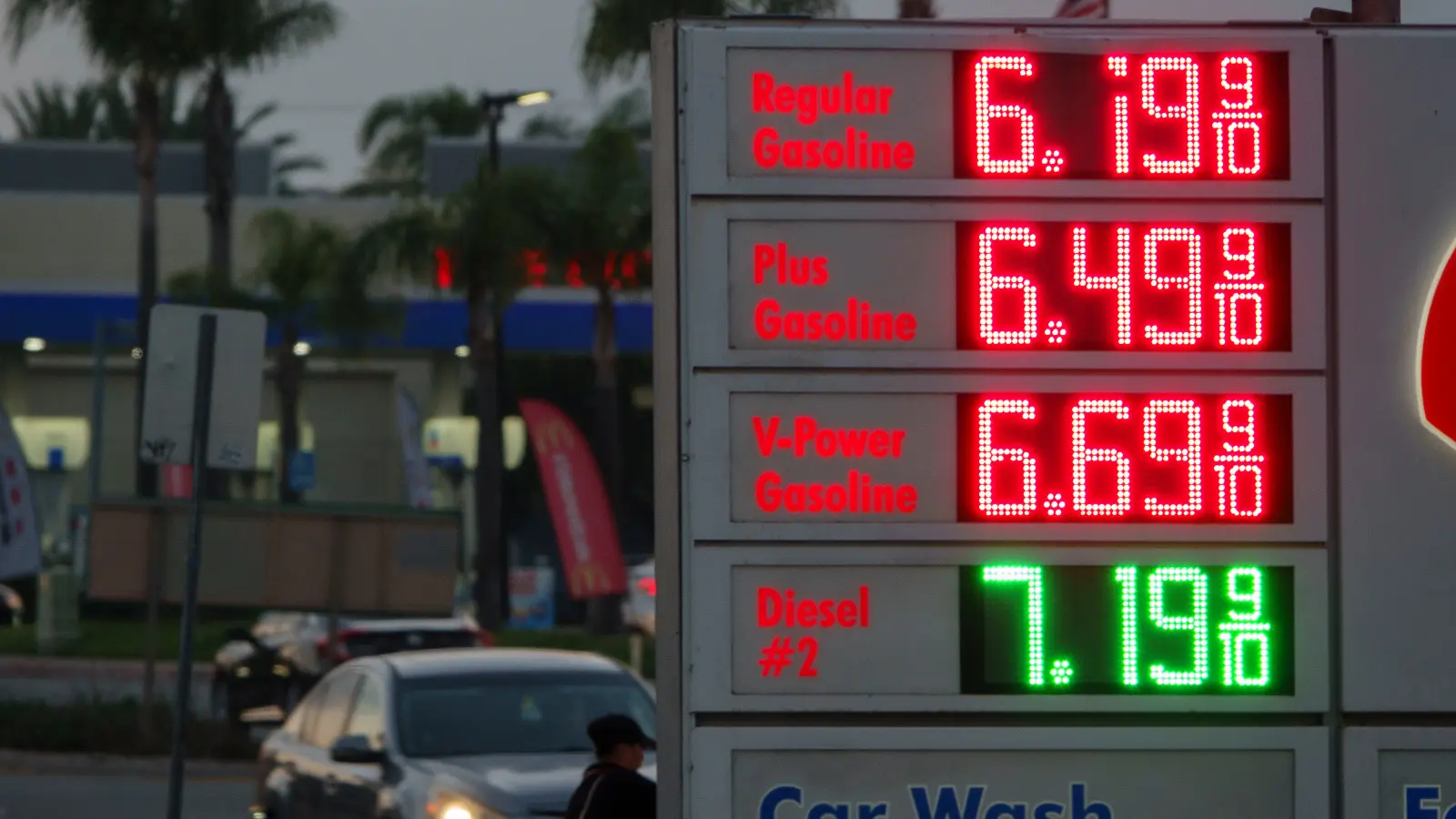
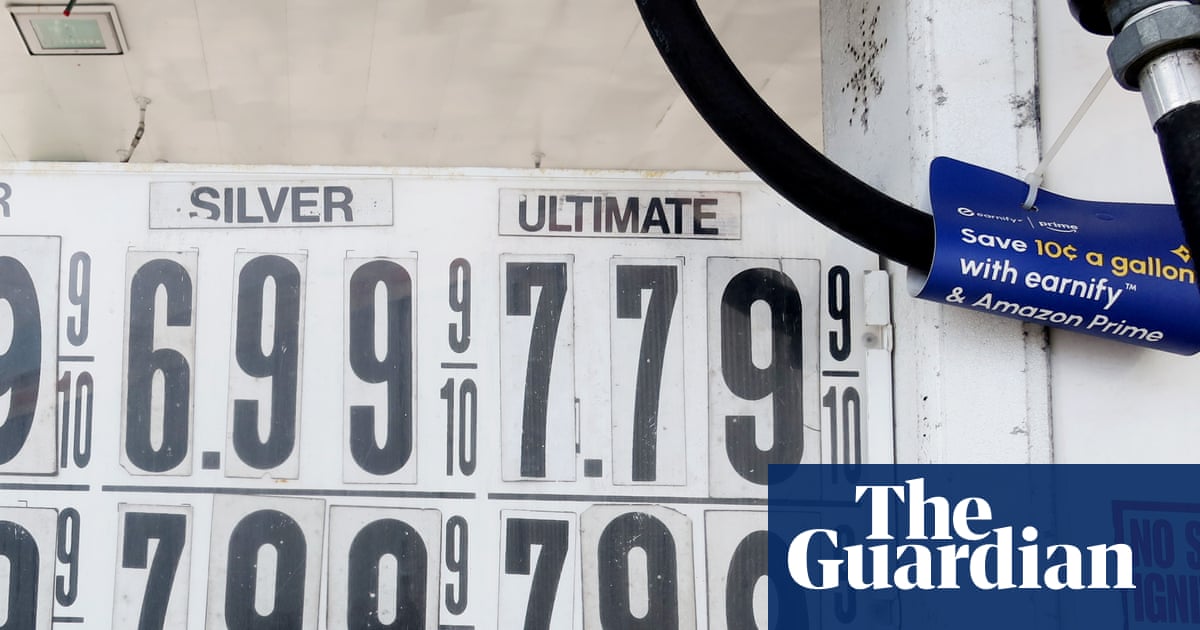
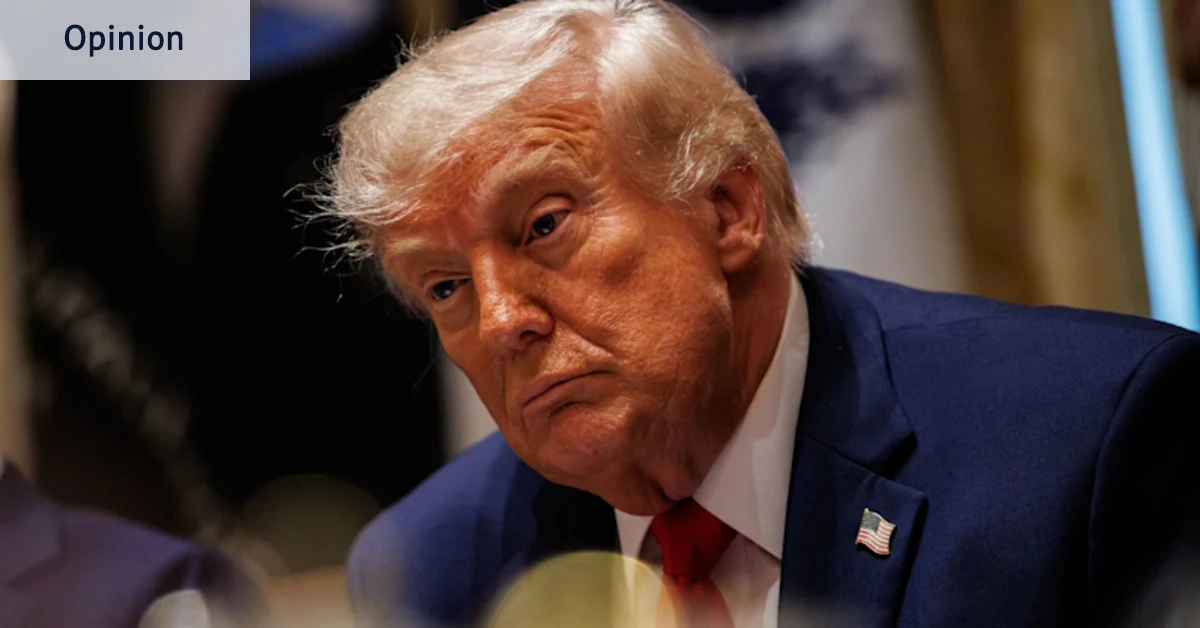
Donald Trump’s America is in a not-too-dissimilar quagmire. The price of gasoline is higher than it was in the winter of 1977, after inflation, by some accounts threatening to push inflation to its highest in three years. Though the US economy is much less reliant on energy than it was in the 1970s, fear of stagflation, the unholy mix of recession and high inflation, is in the air again.