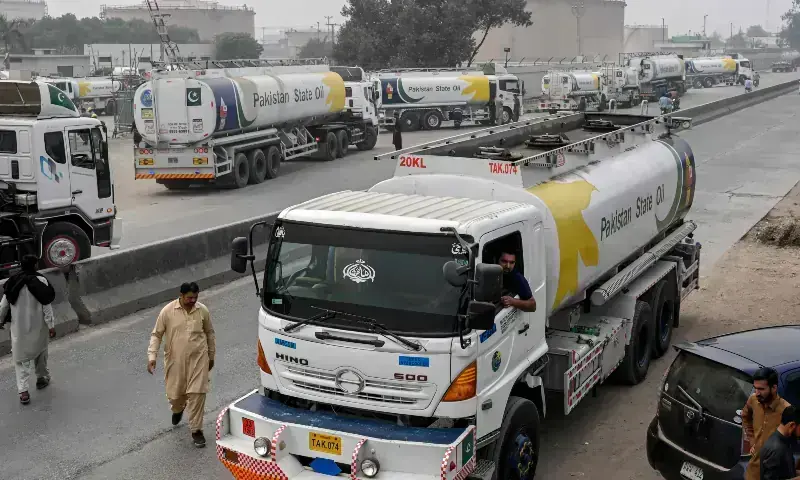
In past oil and gas supply crises, governments played the leading role in forging responses — from subsidies protecting consumers to grand plans aimed at reshaping the energy mix. In the current crisis, however, consumers are playing a stronger and more central role, reacting promptly to higher oil and gas prices with increased demand for low-carbon technology alternatives. Substantially lower costs for technologies like electric vehicles (EVs) and solar power have placed them at or near parity with fossil-fuel-based incumbents in many cases. As the world reels from its second energy crisis in four years, frustrated consumers are increasingly turning to these readily available options, early data and anecdotal evidence suggest. This, in turn, reflects a confluence of disruptive trends that were well advanced before the war and a broader shift to more decentralized energy systems under the transition. Data from March, the first full month of the Mideast conflict, combined with anecdotal evidence point to a surge in demand for low-carbon products in certain markets. Chinese exports of solar kit, EVs and lithium-ion batteries collectively hit $20.5 billion in March, up 43% month on month and 73% from March 2025, according to customs data — although this partly reflects a phaseout of export rebates. European energy suppliers such as Octopus Energy and E.On UK reported jumps in demand for solar panels, which Octopus said was a sign of customers "looking to future-proof their homes amidst rising energy costs." March EV sales also jumped in various markets. In Europe, top markets Germany and France saw substantial increases in volume and percentage terms. Consultancy Benchmark Mineral Intelligence estimates that worldwide EV sales in March grew 66% month on month but a more modest growth of 3% year on year. Growth in previous months had been capped by lackluster performance in North America and a drop-off in Chinese first-quarter sales. Certain markets in Asia-Pacific saw dramatic increases.
Consumers Lead Low-Carbon Response to Energy Crisis
The latest energy shock is giving a lift to adoption of core technologies, building on longer-term trends of cost reduction and technological progress.
315 words~1 min read