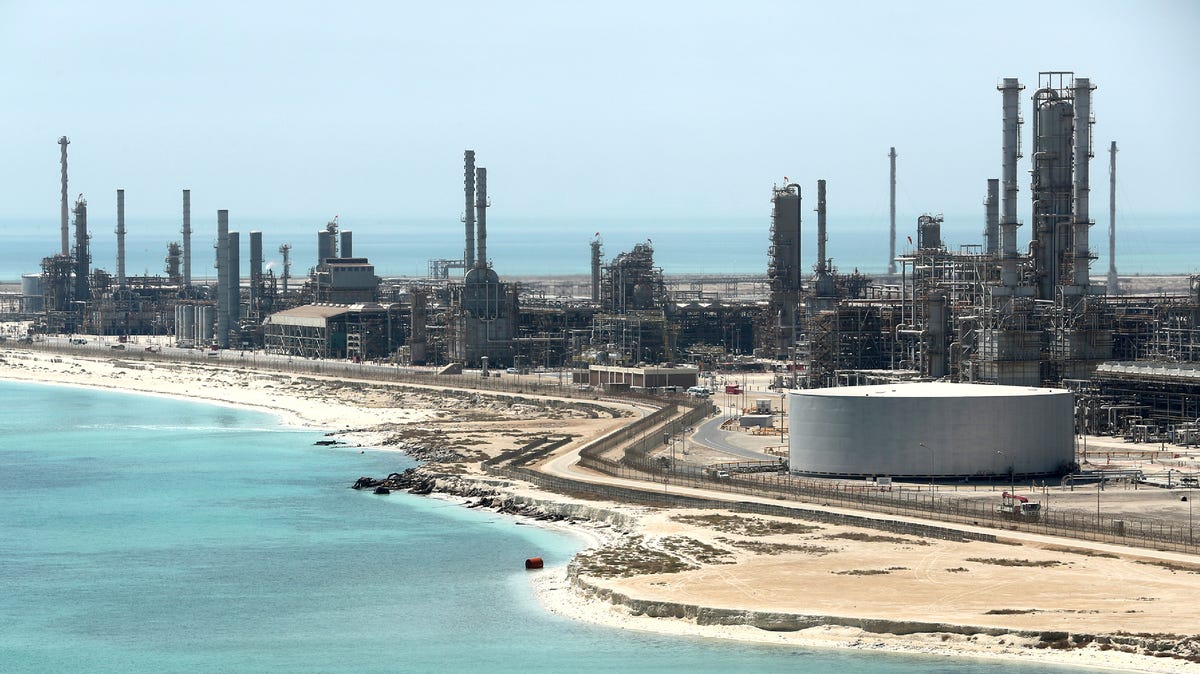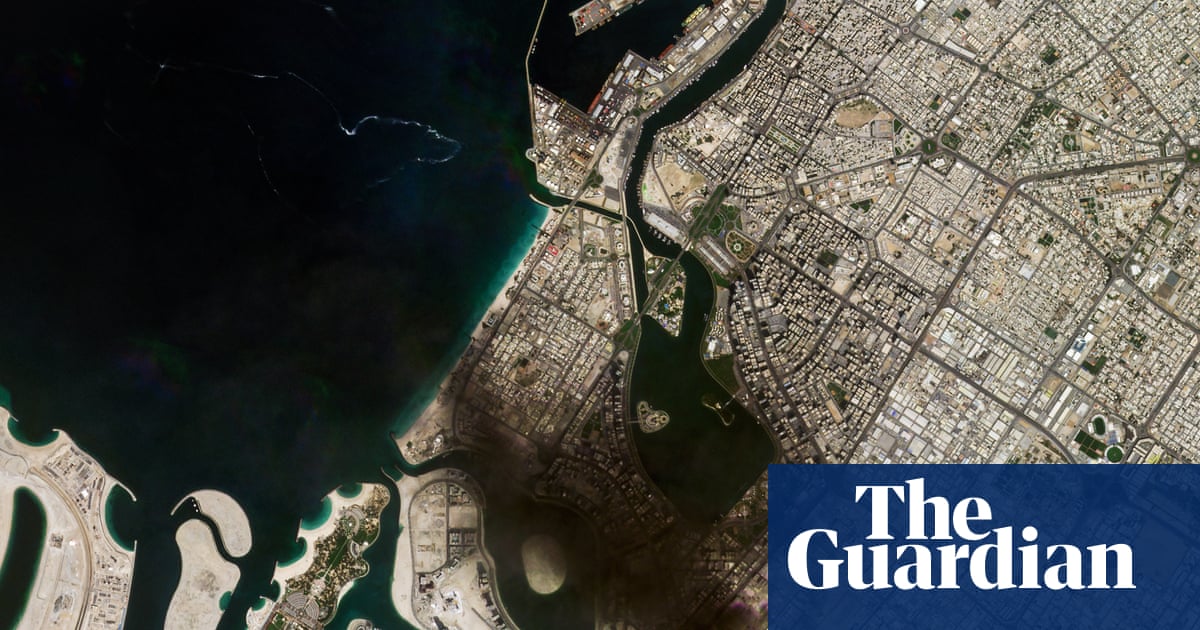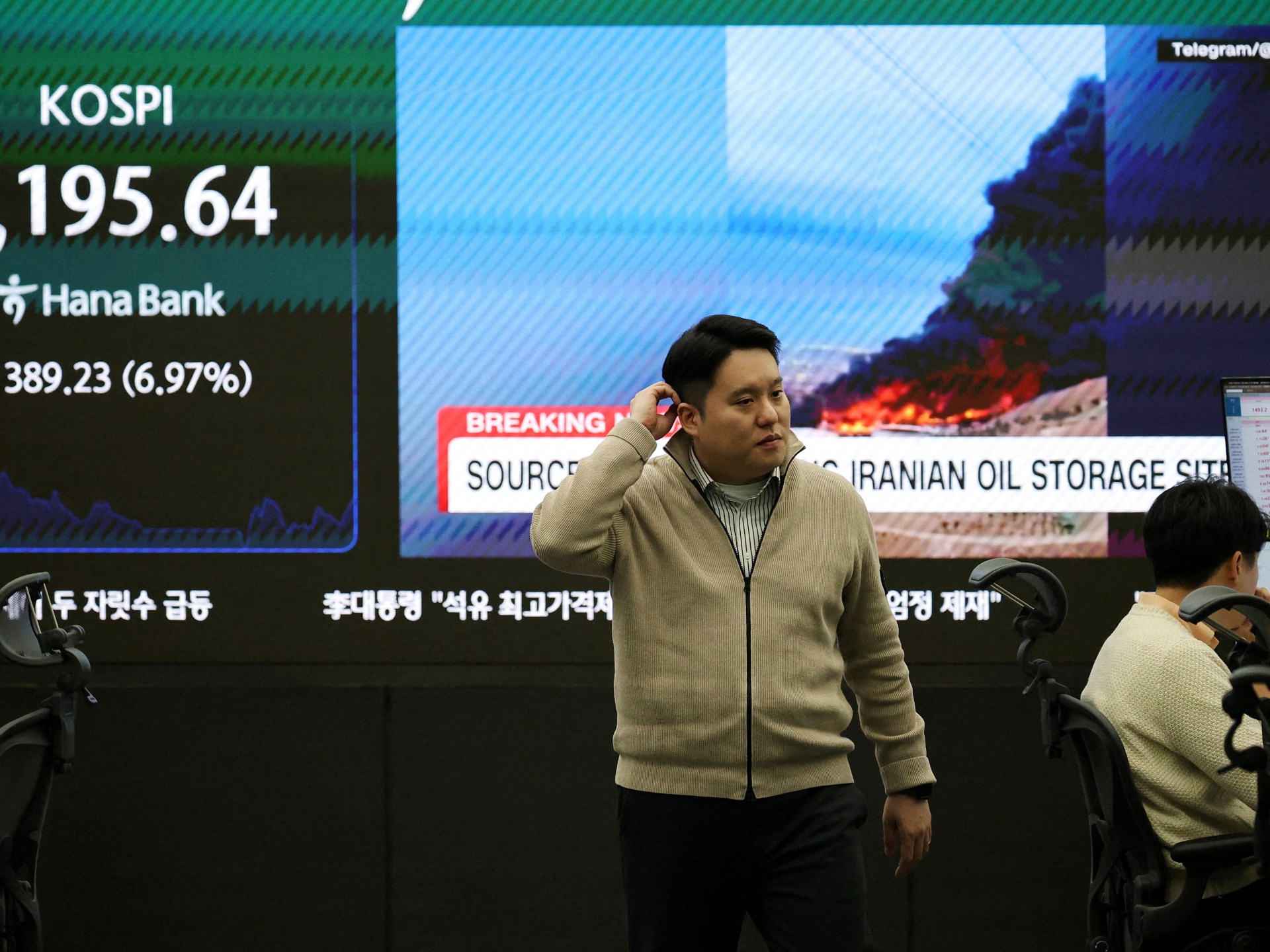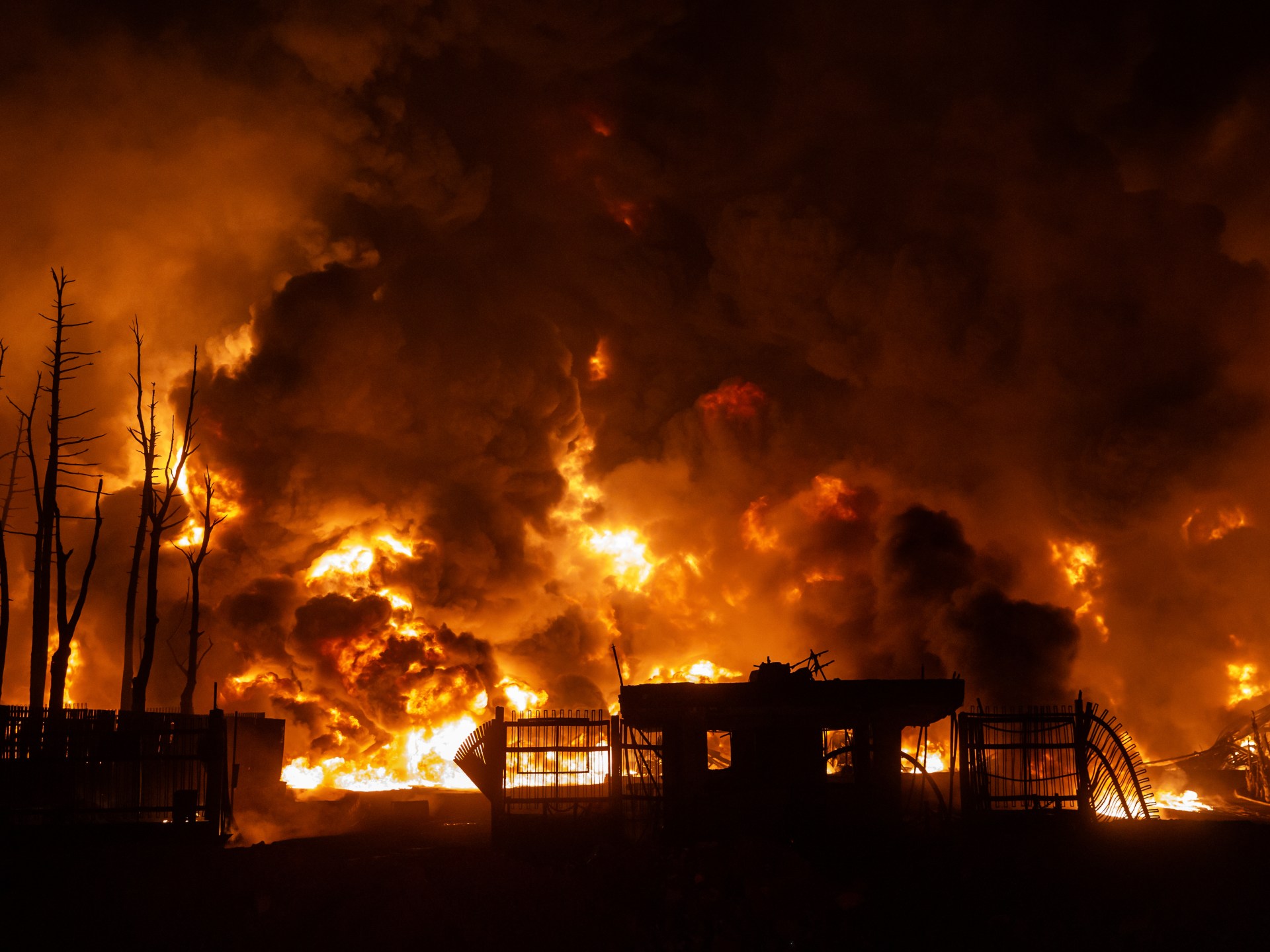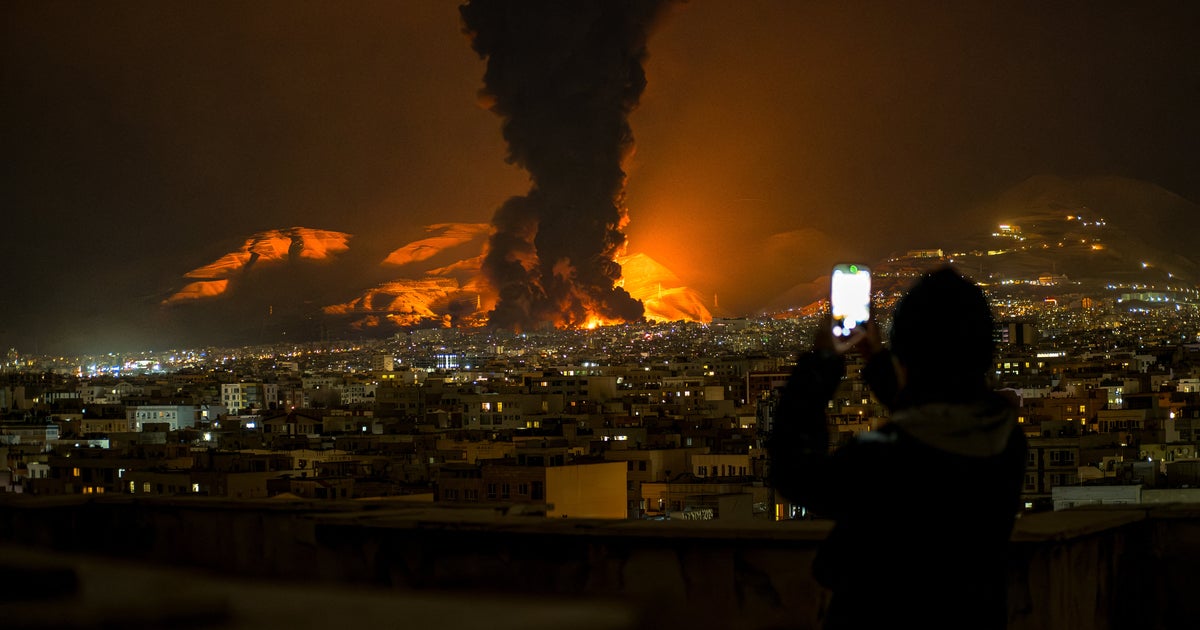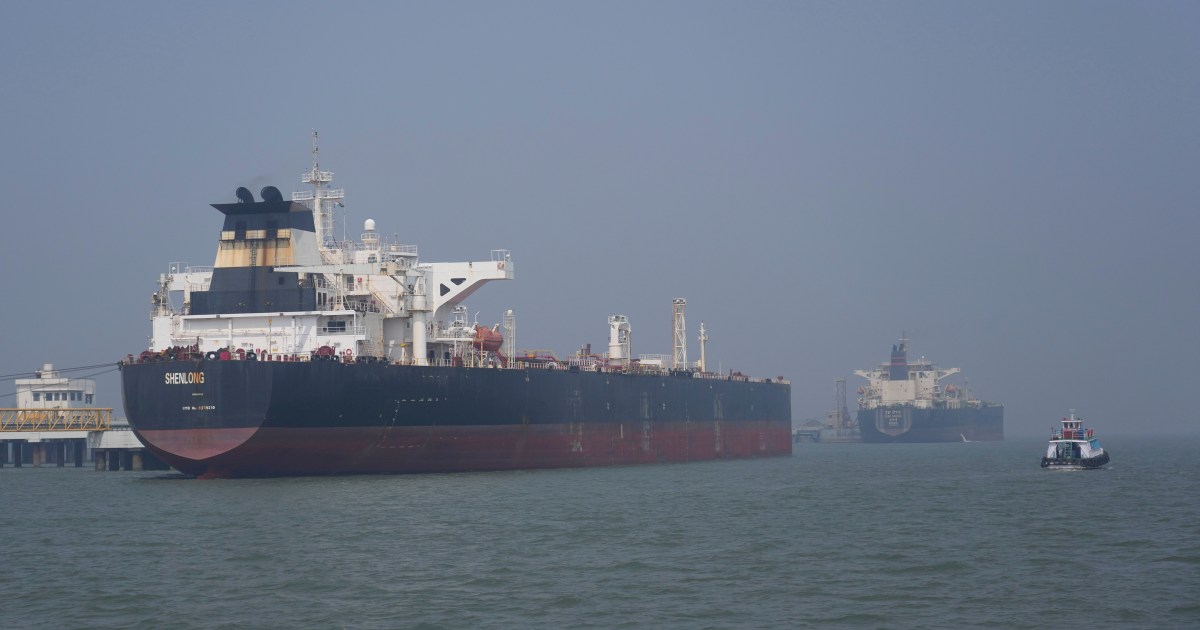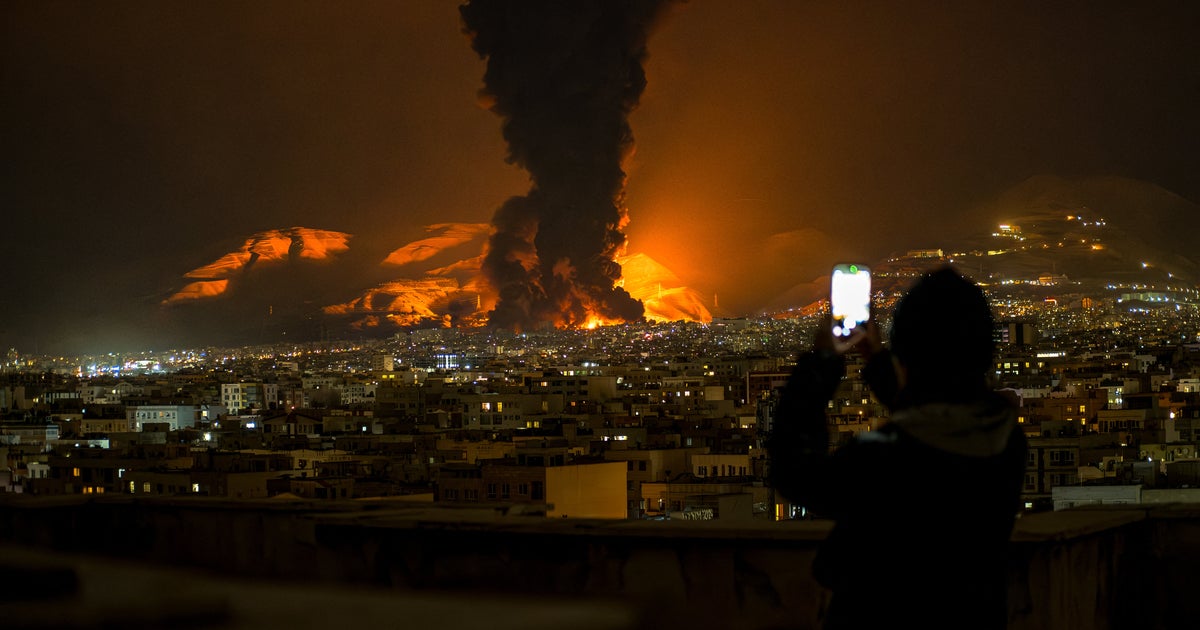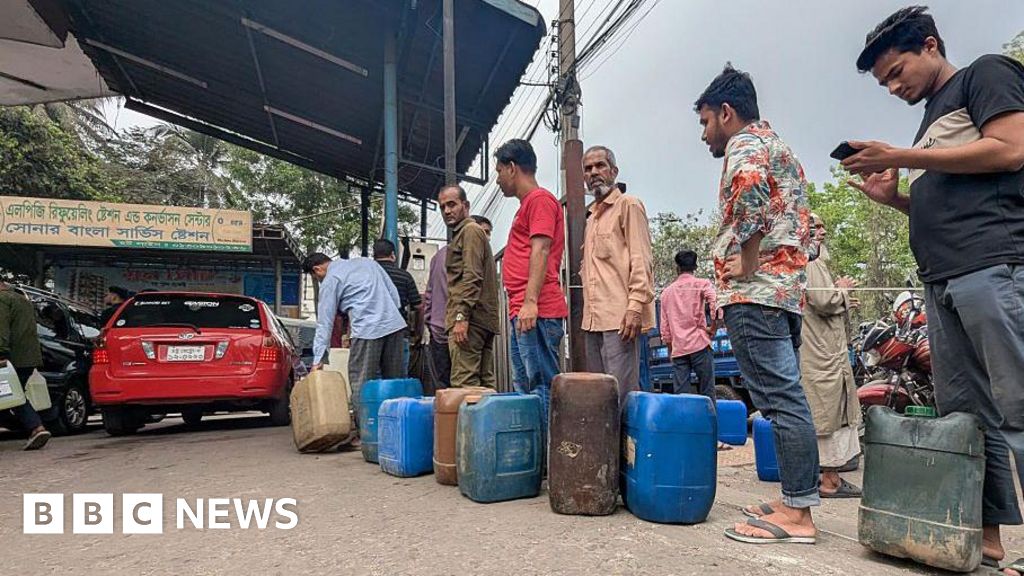
The US-Israel war with Iran has made startlingly clear how much the world relies on energy from the Gulf region.
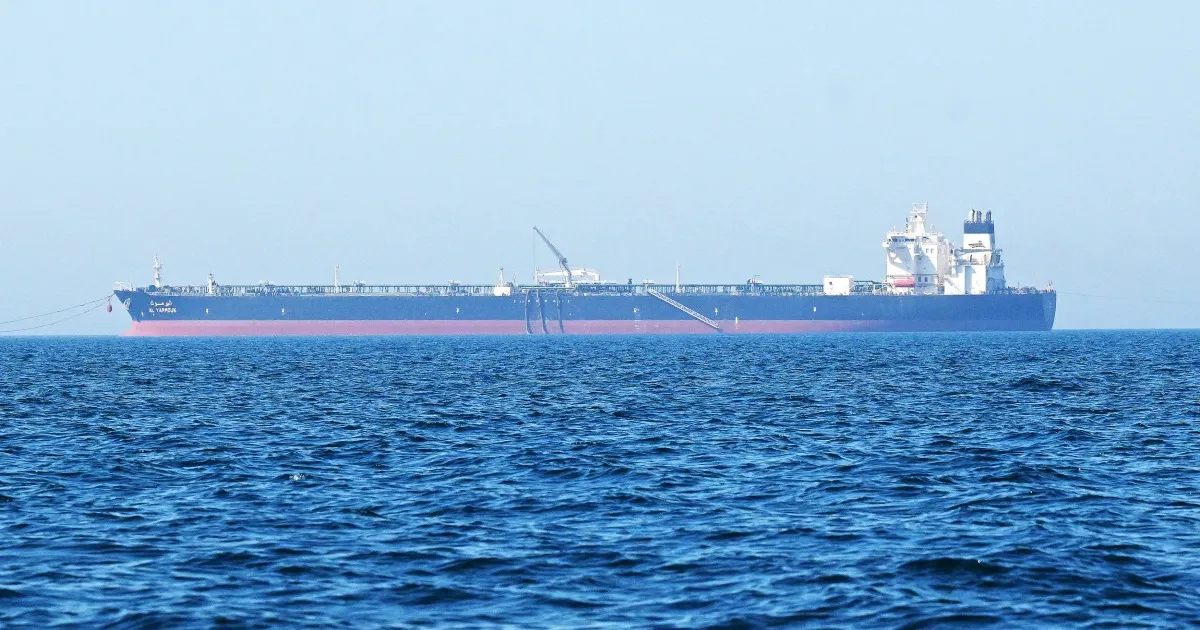
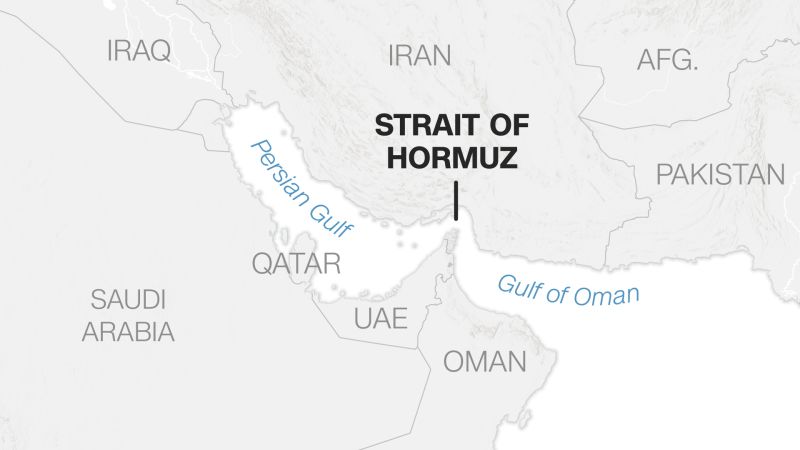
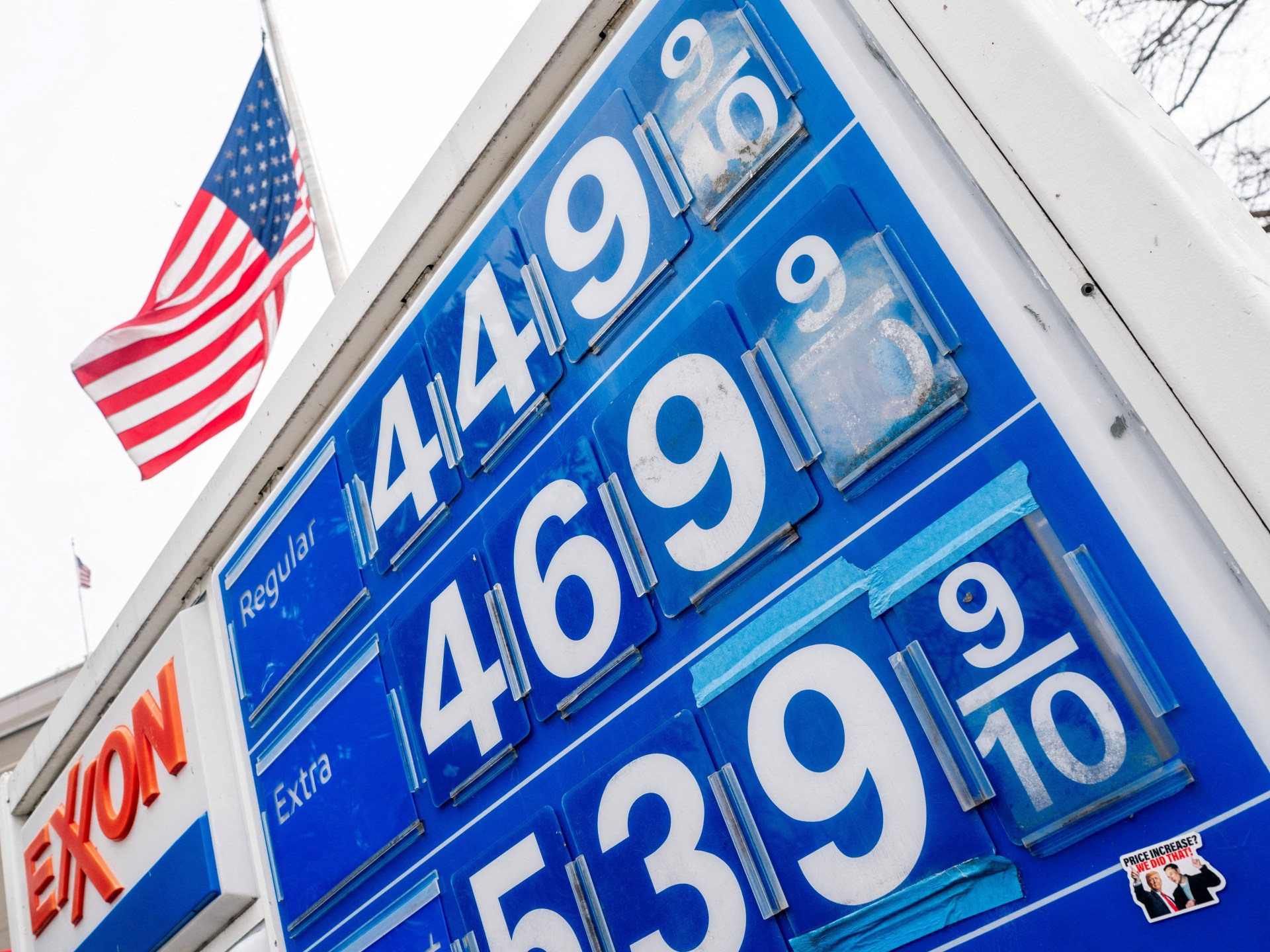
Since the conflict began, the price of oil has soared and is currently trading at over a third higher at $100 a barrel, pushed up by air strikes on shipping and energy infrastructure, and the effective closure of the Strait of Hormuz, a vital waterway for energy shipments, which carries a fifth of global oil supplies.
Nowhere is feeling the effects of the current energy crisis quite like Asia. Last year, nearly 90% of all the oil and gas that passed through the Strait of Hormuz was bound for the region.
Ordinary people rely on it to heat their homes, fuel their vehicles and generate electricity. Businesses need it to power the region's vast manufacturing base.
South East Asia, in particular, is highly exposed to the blockage in the Persian Gulf. Even countries that produce oil themselves, such as Malaysia and Indonesia, have gradually started producing less and importing more over the past decade.