https://arab.news/n4je8
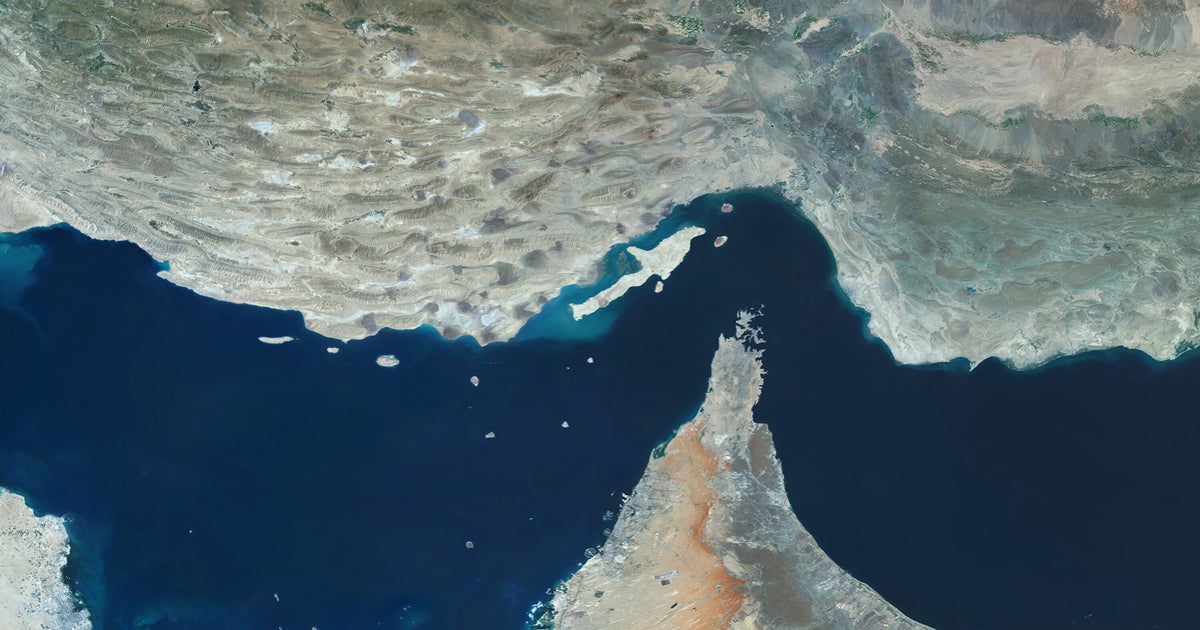
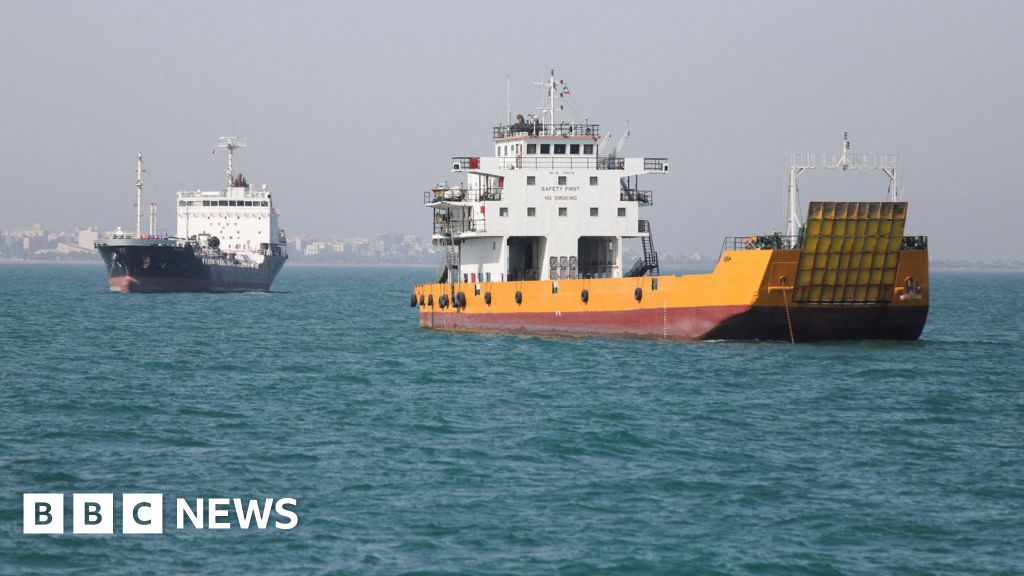
The past month has tested the Middle East to breaking point. Following US-Israeli strikes on Iranian targets at the end of February, Tehran attacked Gulf infrastructure and disrupted shipping in the Strait of Hormuz. Oil prices have surged, global supply chains are strained, and households are feeling the squeeze at the petrol pump and on their energy bills.
In such circumstances, the case for urgent de-escalation is overwhelming. Yet de-escalation must never mean disengagement.
Britain’s interests, our allies’ security and the stability of the global economy demand a calibrated response that defends partners without being drawn into open war.
UK Prime Minister Keir Starmer’s decision not to commit British forces to direct offensive operations against Iran was not hesitation, but statecraft. The Labour government has acted with speed and purpose, deploying an additional Typhoon aircraft, helicopters and an air defense battery to protect Gulf partners in Bahrain, Kuwait, and Saudi Arabia. Royal Navy assets have been positioned to try to keep the strait open. UK Foreign Secretary Yvette Cooper has visited the region, the Cobra emergency committee has met repeatedly to manage the domestic cost-of-living fallout, and the Ministry of Defense has convened urgent roundtables to accelerate the supply of counter-drone systems and integrated air defenses.