The ceasefire in the Gulf is four weeks old and showing its age. The US and Iran's determination to keep the pressure on each other has put it in serious jeopardy. This is a dangerous moment.
The ceasefire opened up a chance for diplomacy that looked for a short time as if it might make progress. Americans and Iranians faced each across a conference table in Pakistan's capital, Islamabad, but came away empty-handed.
The Pakistanis are trying to revive the process, without much success so far. Both America and Iran want to have a deal. But they have different deals in mind and are sticking to their red lines. Until one or the other, or preferably both, decide to offer concessions, renewed full-scale hostilities remain an incident away.
More than ever there is a strong risk of misperception and miscalculation of intentions and consequences. Both are classic ways in which crises slip out of control and wars escalate.
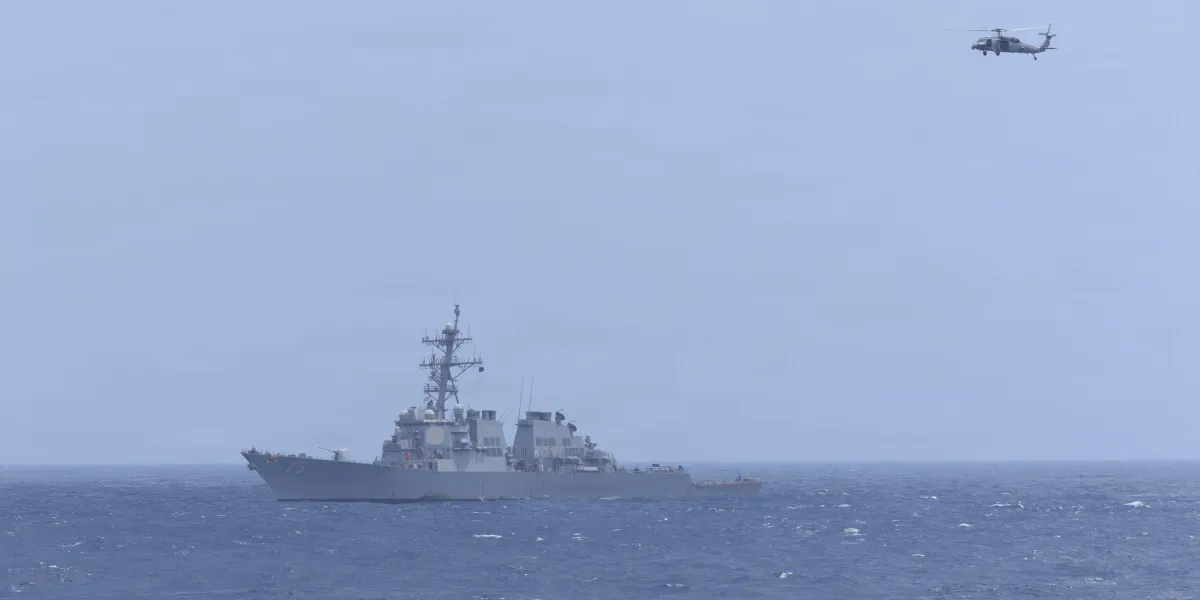
America's decision to escort two ships through the Strait of Hormuz was always going to produce a reaction from Iran. This week's urgent question is whether it ends there or whether more action and reaction power a slide back into all-out war.