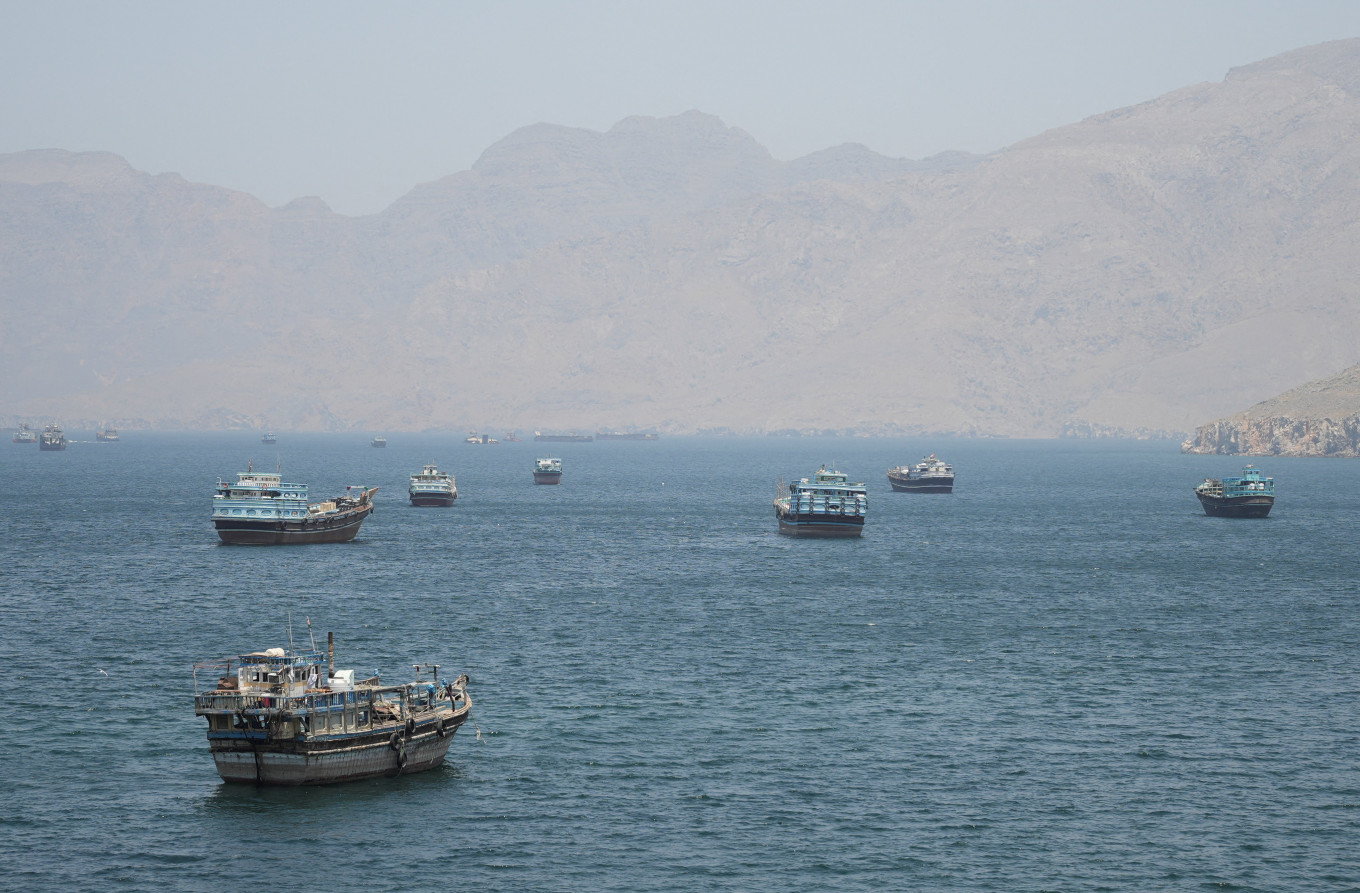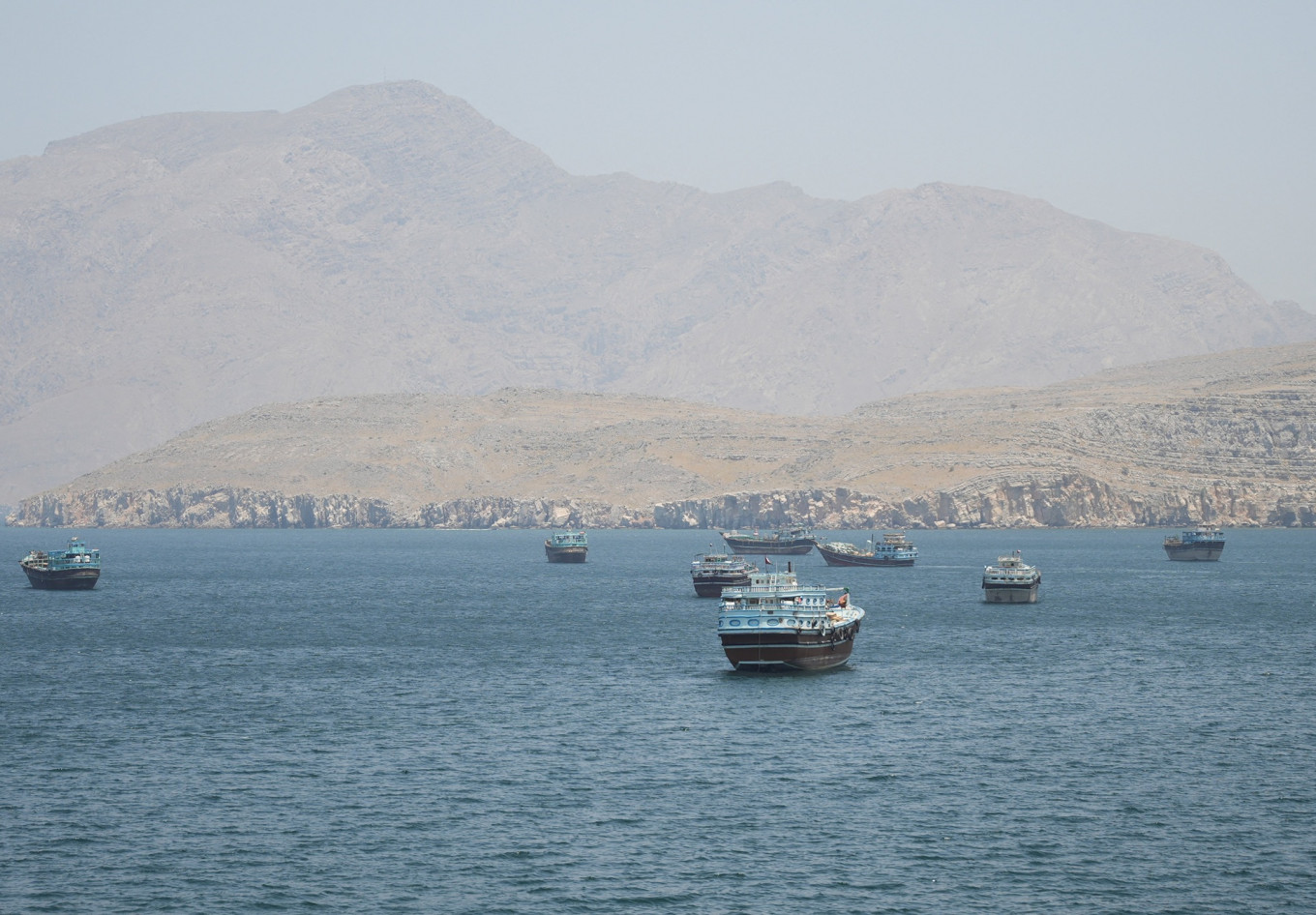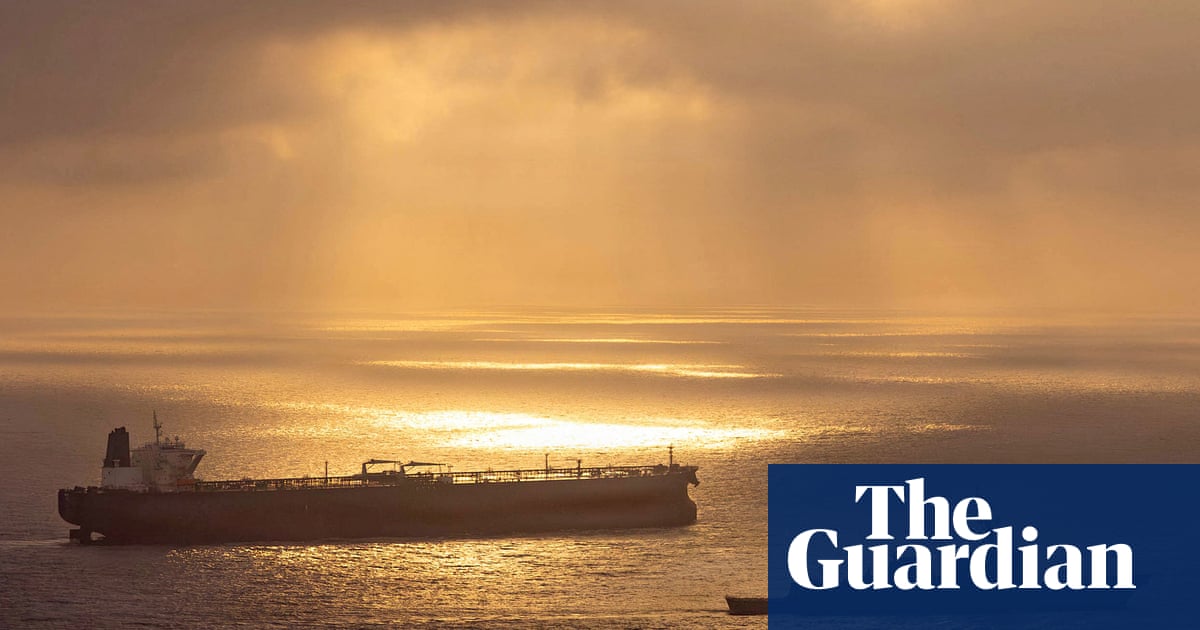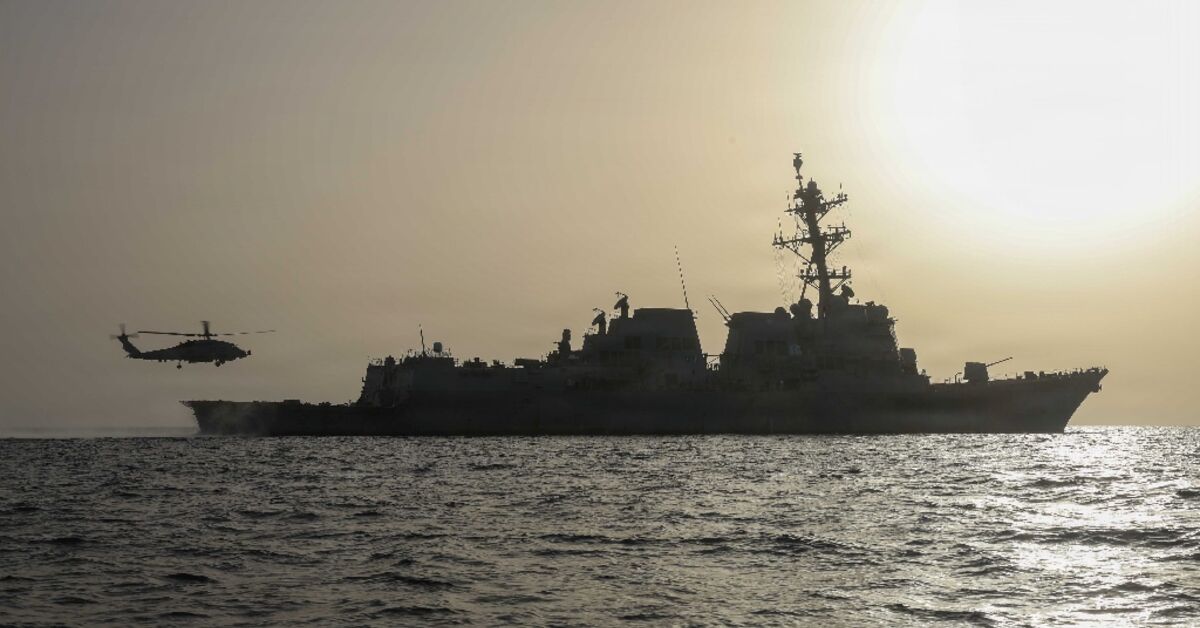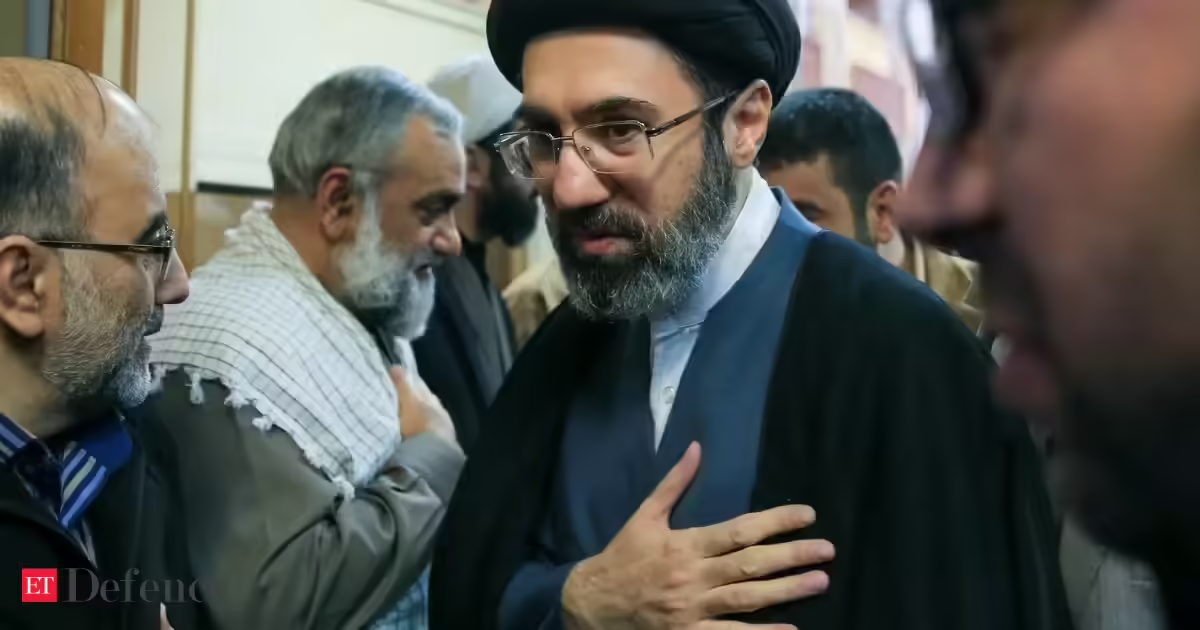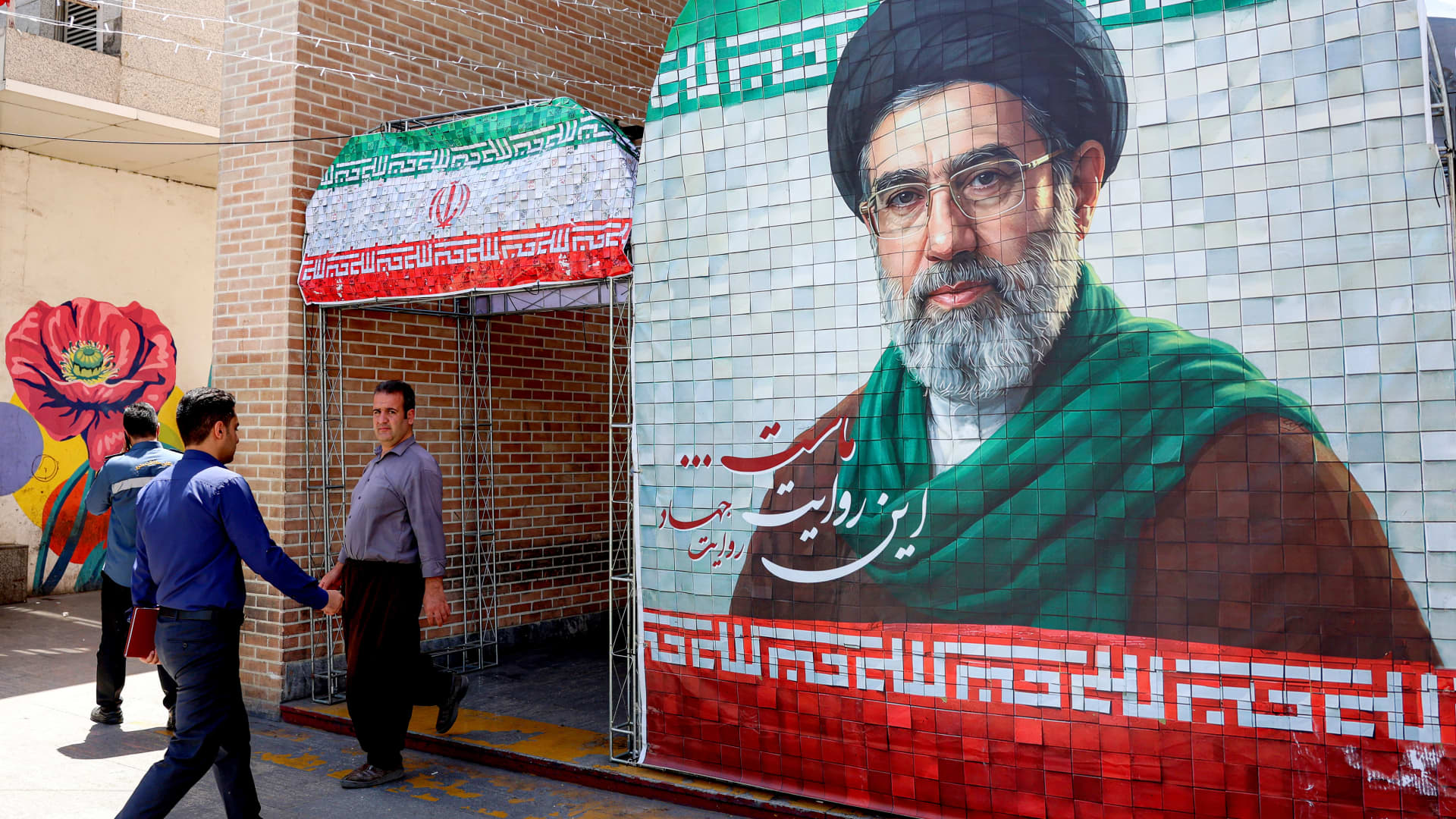
A state of relative calm prevailed around the Strait of Hormuz on Saturday, after days of sporadic flare-ups, as the United States waited for Iran’s response to its latest proposals to end more than two months of fighting and begin peace talks.
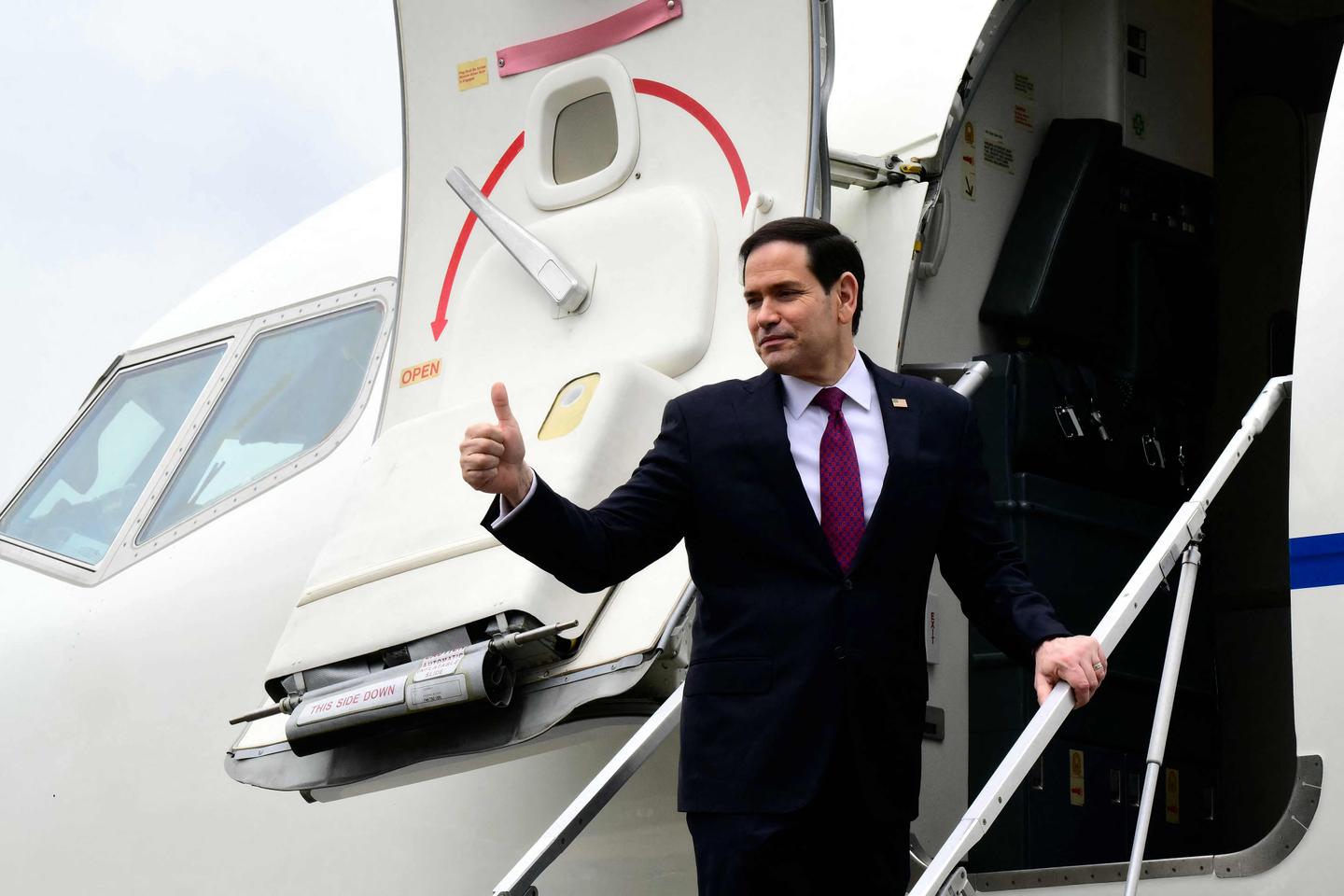
U.S. Secretary of State Marco Rubio said on Friday that Washington expected a response within hours. But a day later, there was no sign of movement from Tehran on the proposal, which would formally end the war before talks on more contentious issues, including Iran’s nuclear program.
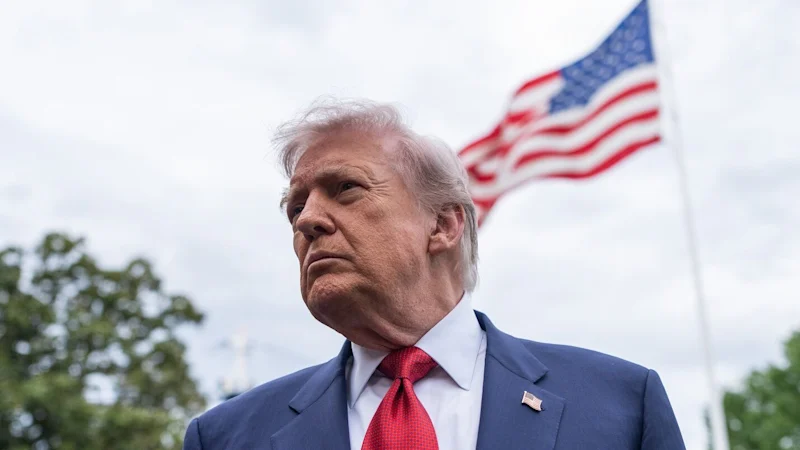
With U.S. President Donald Trump due to begin a long-awaited visit to China next week, there has been mounting pressure to draw a line under the conflict, which has thrown energy markets into turmoil and posed a growing threat to the world economy.
Recent days have seen the biggest flare-ups in fighting in and around the Strait of Hormuz since a ceasefire began a month ago, and the United Arab Emirates came under renewed attack on Friday.
On Friday, there were sporadic clashes between Iranian forces and U.S. vessels in the strait, Iran’s semi-official Fars news agency reported. The Tasnim news agency later cited an Iranian military source saying the situation had calmed but warning more clashes were possible.