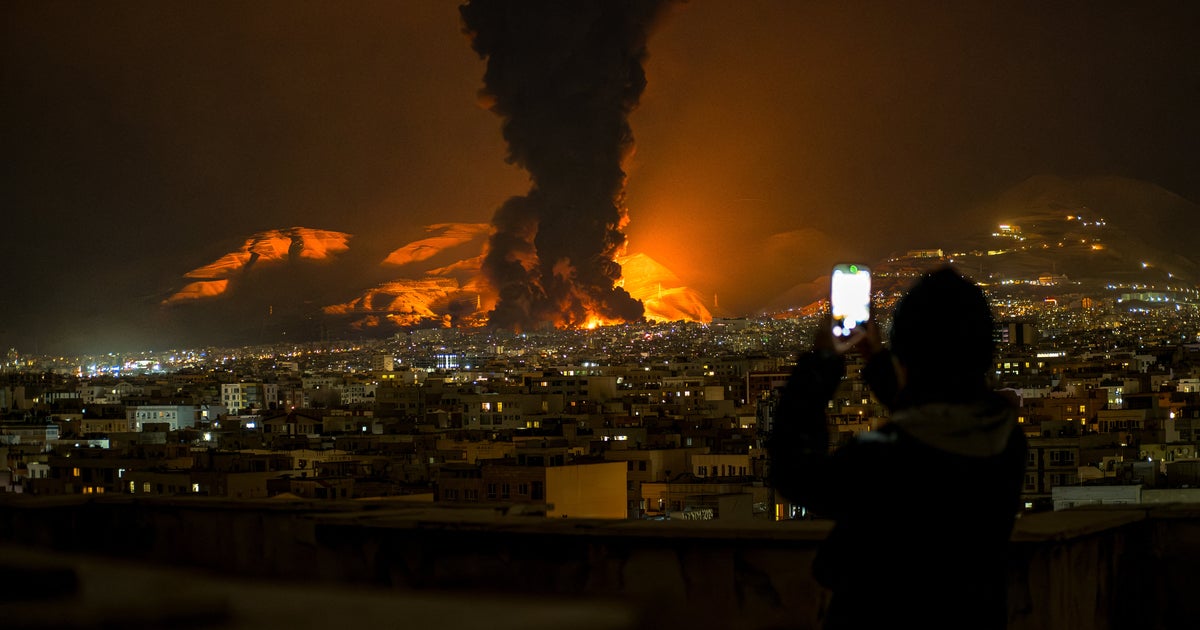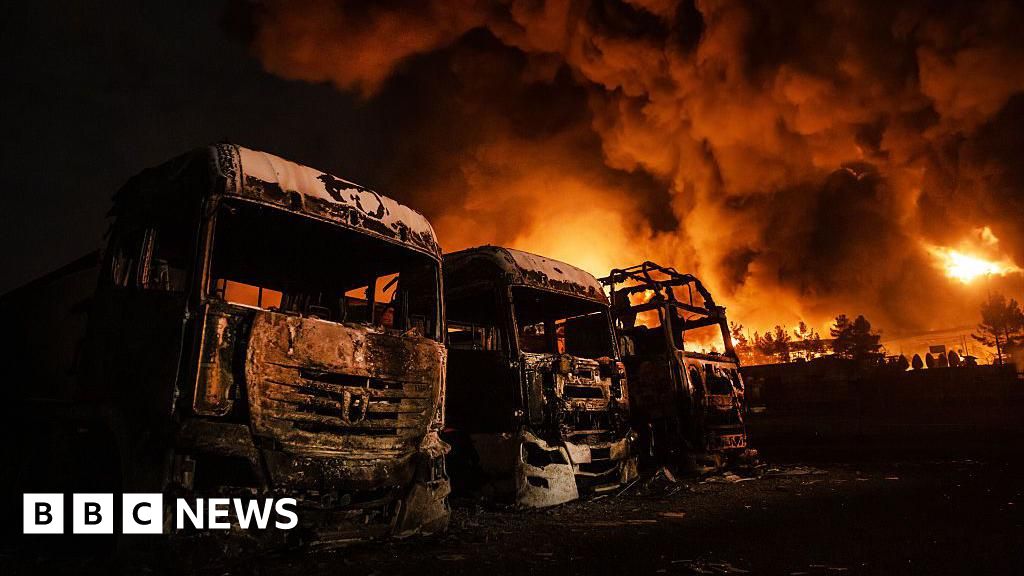
RIYADH: Oil prices climbed above $100 a barrel on March 9 for the first time since 2022 as conflict between the US-Israel alliance and Iran continued, but analysts believe more shocks could be on the way.
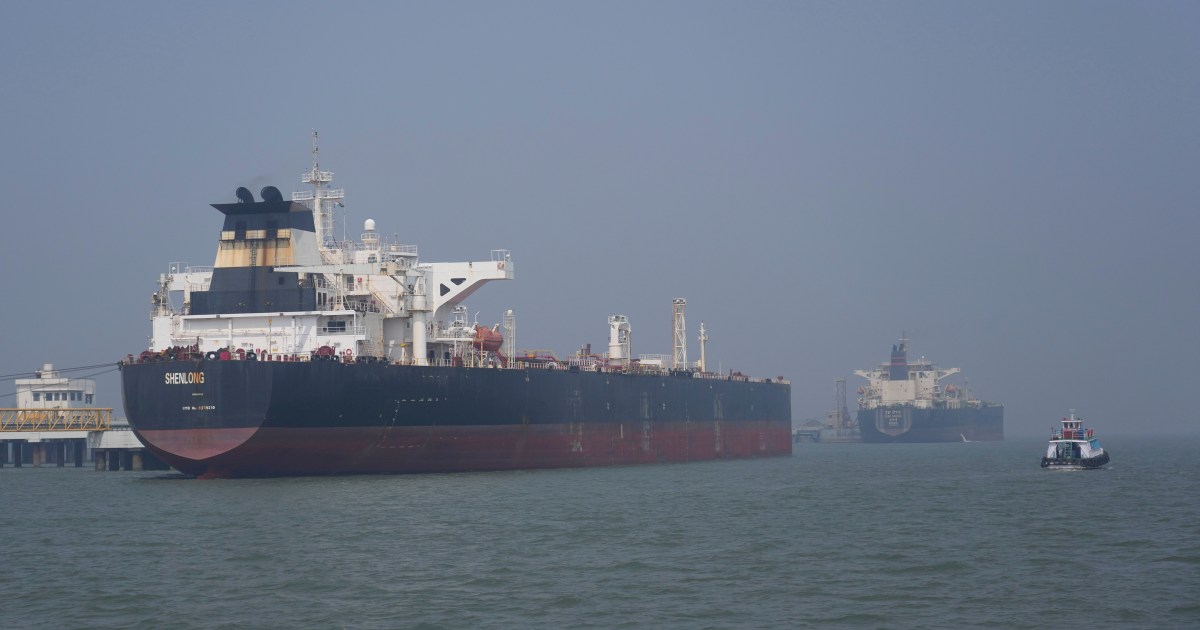
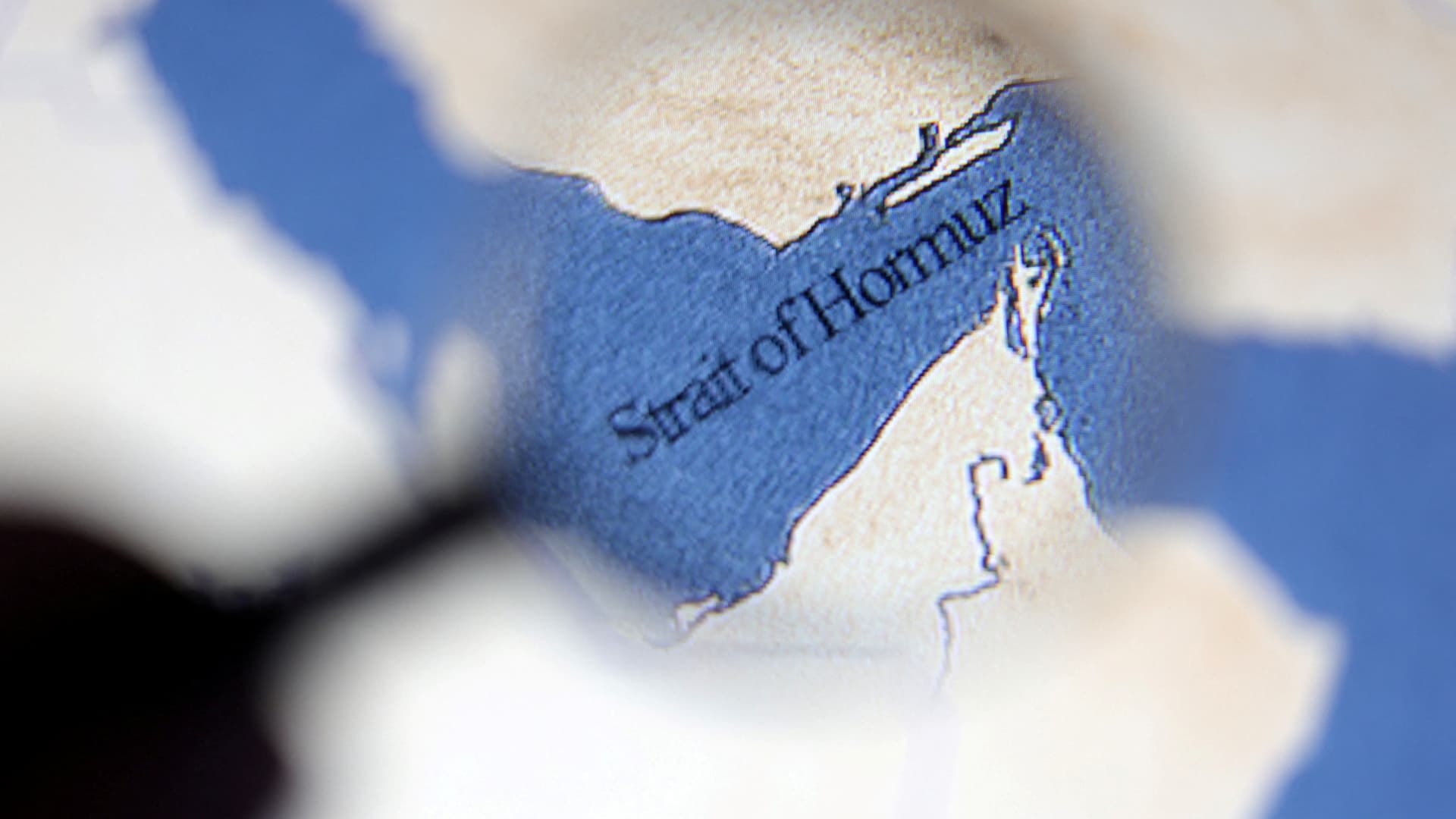
The immediate concern for oil markets is no longer only the initial price shock, but how long supply and storage buffers can absorb a prolonged disruption to flows through Hormuz, a chokepoint that handles a large share of Gulf crude and liquefied natural gas exports.
A further escalation around Iran’s Kharg Island export hub could deepen the shock. JPMorgan described the location as the backbone of Iran’s crude export system, handling about 90 percent of the country’s shipments and serving as the main outlet for pipelines from its largest producing fields.
In that scenario, regional supply disruptions could deepen significantly, with an additional 1 million to 1.5 million barrels per day of losses potentially pushing total outages to at least 5 million barrels per day, or more than 8 million barrels per day including refined products.
“Oil markets have entered panic mode,” said Norbert Rucker, head of economics at Julius Baer. “Prices surged into the triple digits as the Iran war raises stress levels,” he added.