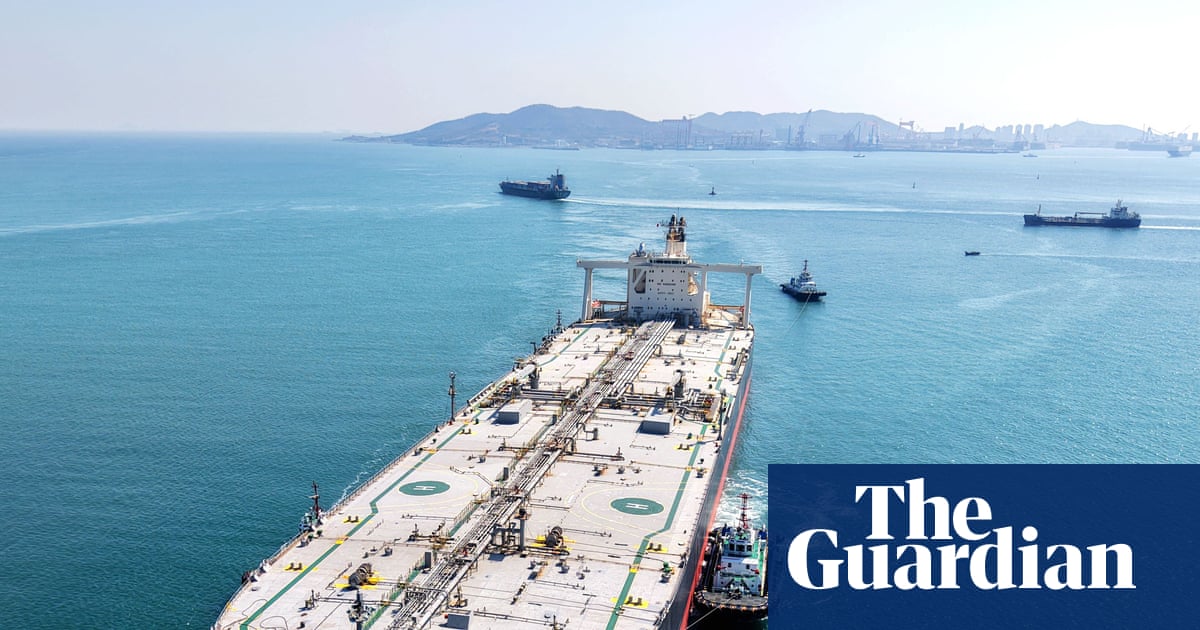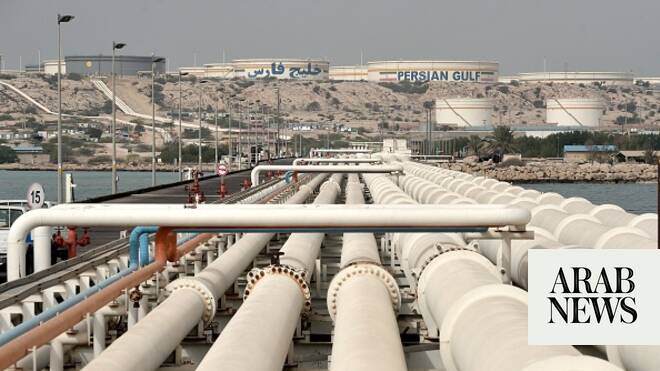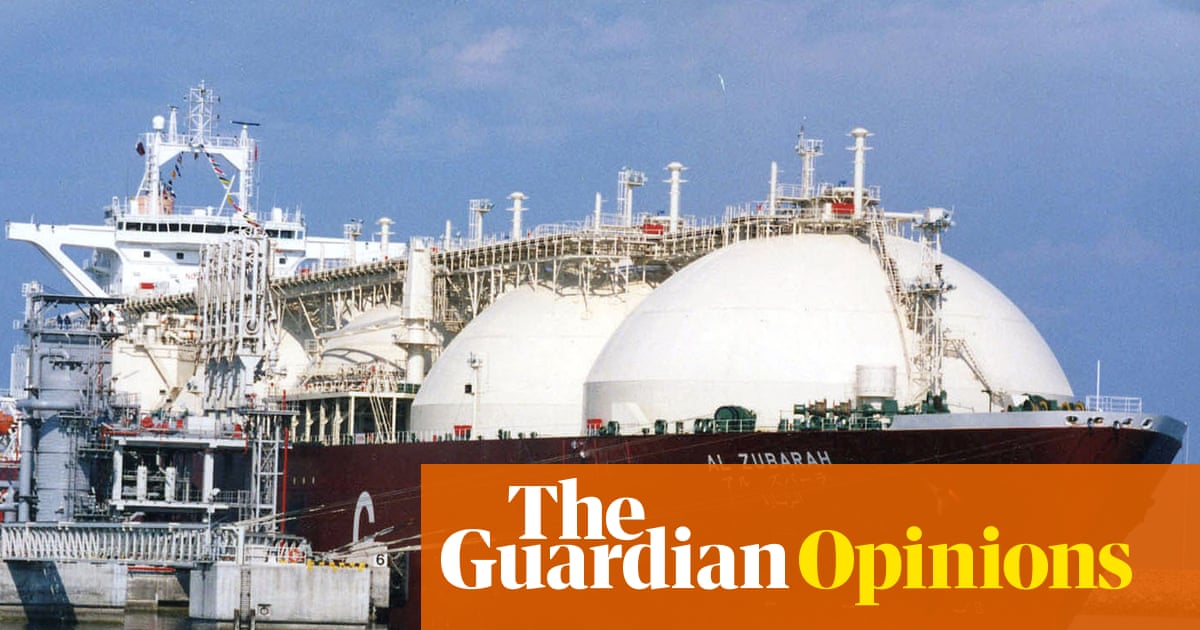
Up until late on Thursday the rise in global oil markets appeared to be more of an unfortunate bump than imminent oil shock.
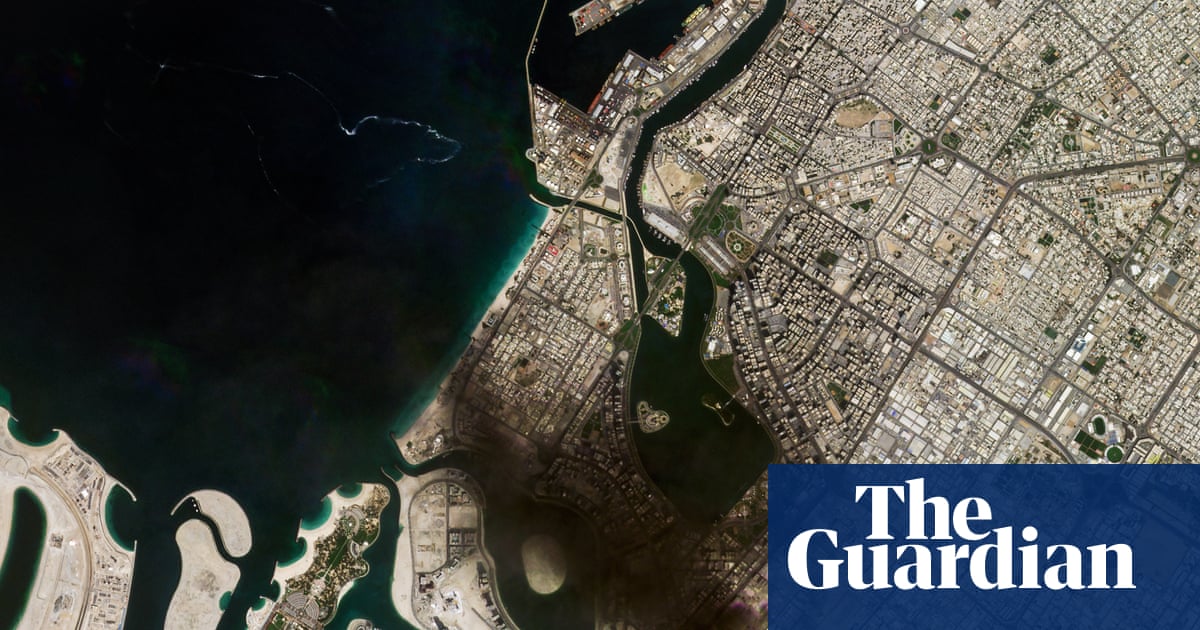
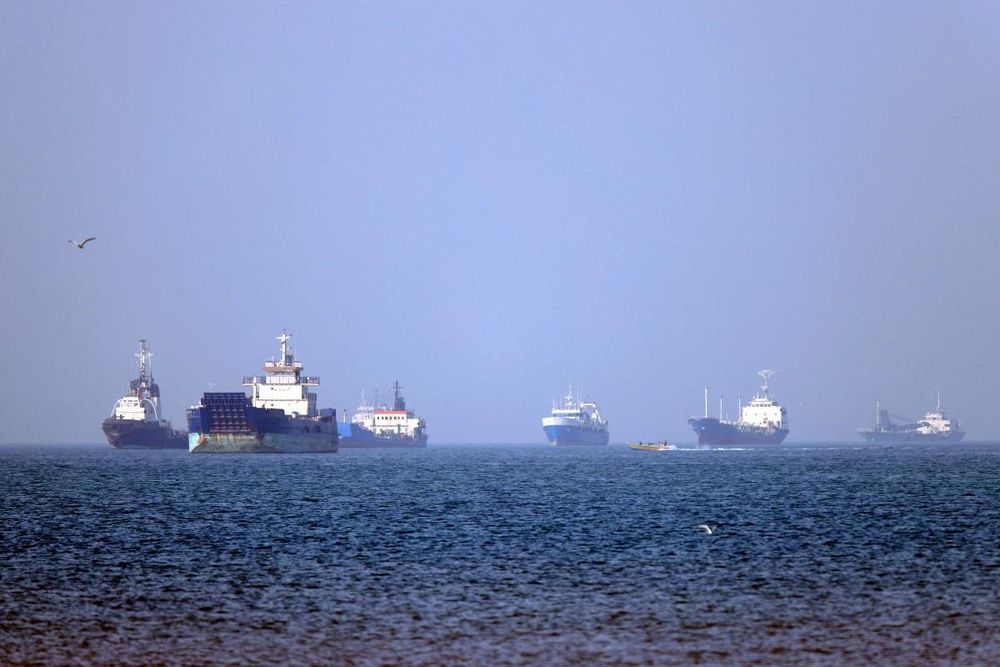
The immediate response to the closure of the Strait of Hormuz, a 10% price increase, appeared rather benign for what was long-assumed to be the oil market's nightmare scenario.
On Friday the situation changed, pennies started to drop.
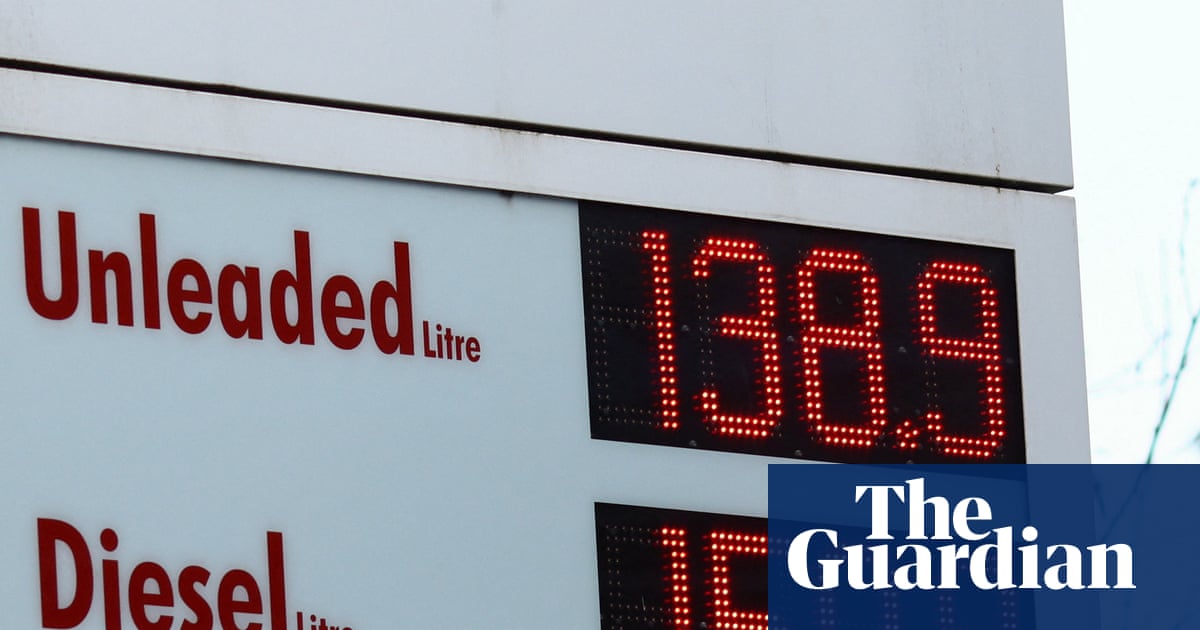
The intervention from the Qatari Energy minister Saad al-Kaabi that all Gulf energy providers were likely to halt export in days, and $150 a barrel of oil was coming, sparked oil markets into life. Crude oil ended up 27% since the conflict began.
Derivative petrochemical products vital for livelihoods, and industrial supply chains that are also dependent on free passage in the Gulf, from jet fuel, to urea, are also spiking in price.