JEDDAH: As the US-backed conflict between Israel and Iran entered its fourth day, economists warned the fallout could spread well beyond the region, threatening higher inflation, tighter credit markets and slower growth in energy-importing economies if hostilities persist.
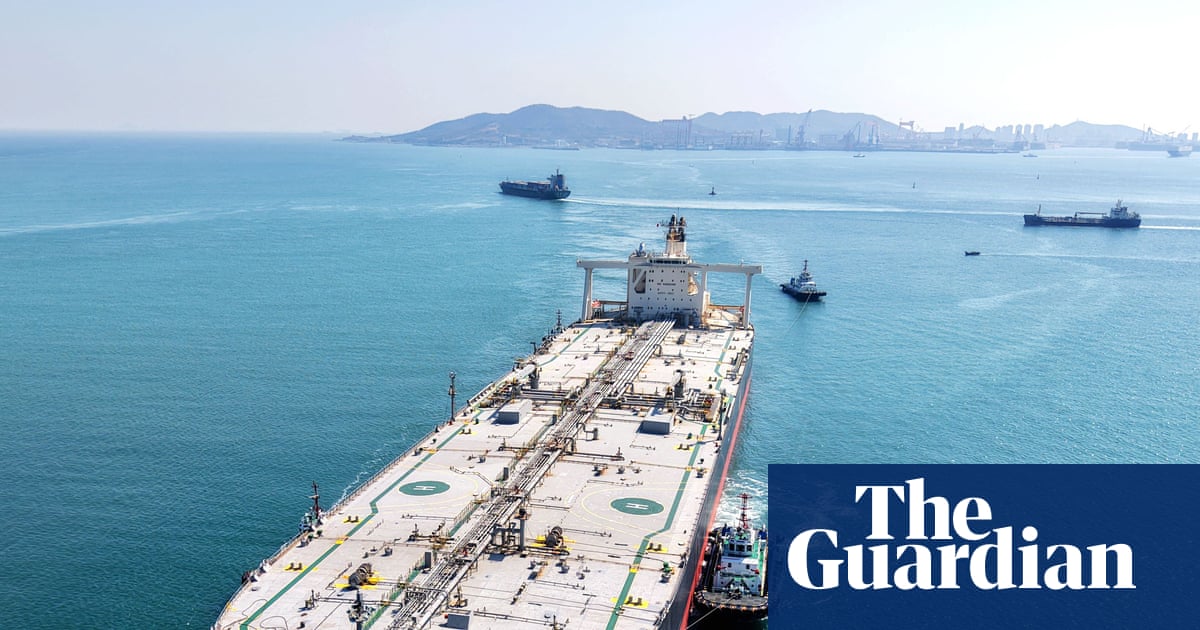
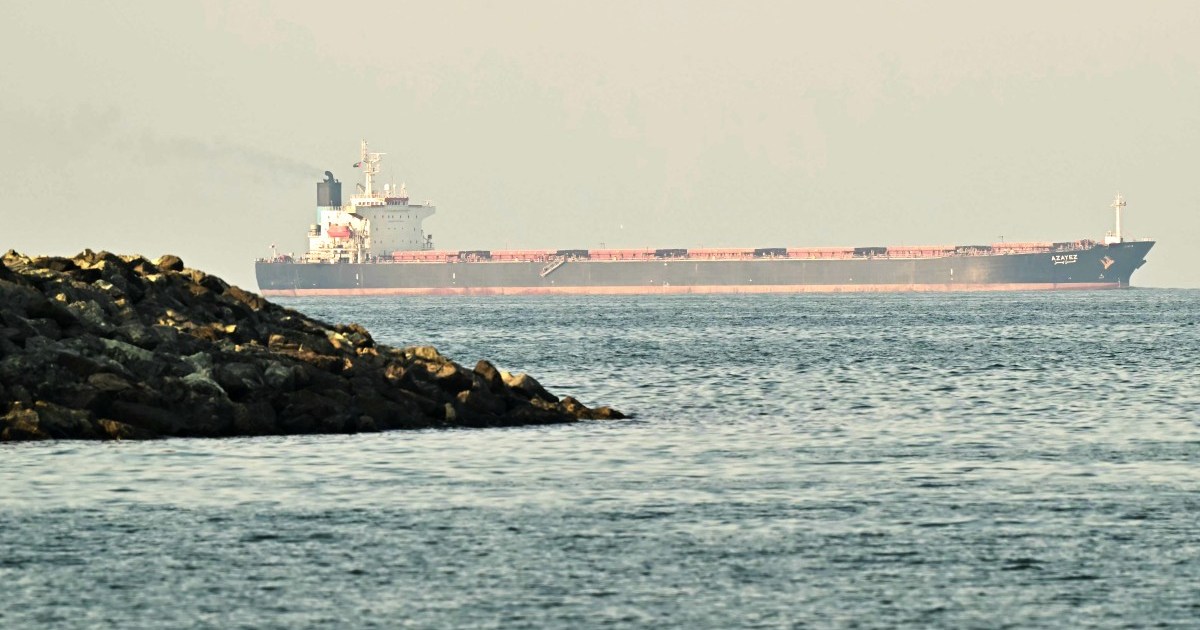
Global markets have already reacted, with oil benchmarks surging after the conflict disrupted traffic through the Strait of Hormuz, a key chokepoint handling about a fifth of global seaborne oil trade.
Spot crude premiums hit multi-year highs as tanker traffic declined and insurers withdrew war-risk cover, underscoring supply risks.
Equity and credit markets also felt the impact, with European stock indexes falling sharply, credit indicators widening and investors seeking refuge in safe-haven assets such as gold and government bonds. Risk-off positioning in credit markets pushed corporate default premiums higher, reflecting mounting geopolitical and financial concerns.
The Strait of Hormuz is a key shipping route, carrying around 20 percent of the global oil supply. A prolonged closure could push oil prices higher, drive inflation up, and tighten financial conditions worldwide, particularly in energy-importing economies.