The war in Iran represents the biggest energy supply shock in history with the Strait of Hormuz choke point effectively off limits to the 20% of global oil and liquefied natural gas that flows through it each day.
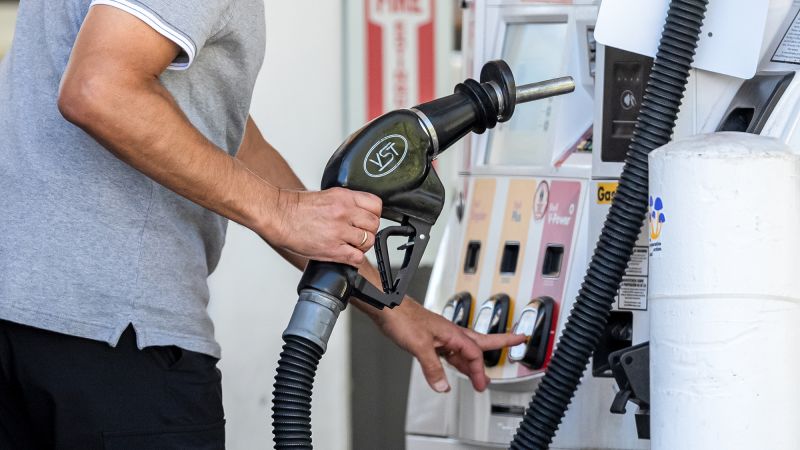
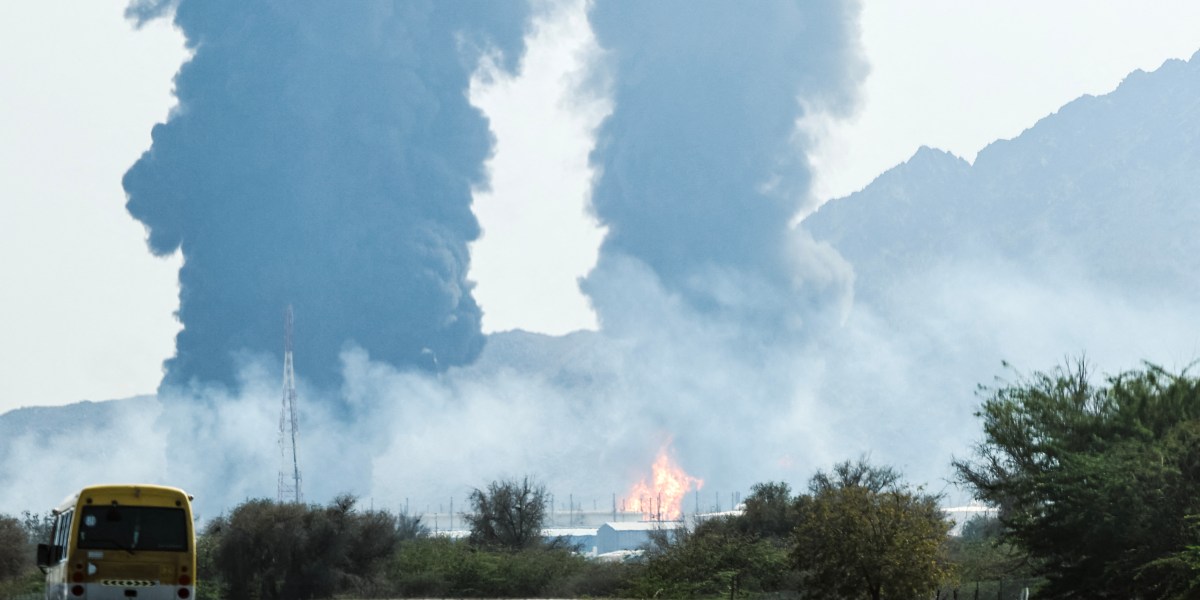
While the U.S. benchmark for oil continues to rise to near $100 per barrel—up 70% since the beginning of the year—the extent of the disruption should theoretically justify global oil prices of record highs at $150 per barrel or more. This is especially true as Israel and Iran have begun to target gas fields and infrastructure that could lead to much more long-lasting damage throughout the Gulf region.
So why hasn’t that occurred yet?
Energy analysts point to a few main reasons:
A lot of the world, including the U.S. and much of Europe, is the least reliant it’s been in decades on Middle Eastern oil because of greater domestic production and/or rising reliance on renewable energy.