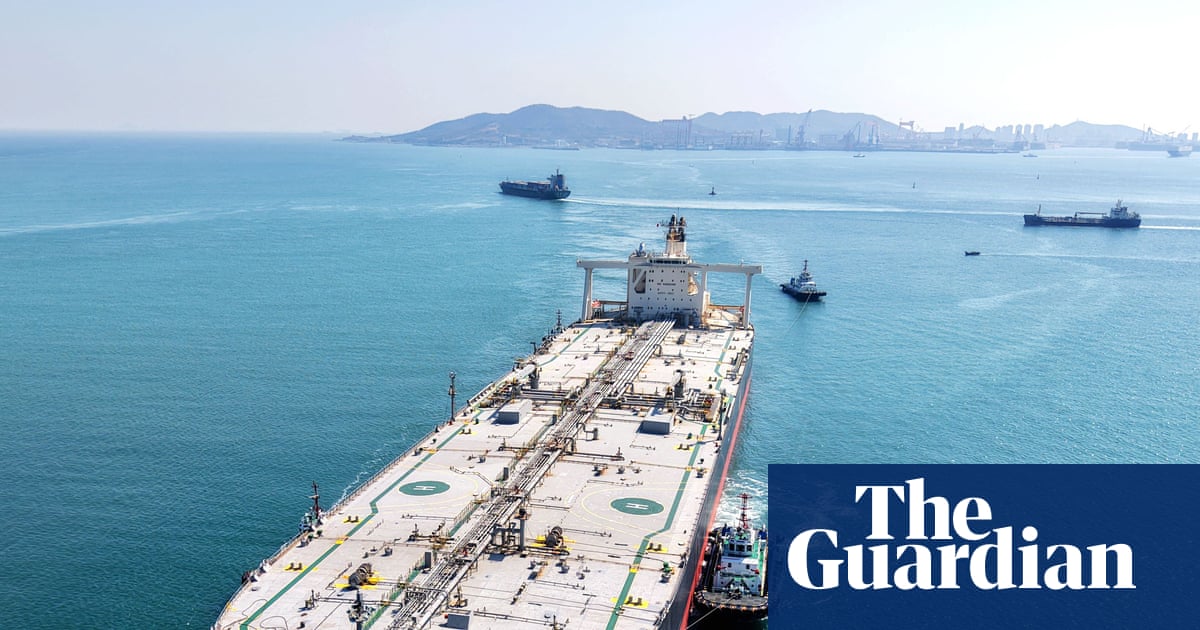
The war in Iran has sparked a global energy crisis that has rocked markets and sent oil prices surging to their highest level in four years. The chances of a quick resolution appear to be deteriorating as the conflict escalates, as do hopes that the U.S. economy might escape unscathed.
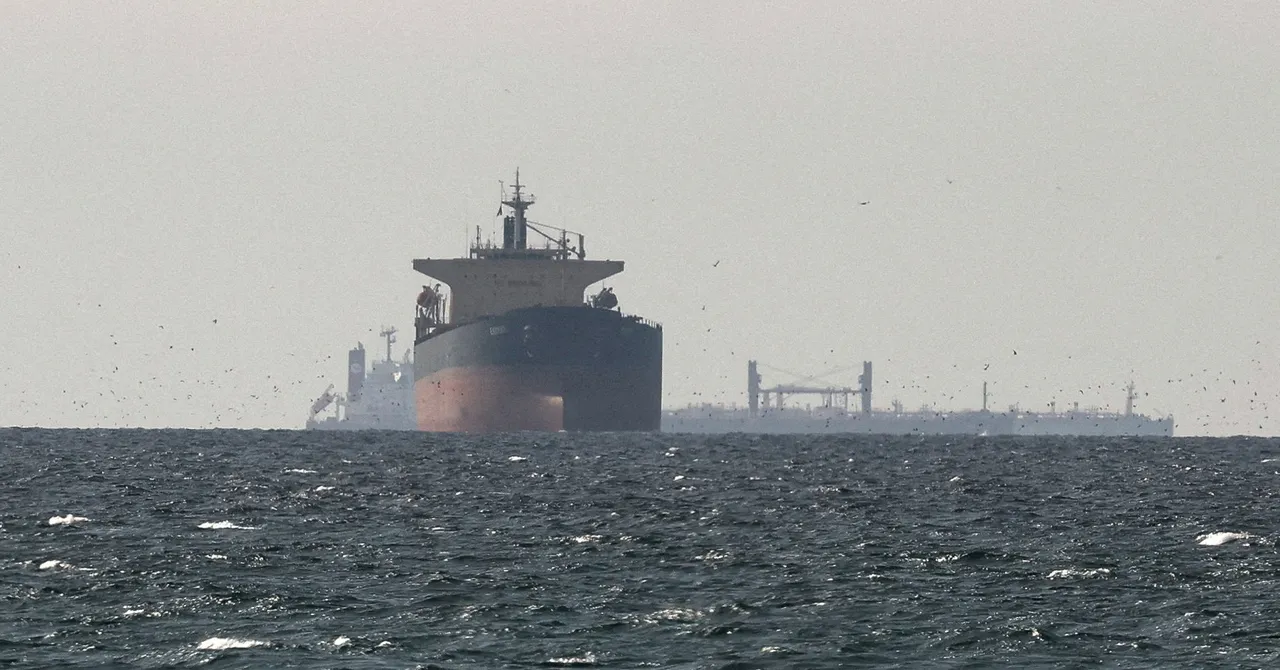
The war has effectively blocked off the Strait of Hormuz, a vital energy corridor that links oil and gas producers in the Persian Gulf with the rest of the world. The closure has cut off the roughly 20 million barrels of oil that normally flow through the strait each day, according to the International Energy Agency. The IEA estimates the conflict is removing roughly eight million barrels daily from the global supply, making the crisis the biggest oil supply disruption in history. Oil prices have been on a rollercoaster as a result. Brent crude, an international benchmark that cost around $70 a barrel before the war, grazed $120 last week and has since settled between $90 and $100.
The swings have already caused gasoline prices for U.S. drivers to rise, but it might not be enough to force the severe downturn some economists have warned of. Price levels so far might only have a marginal impact on economic output over the long run, according to a report published Friday by Oxford Economics, an advisory firm.