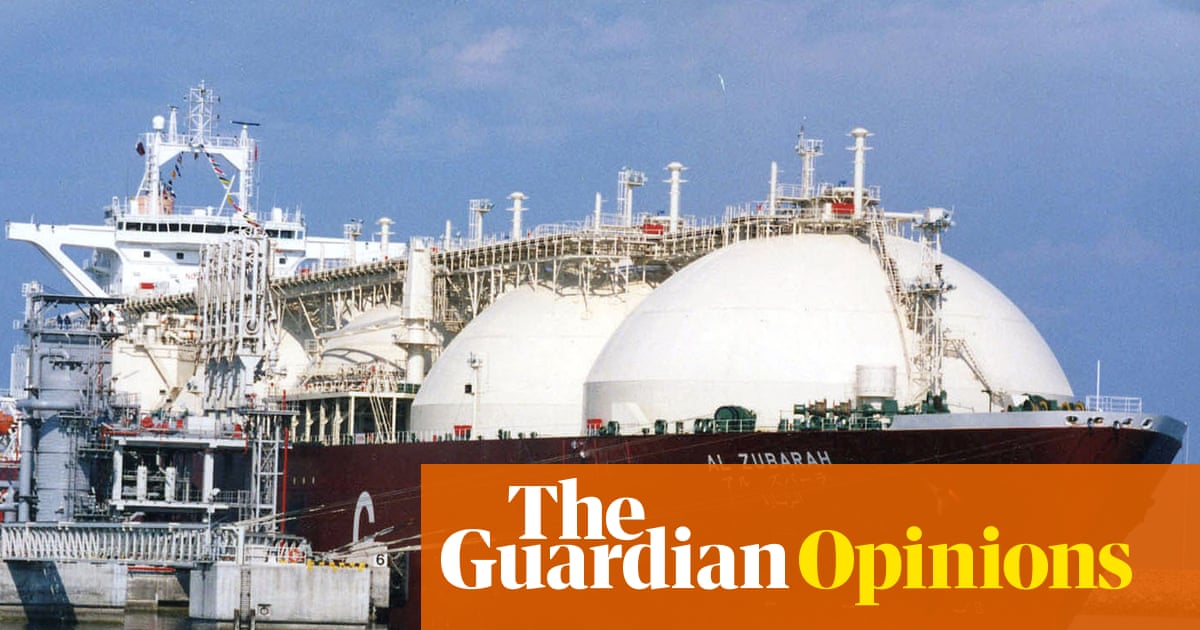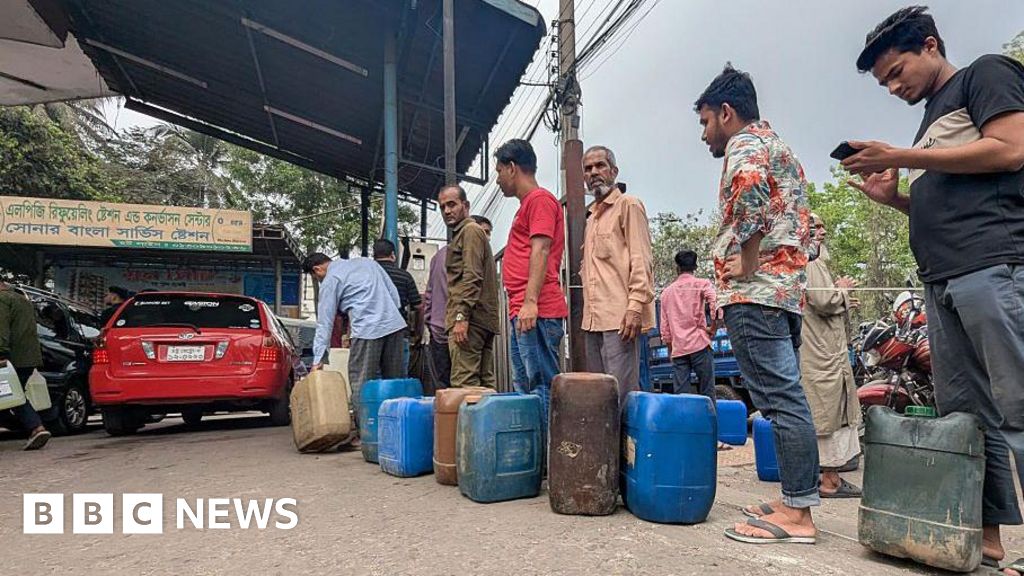
The U.S.-Israel war with Iran has caused the largest global energy-supply shock ever: Some 20% of the world’s oil and liquefied natural gas (LNG) flows have been cut off at the Strait of Hormuz.
From gas rationing in Bangladesh, to farmers in Africa without fertilizer, to Americans struggling to afford filling their gas tanks, the supply-chain bottleneck is affecting every part of the world. But while an end to the current crisis is inevitable, its ripple effects will be shaking up the geopolitical and energy landscape long after it’s over.
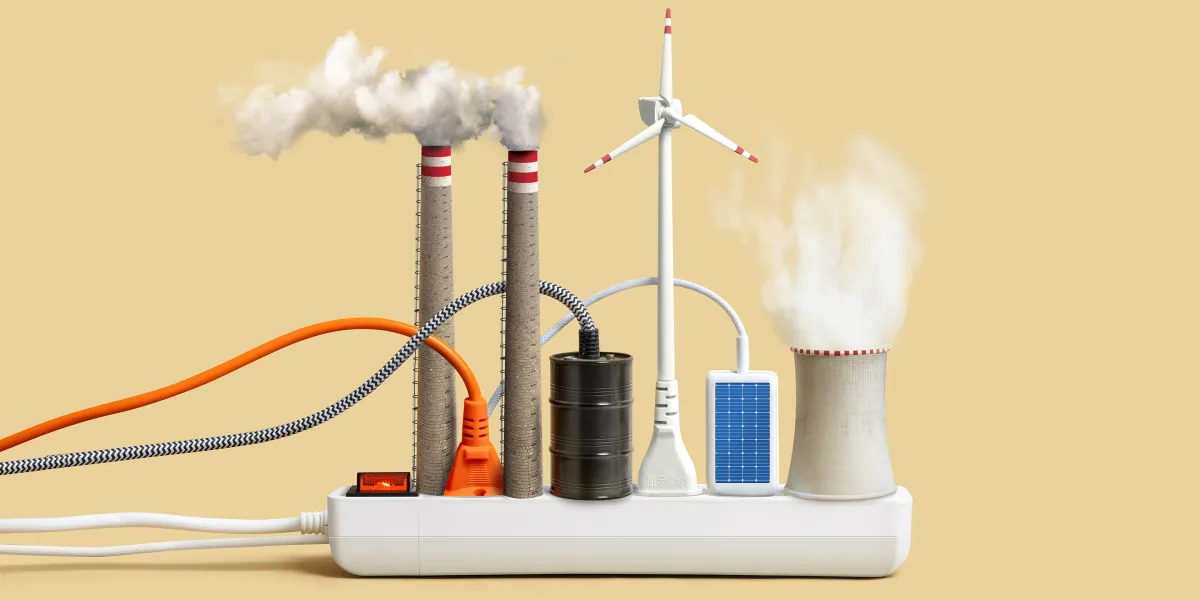
One thing is not going to change: global energy usage. Power demand is rising by close to 4% a year, driven by growing populations, more electrification, and the AI data center boom. The worldwide energy feast will only grow, even as the recipes and cooks evolve.
Here are some of the biggest shifts underway.
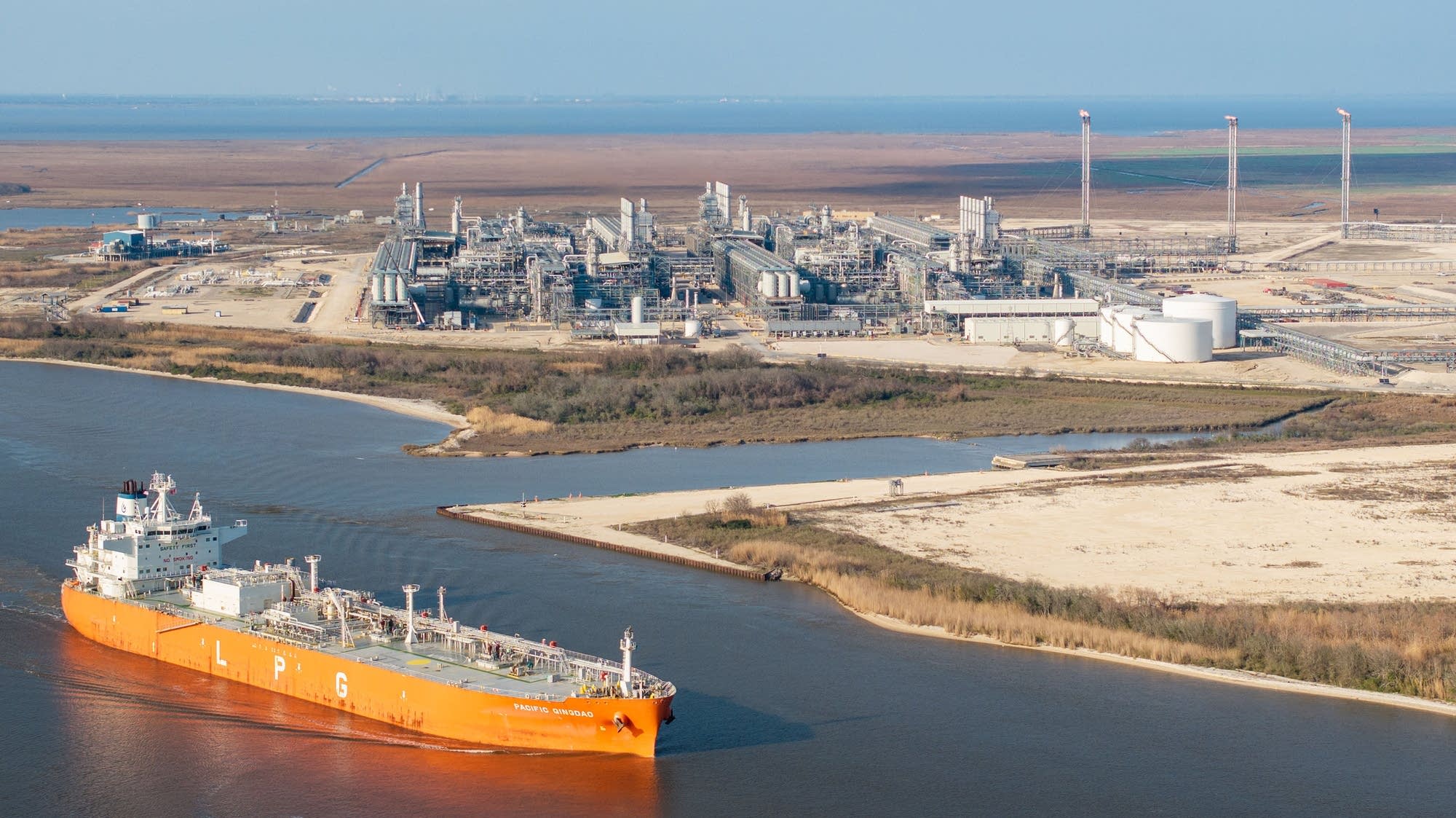
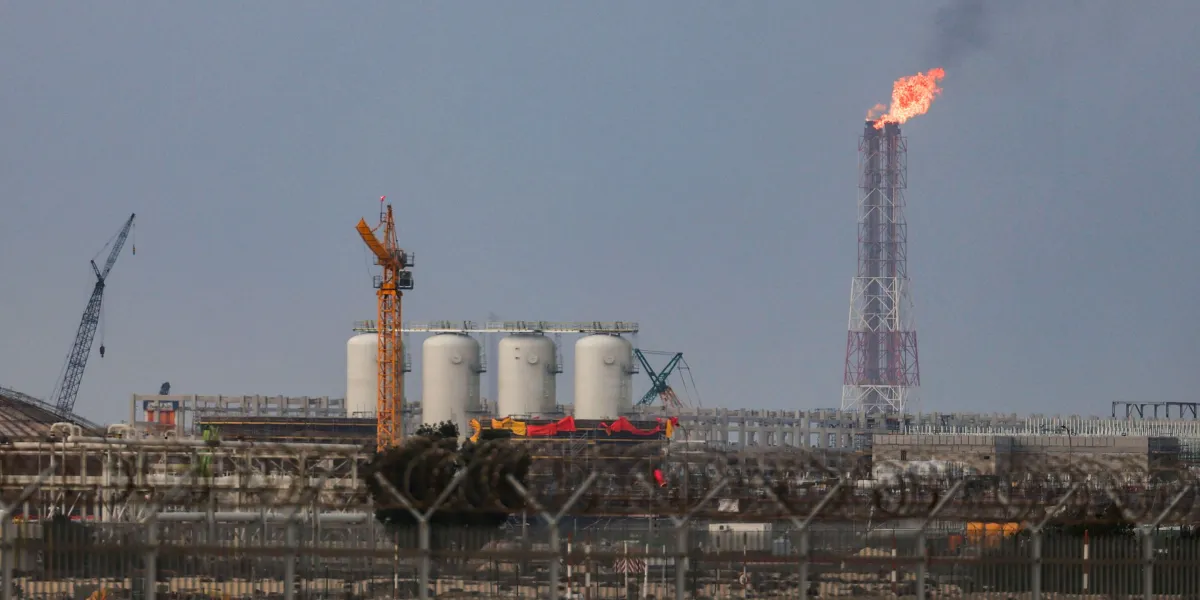
The U.S. is officially an energy superpower