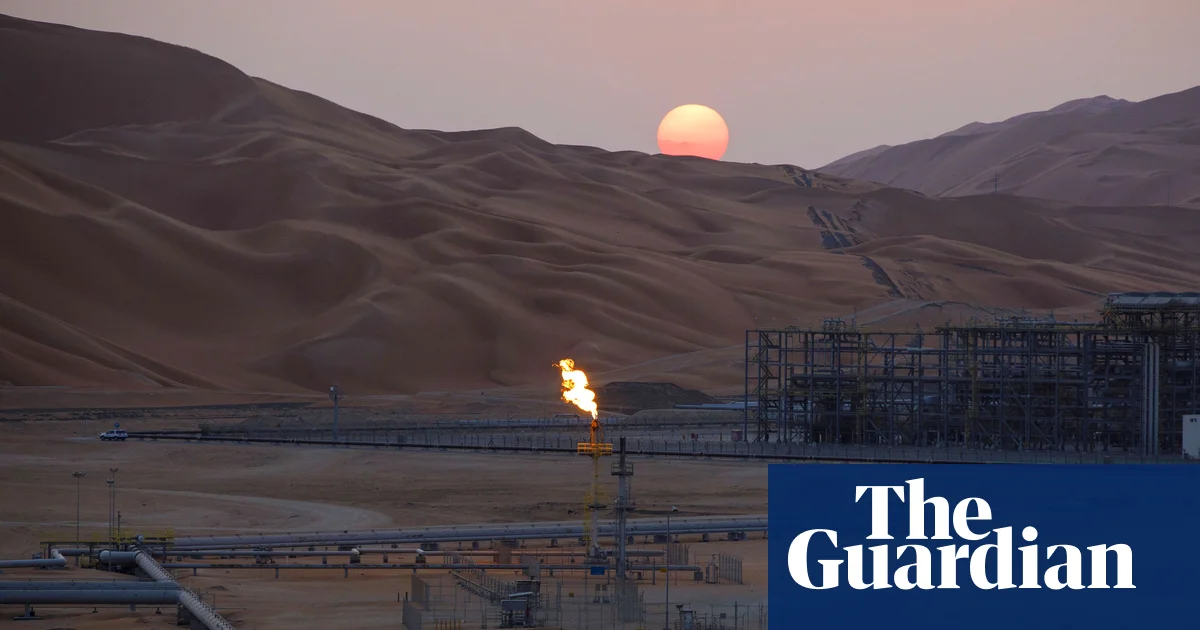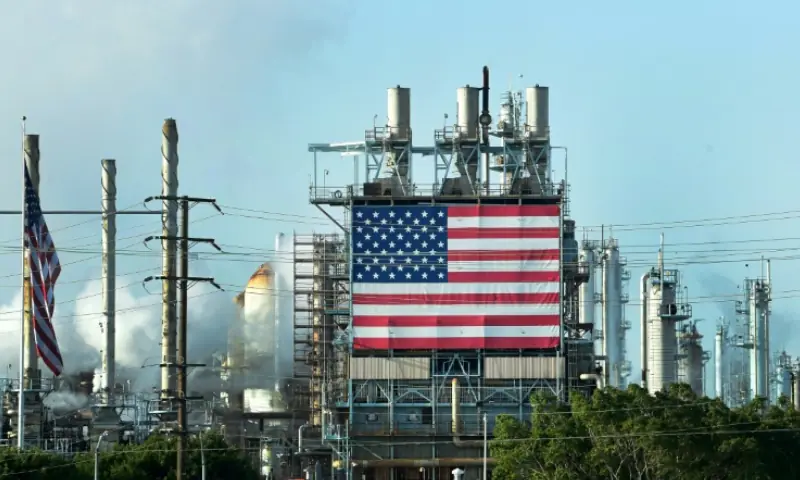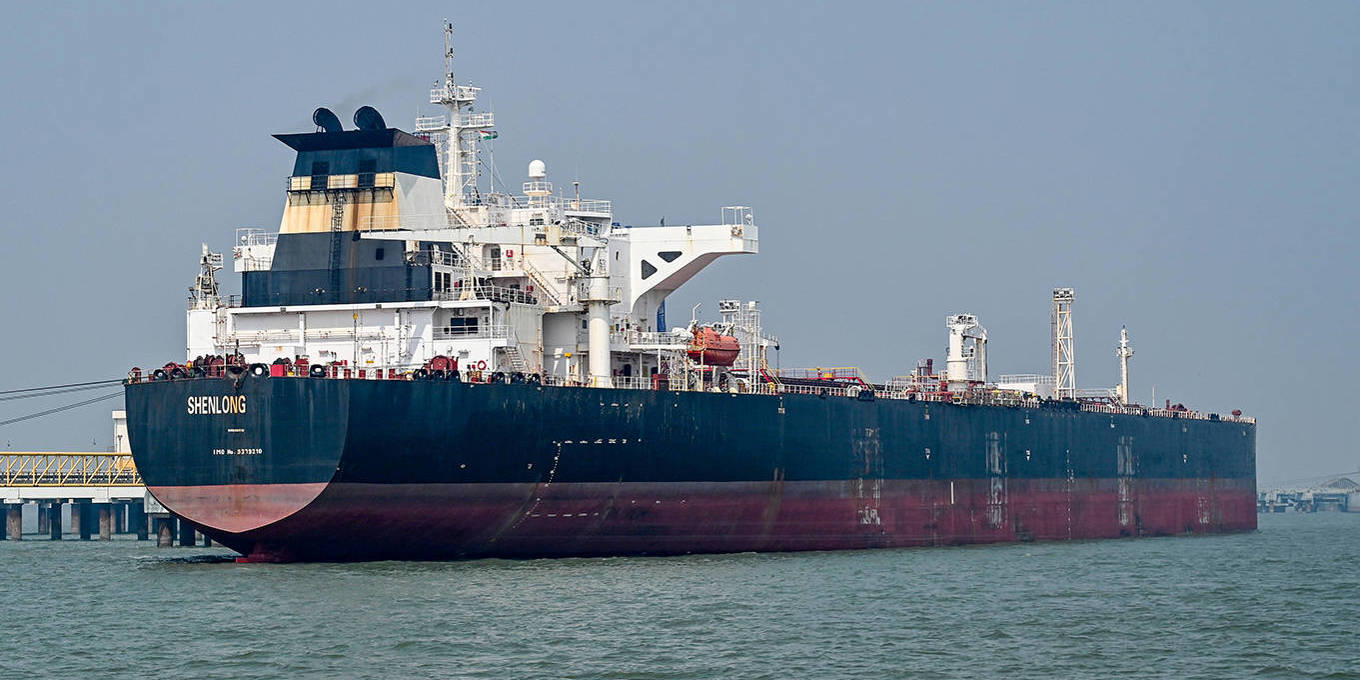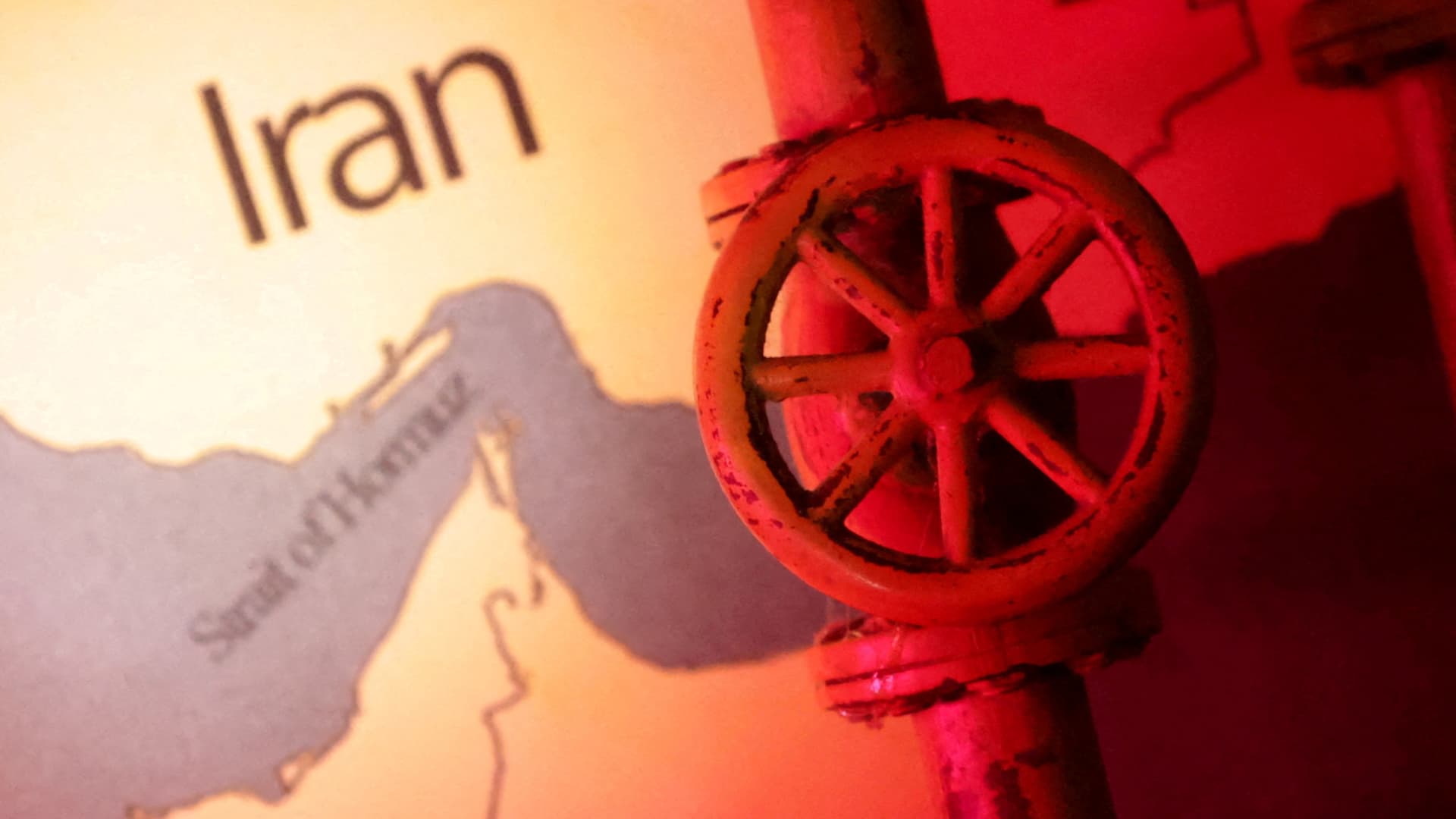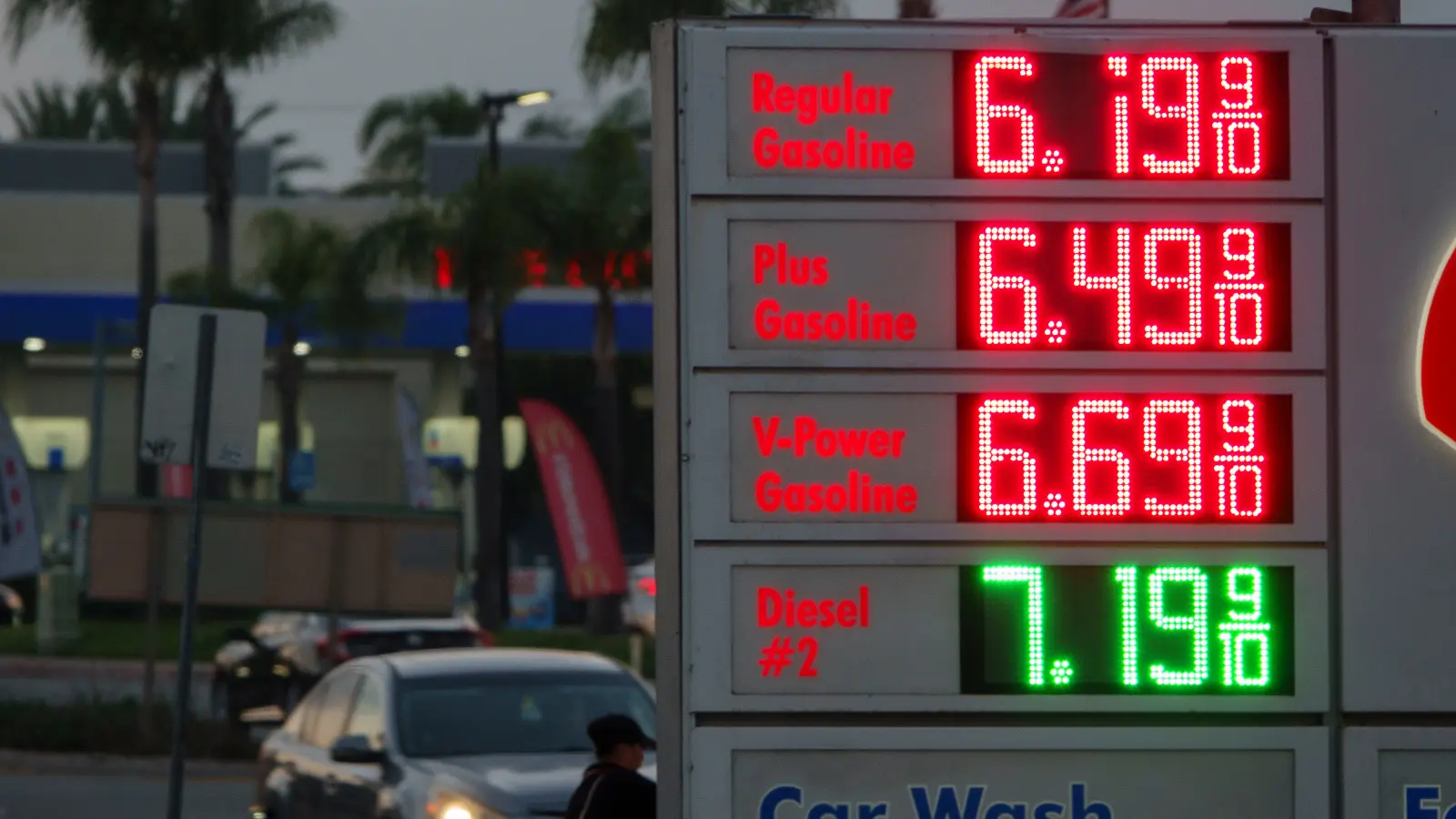
With the average price of gasoline in the United States above $4.50 a gallon — about a 40 percent rise since the Iran war began in late February — Americans have been climbing into their cars less often, and stepping into trains and buses instead. It’s been declared the largest oil supply disruption in history, with U.S. drivers paying $45 billion more for gasoline and diesel compared to last year. Some 44 percent of U.S. adults say they’ve cut back on driving because of high gas prices, according to a survey in late April from ABC News, the Washington Post, and Ipsos.
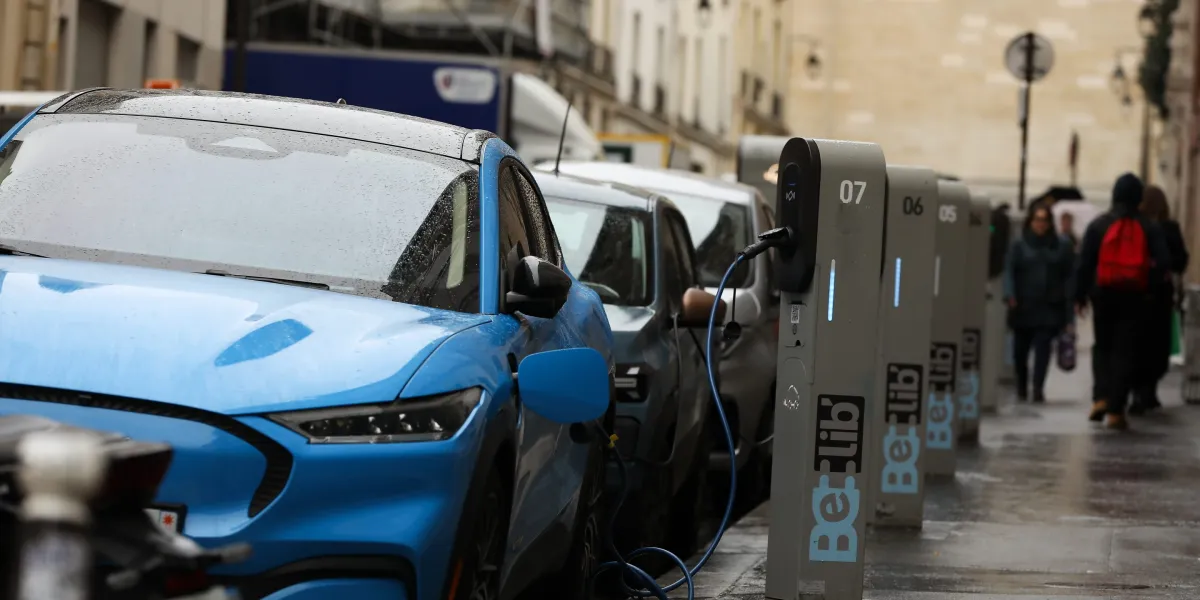
Cities across the country have seen rising numbers of people riding public transit, from Cincinnati to Los Angeles. Sales of used electric vehicles and hybrid cars have grown substantially over the past couple of months. People are replacing car trips with bikes and scooters; railroads like Amtrak have reported more riders than usual. Much of America is built around highways and suburbs, however, making alternative transportation difficult. So, many people are cutting down on driving without ditching their vehicles, by carpooling, consolidating errands, or working remotely more often.
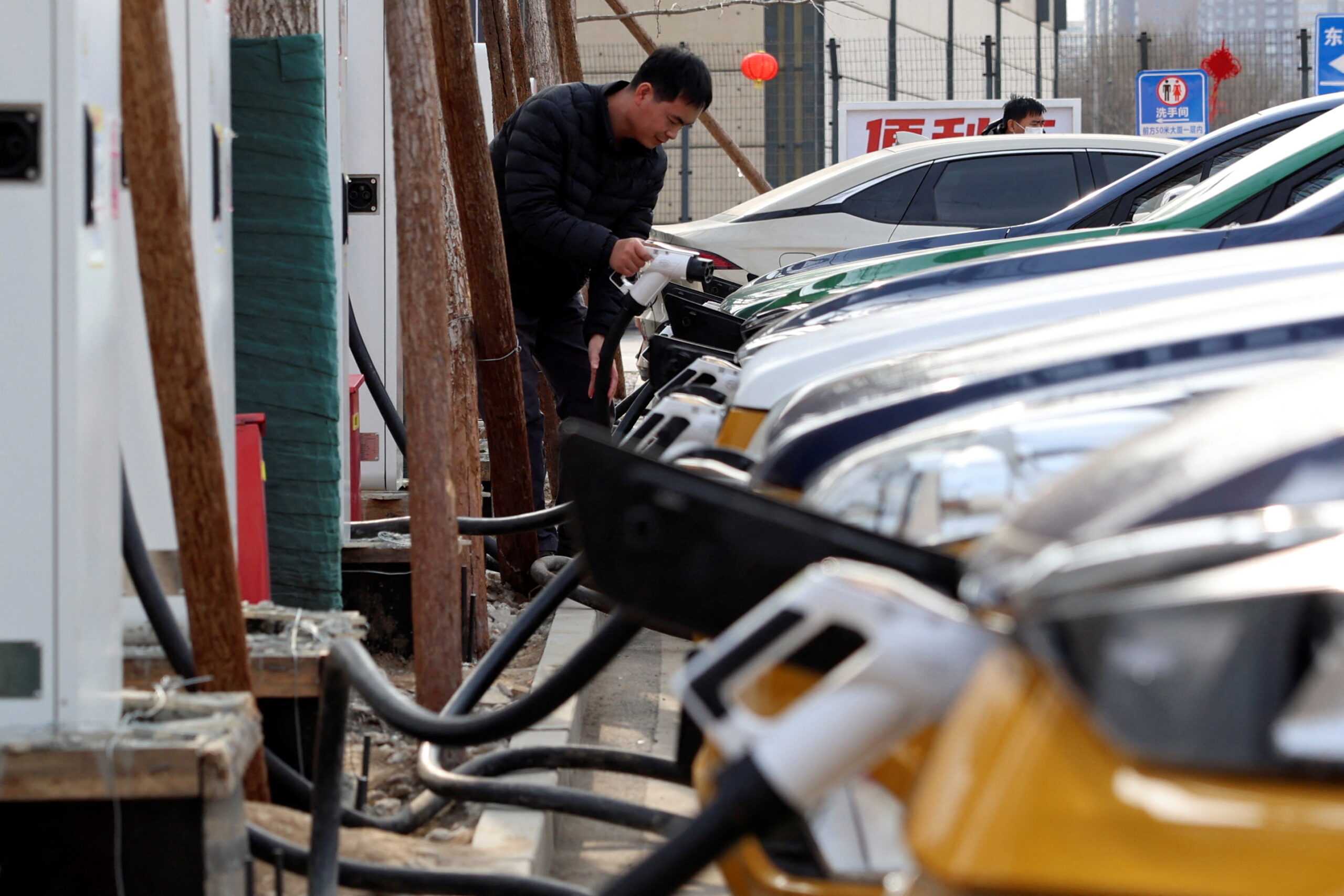
It could be the start of a green, global shift, according to some experts — even if most Americans eventually end up hopping back in their cars. That’s because the crisis is hitting the hardest in Asia, which was projected to account for nearly all the increase in oil and gas use over the coming decades, but is now rethinking its reliance on fossil fuels.