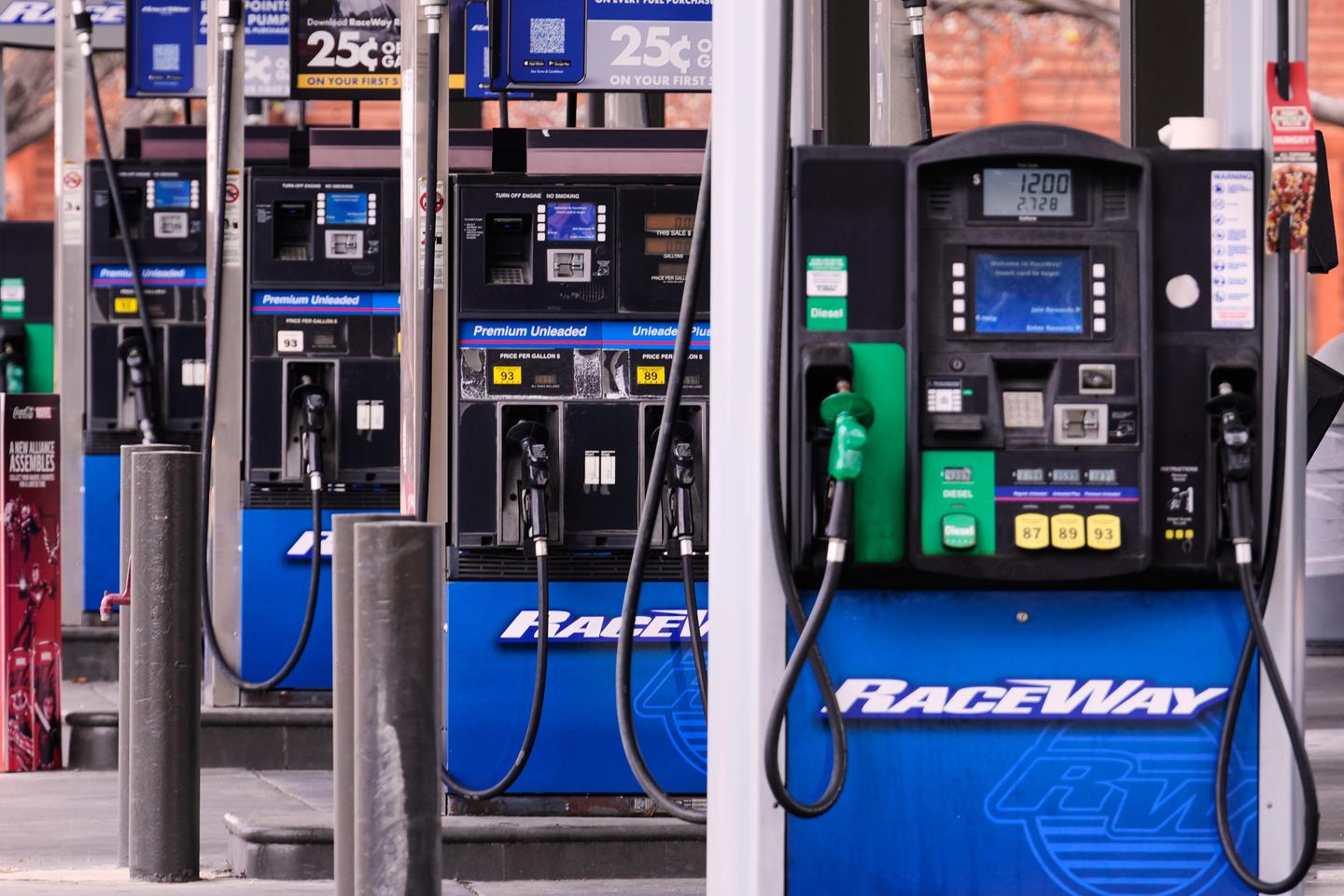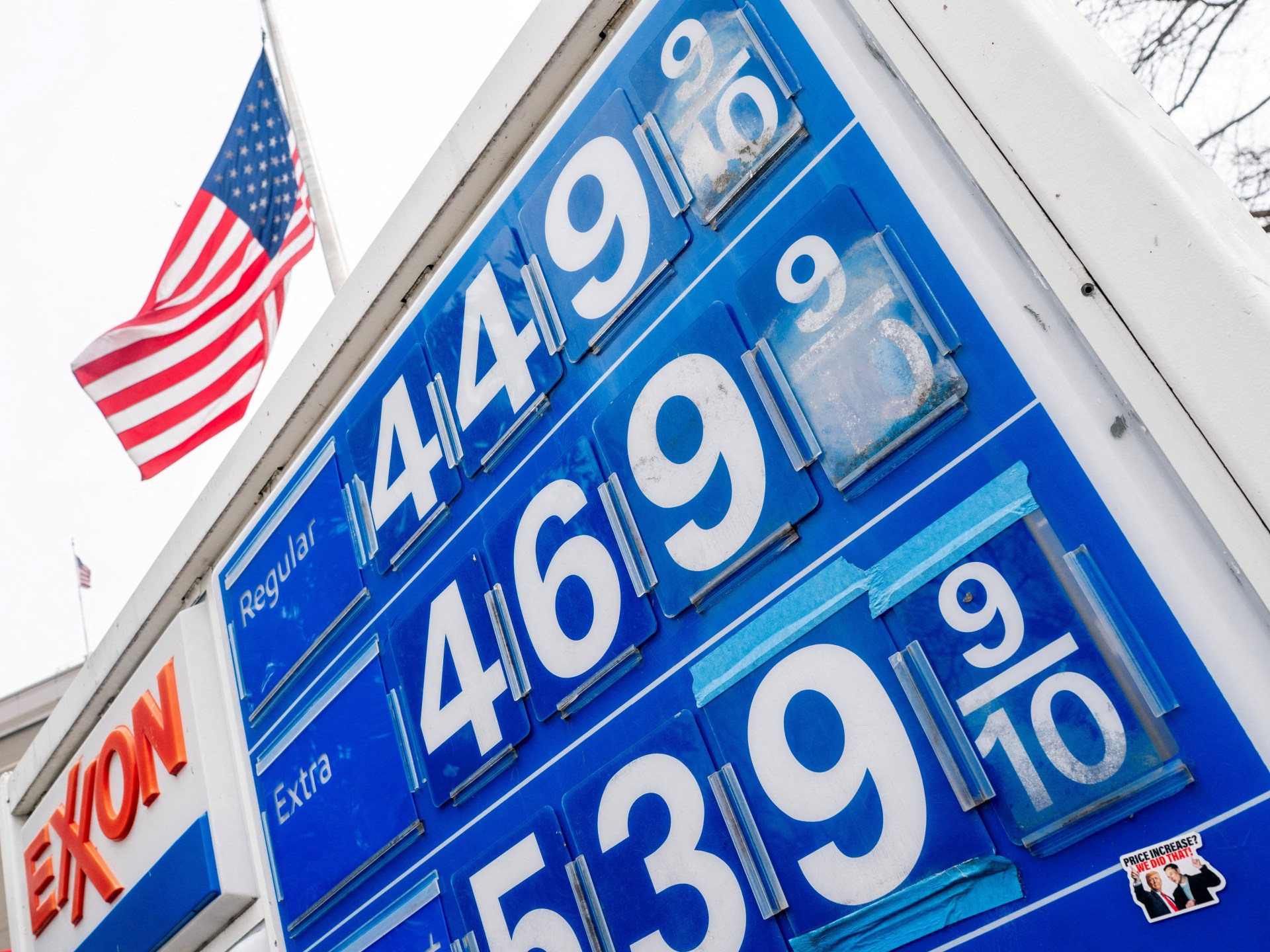
Oil prices traded higher March 3 as the U.S.-Israel-Iran war widened, setting up steeper prices for some of the items American consumers depend on.
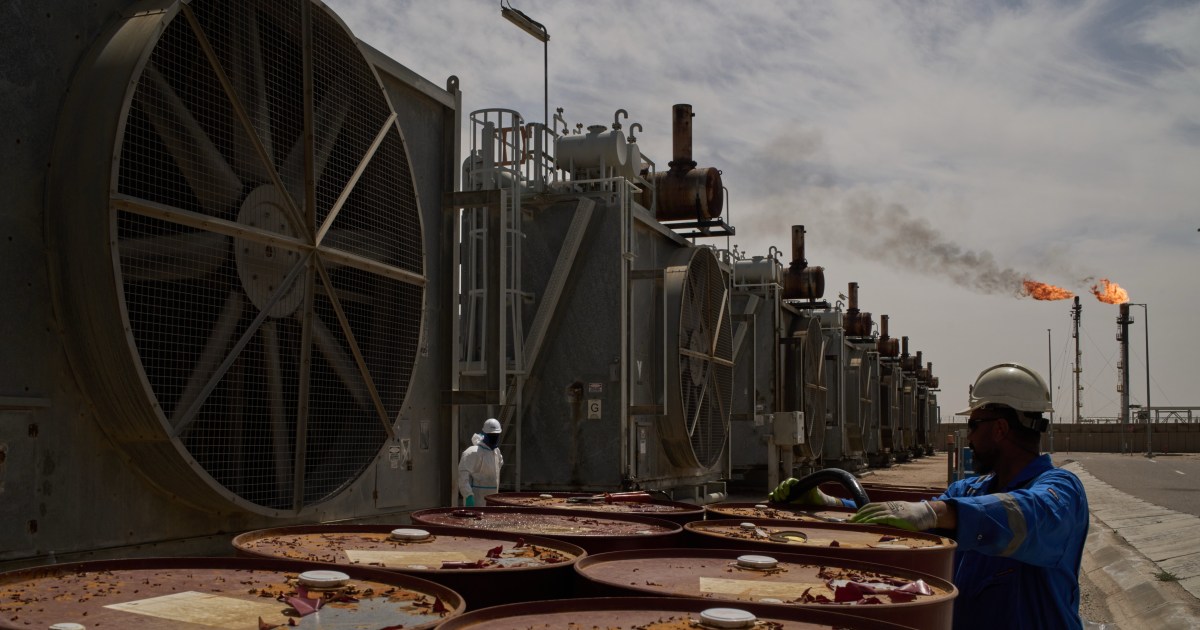
Brent crude, which is the global benchmark and the metric most affected by the Middle East conflict, jumped 9% to trade near $85 a barrel Tuesday morning, the highest in about 18 months and a roughly 25% increase in just a few days.
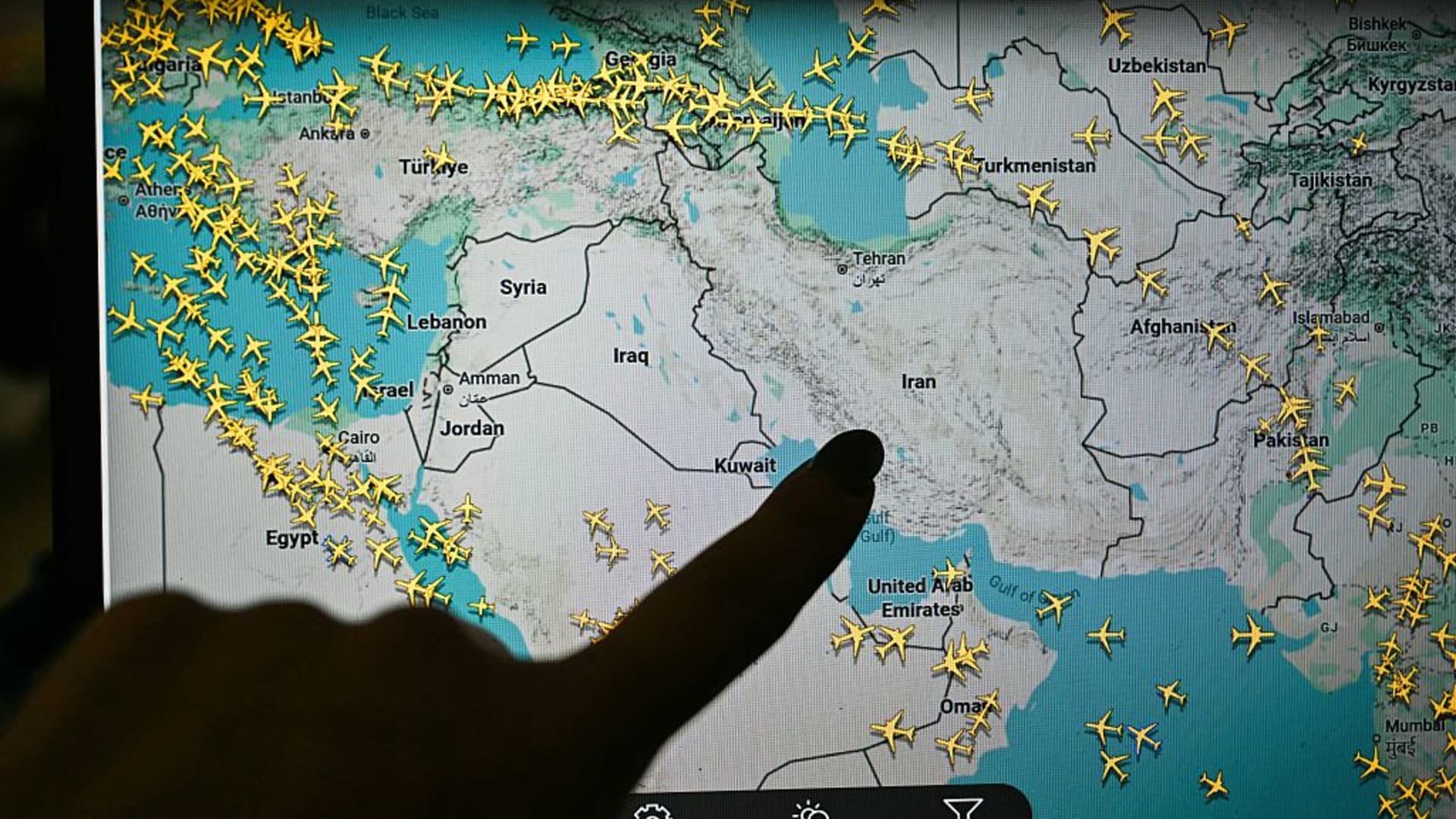
All eyes are on the Strait of Hormuz, through which roughly 20% of all global oil supplies flow, and which has effectively been choked off by Iranian forces.
Although prices have been rising since the strikes began, it seems the intensity of the escalation on Monday and Tuesday may have taken markets by surprise, said Rachel Ziemba, an independent energy analyst and adjunct senior fellow at the Center for a New American Security.
“If anything, the transit disruptions that are starting to happen have been greater than what markets were expecting,” Ziemba told USA TODAY. Traders will be watching to see how the U.S. responds Tuesday to move the strait from “frozen and implicitly blocked” to more open, she said.