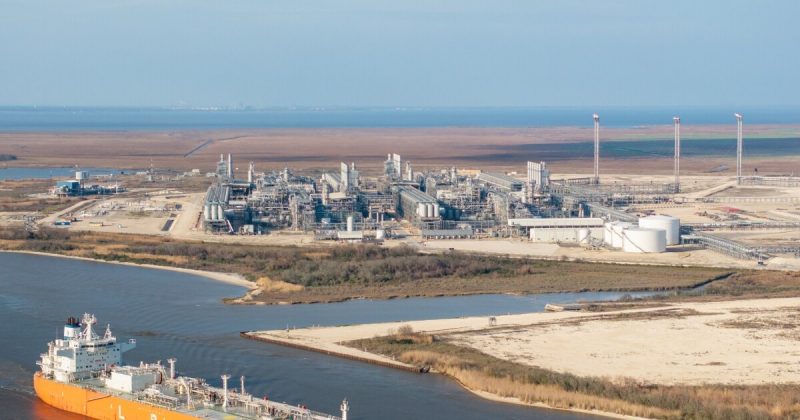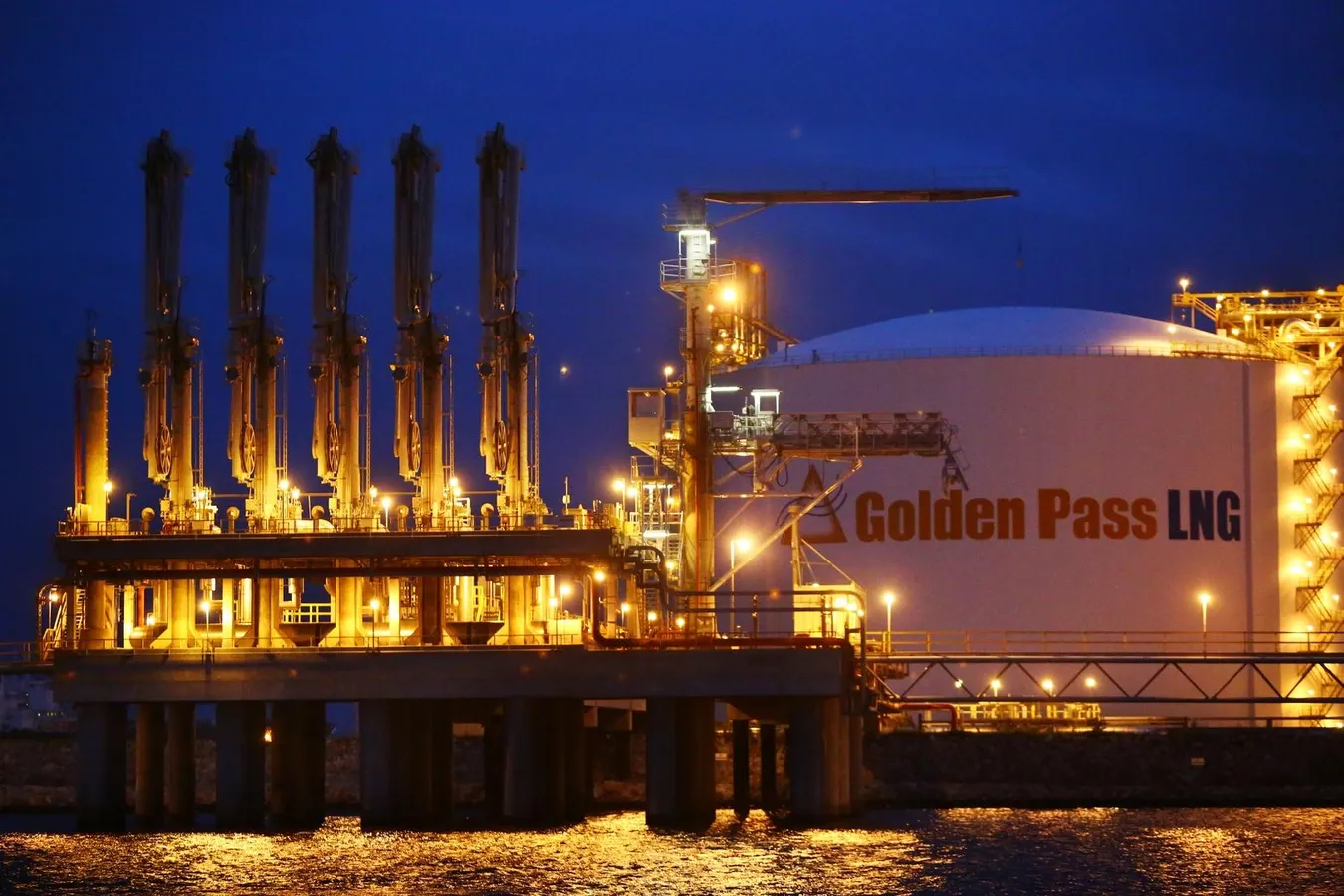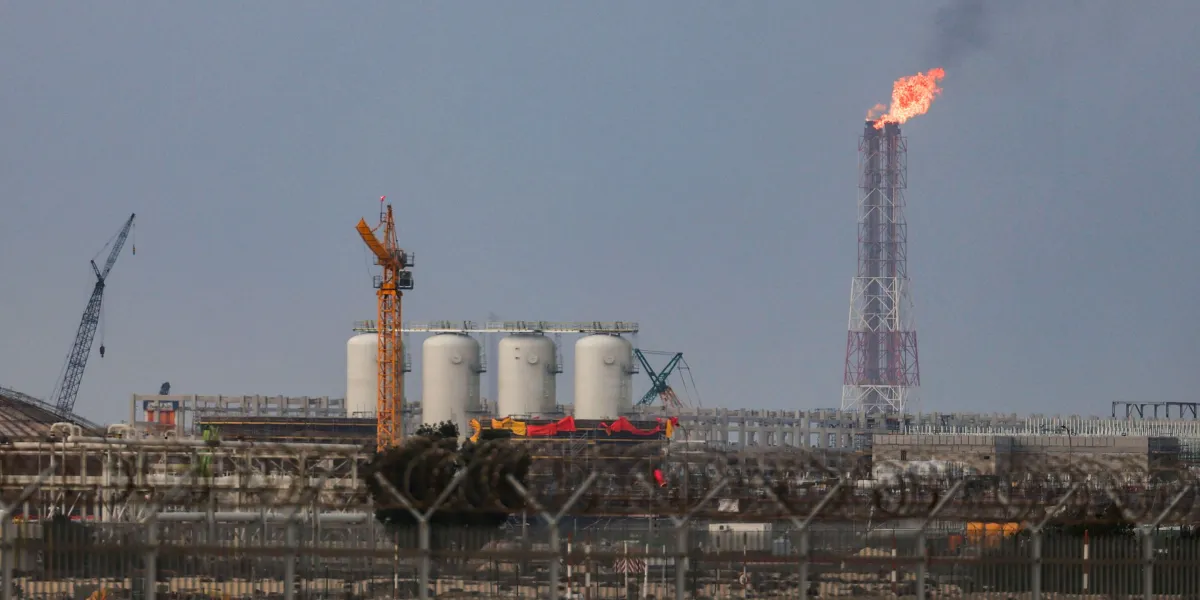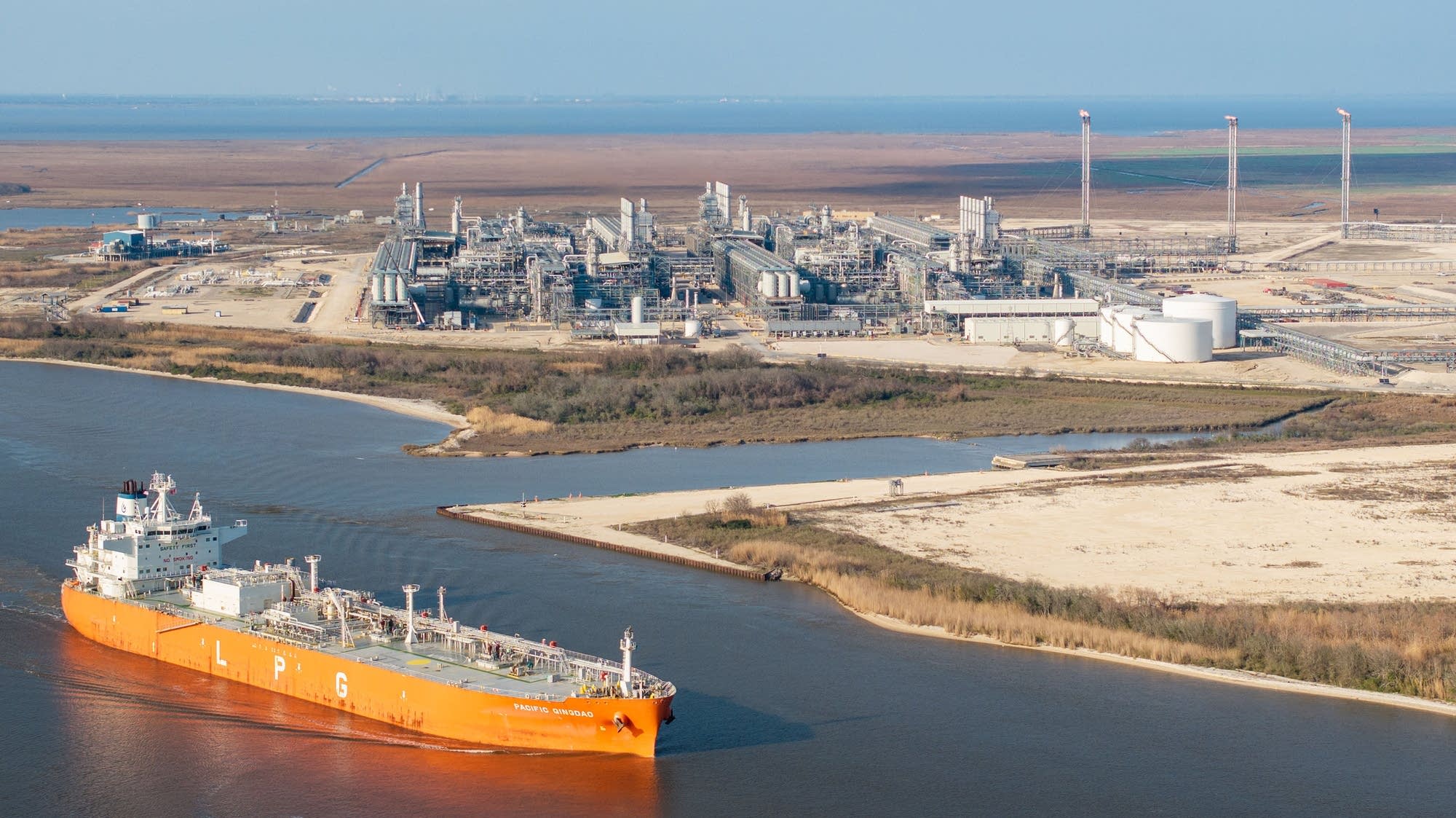
The day before the U.S. bombed Iran, President Donald Trump stood at the Port of Corpus Christi, celebrating America’s rise as an energy superpower. Within days, the war in the Middle East spiked energy prices, and countries around the world were left to scramble to find replacements for roughly 20% of global oil and LNG supplies stranded in the Strait of Hormuz.Soon, activity in the energy-heavy Port of Corpus Christi, Texas, would reach new heights.While some of that growth was a direct response to the war, LNG exports had already been reaching all-time highs in Corpus Christi and nationwide, spurred by long-term investments and growing global demand. U.S. natural gas exports are expected to grow another 30% in the next year and a half, according to the U.S. Energy Information Administration. That expansion is driven mostly by new and expanding LNG export projects along the Gulf Coast. “LNG shipments this year are actually up about 40% over the same period last year,” said Port of Corpus Christi CEO Kent Britton. Business at the port is booming as more natural gas is piped down from West Texas and New Mexico. “There is a lot more gas to be discovered easily in the Permian [Basin] than oil,” Britton said. “LNG is the growth story of the next decade.” The U.S. is now exporting roughly 20 billion cubic feet per day of LNG, according to Ross Wyeno, an analyst with S&P Global Energy. “Up from basically zero a little over 10 years ago. So it's been a massive increase. The U.S. is now the largest supplier of LNG in the world, with plans to grow significantly more over the next 10 years,” he said. A lot of that LNG is sold to utilities in Asia, Wyeno said. And that business boosts local coastal economies. “We had a huge amount of investment in the Gulf Coast economy in terms of just the equipment and manpower and construction,” said Jesse Thompson, an economist with the Dallas Fed. “And then the plants themselves, that’s a much smaller footprint in terms of total labor, but they are very high-wage jobs.” Now the industry is watching whether the conflict triggers another wave of LNG investment. “These buyers may be interested in finding a more secure source of supply that could encourage them to sign up for a contract, potentially in the U.S., but the U.S. is also facing concentration risk,” Wyeno said. Having so much LNG come out of the Middle East has proven to be risky; the U.S. has its own risk, like hurricanes and politics. LNG buyers may choose other sellers, like Canada or Algeria. Or they might move away from natural gas altogether. “High LNG prices, the risk of this large portion of global supply getting cut off, and just price volatility in general are not good for demand creation,” Wyeno said. And because LNG supply is increasing quickly, demand growth is essential, especially in Asia — the very markets being hit hard right now. “If you look at the emerging markets — India, Pakistan, Bangladesh — they're seeing severe curtailments of gas supply, and they're switching demand toward coal, and in some cases they’re restricting gas deliveries to some downstream users,” he said. If the countries getting hit hard by today’s energy crisis decide to use less natural gas than they planned, coastal communities like Corpus Christi could end up with LNG capacity with nowhere to send it.
U.S. LNG expansion was years in the making. Then came Middle East war.
Years of investment on the Gulf Coast helped turn the U.S. into the world’s largest LNG supplier. Now that the war has upended the global industry, conflict could shape future investment and demand.
574 words~3 min read