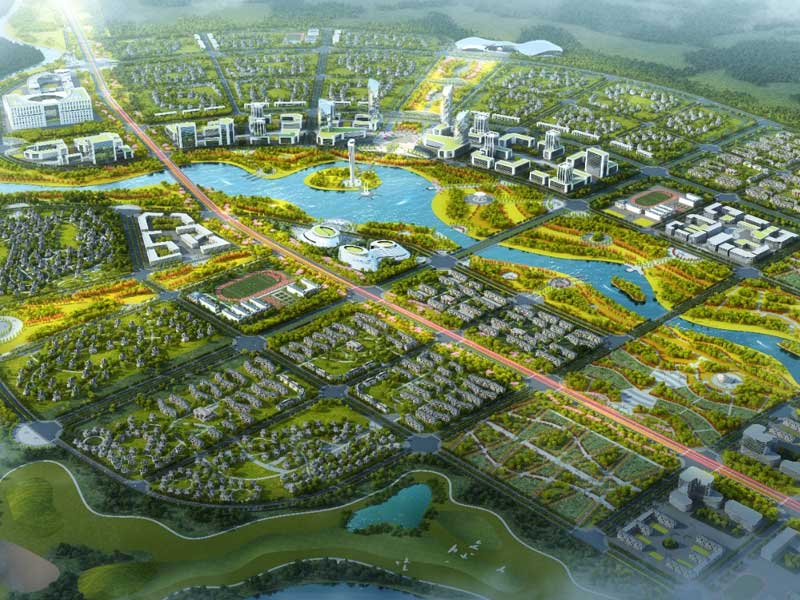
This article has been supplied and will be available for a limited time only on this website. I am less interested in whether a city can call itself smart than whether it can act intelligently when something goes wrong. Too many smart city conversations still begin with the visible symbols of progress, for example, cameras, sensors, apps, dashboards, connected streetlights, smart meters, and control rooms with large screens. While useful, none of them on their own makes a city intelligent.
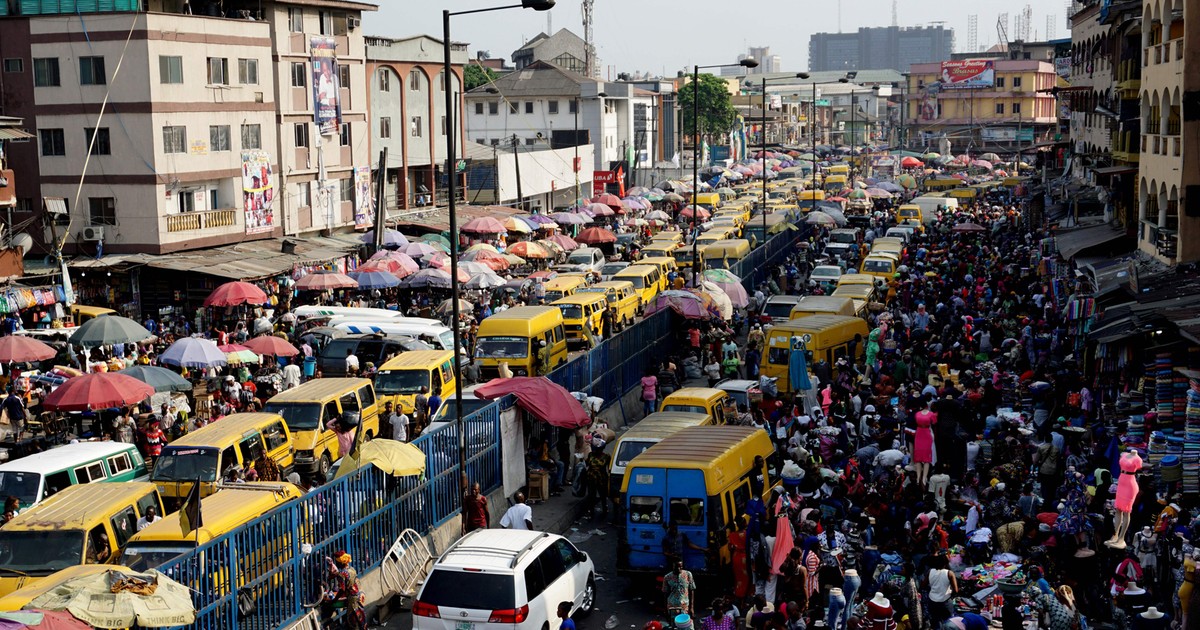
For many African cities, the real problem is not a lack of ambition. Urbanisation is placing pressure on transport, water, electricity, housing, public safety, emergency response, waste management, and municipal service delivery. At the same time, many municipalities are expected to do more with ageing infrastructure, limited budgets, fragmented systems, and uneven data quality.
In that context, the danger is not that cities will fail to digitise but that they will do so badly.
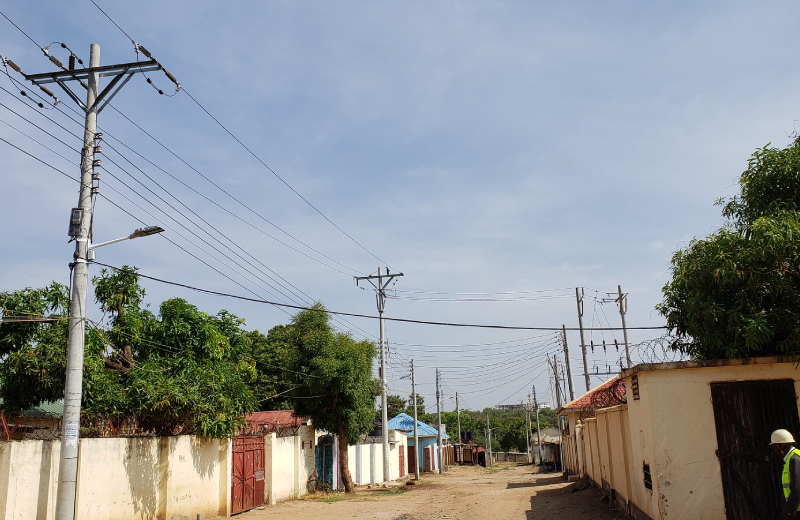
Traffic data, for example, does not automatically improve emergency response after a crash. Cameras at key intersections may help, but only if they are linked to surveillance, dispatch, field teams, and incident management. Sensors in water or electricity networks can raise an alert, yet the city may still respond too late if that alert sits in one system while the operational decision occurs elsewhere.