Originally published on lavkesh.com
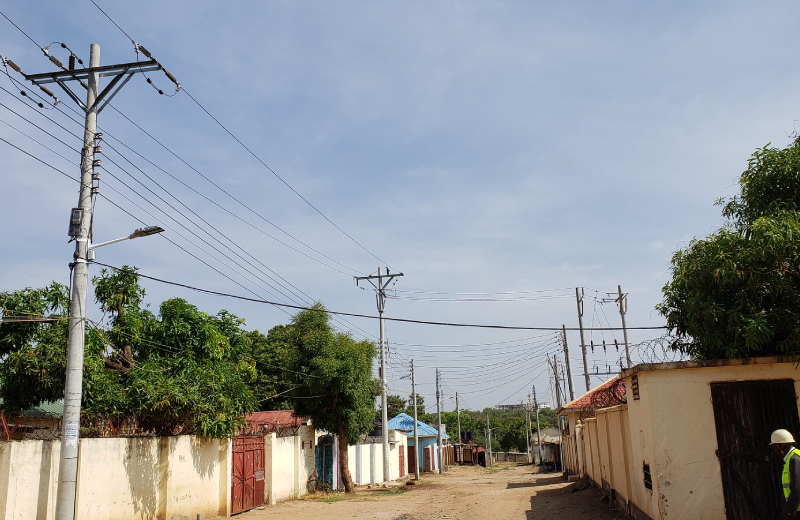
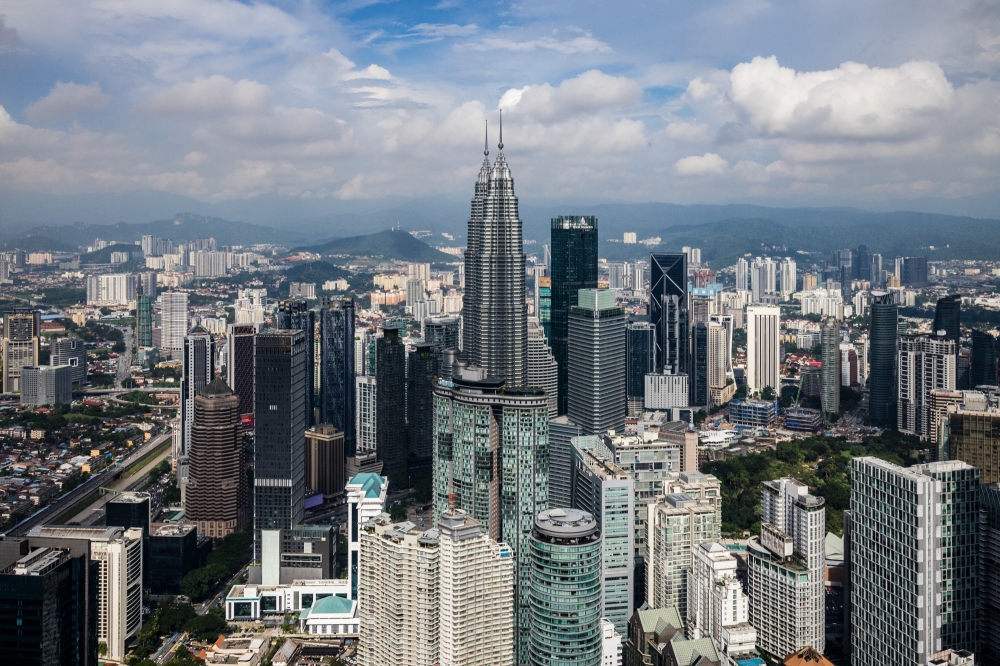
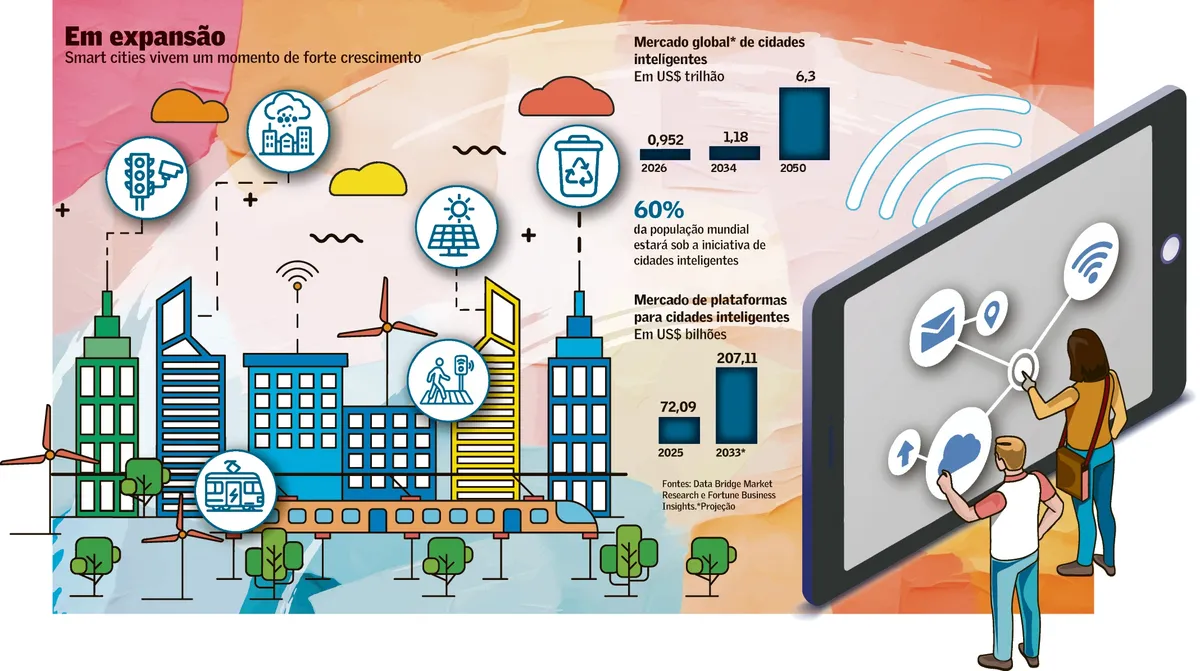
I've seen smart cities in action and they're not just futuristic fantasies, some cities are actually making it happen with connected streetlights that dim when nobody's around, waste trucks that know exactly which bins are full, and traffic systems that adapt to real-time conditions
When I think about IoT in cities, I think about sensors and devices talking to each other, streetlights that adjust brightness based on traffic, waste management systems that optimize routes, and transportation systems that can see where congestion is building and route around it, these benefits are real, they reduce energy consumption, cut costs, and make cities move faster
Barcelona’s smart waste management system uses RFID tags and weight sensors in bins to predict fill rates. This cut collection costs by 30% by reducing unnecessary pickups, but the trade-off is upfront hardware costs - each smart bin adds $500 - $1,000 to municipal budgets. The city also had to replace 40% of legacy bins within two years due to sensor failures in wet conditions.
One of the best parts about smart city tech is that it gives citizens real data, they can check air quality on their phones, see what the actual problems are, and report issues directly through city platforms, it's not just about guessing or trusting some official's word