Building the smart city: Promise, pitfalls and the people at its heart
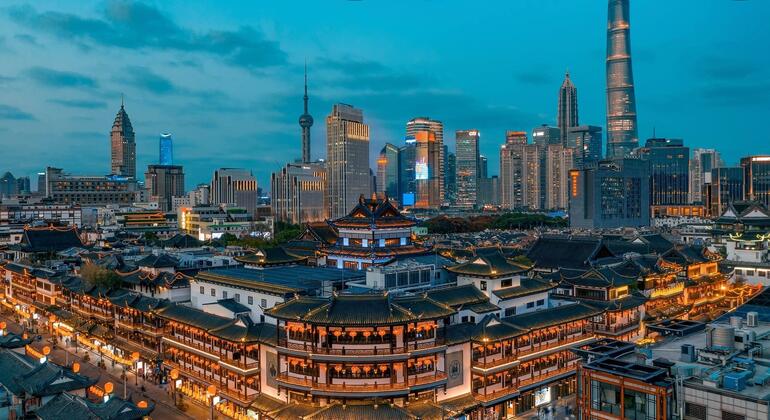
At a sprawling urban expo in Baku, visitors paused before giant digital screens flickering with flood simulations, subway control systems and virtual replicas of entire neighbourhoods. Across the space, cities offered a vision of urban life reshaped by artificial intelligence, digital infrastructure and real-time data – a glimpse of what many governments now call the “city of the future.”A smart city in practiceFew cities illustrate the scale of smart-city ambition quite like Shanghai. At the China Pavilion at the thirteenth session of the World Urban Forum (WUF13) in Baku, officials showcased how the city is using big data and artificial intelligence to build what it calls a “Unified Management with One Network” platform – a vast system bringing together transportation, infrastructure, emergency response and public services.Shanghai has also sought to narrow the digital divide. Through its “One-stop Government Service” portal, residents can access more than 3,500 public services online.The city’s transportation system offers another glimpse into the future. The Shanghai Metro – one of the world’s largest, spanning more than 800 kilometres and over 400 stations – relies on AI-driven monitoring, 5G-enabled communications and predictive weather-control technologies to improve safety and reduce disruptions.Several lines already operate fully automated, driverless trains. AI systems monitor tunnels for cracks, water leaks and structural weaknesses, while vast streams of passenger data are analysed in real time to prevent disruptions across the network.Perhaps the most striking example is the Lingang Starry Sky Sponge Park. Covering 54 hectares, it combines a cosmic-themed landscape with advanced flood management infrastructure. Permeable pavements, underground filtration systems and smart drainage allow the park to absorb, clean and reuse up to 15,000 cubic metres of rainwater each day.