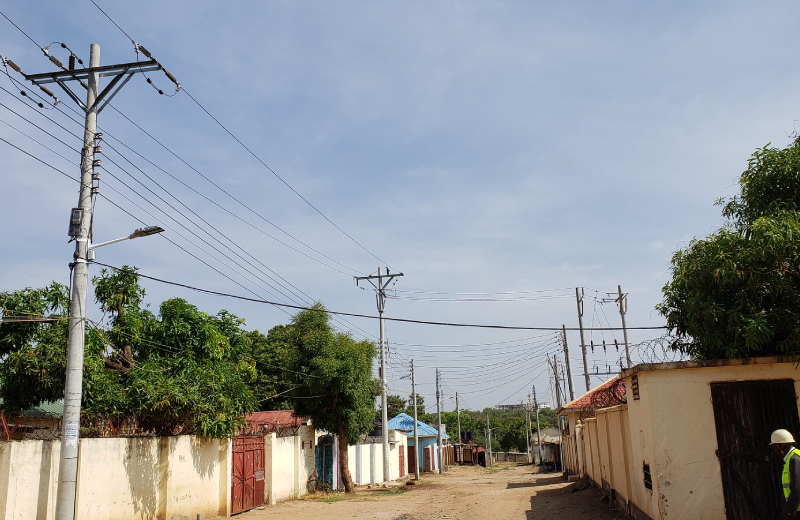
Smart cities are no longer being judged by exhibition halls, glossy renders or isolated pilot schemes in one carefully chosen district. The real test is whether everyday urban systems now work better across whole neighbourhoods, towns and regions.
A connected streetlight that reports its own fault, a water meter that detects abnormal consumption, a traffic signal that gives priority to late buses, or a waste container that reduces overflowing rubbish is more useful than a demonstration dashboard that impresses visitors but changes little on the ground.
This shift matters because urban pressure is still rising. Around 55% of the world’s population lives in urban areas, and the UN projects that figure to reach 68% by 2050. The World Bank also notes that cities generate about 80% of global GDP, which means urban infrastructure is not just a municipal concern; it is a regional development issue. When city systems fail, the effect spreads into logistics, housing, employment, public health, energy demand and investment confidence.
What Is Working Is Usually Less Flashy Than Expected
The strongest smart city projects are not always the most visible. They are often found in waste collection, public lighting, water management, building controls, transport operations and asset maintenance. These are the systems that residents notice when they fail: bins, drains, buses, pavements, permits, parking spaces, meters and public buildings. From a development perspective, that is exactly why they matter.