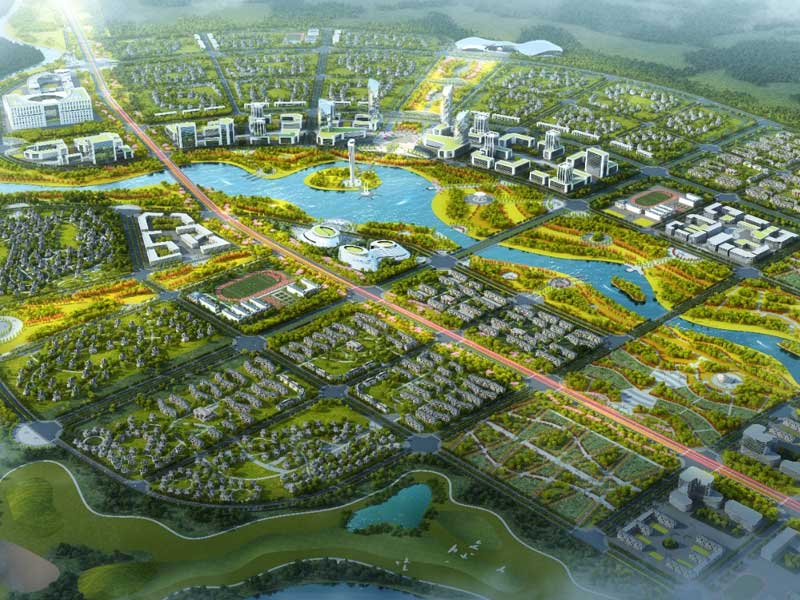
The smart city may set a new benchmark for disciplined planning and sustainable urban development, argues PAT ONUKWULI
Urban civilisation is measured less by imposing buildings than by the quality of life a city sustains. Cities prosper when growth, technology and investment are balanced with sound planning, environmental responsibility and social inclusion. New Enugu Smart City therefore deserves national attention as an opportunity to establish a better model of urban development in Nigeria.
Over the past five decades, Nigeria has produced very few genuinely planned cities. Abuja remains the country’s foremost example of a city conceived and built largely from the ground up, primarily to decongest Lagos and provide a purpose-built Federal Capital. Its original master plan was one of Africa’s most ambitious urban planning exercises, carefully integrating residential, commercial, institutional and recreational districts with supporting infrastructure.
Abuja, however, also offers an important lesson. Repeated alterations to the master plan, inconsistent development control and an increasing number of planning exceptions have gradually weakened many of its founding principles. The result is mounting congestion, growing pressure on infrastructure and development patterns that increasingly resemble the urban problems the city was designed to avoid. The lesson is not that master plans fail, but that they cease to protect cities when cities cease to protect them.