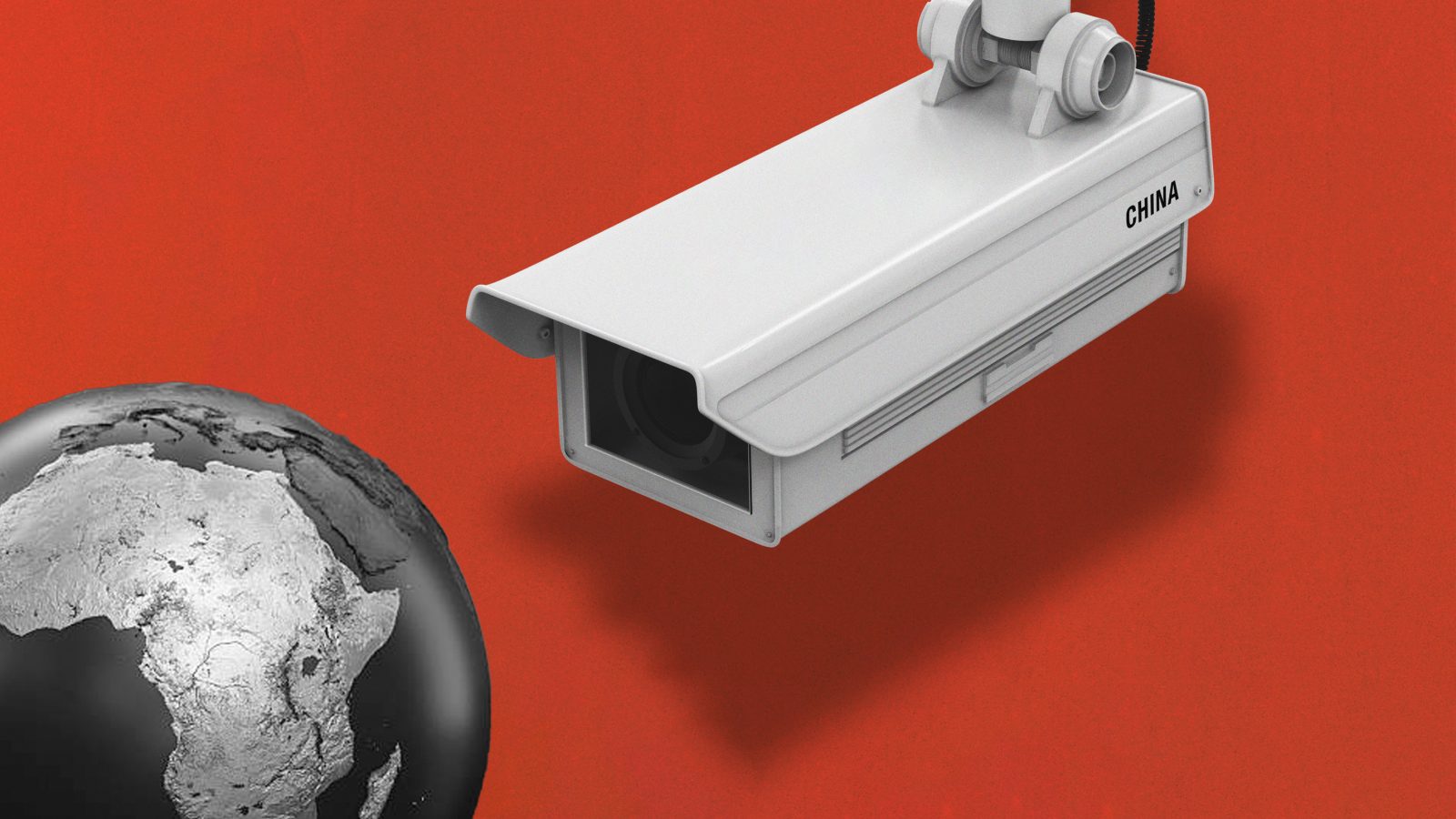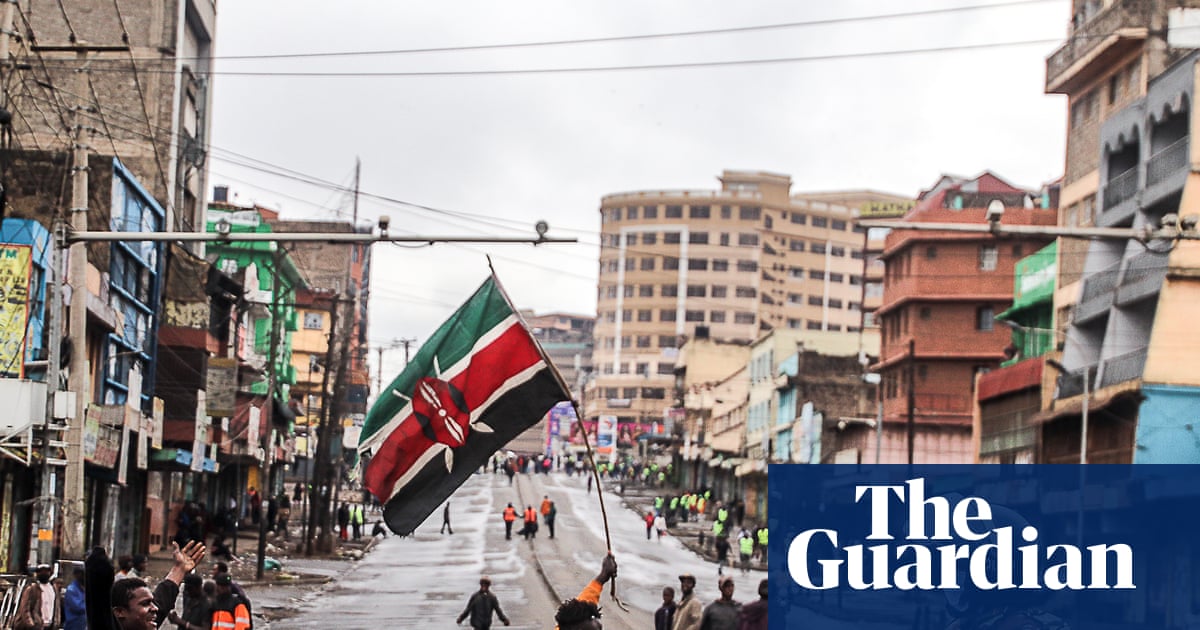
Across cities like Nairobi, Lusaka and Abuja, a new layer of infrastructure is rising—one that is largely invisible but deeply consequential. Under the banner of “safe city” or “smart city” programmes, African governments are deploying extensive surveillance systems financed and built through partnerships with Chinese firms and state-backed lenders.
Marketed as tools to fight crime and improve urban security, these systems represent one of the fastest-growing segments of Africa’s digital transformation. Yet beneath the promise of safety lies a more complex and troubling reality: the rapid institutionalisation of surveillance without adequate safeguards, creating new risks for civil liberties, political accountability and long-term sovereignty.
The Appeal of the Chinese Model
At the core of this expansion is what analysts describe as a bundled governance model. Chinese firms such as Huawei, ZTE and Hikvision do not simply sell cameras. They offer a full package—hardware, software, financing and implementation.
Backed by lenders like China Exim Bank, African governments can access hundreds of millions of dollars in credit to deploy surveillance networks quickly. These packages typically include thousands of high-definition cameras, facial recognition systems, vehicle tracking technology and centralised command centres.