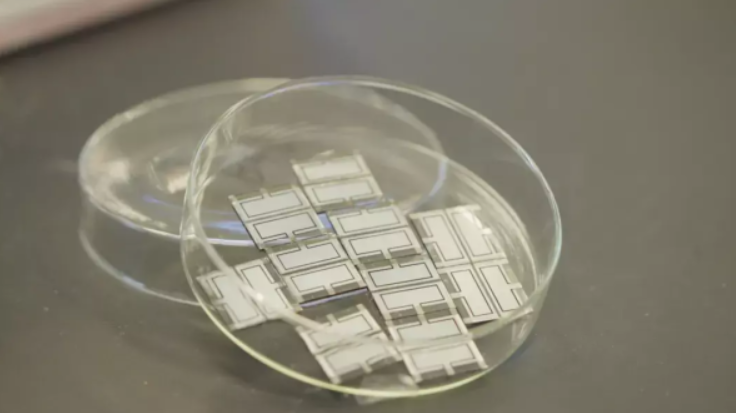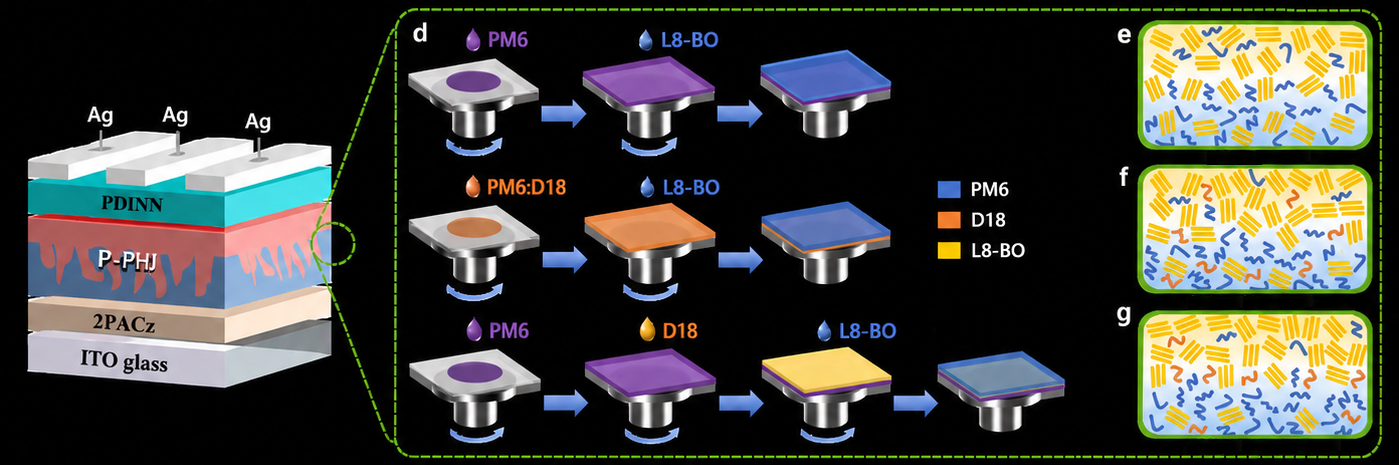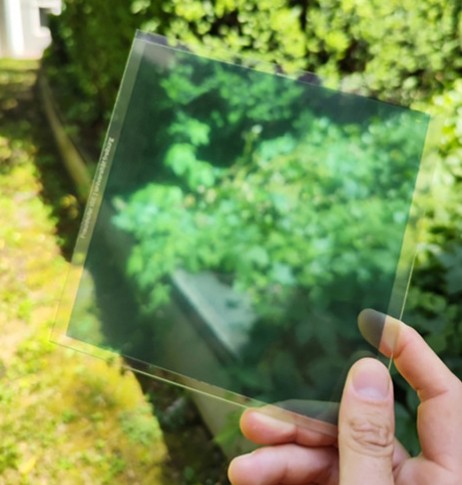
Organic solar cells have reached over 20% certified power conversion efficiency, with laboratory-scale devices surpassing 21% through innovations in non-fullerene acceptors and device optimization.
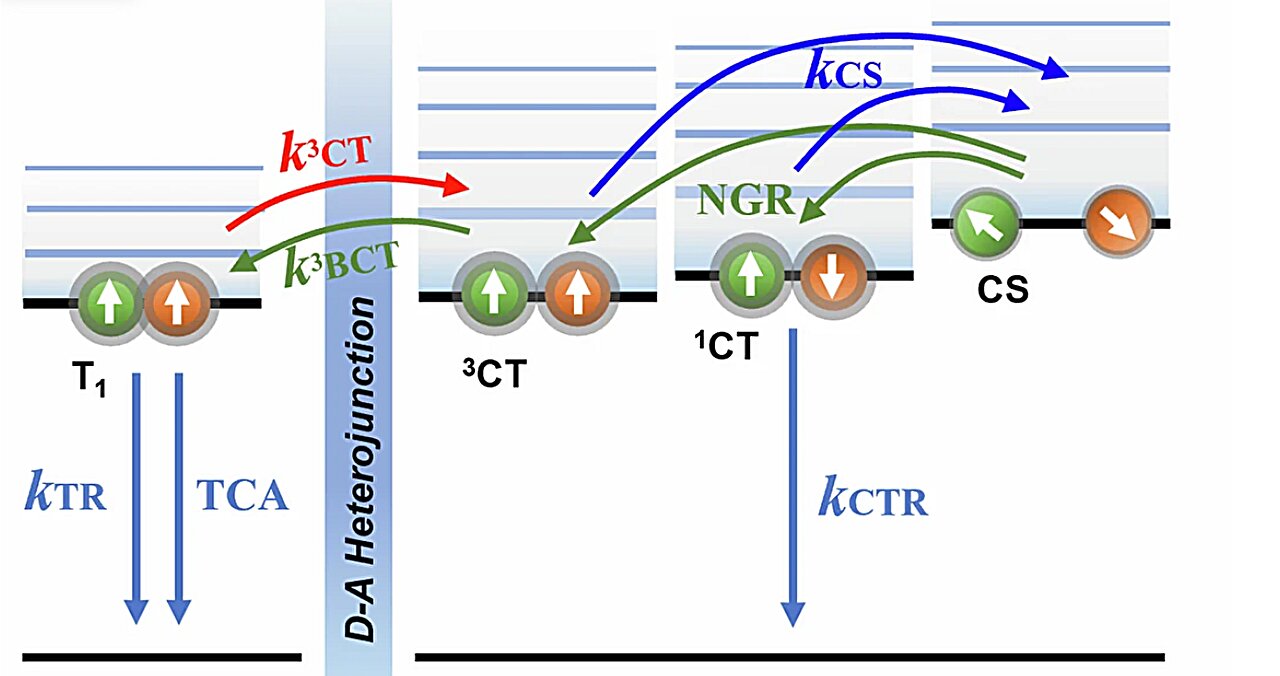
Researchers at City University of Hong Kong (CityUHK) have reported a breakthrough in organic PV by achieving a power conversion efficiency of 20.5% in an organic solar cell. This milestone was enabled by a novel strategy that re-associates normally non-emissive triplet excitons into extractable free charge carriers, significantly reducing energy losses that have traditionally limited the performance of organic PV cells.
In these cells, triplet excitons are often regarded as loss channels because their long lifetimes and spin-forbidden transitions hinder efficient charge generation. The CityUHK team developed a mechanism that converts these otherwise trapped excitations into free electrons and holes that can be collected at the electrodes, thereby improving photocurrent generation without compromising the device voltage.
Organic solar cells have so far achieved certified efficiencies above 20%, with laboratory-scale devices exceeding 21% through advances in non-fullerene acceptors, morphology control, and reduced energy losses.