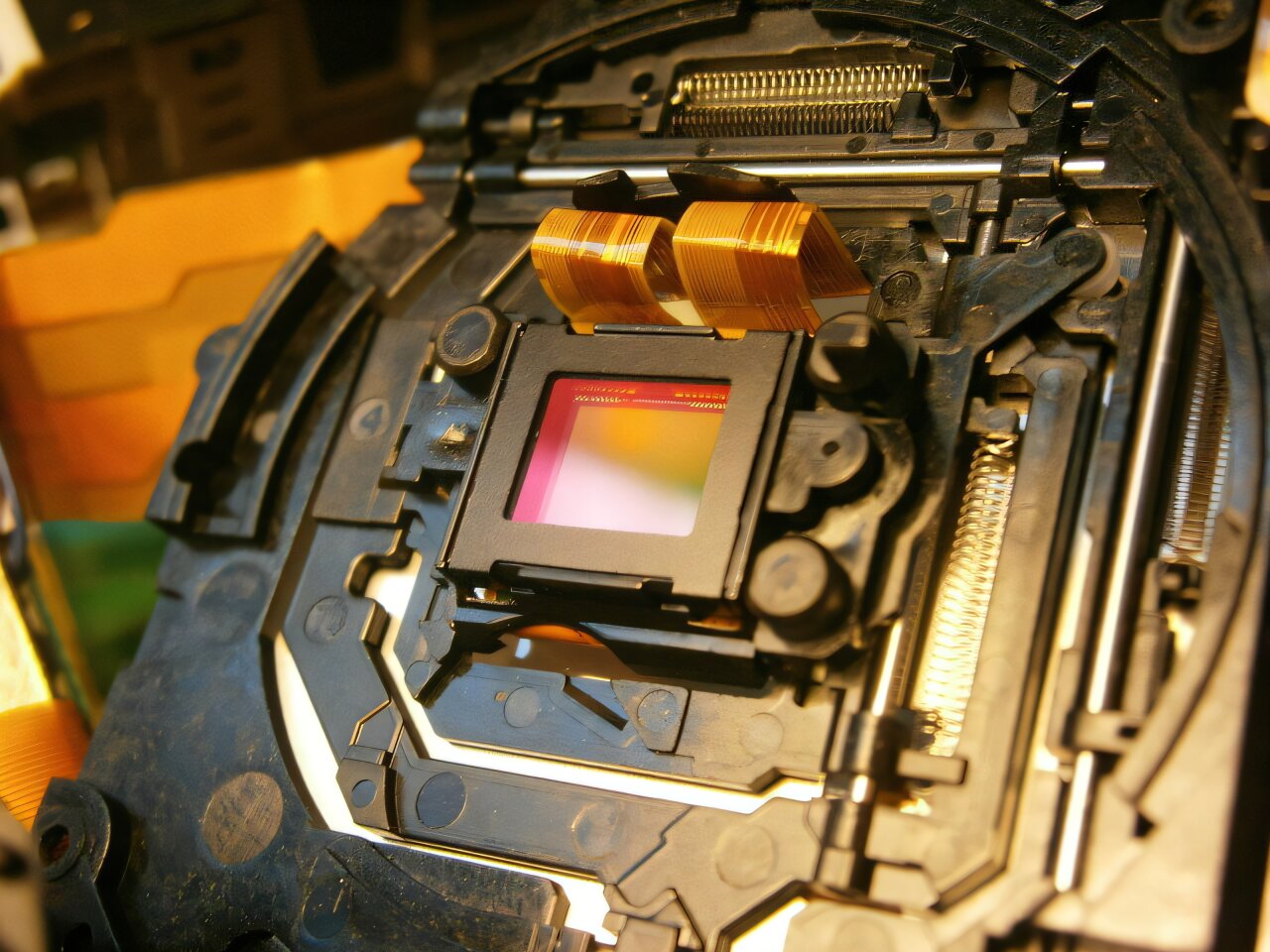
Cryogenic VCSEL-based optical interconnects can support high-bandwidth communications at low temperatures, while reducing thermal leakage and power consumption. Credit: Steys from Openverse Image Source Link: https://openverse.org/image/e8986765-55f8-478e-86e7-7d95f8344a64?q=image+sensor&p=3
FPAs are image sensors that convert infrared light into electrical signals to produce real-time thermal images and are widely used in applications such as surveillance, astronomy and industrial monitoring. Advances in cryogenic FPAs have enabled higher resolution, sensitivity and faster imaging, but they also require data rates exceeding 100 gigabits per second. Conventional electrical interconnects used to support these demands increase heat load through copper connections, which can leak into FPAs, raise noise, and increase cooling requirements and power consumption.
Against this backdrop, a new study published in IEEE Photonics Technology Letters on March 27, 2026, explored cryogenic vertical-cavity surface-emitting lasers (cryo-VCSELs) for high-bandwidth optical interconnects in FPAs. "Optical interconnects can reduce heat transfer while maintaining high data rates. Cryo-VCSELs offer a small footprint, high bandwidth, and low energy-per-bit operation at cryogenic temperatures," explains author Liu from the University of Illinois Urbana-Champaign, U.S.