view more
Ultrafast lasers emit pulses lasting only a few hundred femtoseconds, or quadrillionths of a second. These flashes of light power applications from precision micromachining, eye surgery to optical frequency combs, the Nobel Prize-winning technology behind today's most precise optical atomic clocks. Yet despite more than two decades of effort, ultrafast lasers have largely remained bulky, expensive systems confined to optical tables.
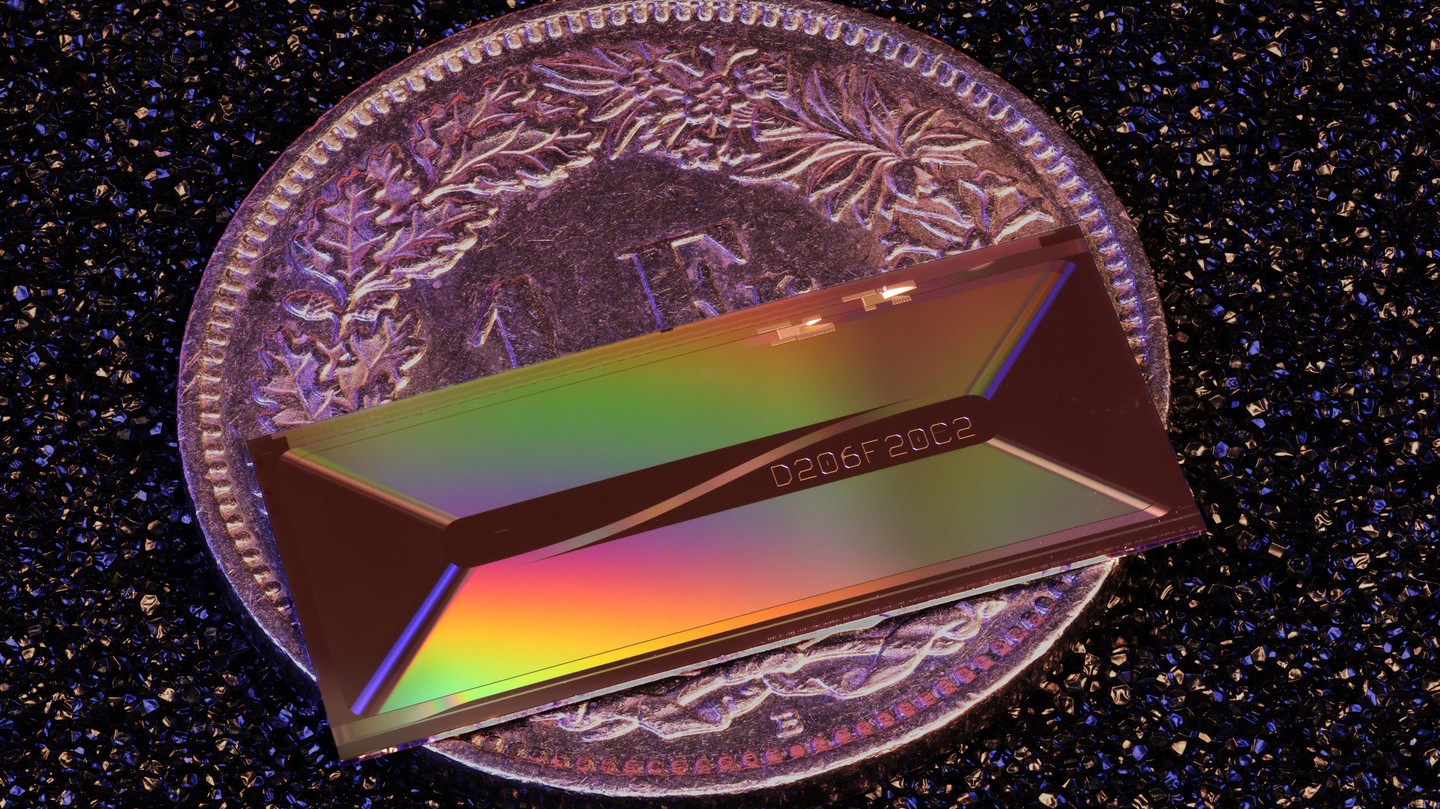
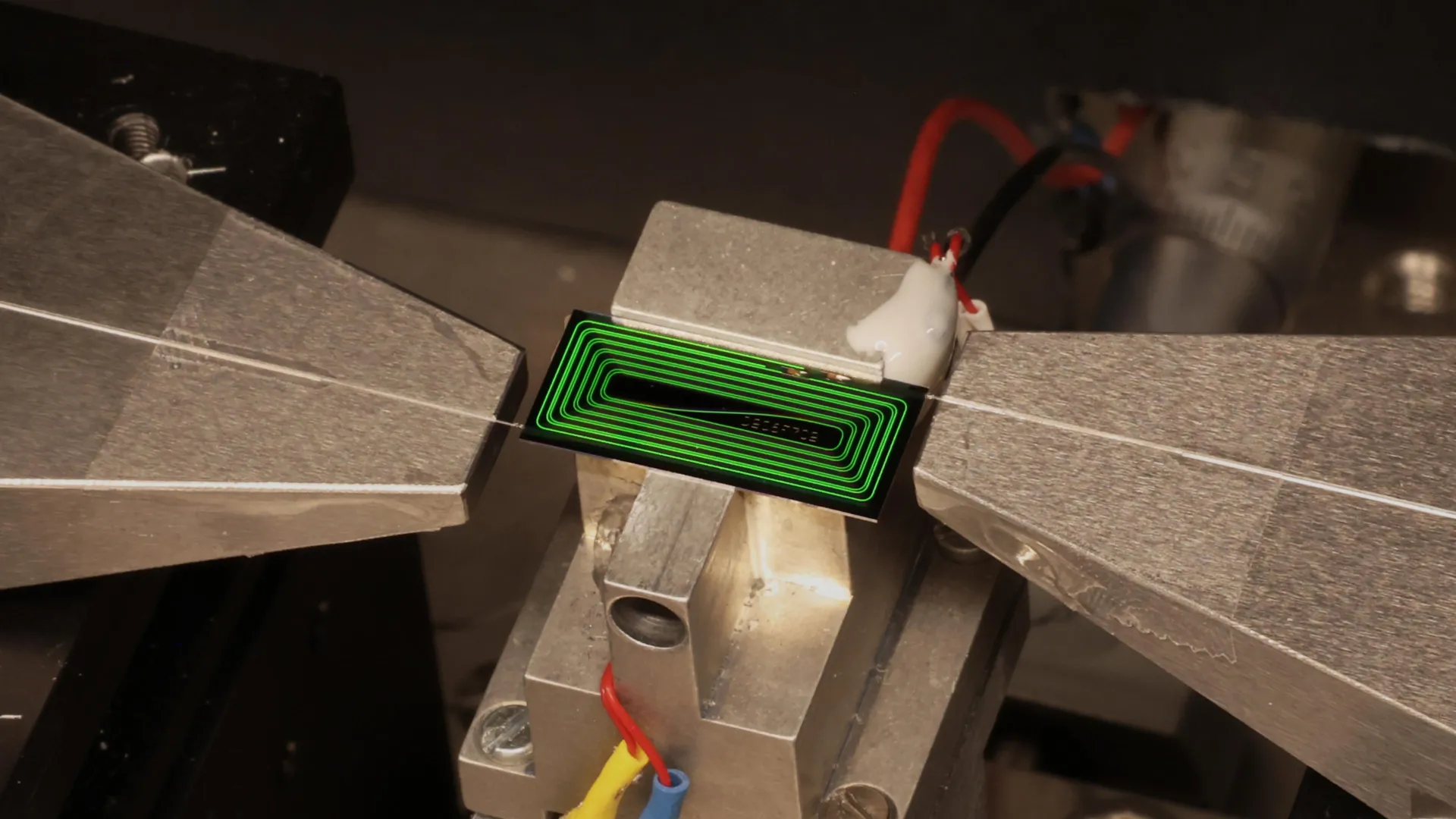
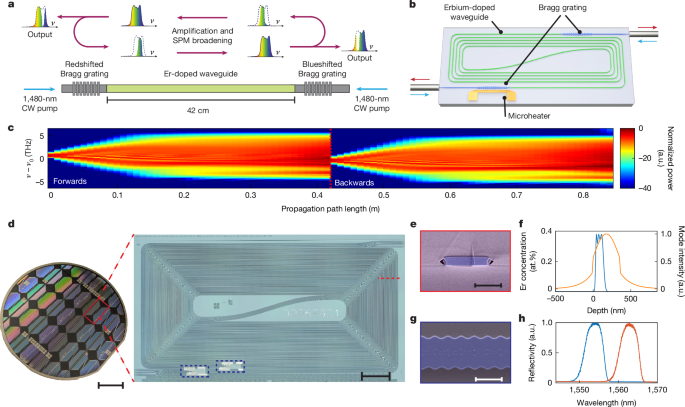
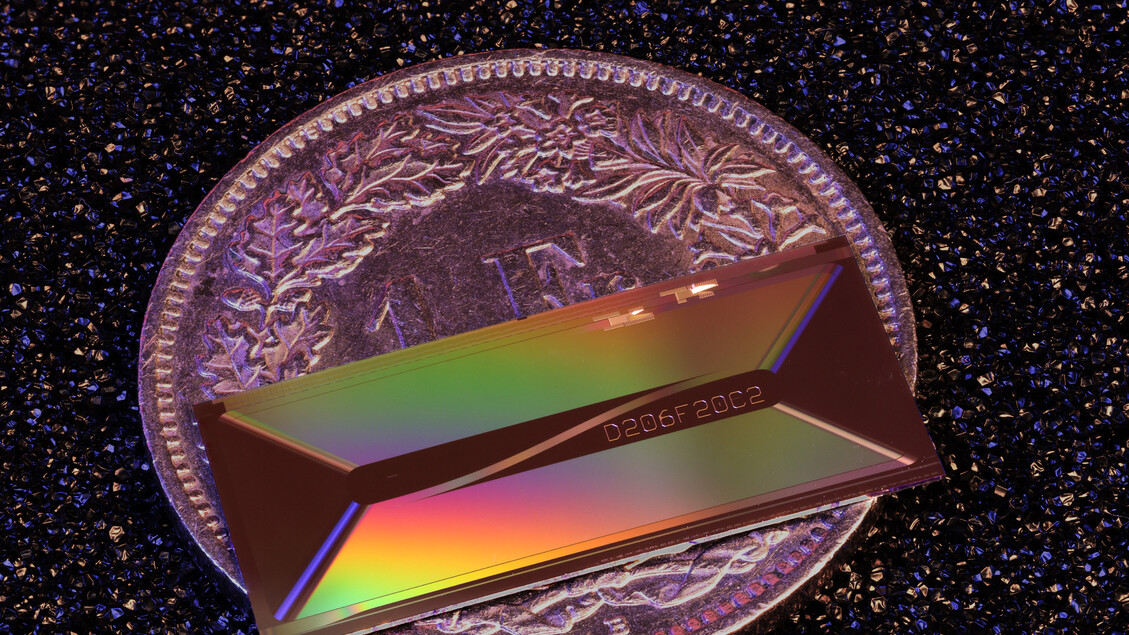
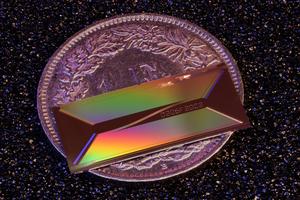
Now a team led by Professor Tobias J. Kippenberg at EPFL has brought them onto a photonic chip. Publishing in Nature, the researchers report the first integrated ultrafast laser that rivals table-top femtosecond lasers, delivering 1.05 nanojoules in pulses as short as 147 femtoseconds.
Photonic chips guide and process light in microscopic channels called waveguides patterned on a wafer, much like how electronic microchips route electricity. Already widely used in telecommunications, photonic chips have miniaturized complex functions that once required much larger systems.
"For more than twenty years, a high-pulse-energy femtosecond laser on chip was widely regarded as a holy grail of integrated photonics,” says Kippenberg. "Our result shows that it is not only possible, but that it can be achieved with a surprisingly elegant architecture that the integrated-photonics community had overlooked."