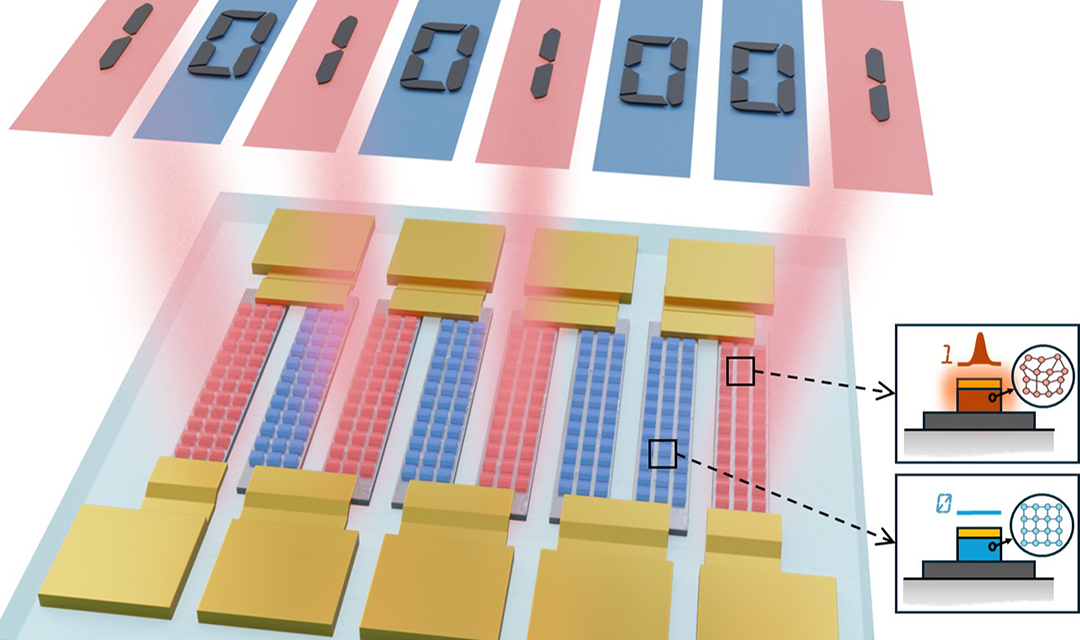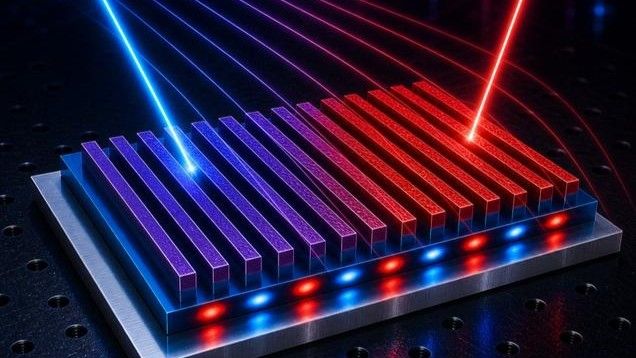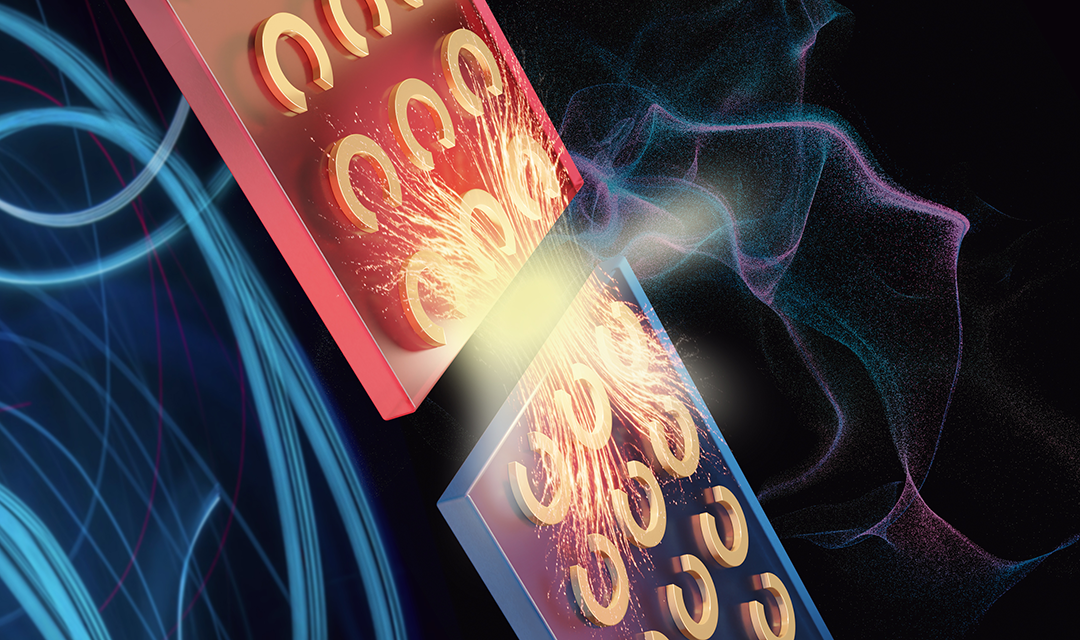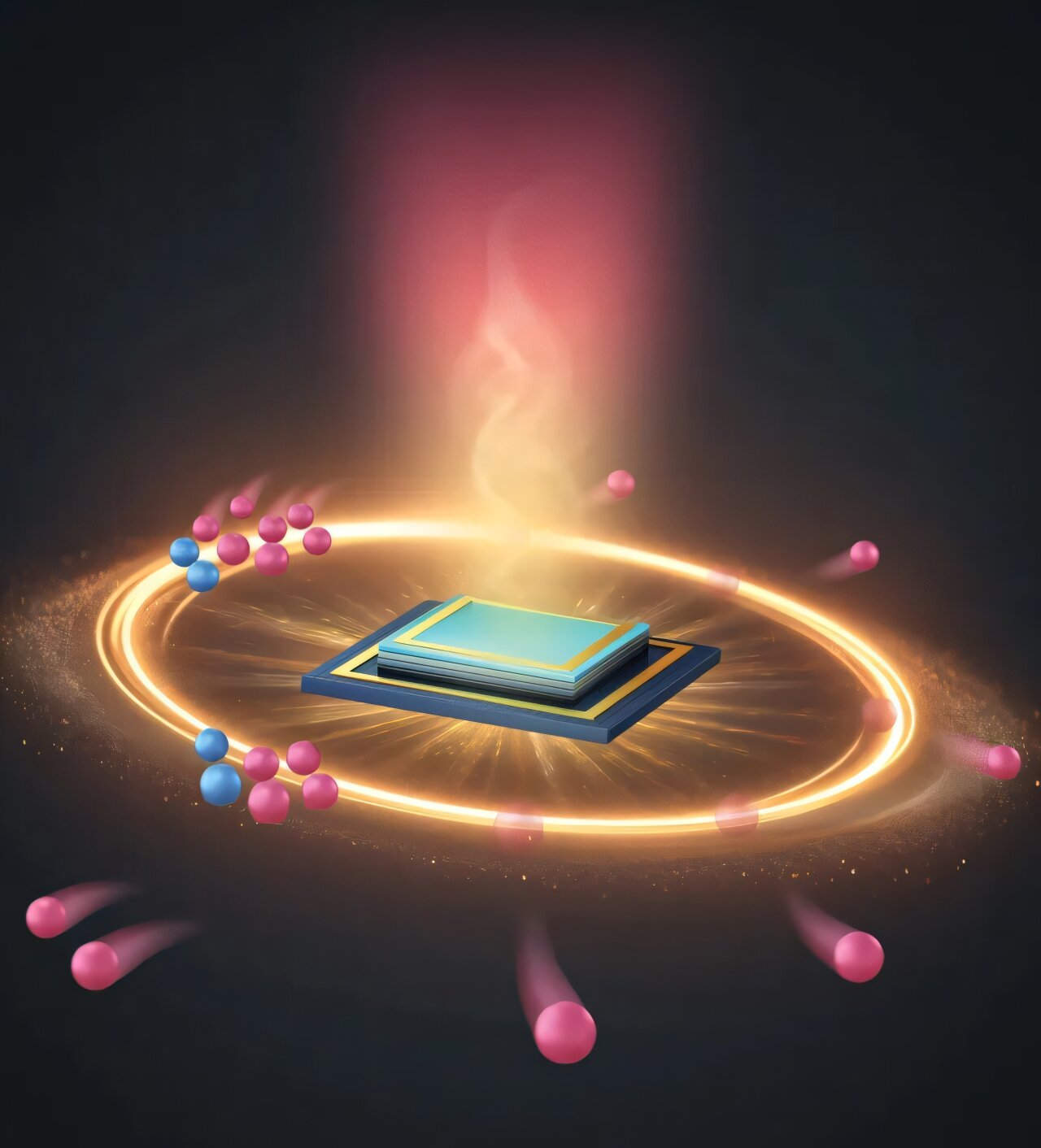
Artistic view of the carrier feedback process in a transistor, which leads to strong and programmable temperature dependent properties. Credit: The Xia Lab
With help from a small transistor, a team of researchers led by Professor Fengnian Xia figured out a way to make a type of thermal imaging technology dramatically more accurate. The results are published in Nature Sensors.
Robots, drones, self-driving vehicles and other autonomous devices rely on thermal sensing and imaging to navigate the spaces they travel in. It's also used in many other technologies, including night vision, remote thermometers and rescue operations.
The problem
Thermal imaging devices detect the heat emitted by objects and then create a visual heat map. There are two common types of thermal imaging technology, and both have downsides. One uses photon detection, which is very accurate but also needs to be kept at extremely cold temperatures. It's also very expensive and is typically used for military purposes and other specialized applications.