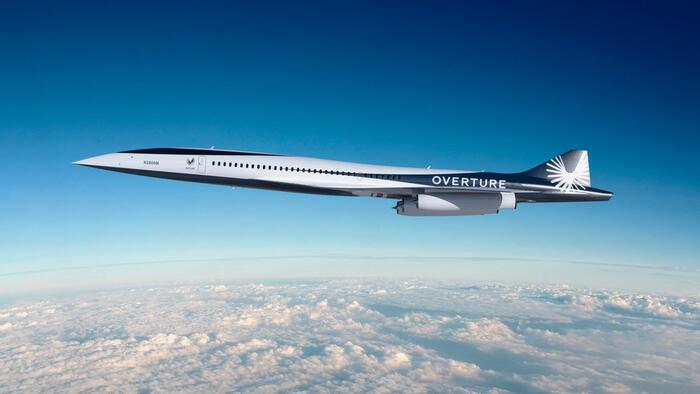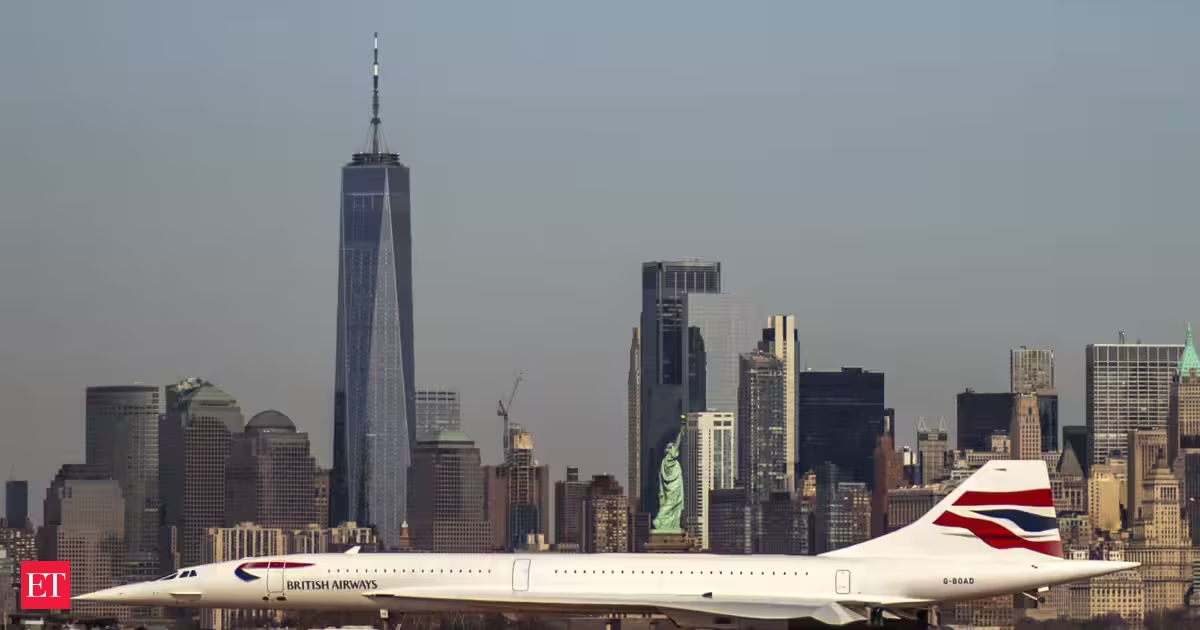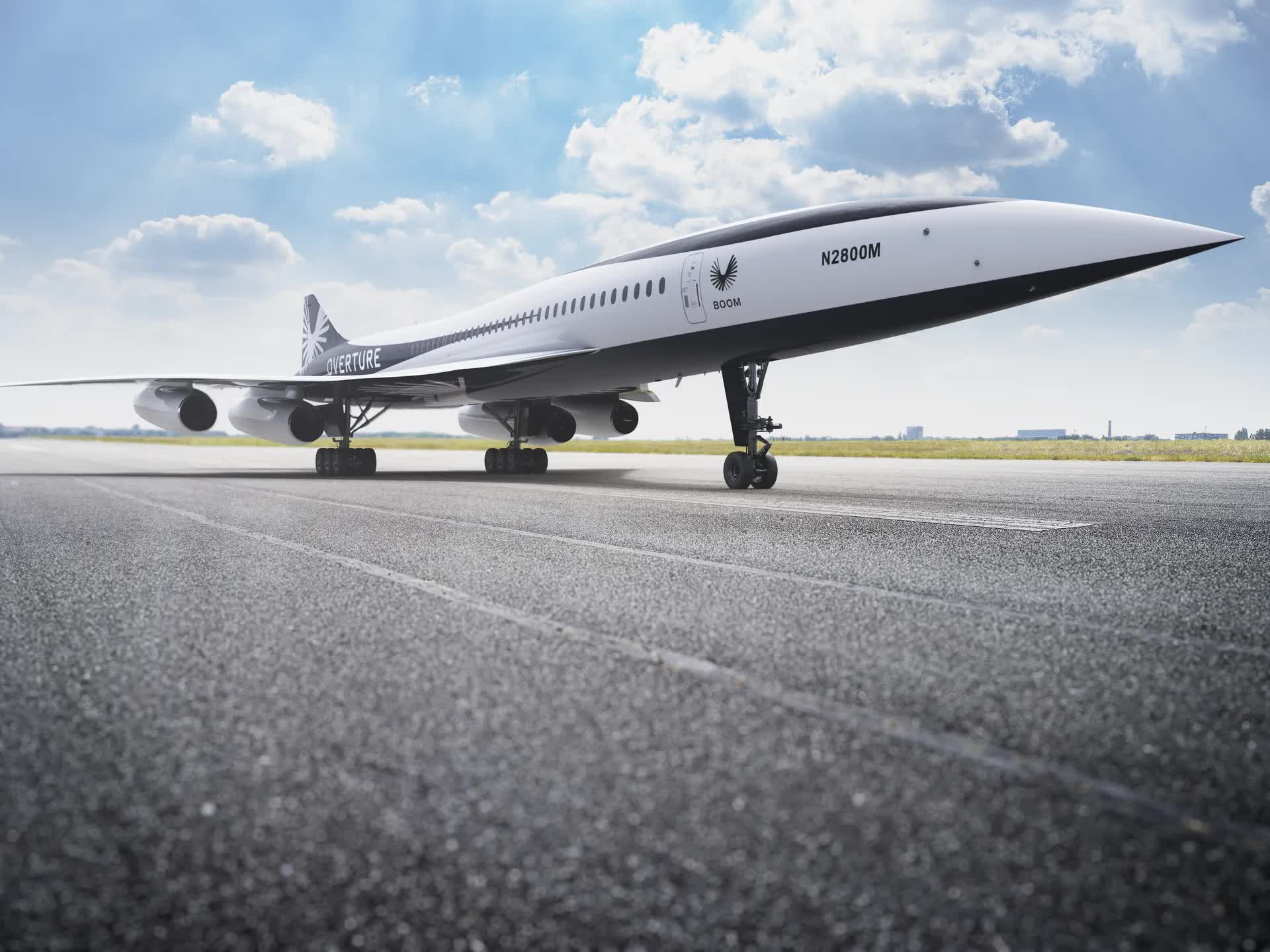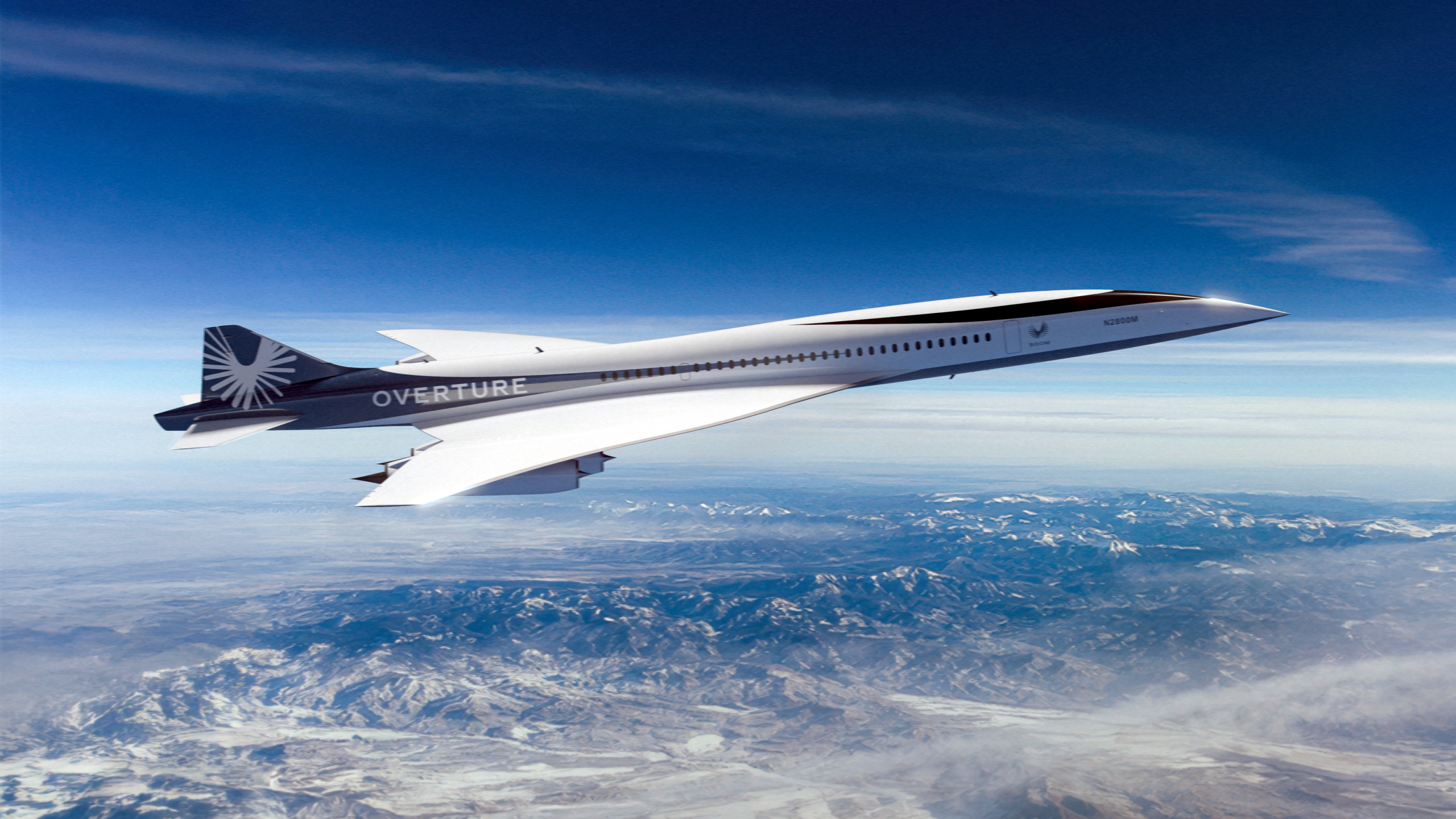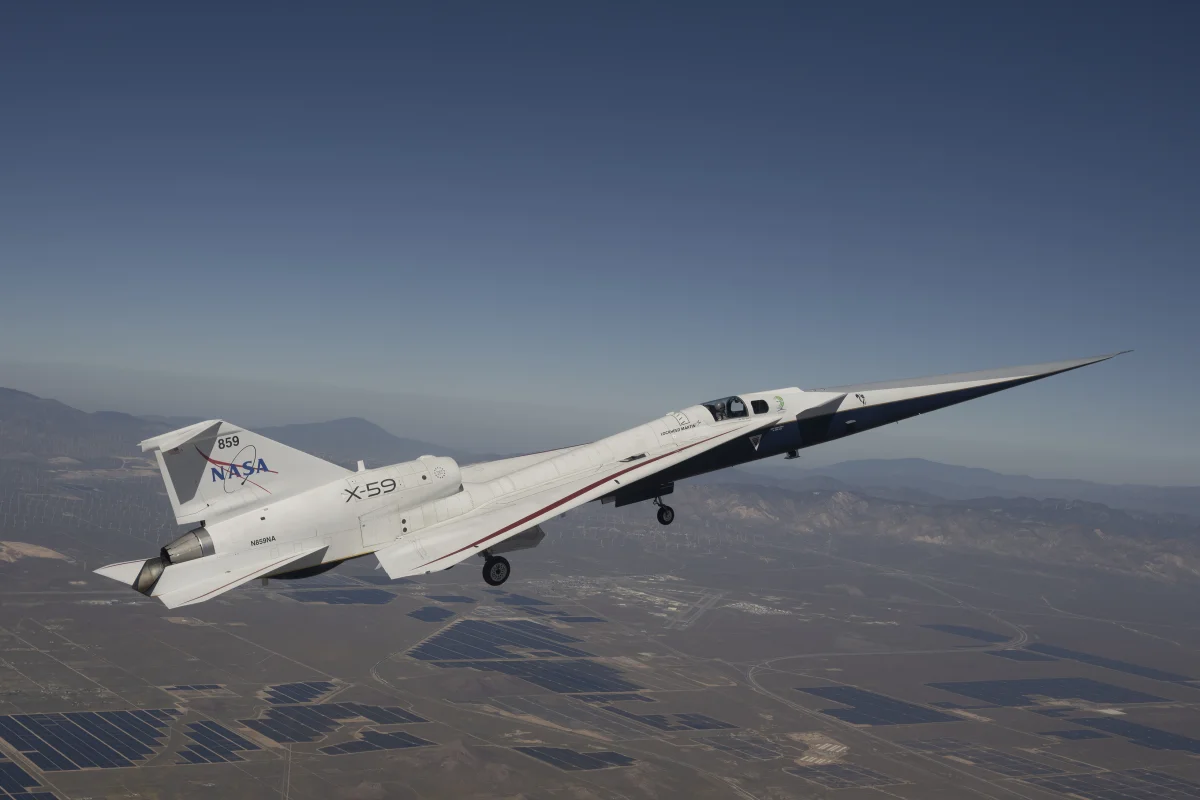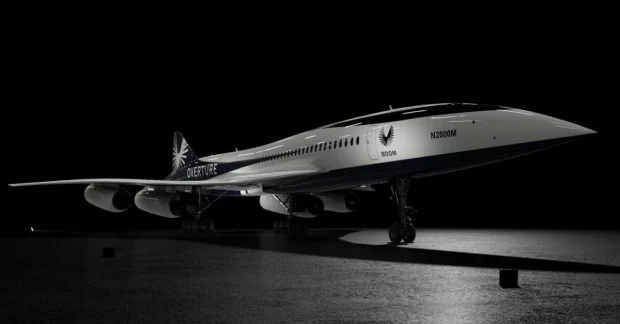
The ability to travel at the speed of sound is on the horizon—in the United States, at least.
The Federal Aviation Administration (FAA) just announced a new proposal that would lift the just-over 50-year ban on supersonic flights over the continental U.S. Under the suggested guidelines, the agency would set a noise-based certification standard for supersonic aircraft.
The FAA also revealed plans for more rules to come later this year, which would establish landing and takeoff noise standards for any aircraft flying at Mach 1 and above—the benchmark for supersonic sound, which is a speed of more than 770 mph. A traditional commercial aircraft, meanwhile, flies at 550 to 600 mph.
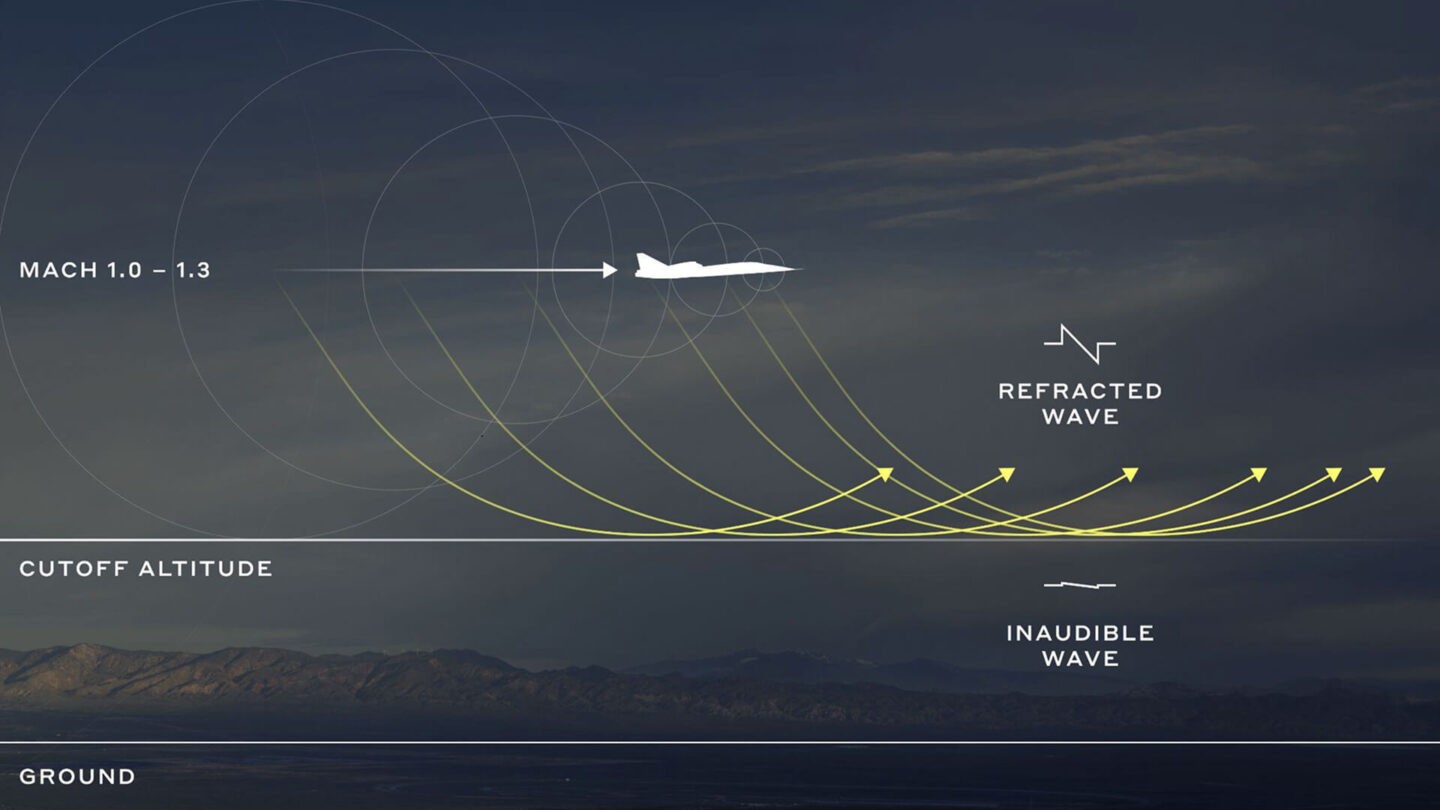
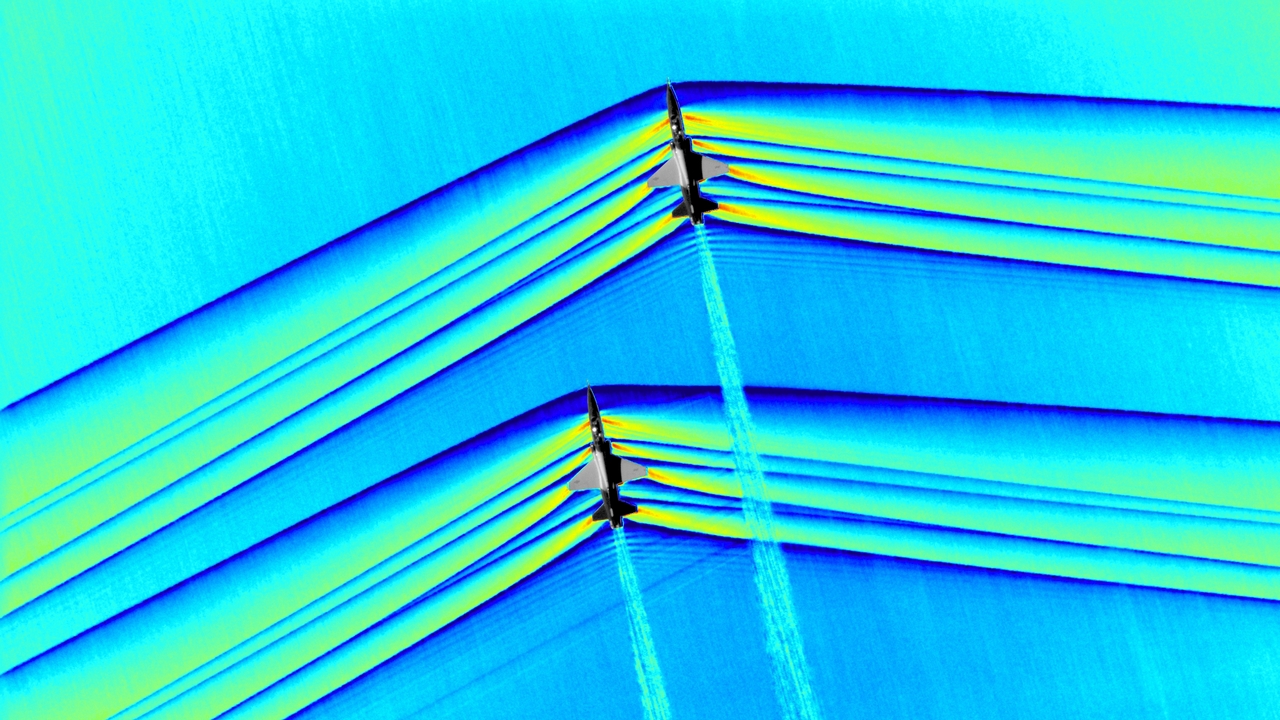
With breaking the sound barrier comes a sonic boom, a massive noise disturbance that led the FAA to ban supersonic flight over land in the first place. As such, reducing those disruptions is a key part of the FAA’s new plan. In its proposal, it outlines using a flight technique called Mach cutoff in which the aircraft’s design, atmospheric conditions, speed, and altitude work together to refract the sonic boom back into the atmosphere, thereby reducing its impact on land.
“Advances in aerospace engineering, materials science, noise reduction, and new operational concepts will eliminate the old sonic boom,” FAA administrator Bryan Bedford said in a press release. “This means we can ultimately repeal the ban from the 1970s on supersonic flight over U.S. territory while minimizing noise impacts to residents in communities along the route and near airports.”