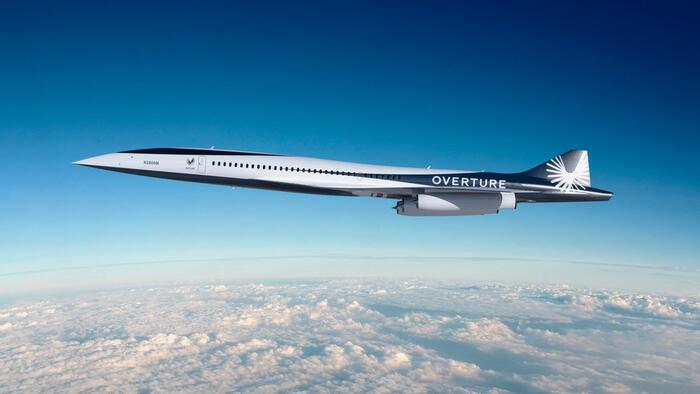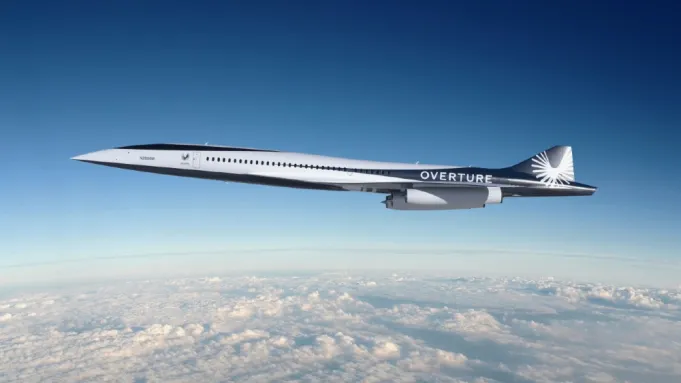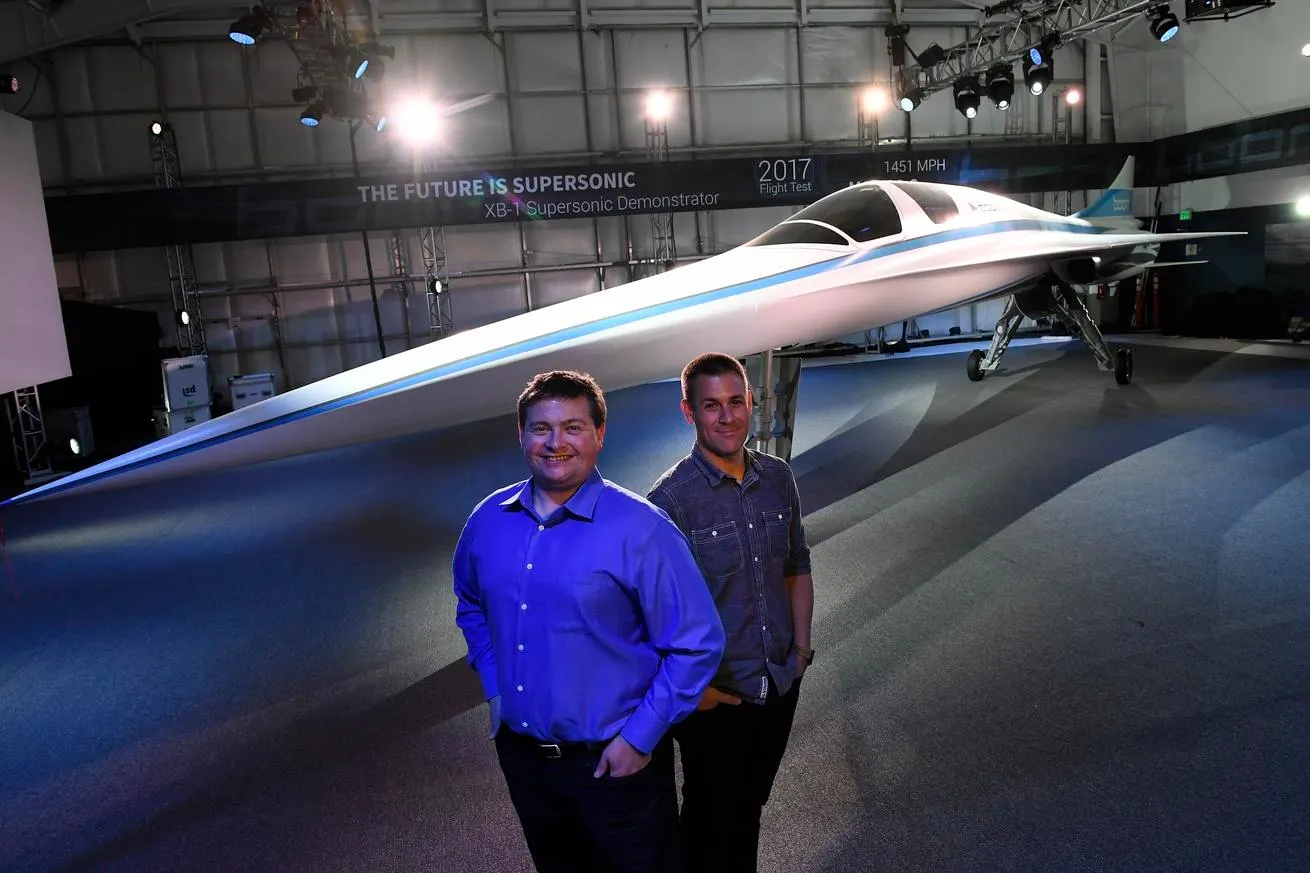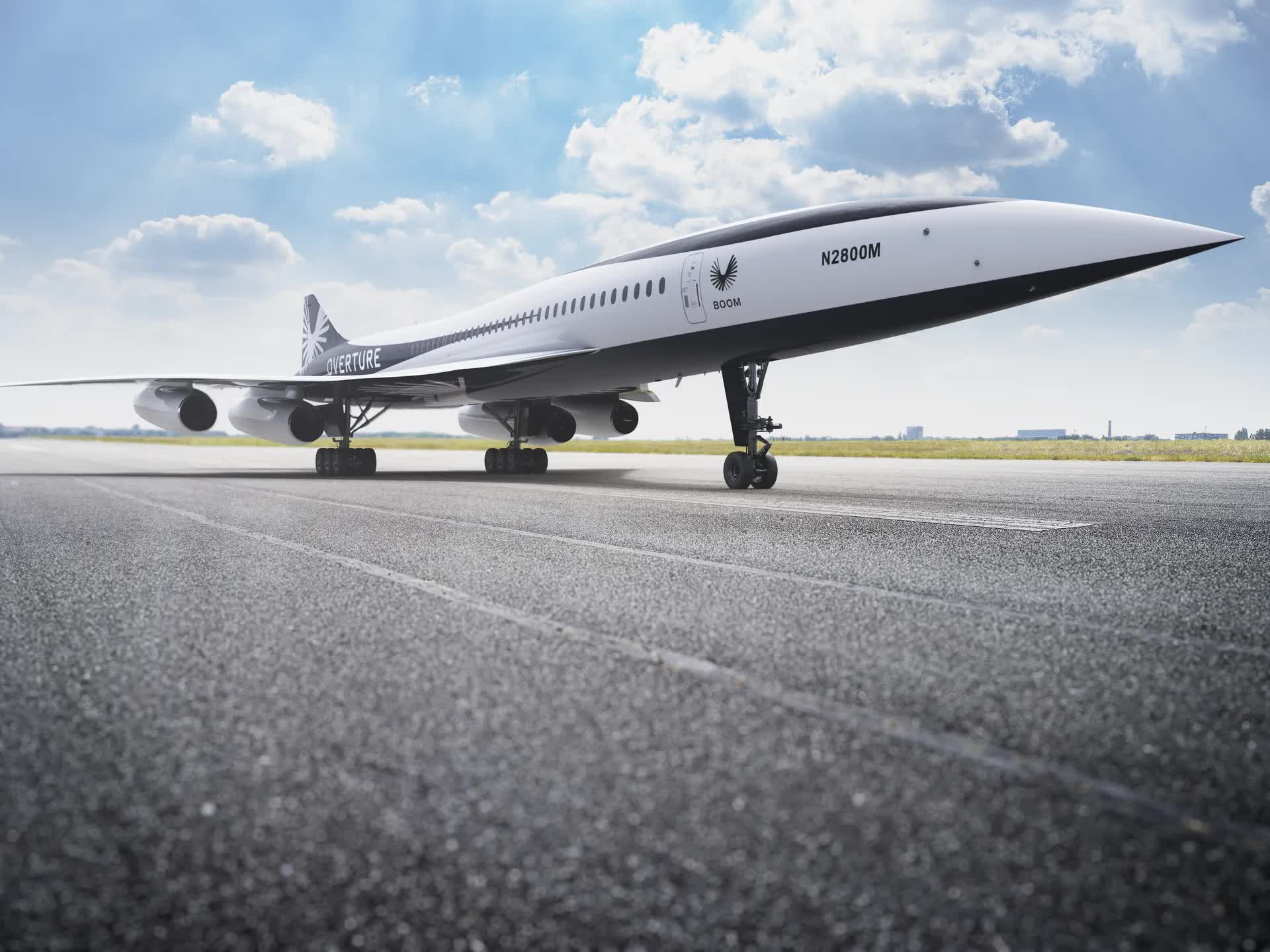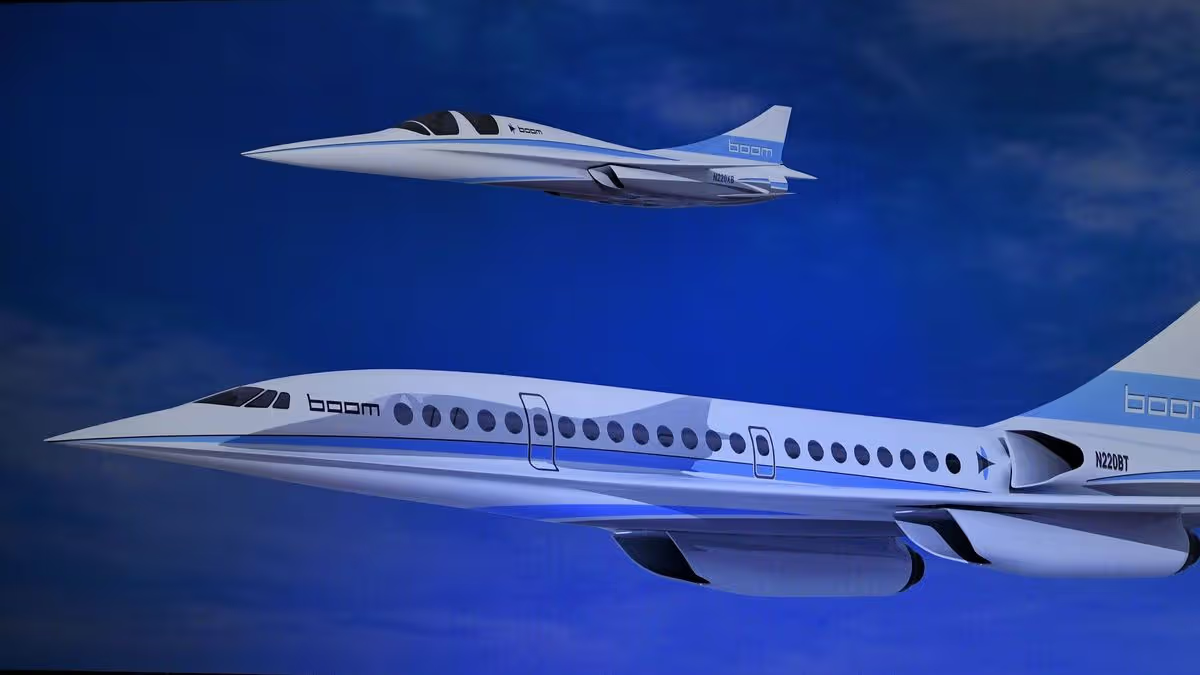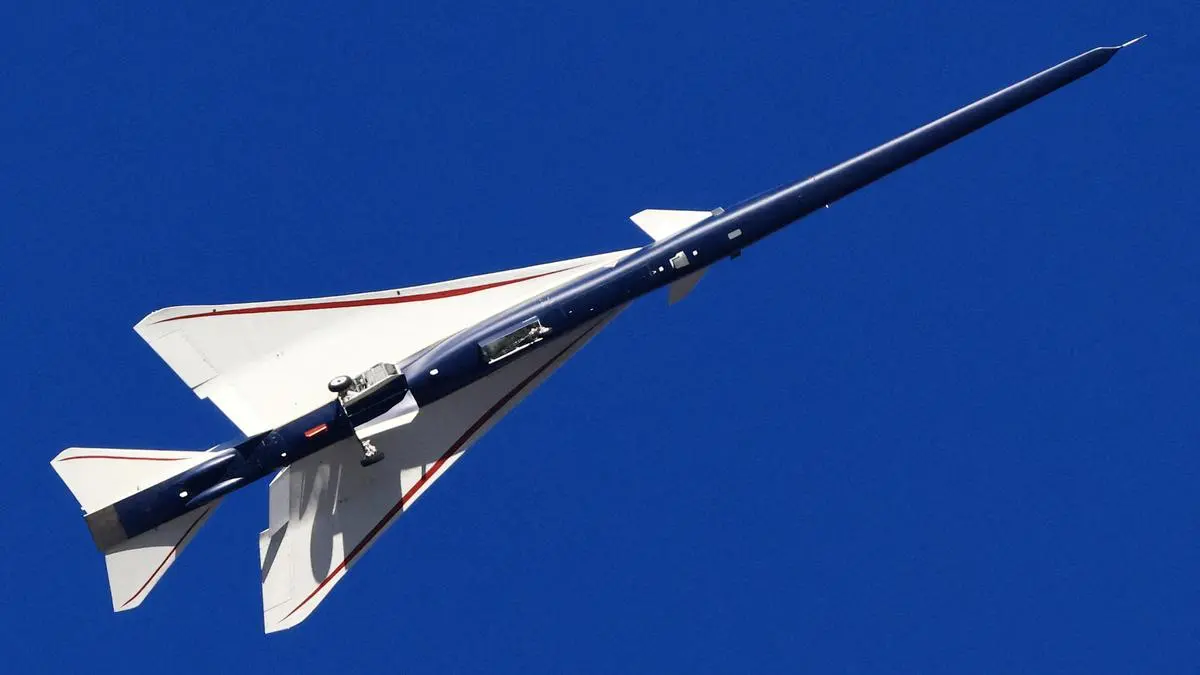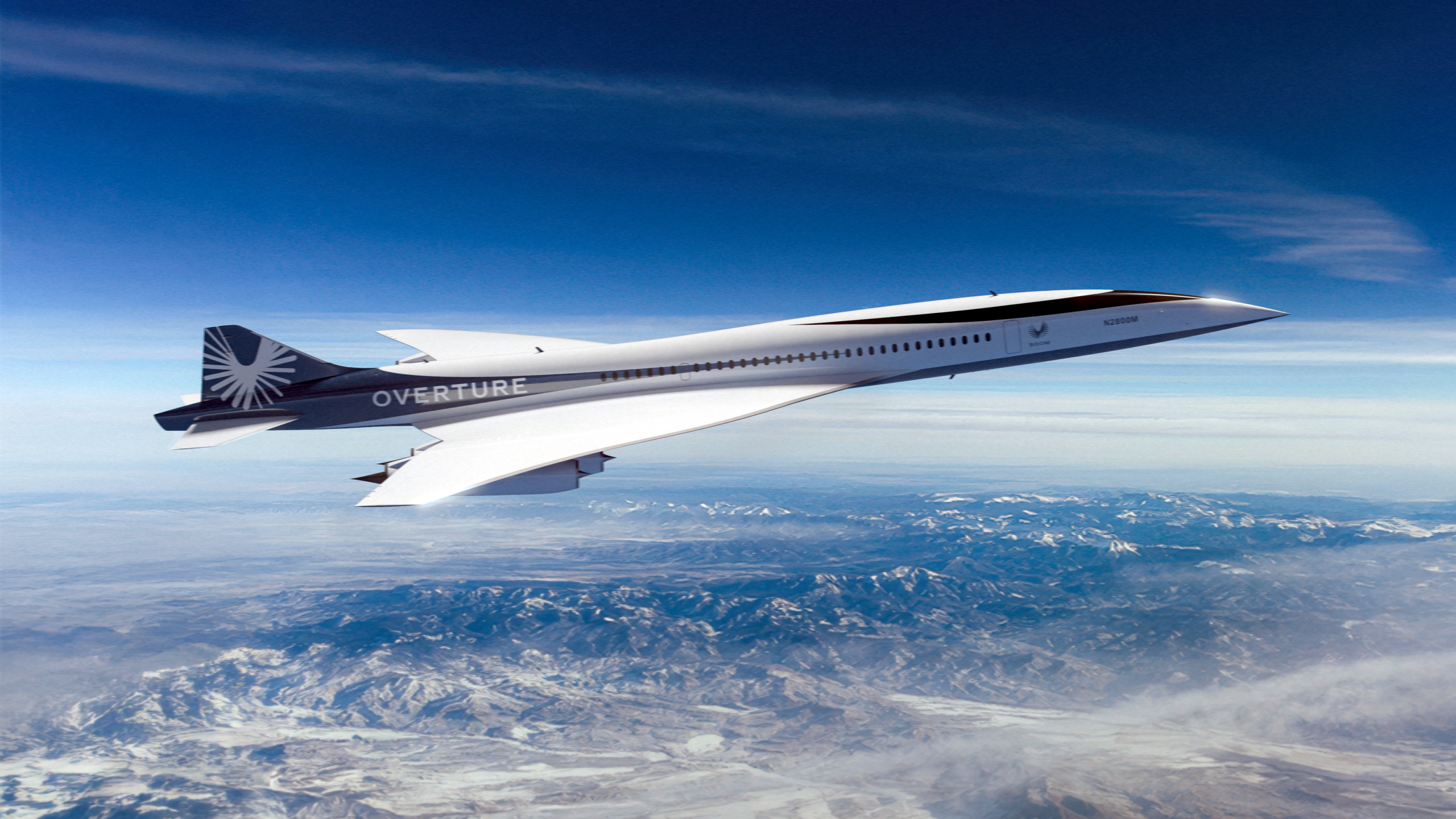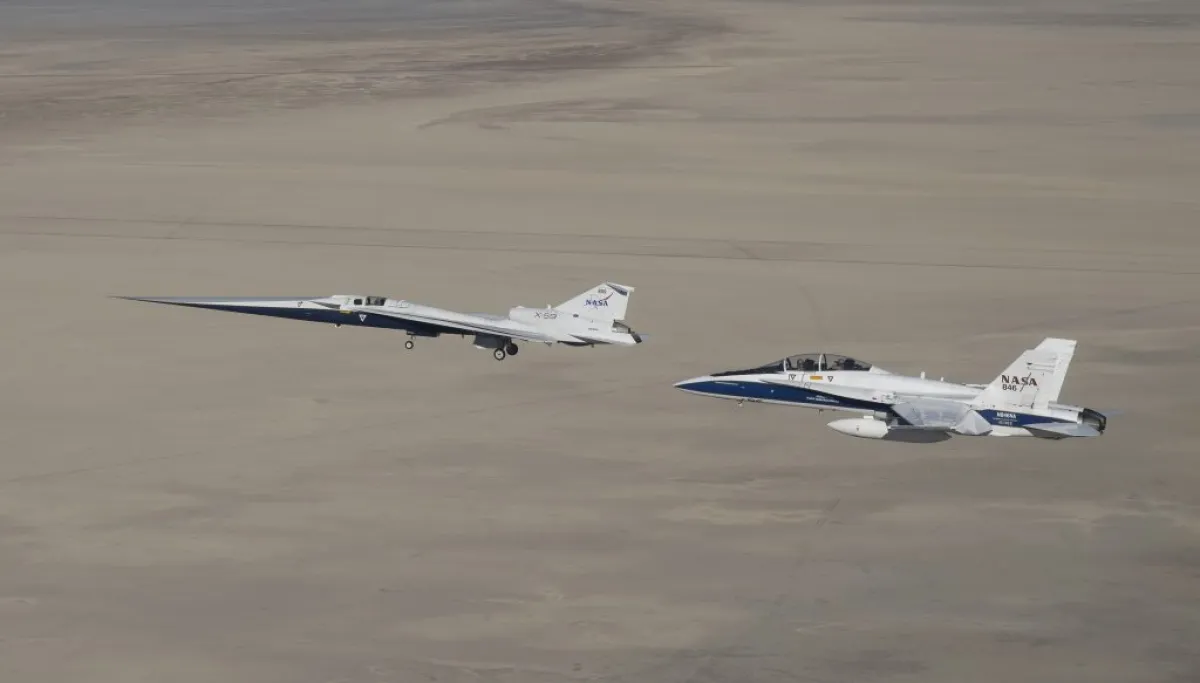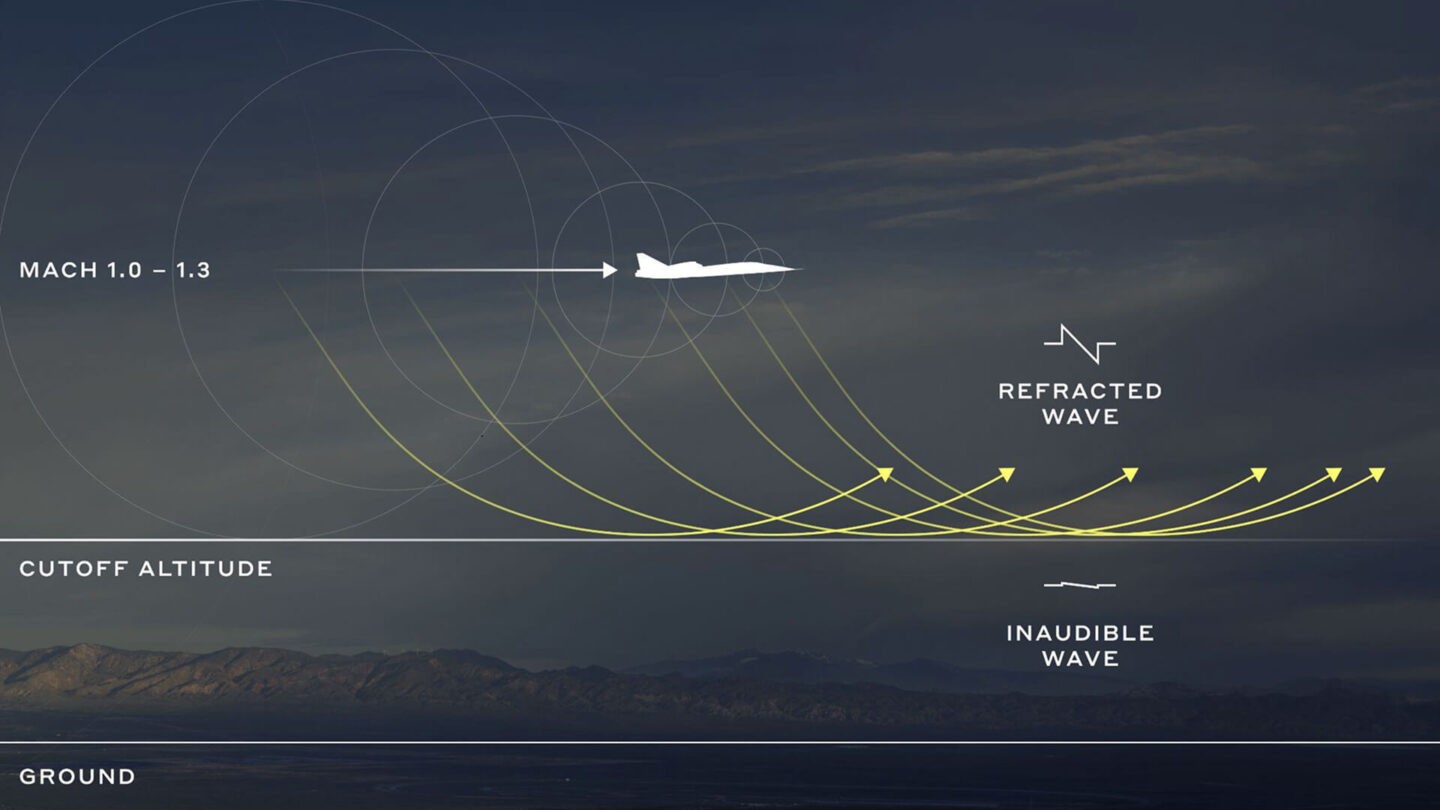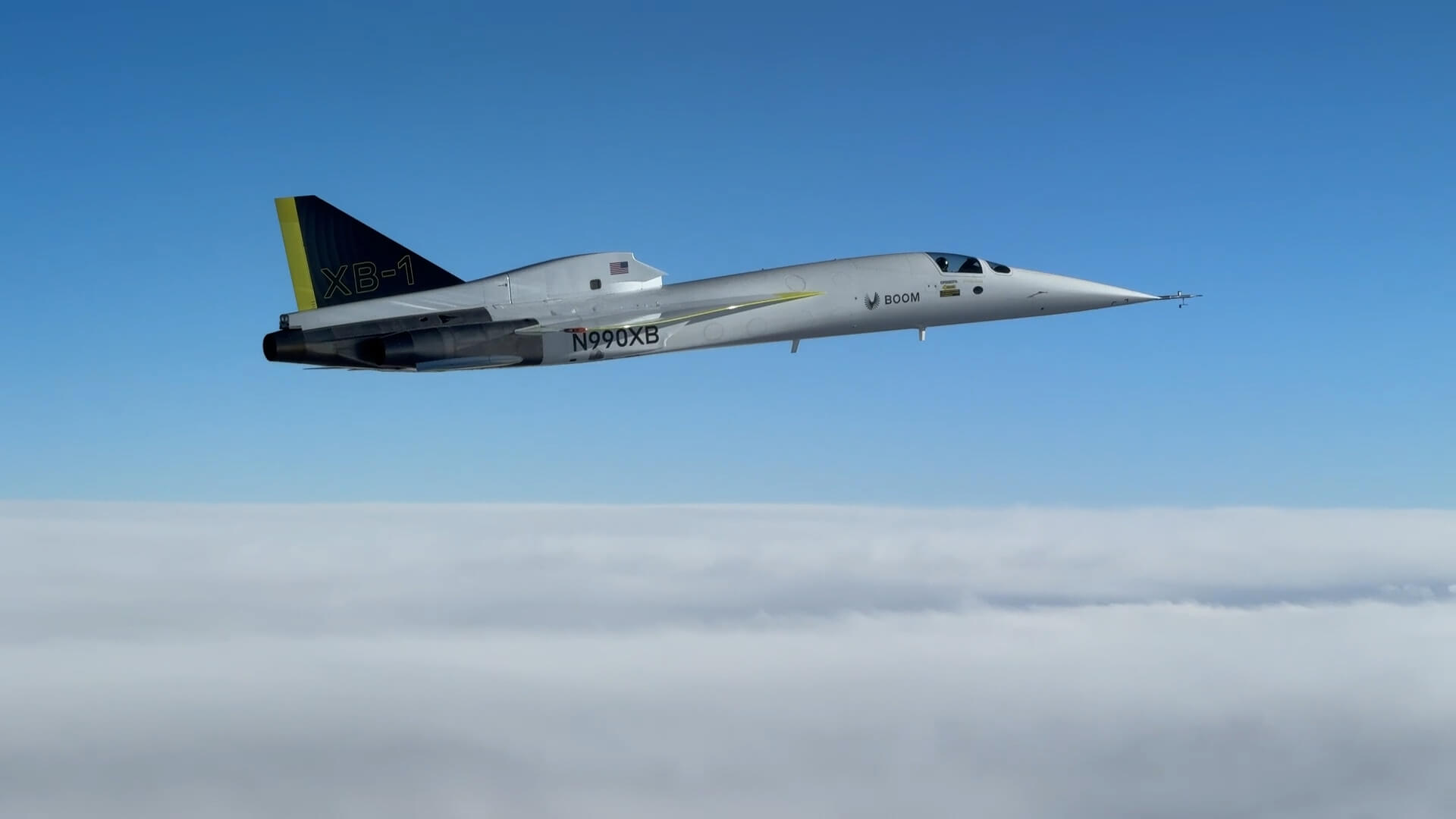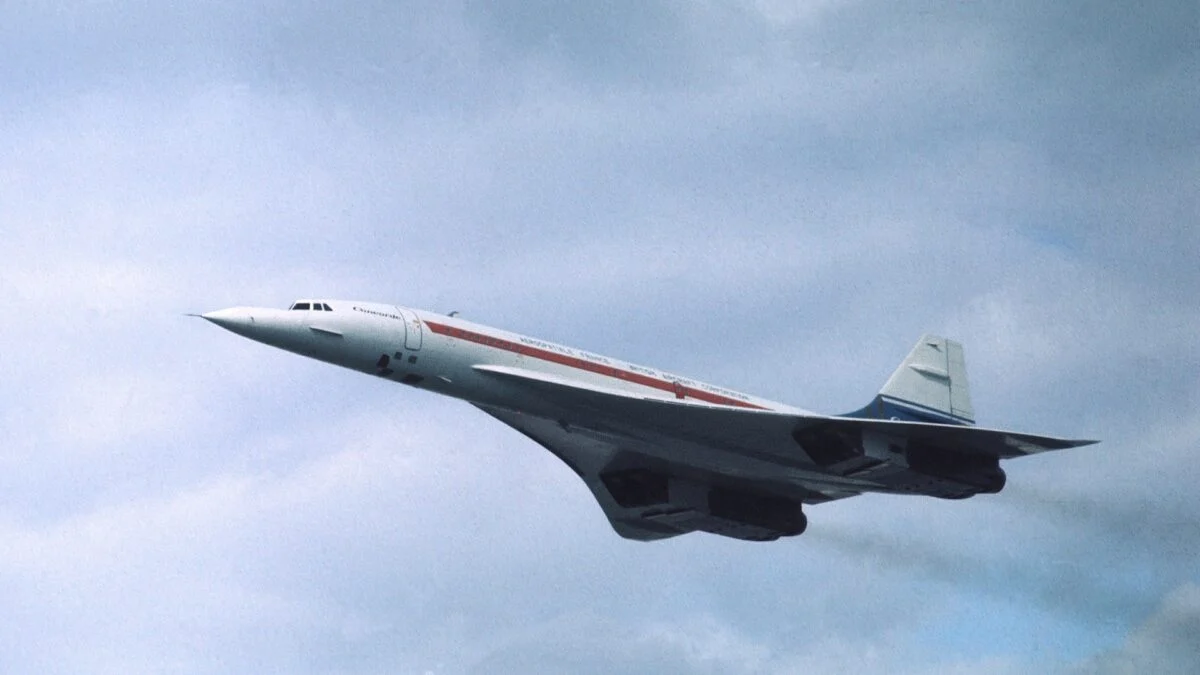
The Federal Aviation Administration announced a proposed rule change Tuesday that would lift the ban on supersonic flights over the continental U.S. by non-military planes, a policy that’s been in place since 1973. Planes traveling over Mach 1 typically cause sonic booms, shock waves made by planes traveling faster than the speed of sound. Sonic booms over the land can cause property damage, as they did in the 1960s when military planes would shatter windows and break dishes in the homes below. New technological advancements have made the 53-year-old ban obsolete, according to the FAA, and so the Trump administration wants to return over-land supersonic air travel to the U.S.. The Concorde, which flew from 1976-2003 and could travel from London to New York in just three hours, flew primarily over the Atlantic Ocean where sonic booms rarely disturbed humans living below. “Advances in aerospace engineering, materials science, noise reduction, and new operational concepts will eliminate the old sonic boom,” FAA Administrator Bryan Bedford said Tuesday in a statement. “This means we can ultimately repeal the ban from the 1970s on supersonic flight over U.S. territory while minimizing noise impacts to residents in communities along the route and near airports.”
FAA Takes First Step to Scrap the Ban on Supersonic Flights Over the U.S.
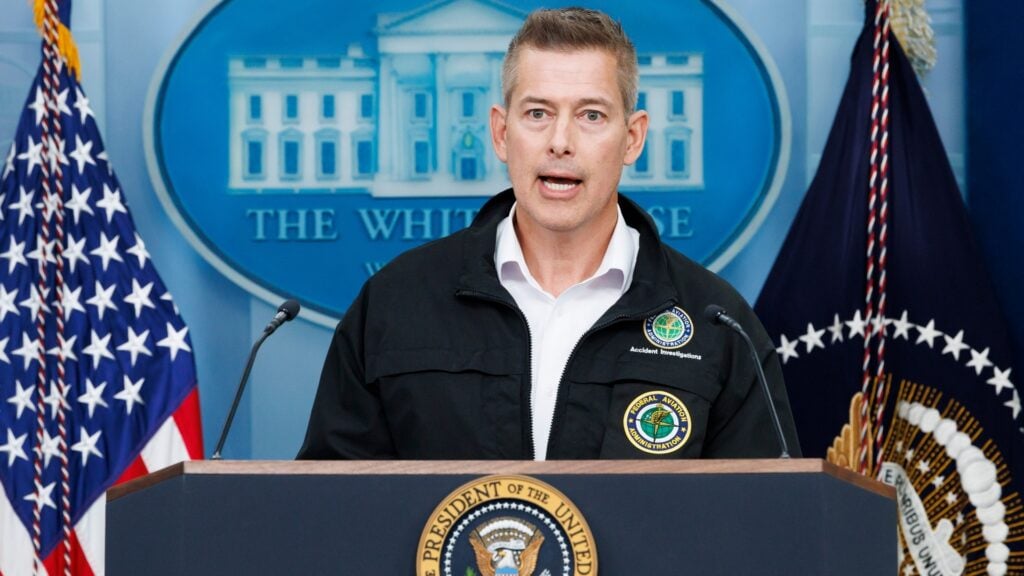
Sean Duffy says new tech makes it safer for people on the ground who are worried about sonic booms.
671 words~3 min read