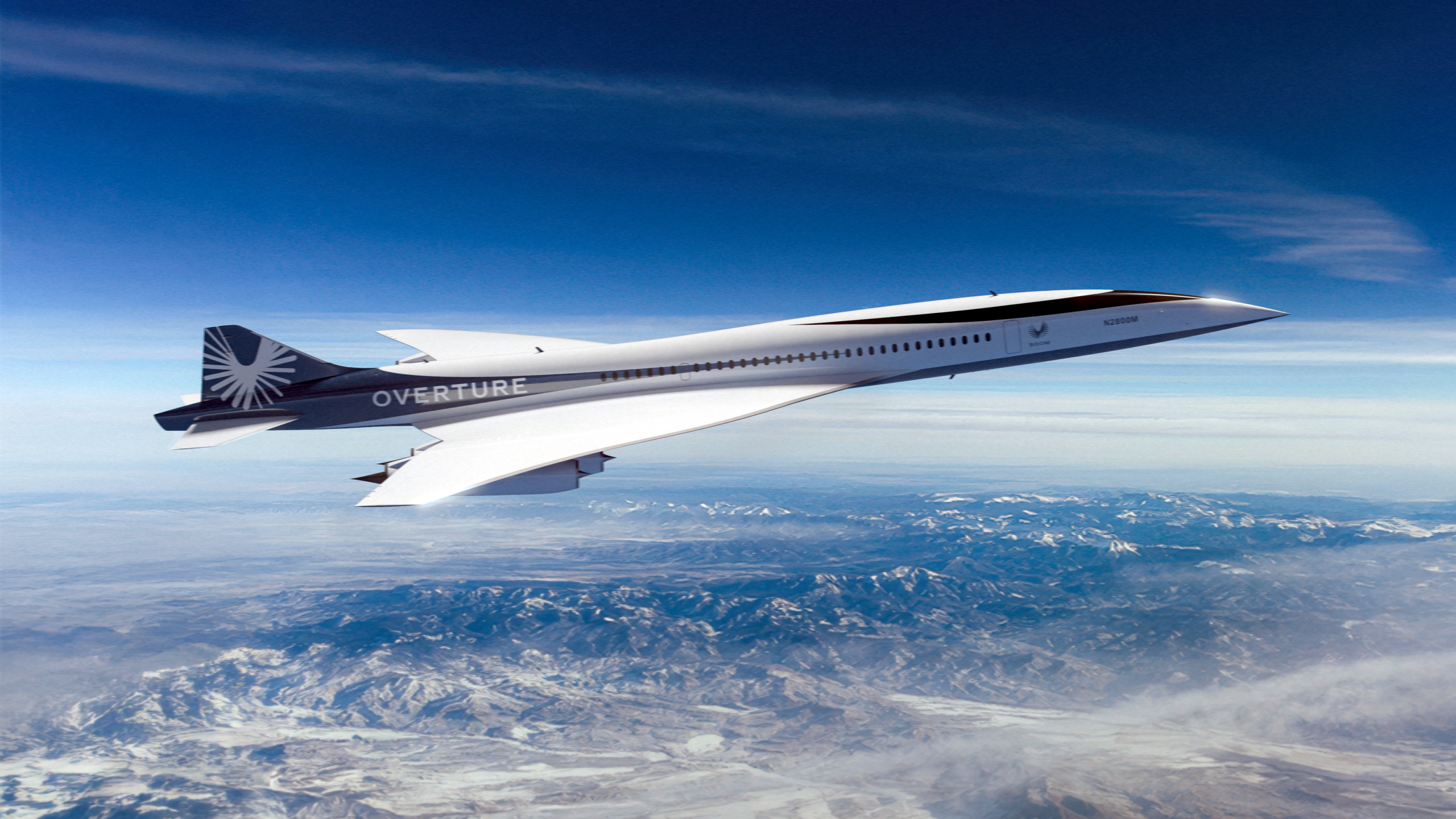
“I’m honestly surprised that the FAA would propose a rule this weak,” Rutherford told the publication.
US lawmakers in Congress have also been pushing forward the Supersonic Aviation Modernization Act. That would require the FAA to allow for overland supersonic flights “so long as the aircraft is operated in such a manner that no sonic boom reaches the ground in the United States.” The bill passed the House on March 24, 2026, and is still awaiting a vote in the Senate.
Another way for quiet supersonic flight
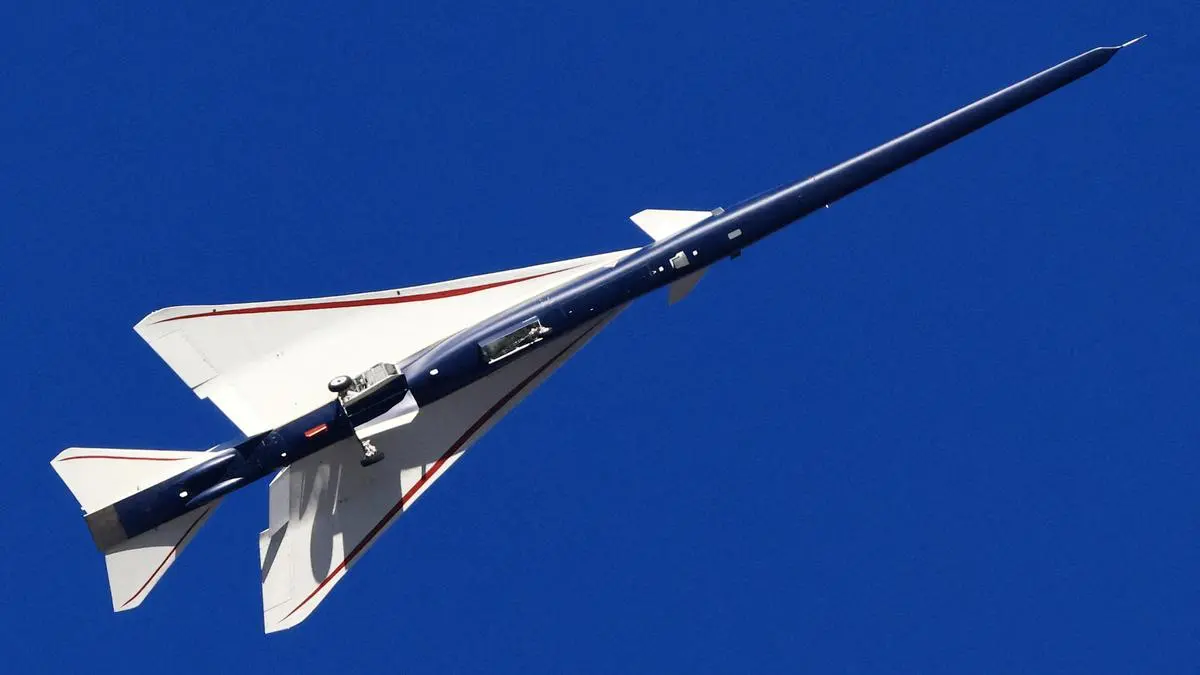
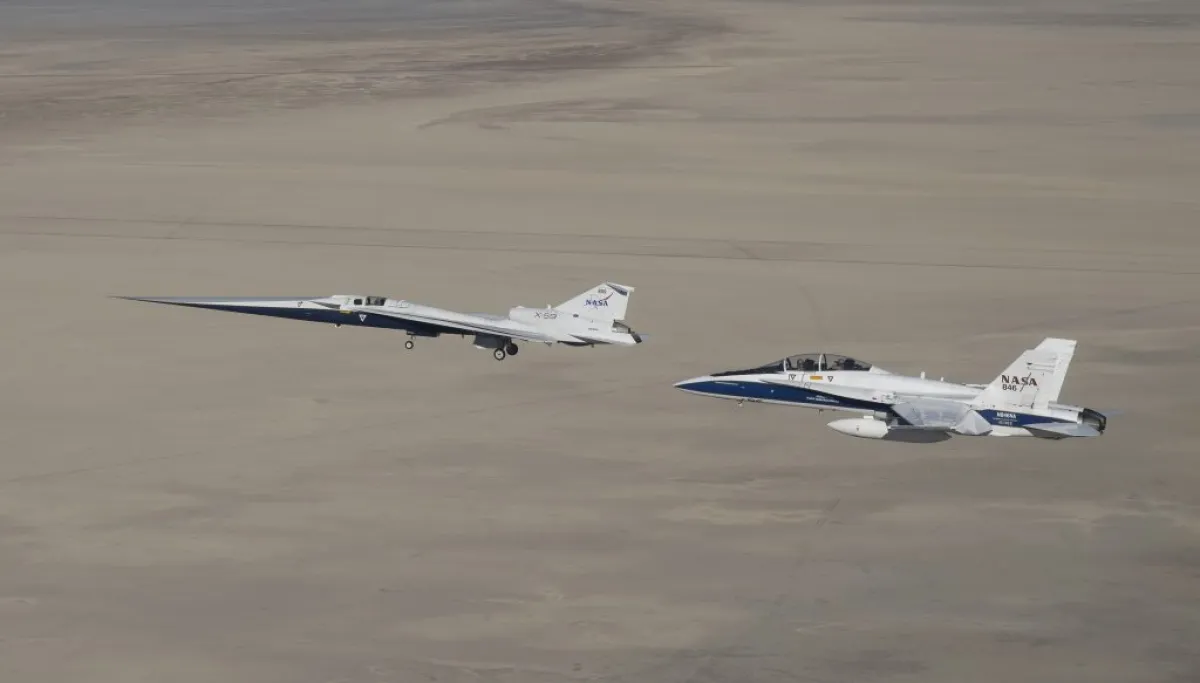
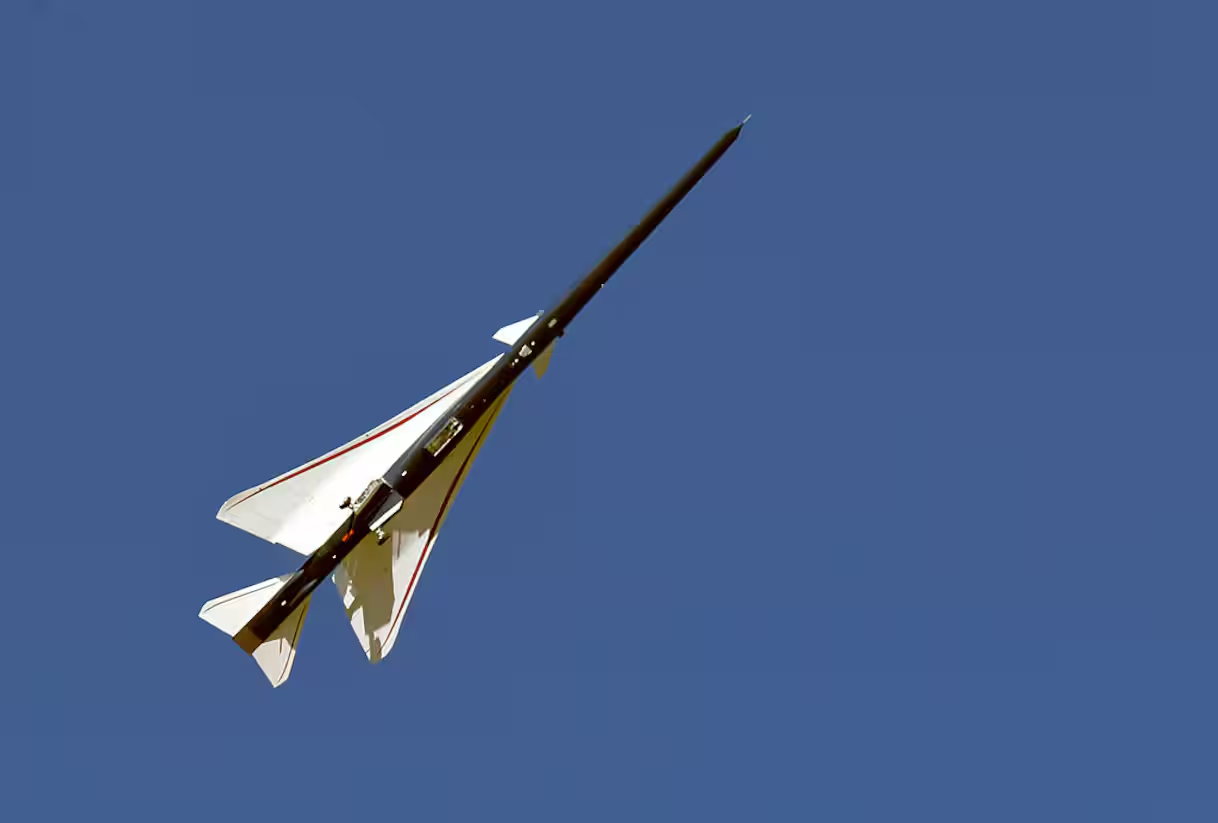
Meanwhile, NASA has been testing a different approach to quieter supersonic flight with the Lockheed Martin X-59 Quesst—a needle-nosed experimental aircraft with an airframe designed to reduce the typical sonic boom to a sonic thump. NASA has relied on perceived levels of decibels (PldB) to evaluate sound levels, with the goal of consistently demonstrating sonic thumps around 75 PldB that would sound like a car door slamming about 20 feet away.
A NASA test pilot and mission integration manager previously told Ars that the X-59 aircraft’s future supersonic flight tests over US cities and towns nationwide would provide community feedback on perceived sound levels that could help inform regulations by civil aviation authorities.