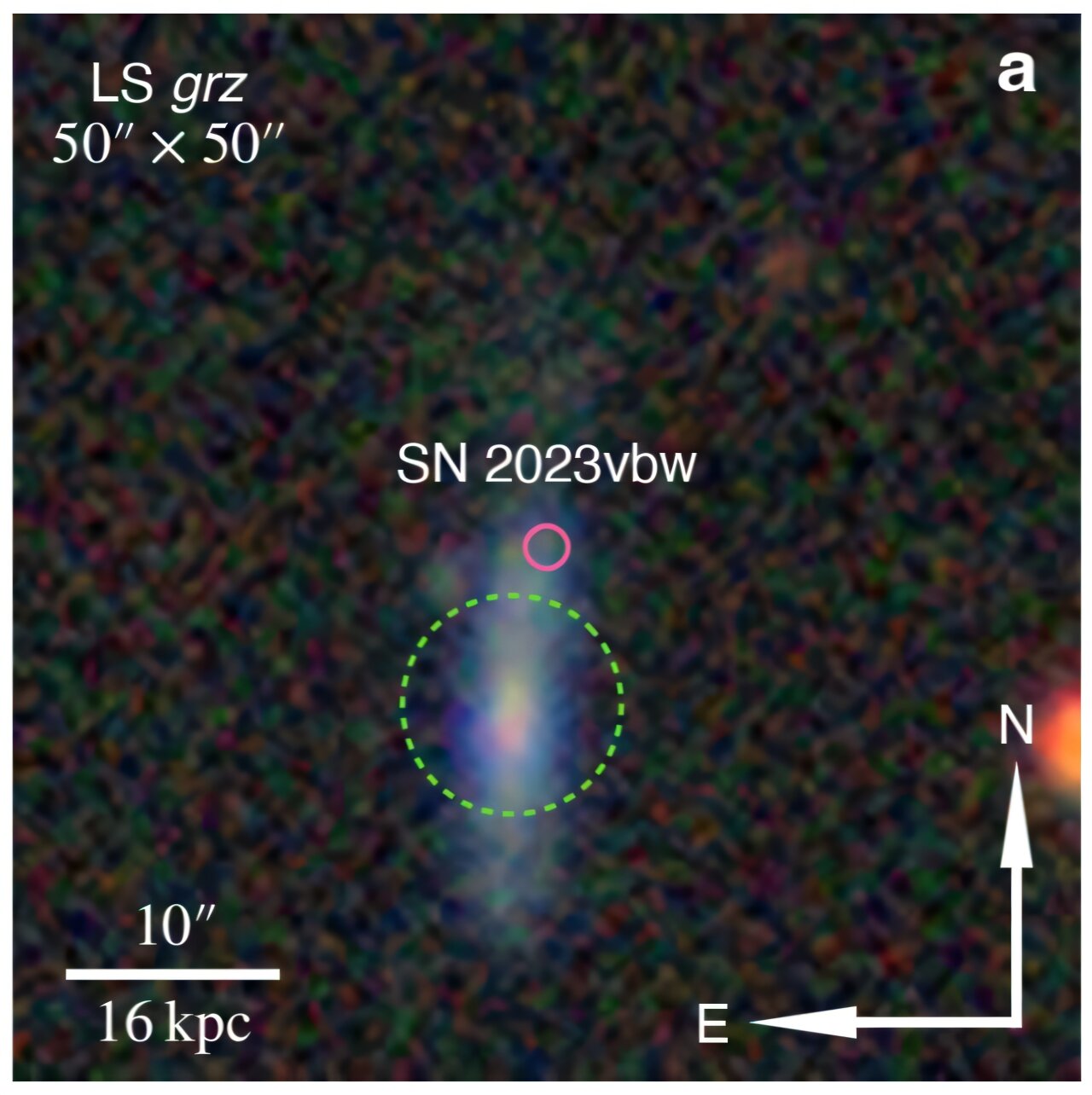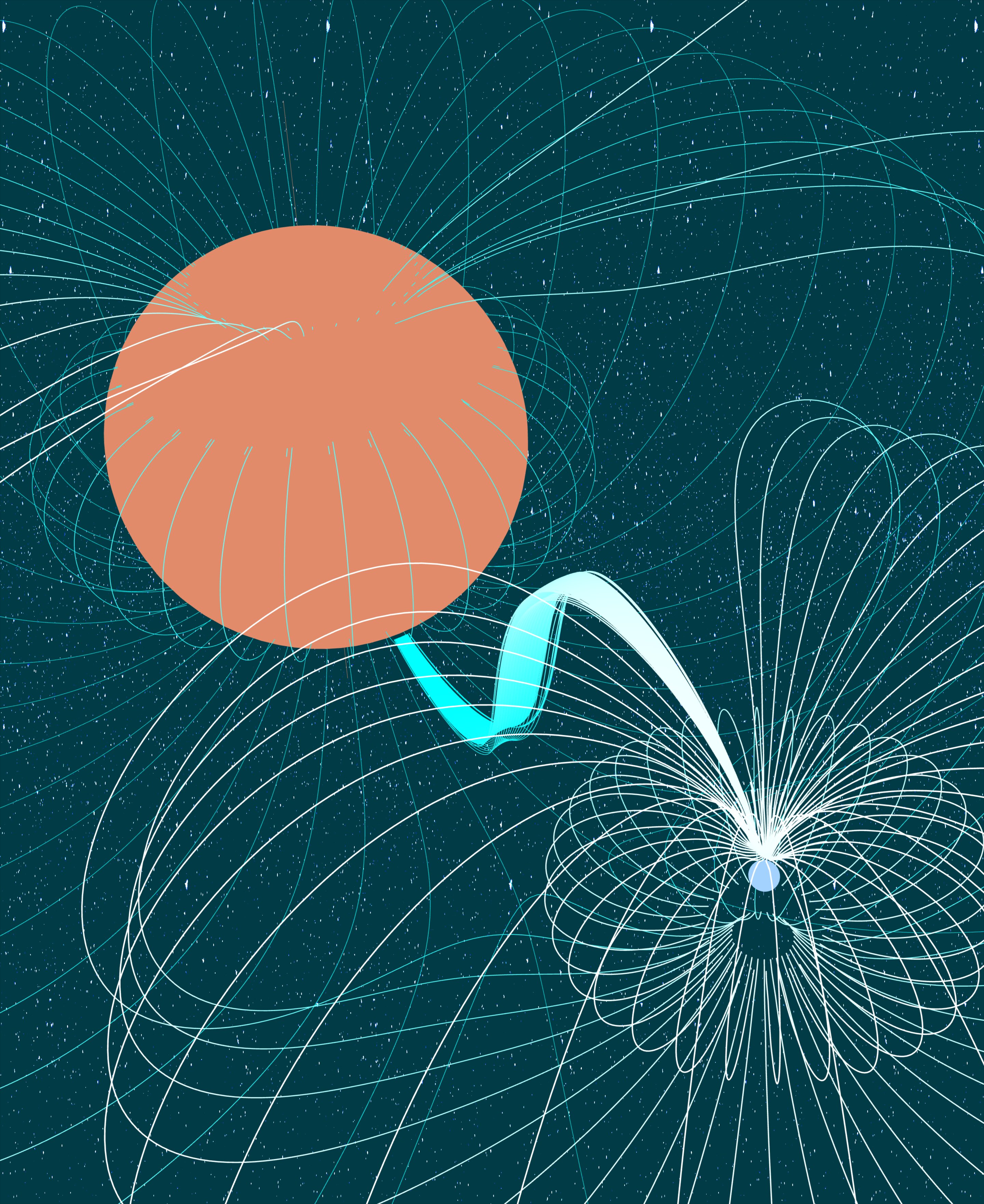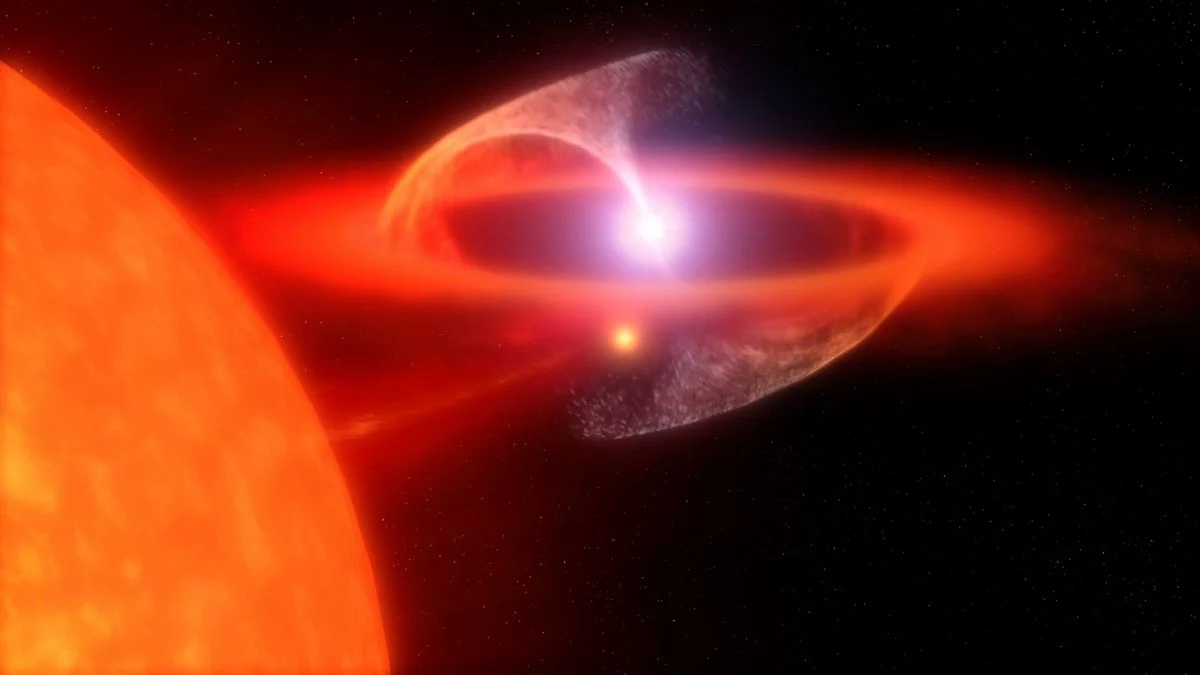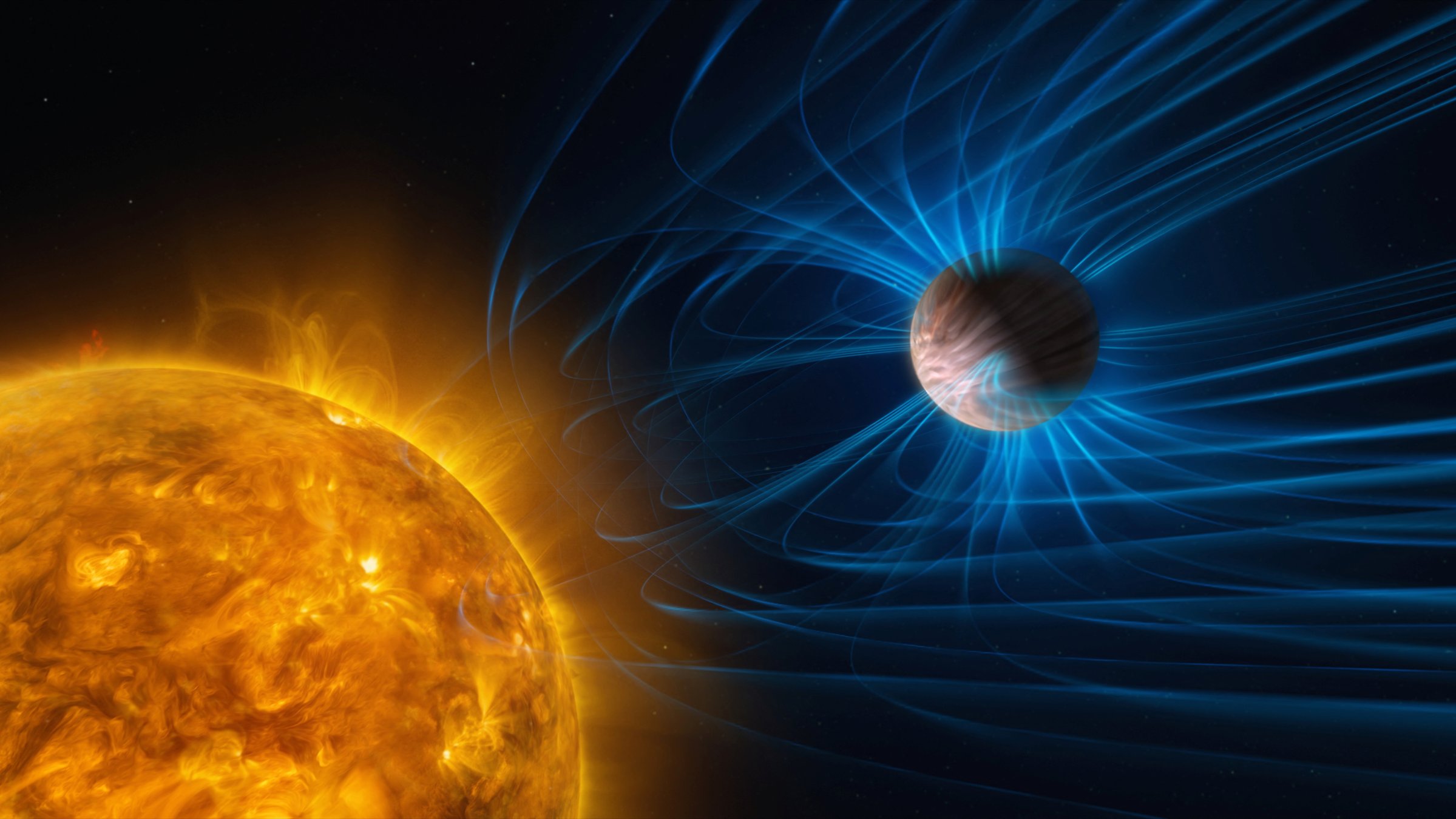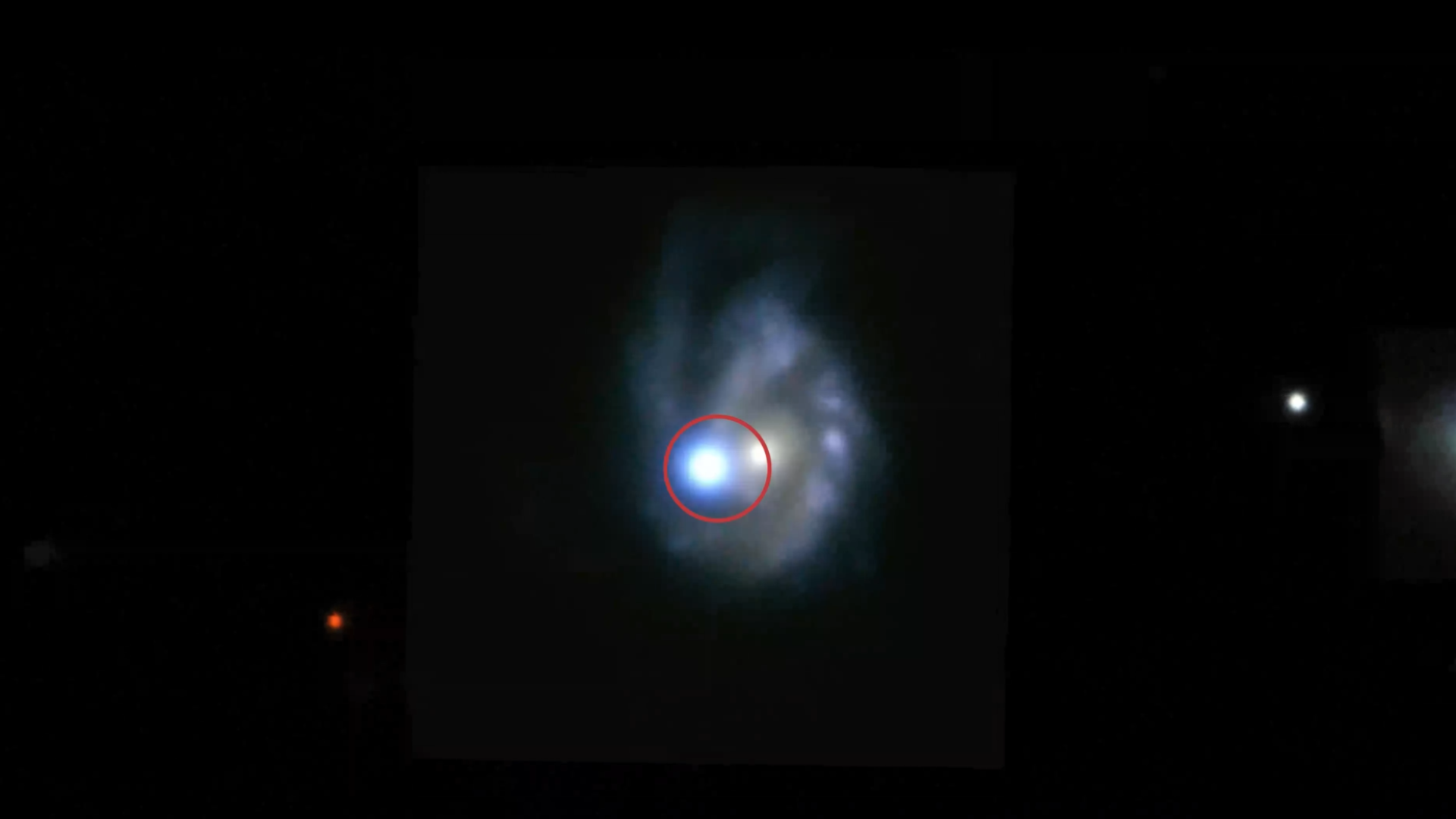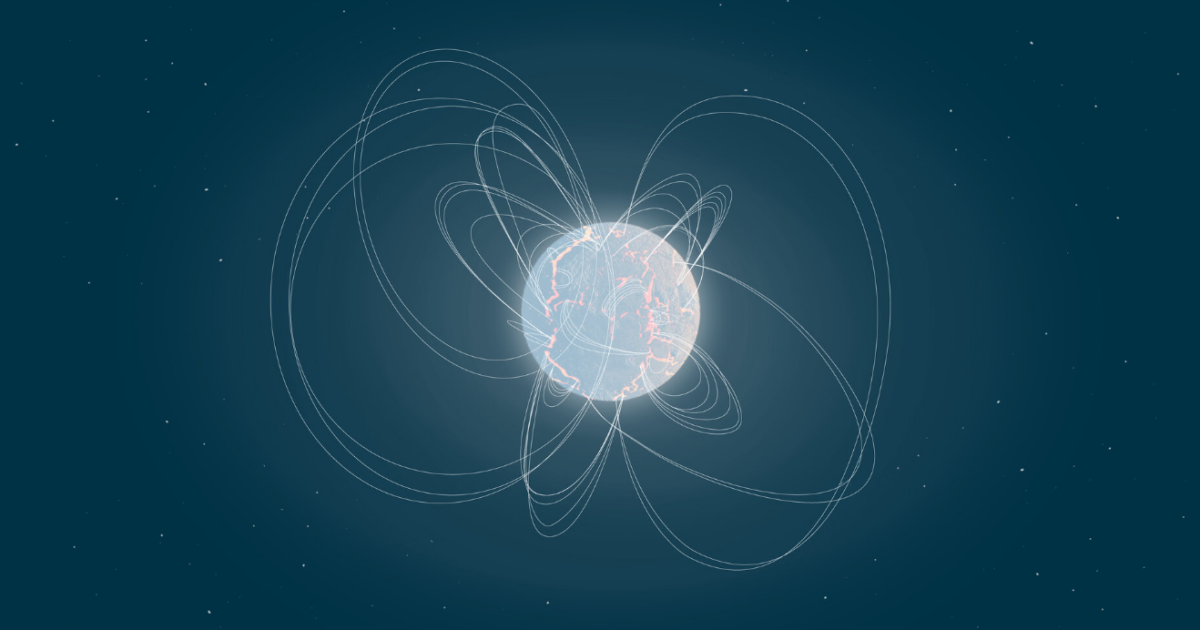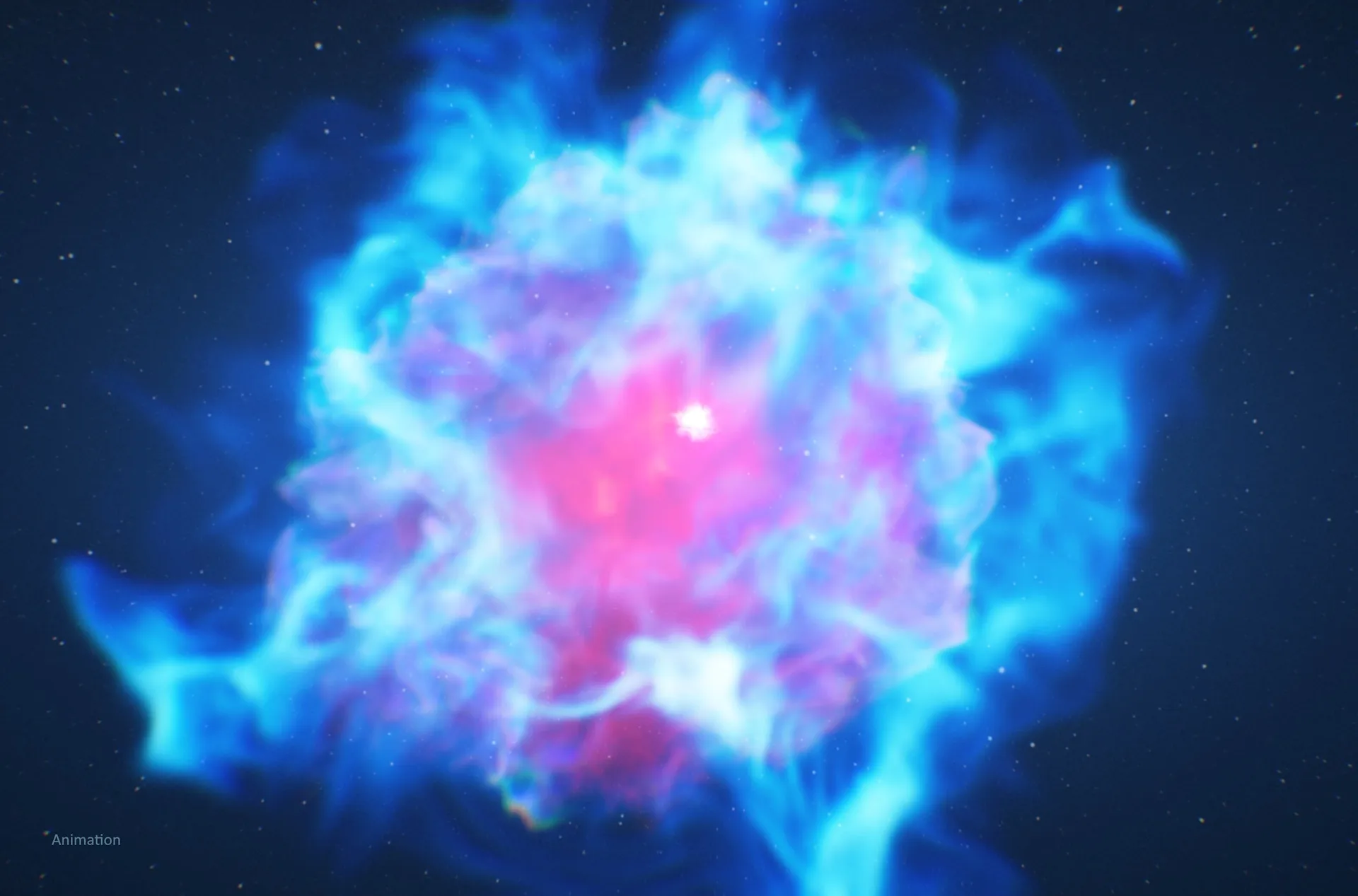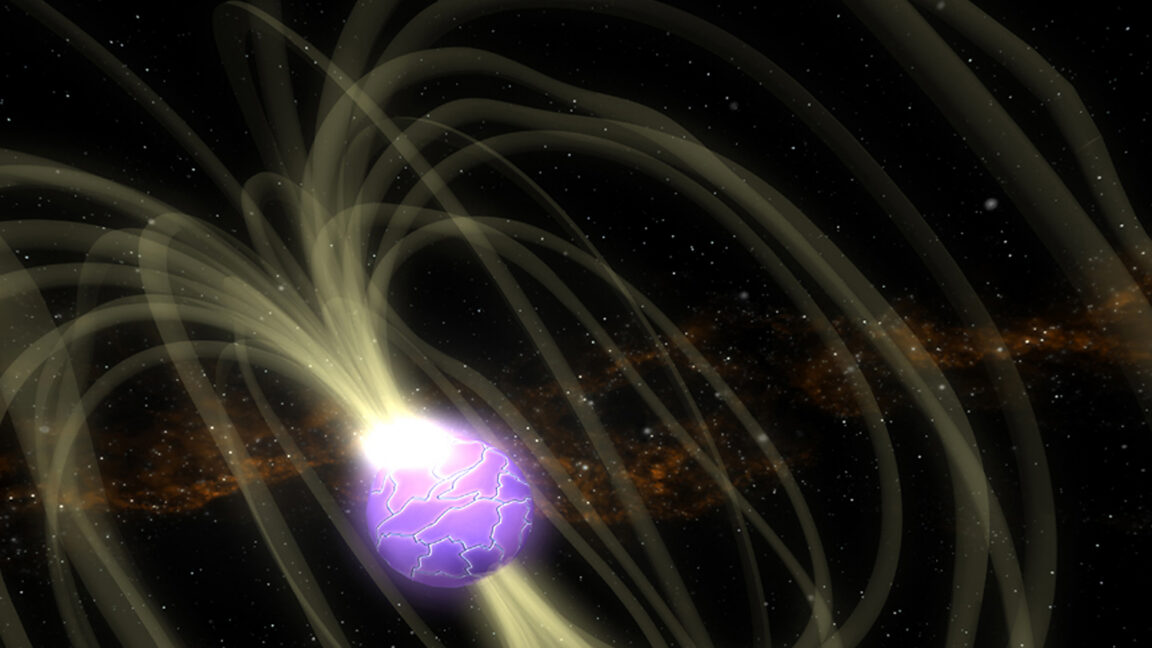
Astronomers have, for the first time, observed the birth of a magnetar, an extremely magnetic, rapidly spinning type of neutron star. The breakthrough confirms that these exotic objects can power some of the brightest stellar explosions ever seen.
The discovery also validates a theory first proposed 16 years ago by a UC Berkeley physicist and reveals a newly recognized feature of certain exploding stars: a distinctive "chirp" in their light that can only be explained using Einstein's theory of general relativity. The research was published in the journal Nature.
The Mystery Behind the Brightest Supernovae
Superluminous supernovae are among the most spectacular explosions in the universe, shining 10 or more times brighter than ordinary supernovae. Since astronomers first identified them in the early 2000s, they have struggled to explain why these explosions remain intensely bright long after a massive star's iron core collapses and blasts its outer layers into space.
Back in 2010, UC Berkeley theoretical astrophysicist Dan Kasen proposed that the answer was a newborn magnetar. His theory, coauthored with Lars Bildsten and independently suggested by Stanford Woosley of UC Santa Cruz, argued that when an enormous star reaches the end of its life, its core can collapse into an incredibly dense neutron star instead of becoming a black hole.