An extraordinary high-energy event detected deep in space is giving astronomers a rare opportunity to study some of the Universe's most extreme phenomena.
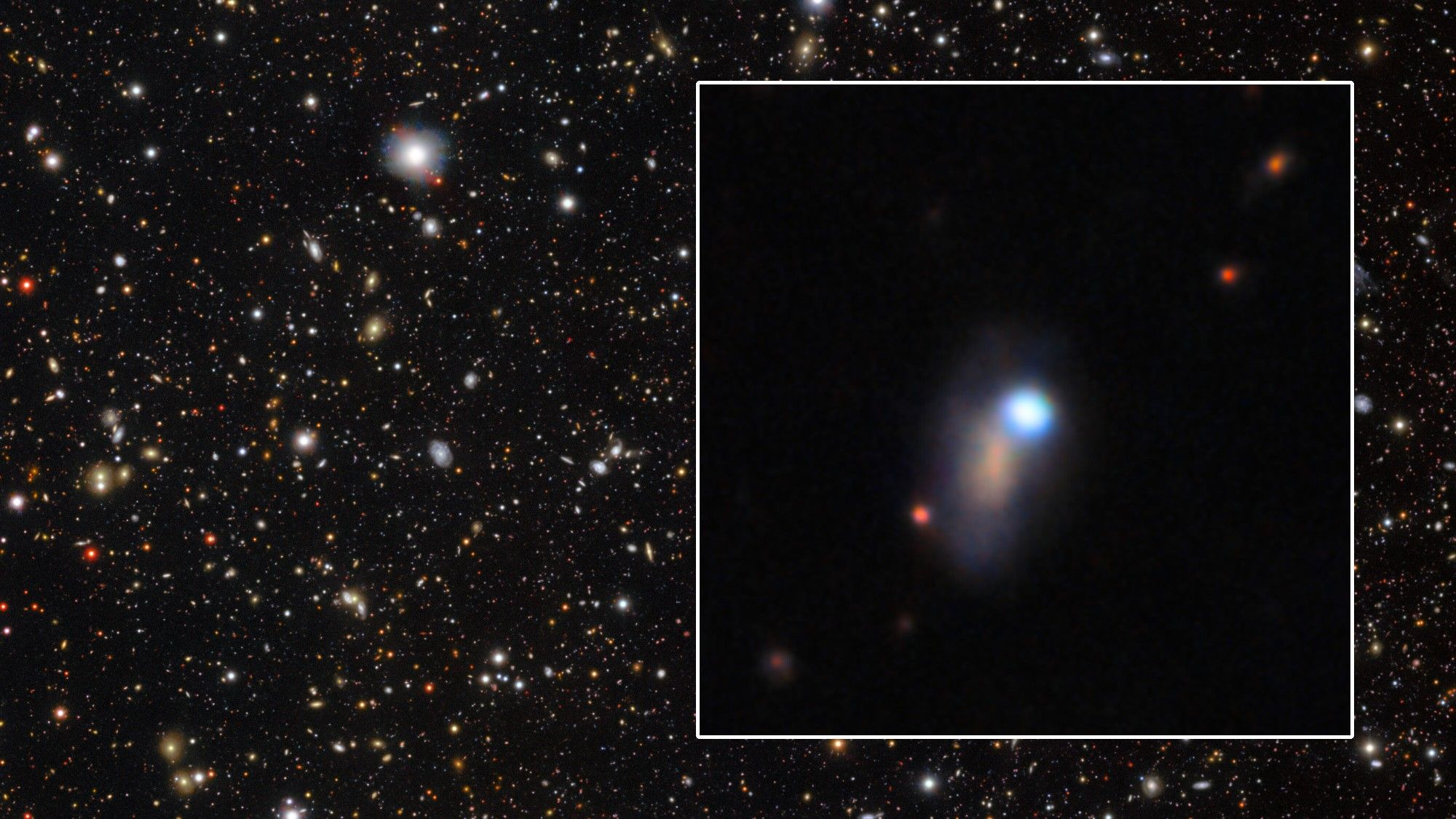
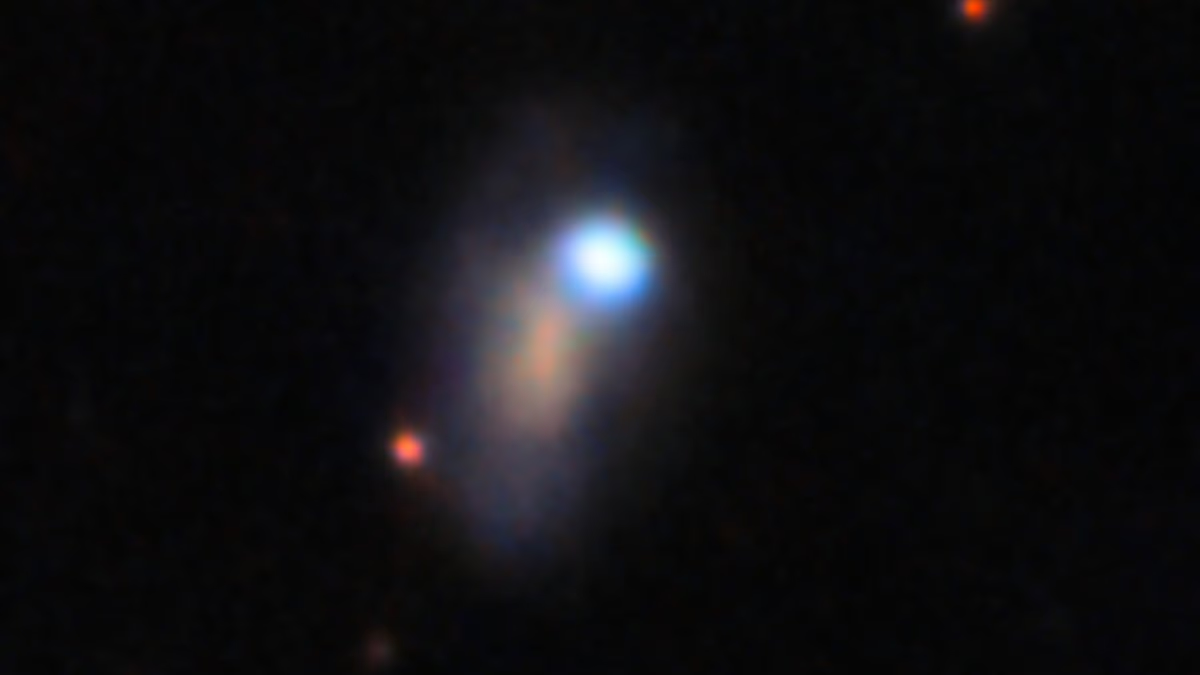
On July 2, 2025, the China-led Einstein Probe (EP) space telescope spotted an exceptionally bright X-ray source during a routine survey of the sky. The object's brightness changed rapidly, making it immediately stand out from typical cosmic X-ray sources. The unusual detection prompted observatories around the world to begin follow-up observations.
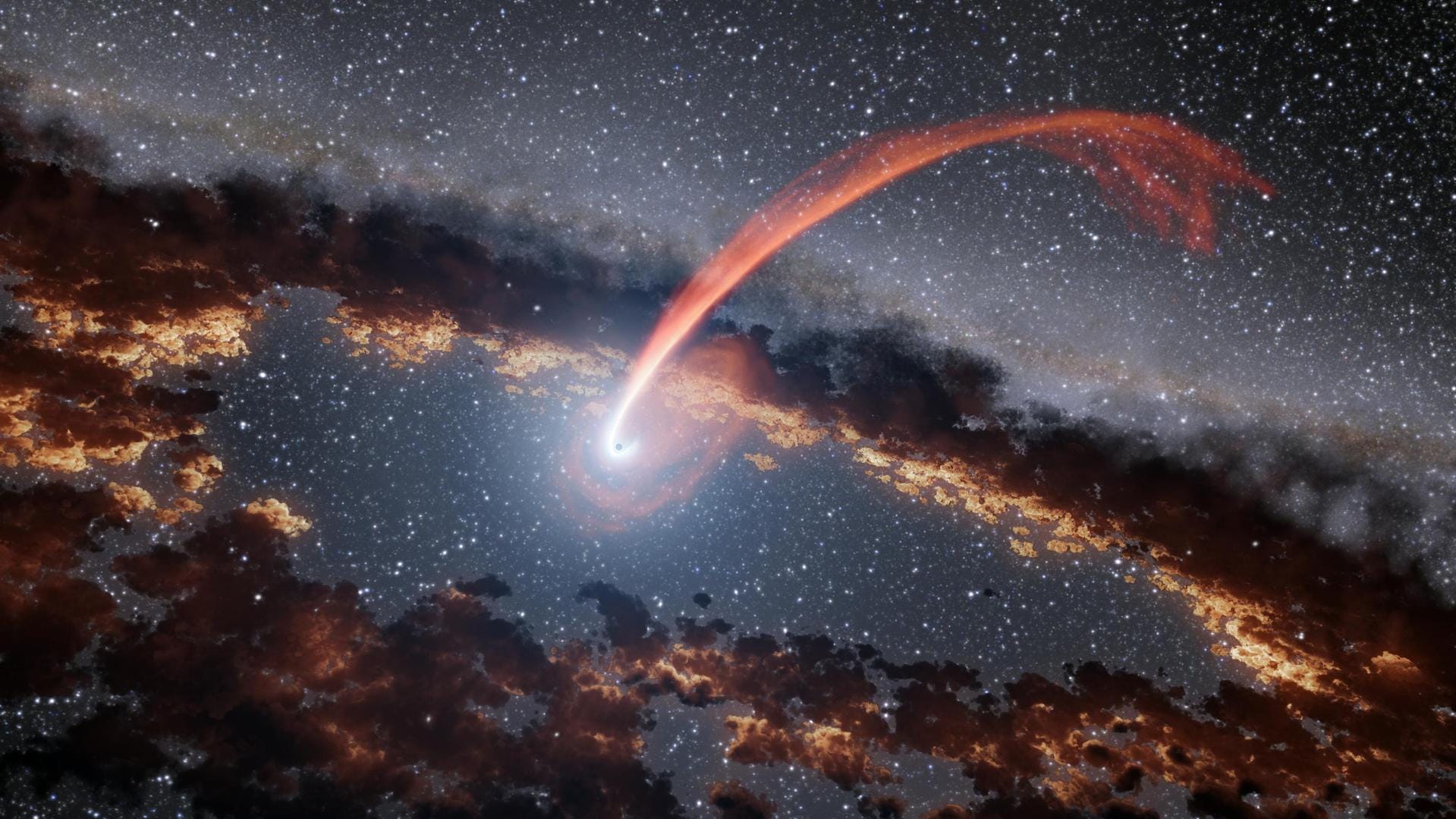
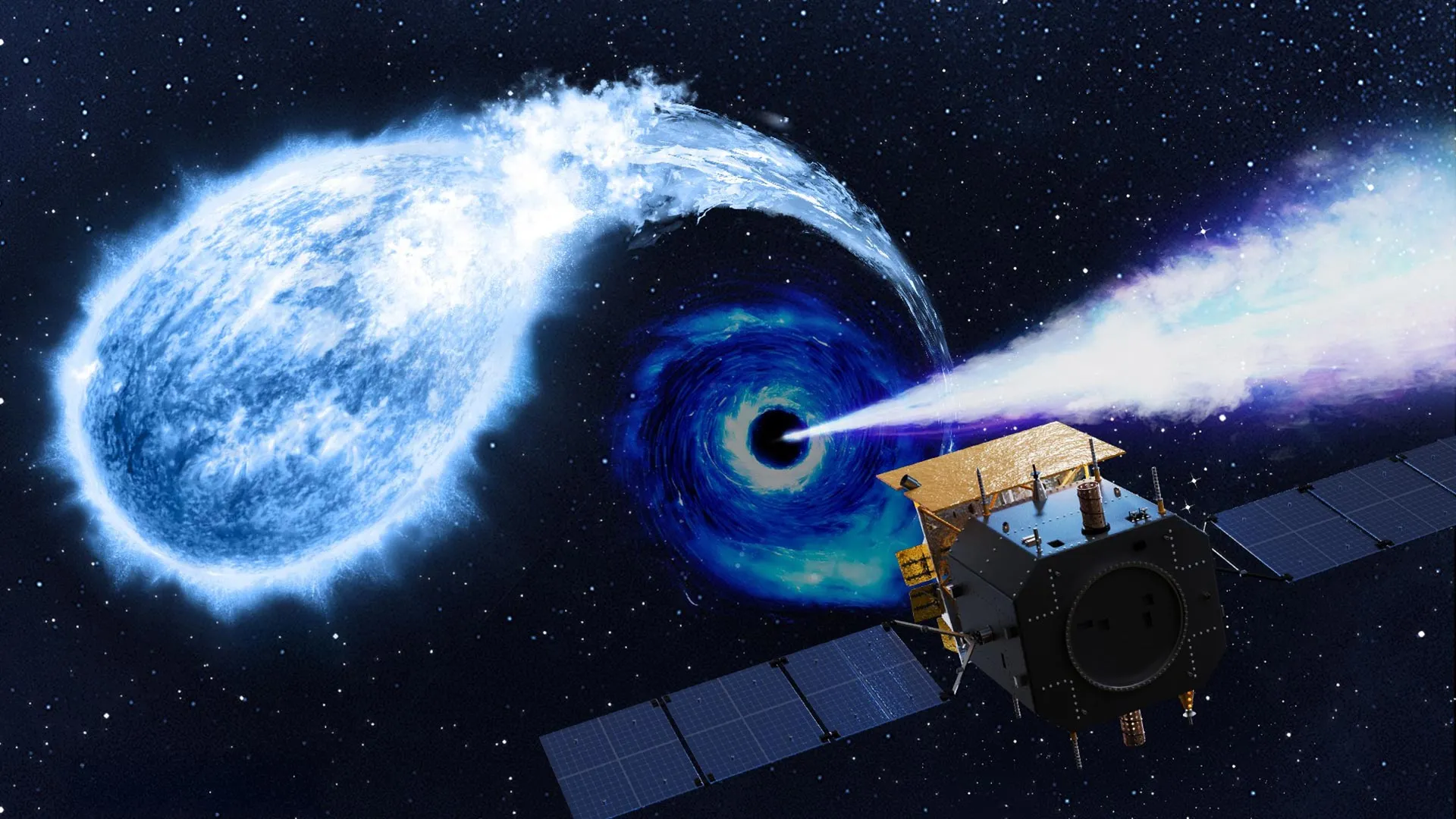
The research was coordinated by the EP Science Center at the National Astronomical Observatories, Chinese Academy of Sciences (NAOC), with scientists from research institutions in China and several other countries contributing to the effort. Researchers from the Department of Physics at The University of Hong Kong (HKU), who are key members of the Einstein Probe scientific collaboration, helped interpret the observations. Their analysis suggests the event may represent an intermediate-mass black hole tearing apart and consuming a white dwarf star. If confirmed, it would provide the first direct observational evidence of this type of black hole feeding event. The results were published as the cover article in Science Bulletin.