Supermassive black holes lurk all throughout the known universe, but catching one in the act of devouring its cosmic dinner doesn't happen all that often.
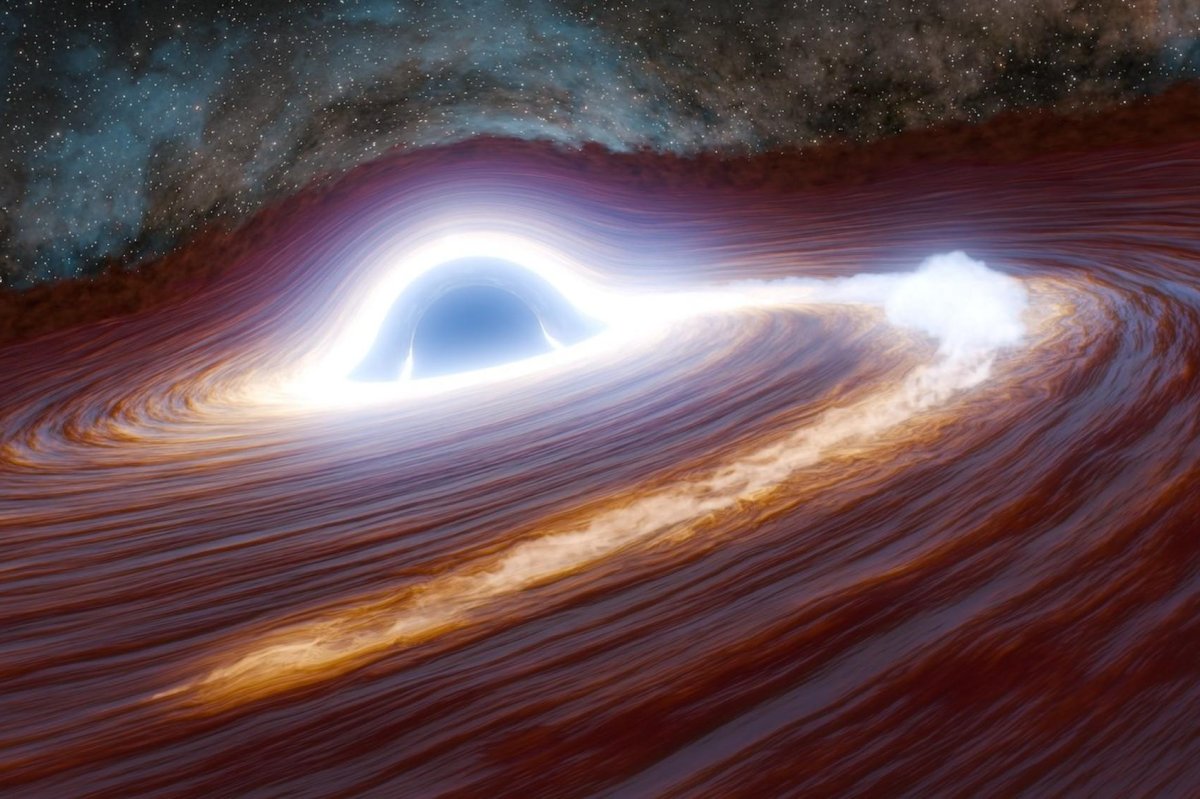
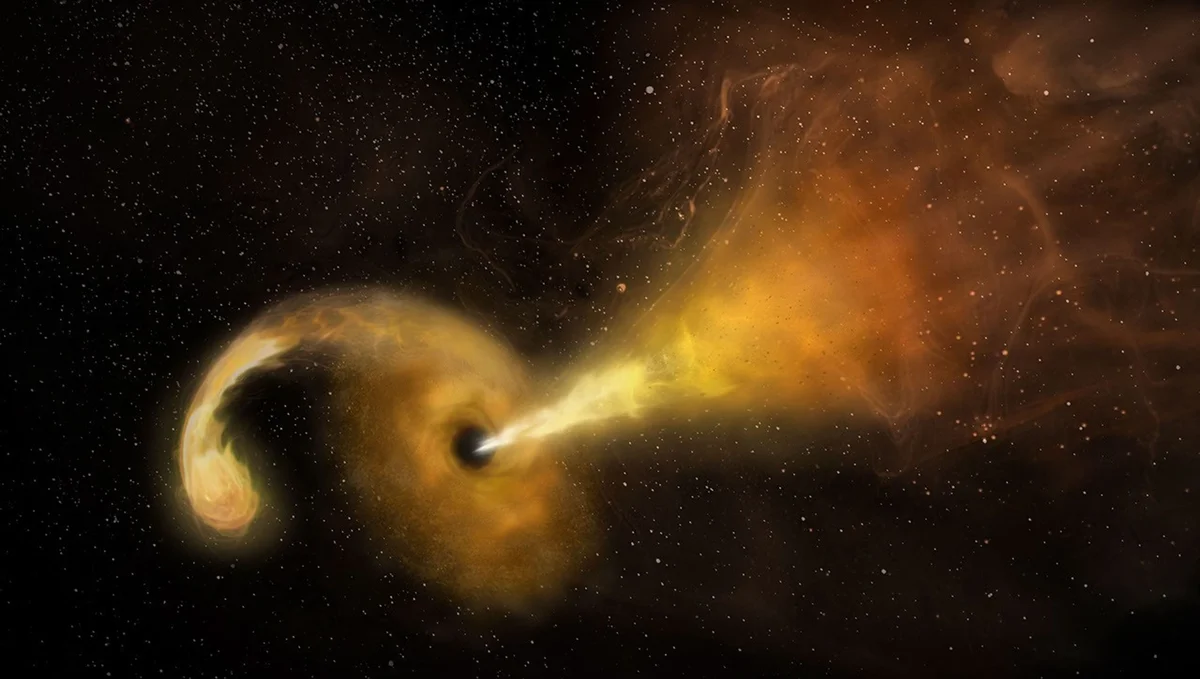
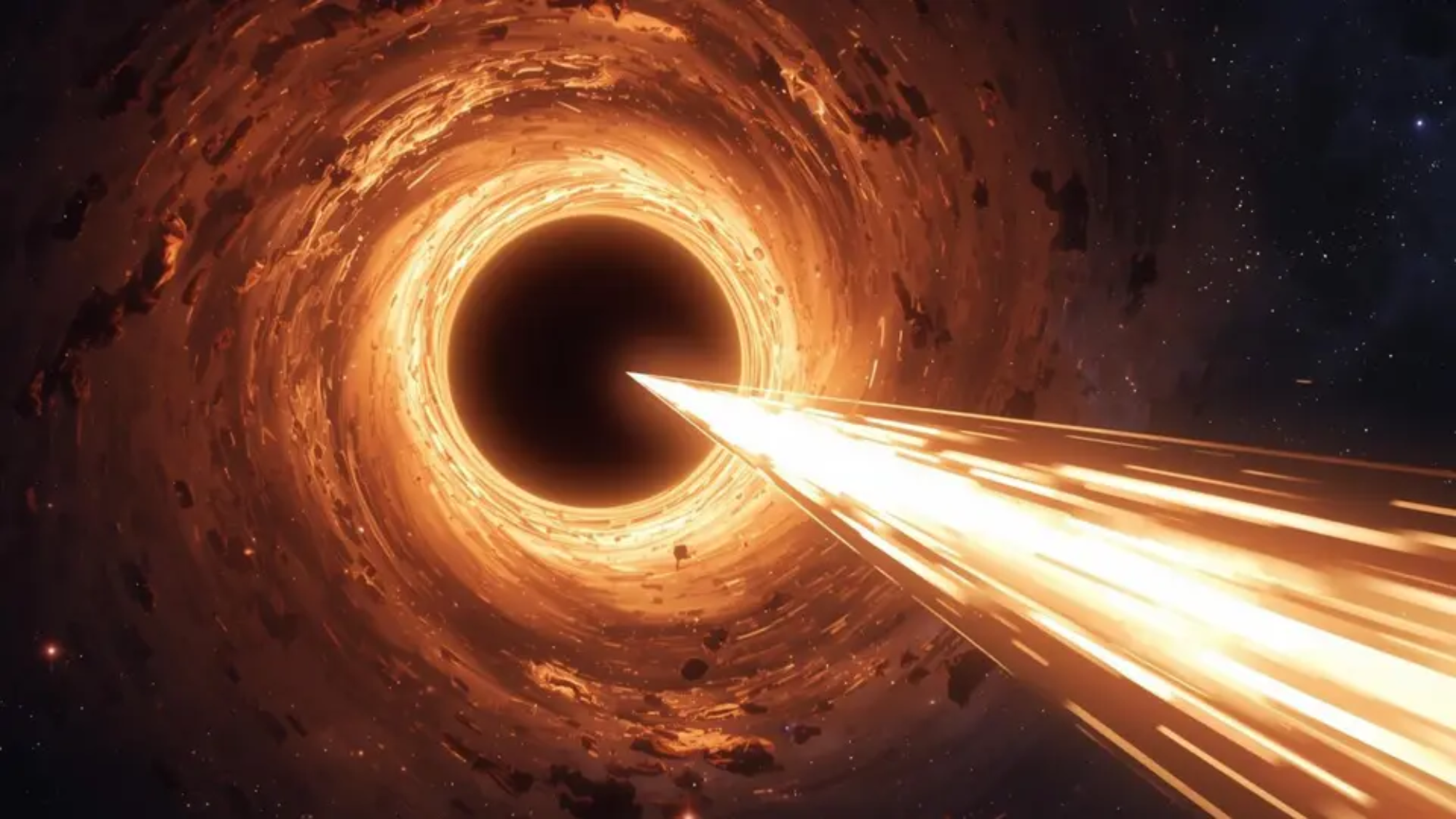
In fact, unless a black hole is actively in the middle of eating gas, dust or massive stars, the ominous entities remain invisible to us. It's when black holes emerge out of hiding to feast on their prey and some type of matter is sucked into their celestial maw that they begin to glow brightly.
And recently, a team of astronomers from the University of Hawaii may have seen more than they anticipated. Using both space and ground-based data, the researchers uncovered black hole events so packed with energy, they said they represented the biggest explosions since the Big Bang.
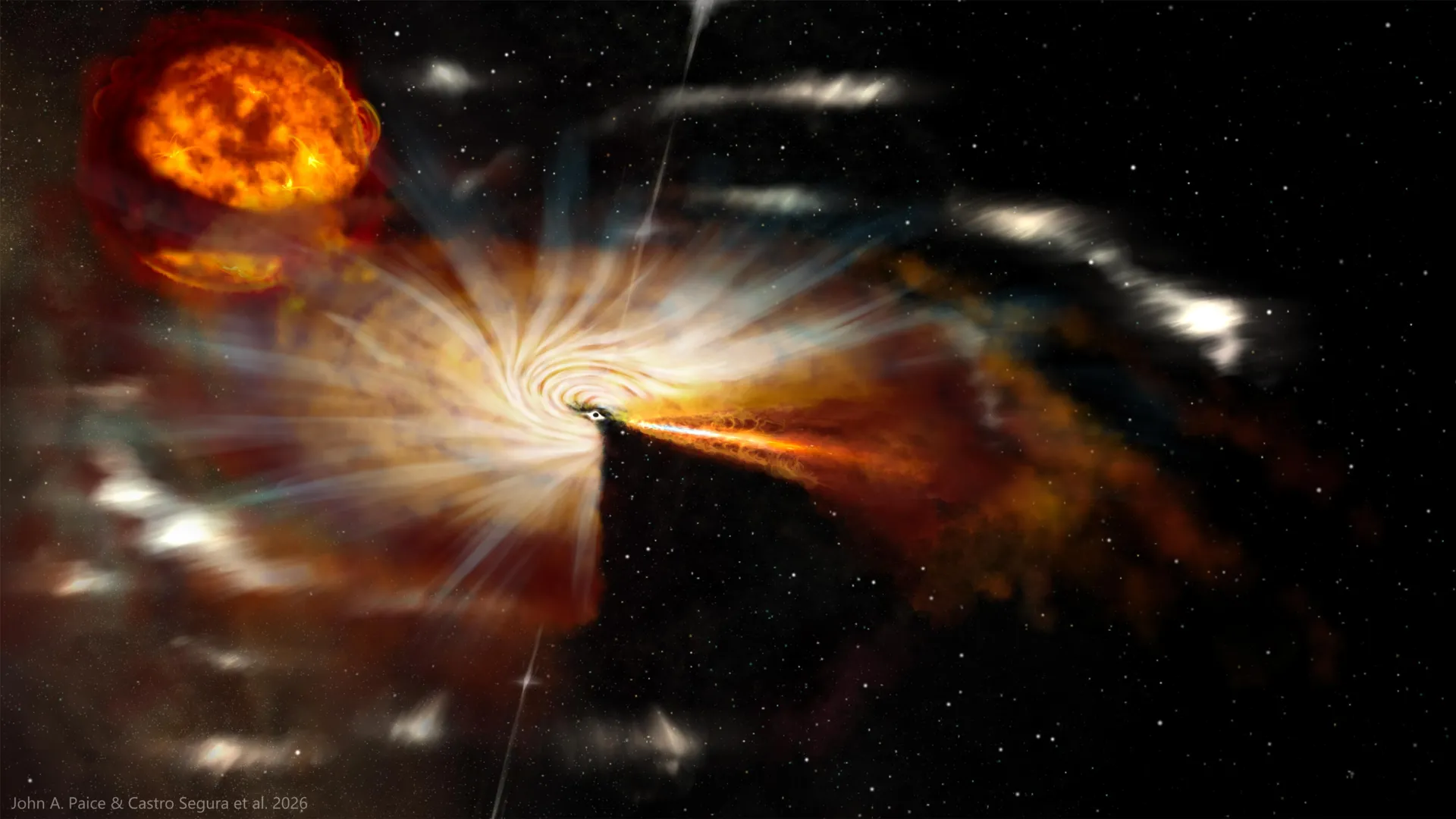
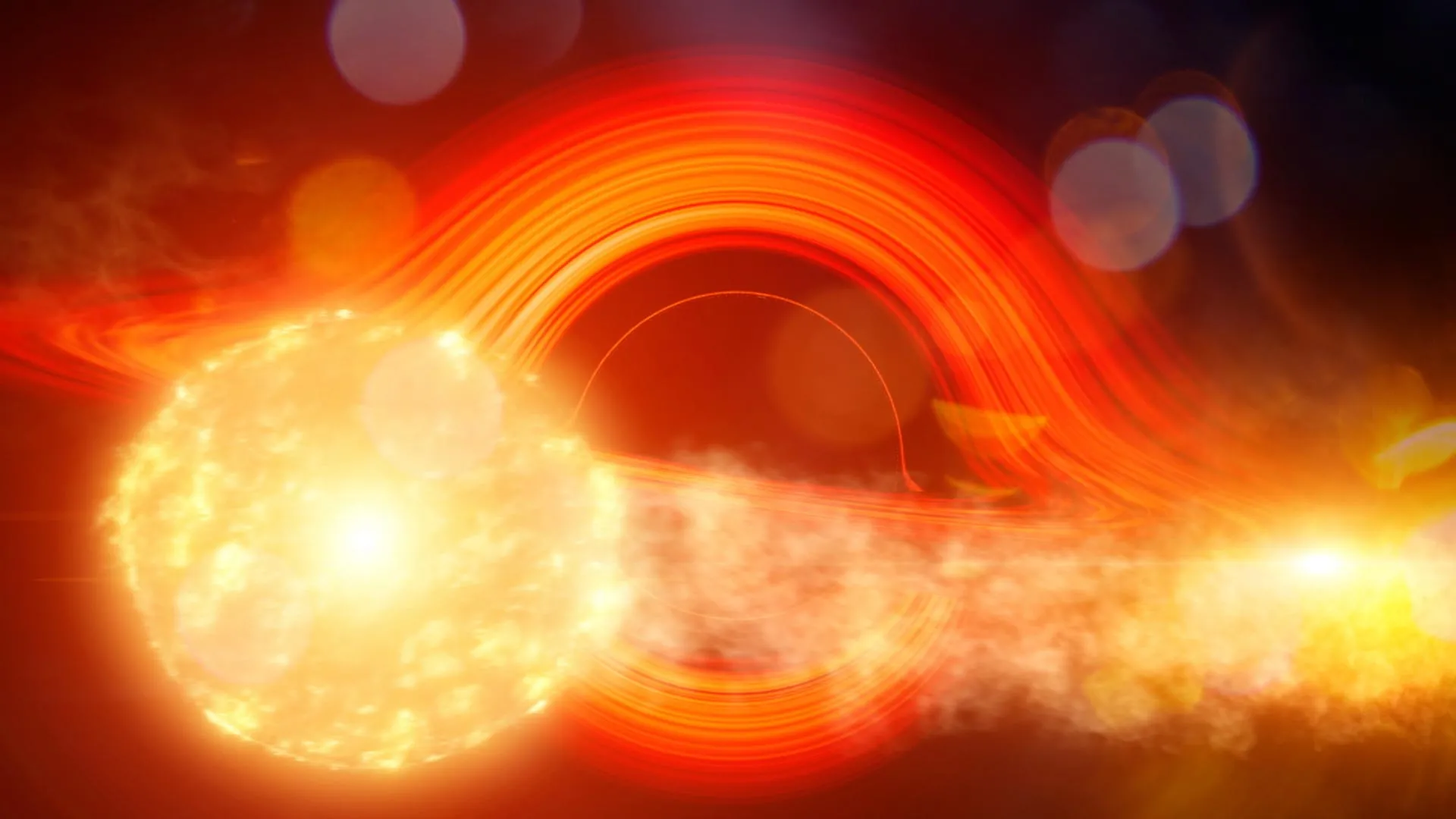
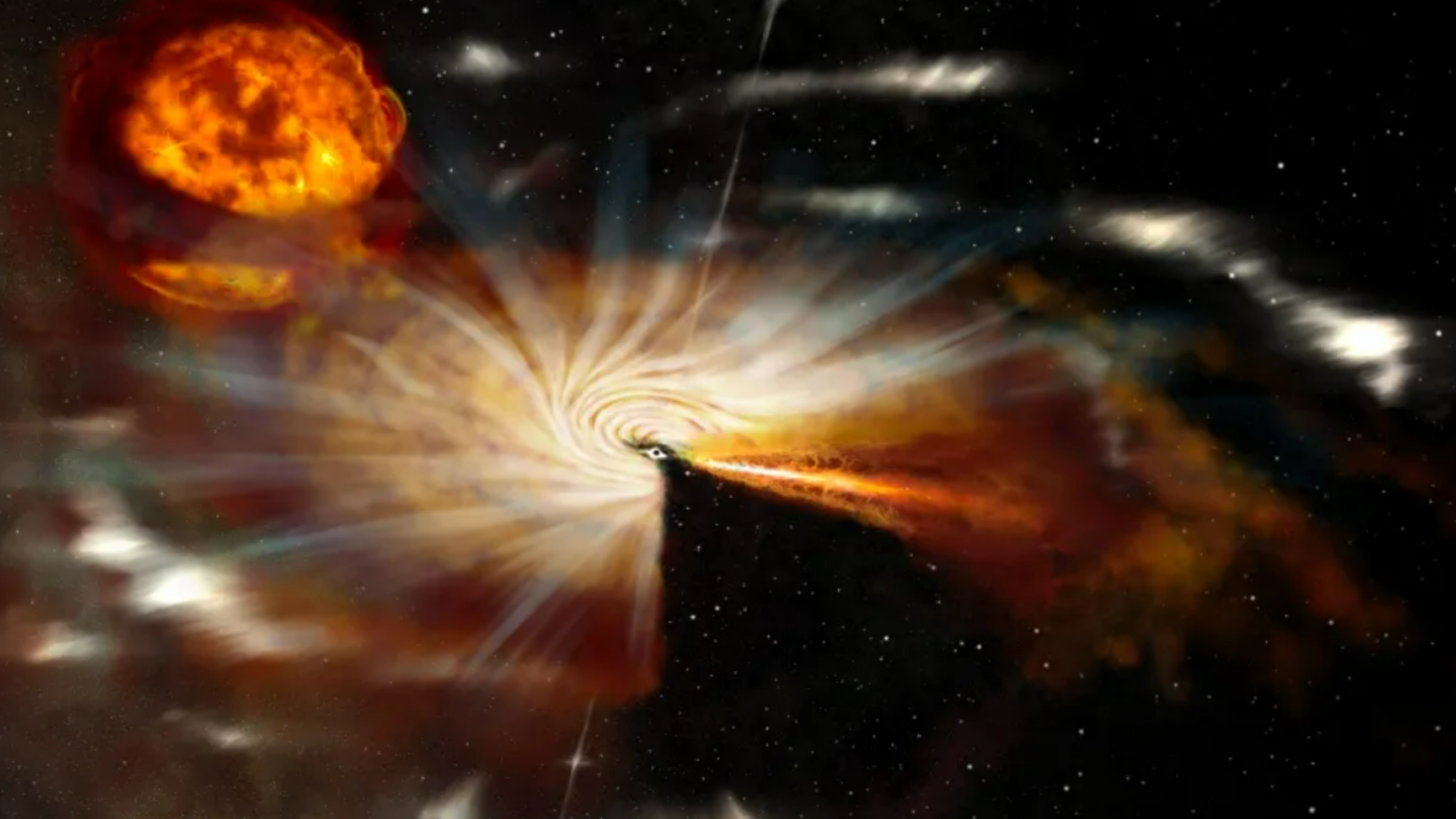
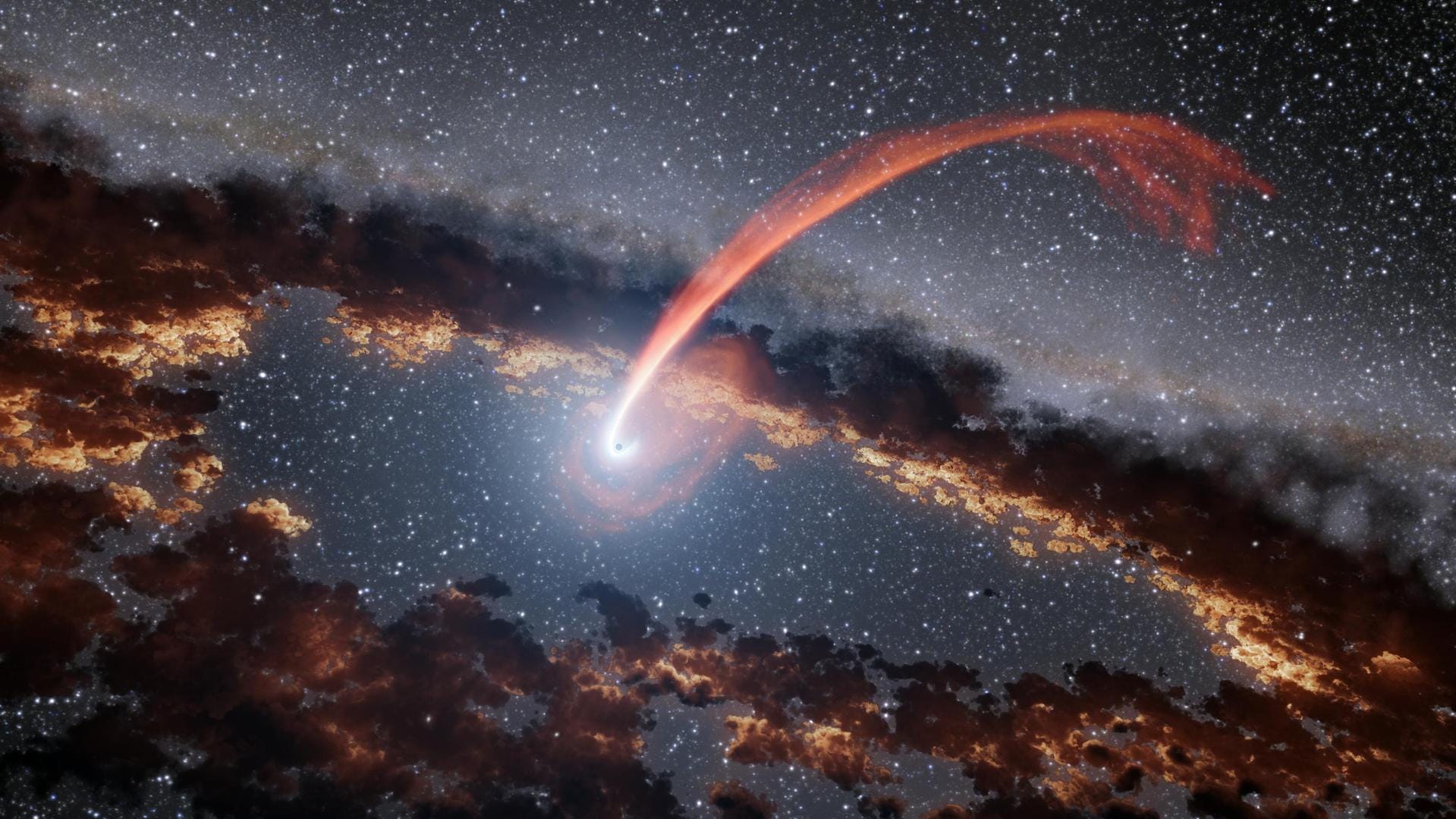
The three examples the team highlighted in a new study describe supermassive black holes feasting on stars more than three times as massive as our own sun. The events, dubbed “extreme nuclear transients,” are not only more rare than a supernova star explosion, but are more powerful than 100 supernovae combined, the team claimed.
Here's what to know about how the powerful forces may have shaped galaxies and how the discovery may help astronomers better study black holes.