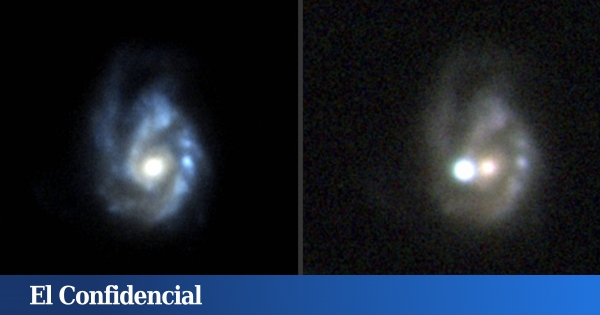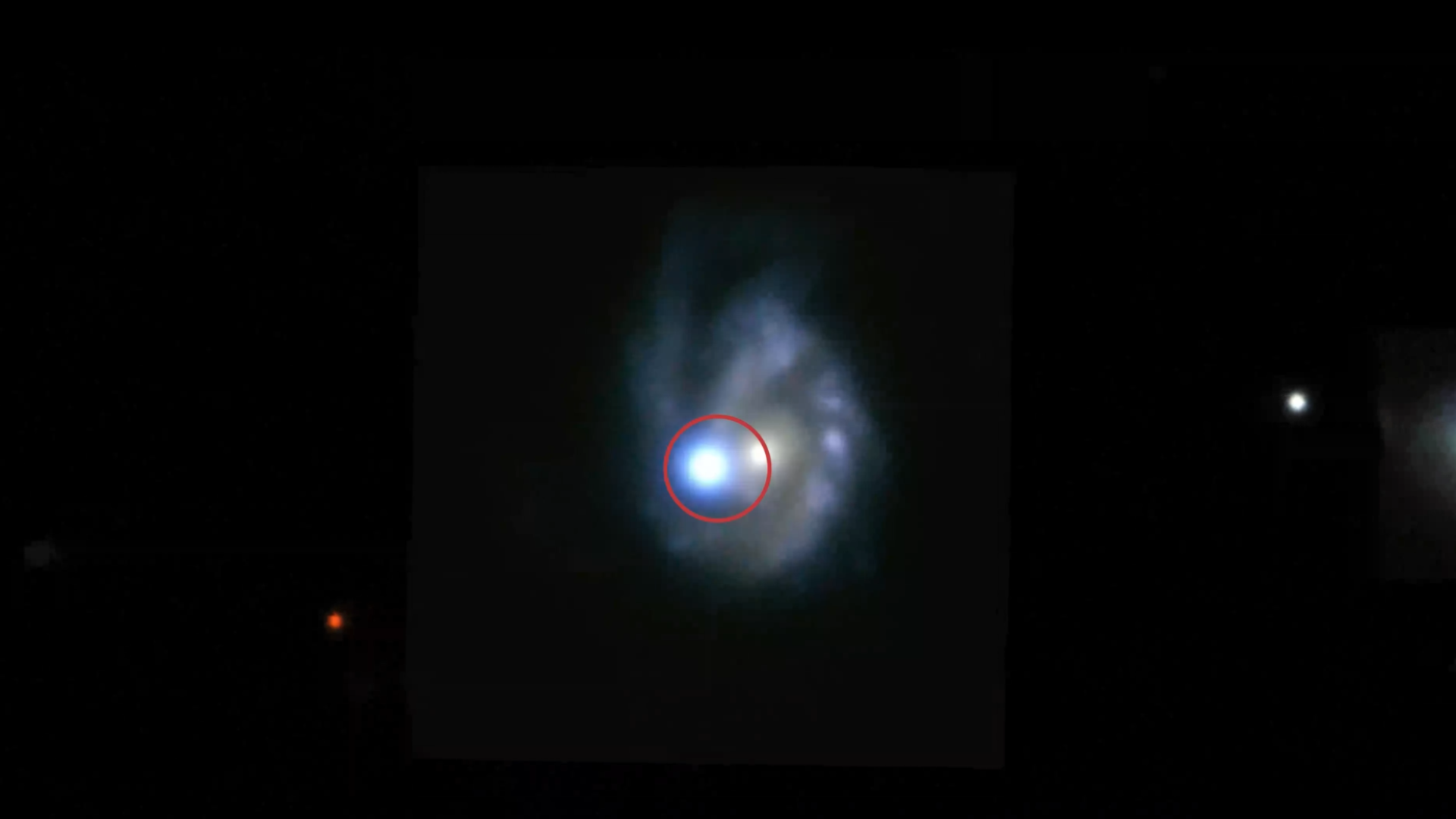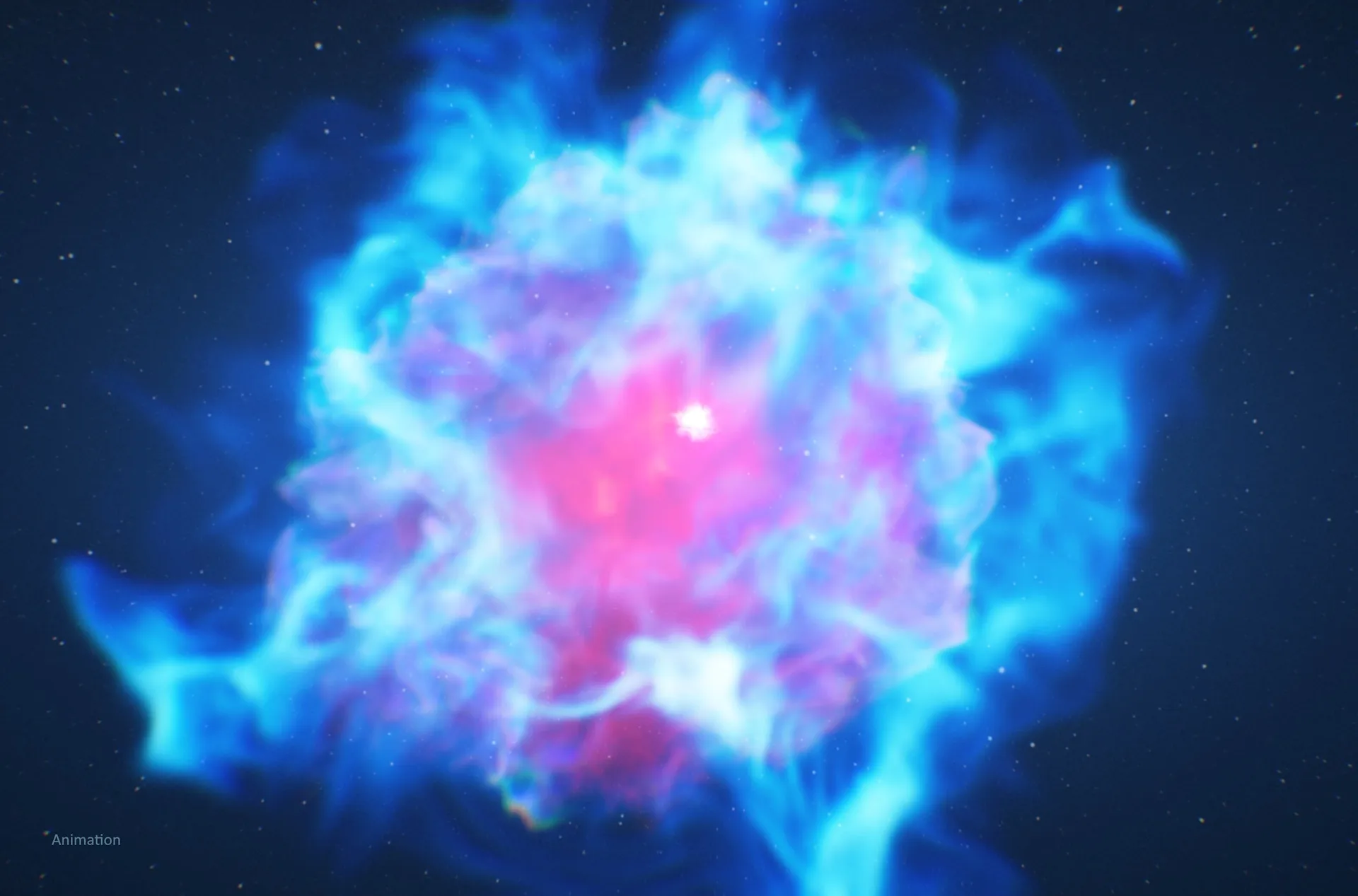
An international team studying data from NASA’s Fermi Gamma-ray Space Telescope concludes the mission detected a rare, unusually luminous supernova. The researchers say it likely received its power-up from a supermagnetized neutron star born in the stellar collapse that triggered the explosion.
Gamma rays detected by NASA’s Fermi Gamma-ray Space Telescope gave scientists a look under the hood of a rare supernova that produced much more light than normal.NASA’s Goddard Space Flight Center
The Fermi mission is part of NASA’s fleet of observatories monitoring the changing cosmos to help humanity better understand how the universe works.
“For nearly 20 years, astronomers have searched Fermi data for gamma-ray signals from thousands of supernovae, and while a few intriguing hints have been reported, none were definitive until now,” study lead Fabio Acero at the French National Centre for Scientific Research (CNRS) and the University of Paris-Saclay.
A paper describing the findings published Wednesday in the journal Astronomy & Astrophysics.