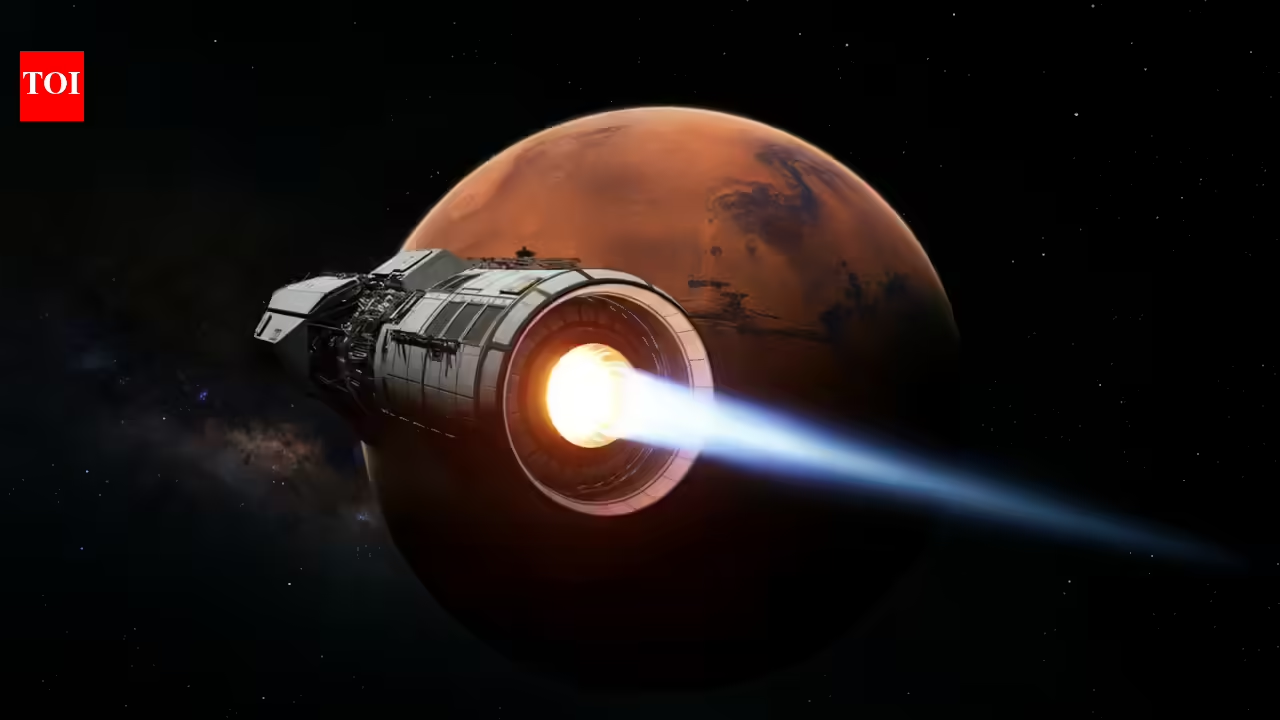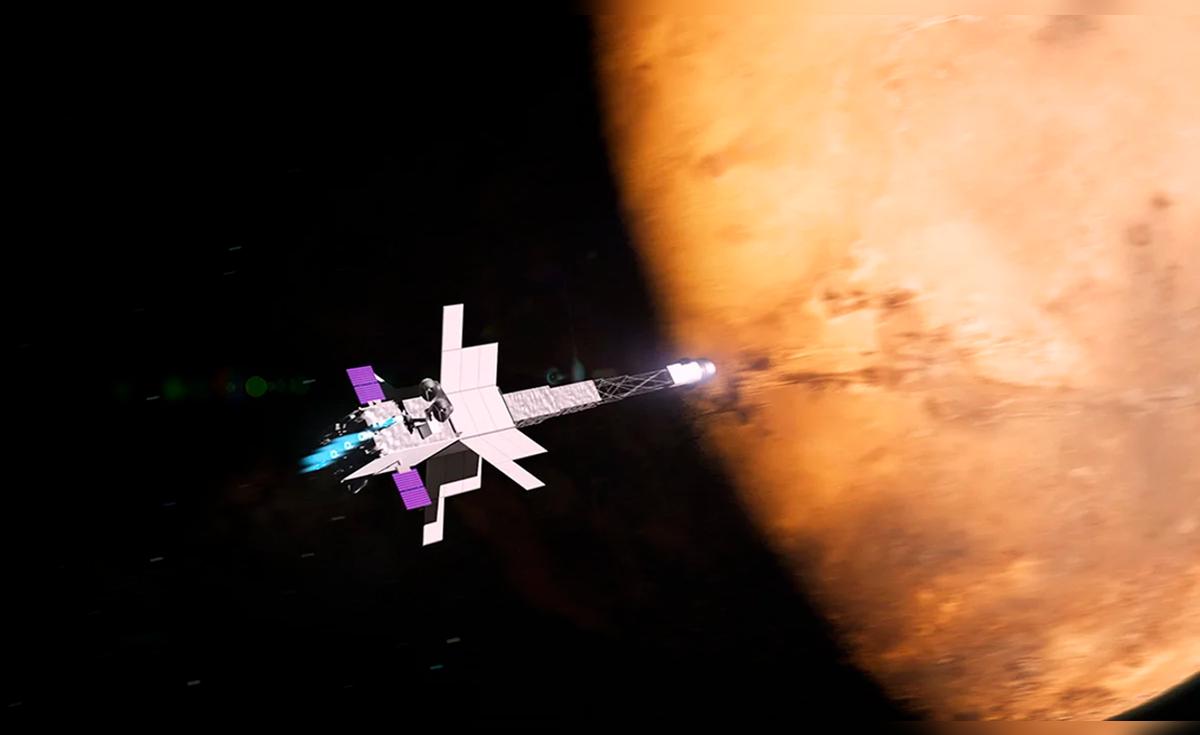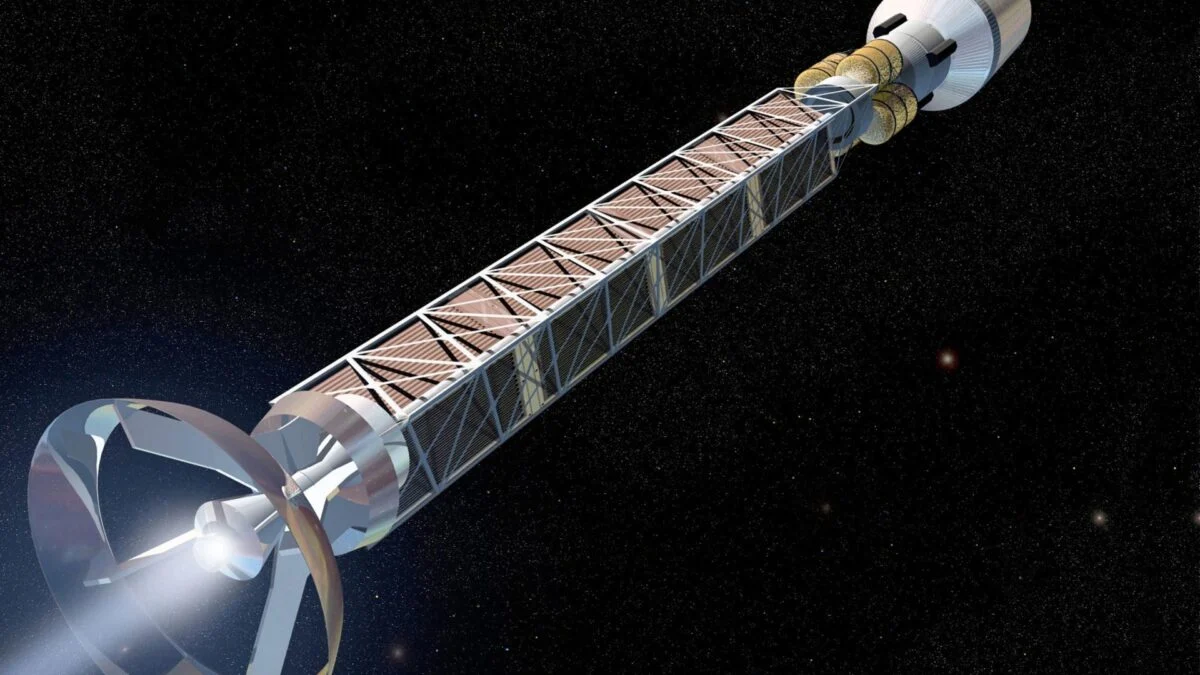
A new type of electromagnetic thruster has successfully completed an early test at NASA's Jet Propulsion Laboratory (JPL), offering a glimpse of how astronauts could one day travel to Mars. If further developed, this technology could also power robotic missions across the solar system.
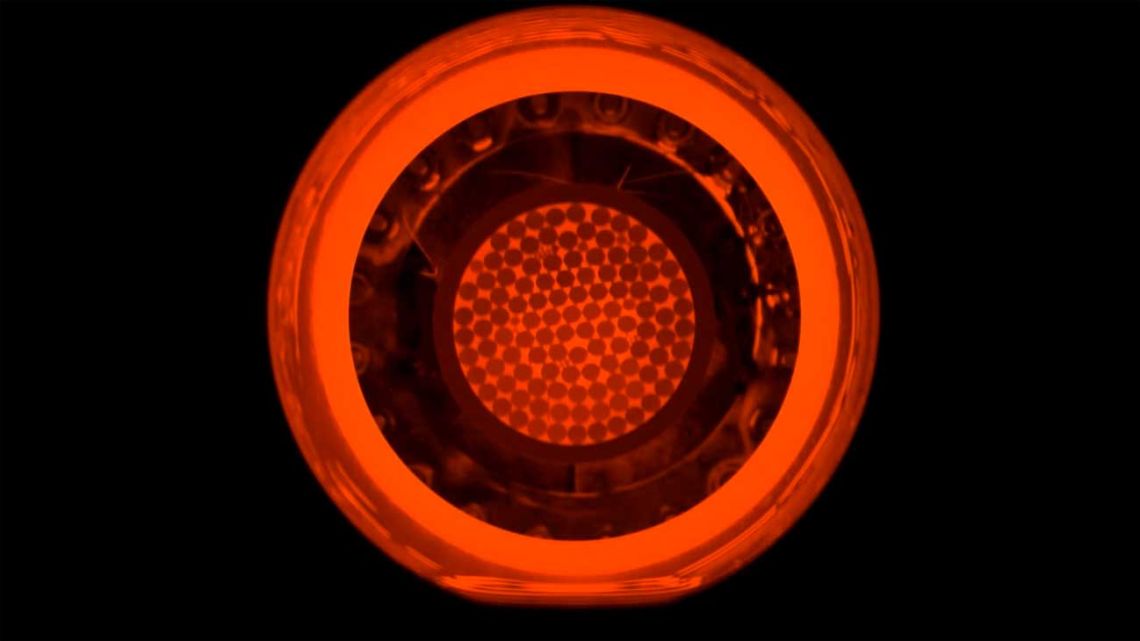
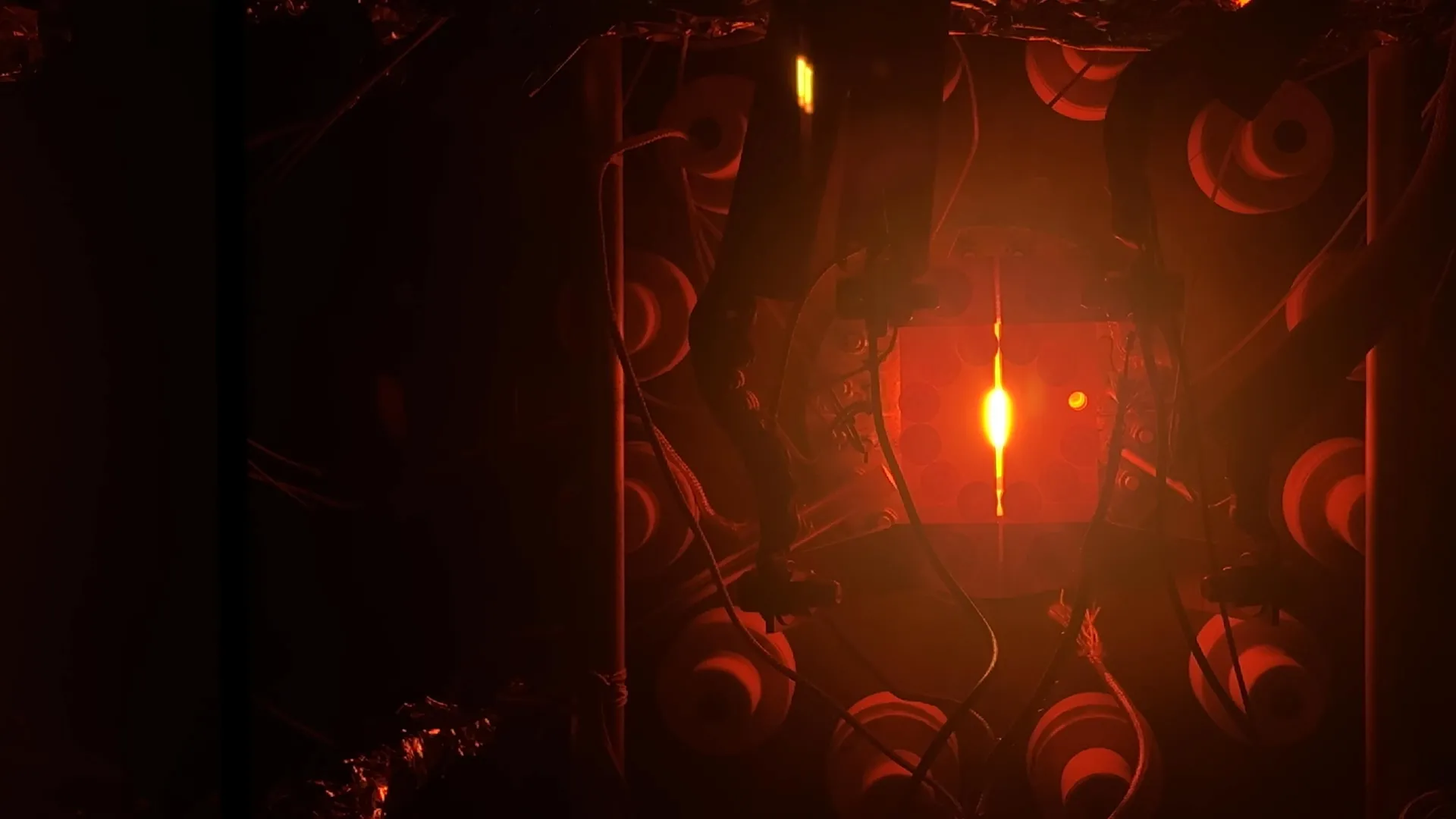
On Feb. 24, engineers at JPL in Southern California carried out a major test of the experimental engine, firing it at power levels higher than any similar test previously conducted in the United States. The thruster runs on lithium metal vapor and represents a significant step forward in electric propulsion.
This first test pushed the prototype beyond the capabilities of any electric thruster currently used on NASA spacecraft. The results are expected to guide a series of upcoming experiments aimed at refining and scaling the technology.
"At NASA, we work on many things at once, and we haven't lost sight of Mars. The successful performance of our thruster in this test demonstrates real progress toward sending an American astronaut to set foot on the Red Planet," said NASA Administrator Jared Isaacman. "This marks the first time in the United States that an electric propulsion system has operated at power levels this high, reaching up to 120 kilowatts. We will continue to make strategic investments that will propel that next giant leap."