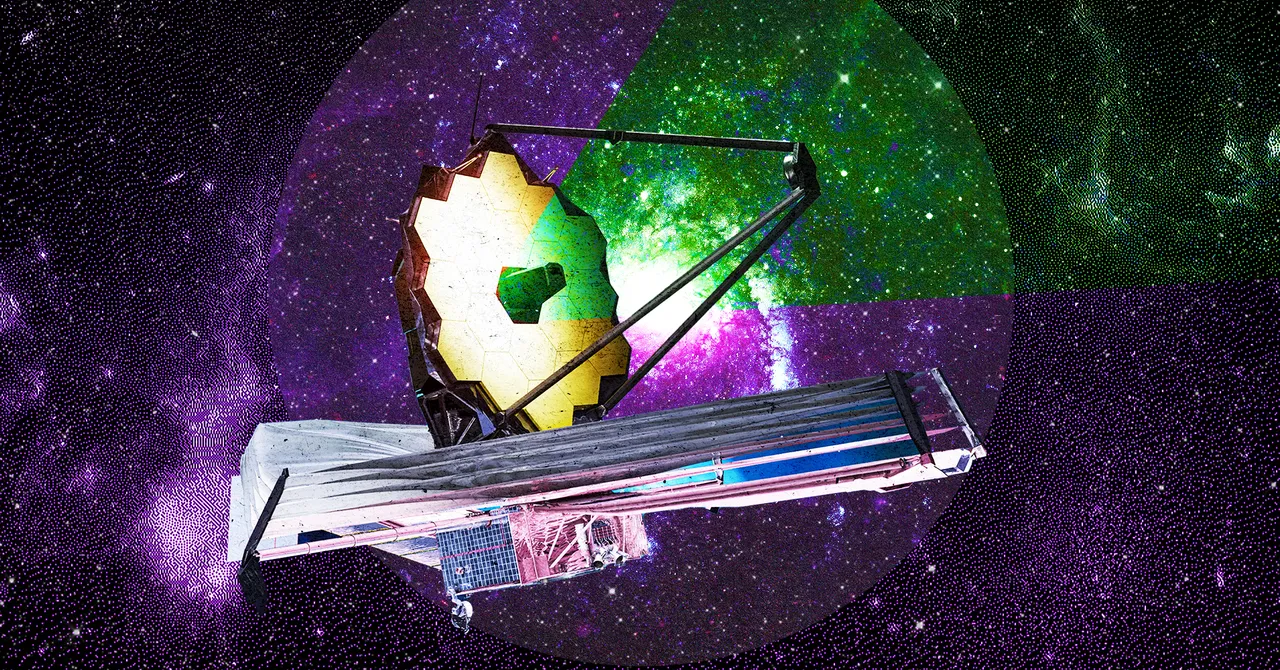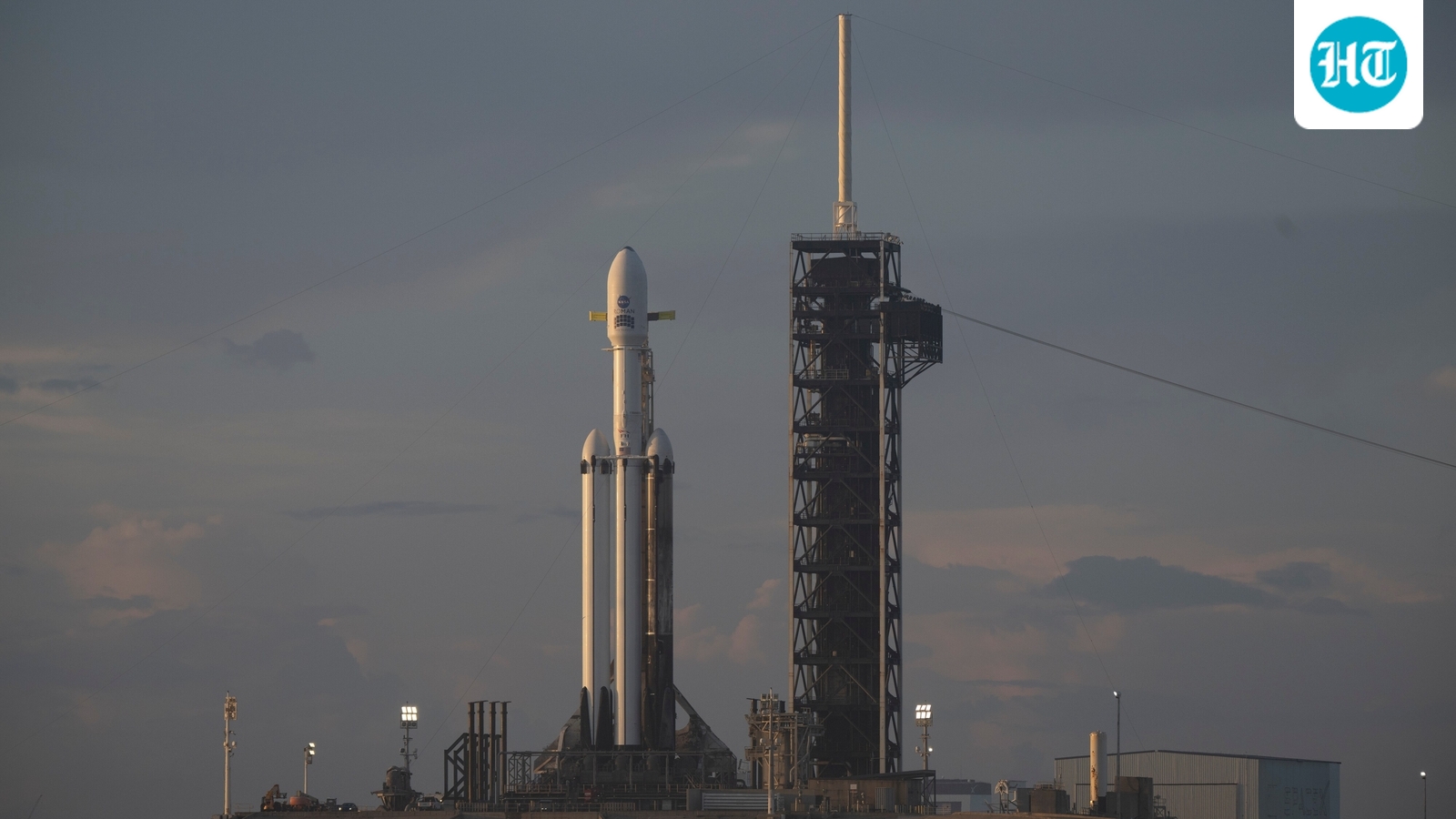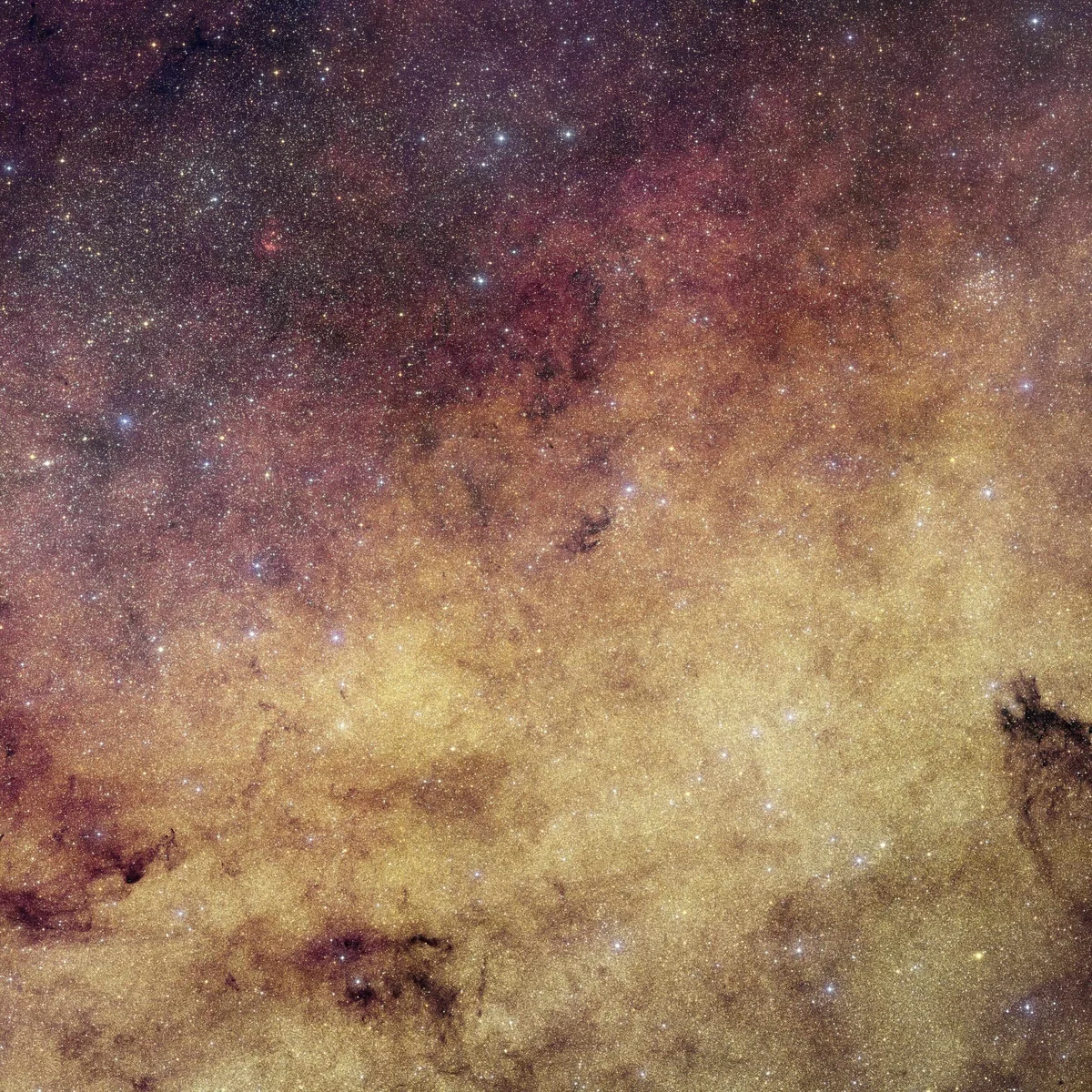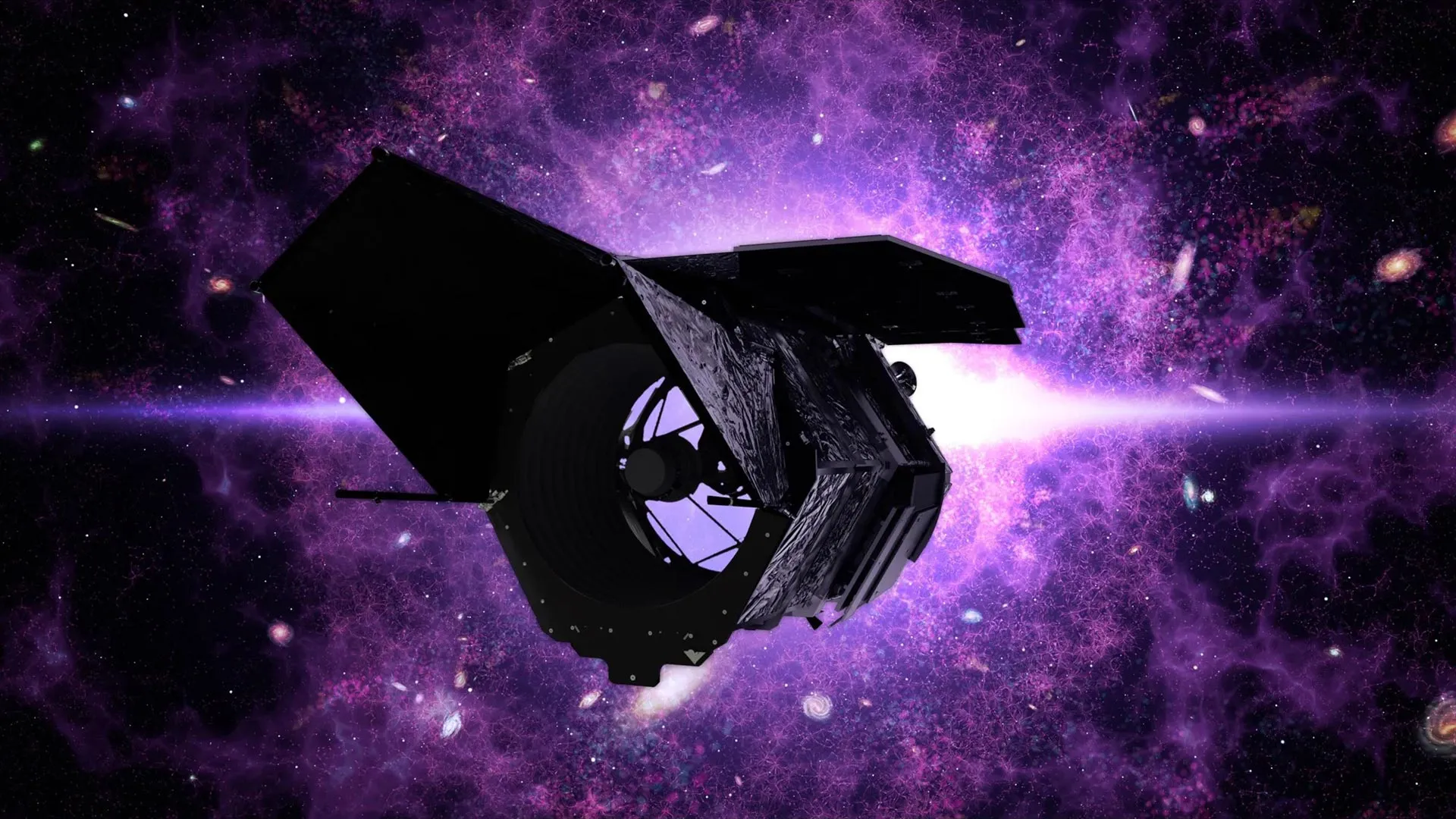
Astronomers have long believed the Milky Way is filled with neutron stars, the ultra dense remnants left behind when massive stars explode. The problem is that most of these objects are nearly impossible to see. A new study published in Astronomy and Astrophysics suggests NASA's upcoming Nancy Grace Roman Space Telescope may finally be able to uncover some of them.
Using advanced simulations of the Milky Way and predictions of Roman's future observations, researchers found the space telescope could detect and study dozens of isolated neutron stars through a phenomenon known as gravitational microlensing.
"Most neutron stars are relatively dim and on their own," said Zofia Kaczmarek of Heidelberg University in Germany, who led the study. "They are incredibly hard to spot without some sort of help."
How Roman Could Detect Invisible Neutron Stars
Neutron stars contain more mass than the Sun packed into an object roughly the size of a city. Scientists study them to better understand how stars evolve, explode, and distribute heavy elements throughout the cosmos. They also offer a rare opportunity to investigate matter under the most extreme conditions (pressures and densities) imaginable.