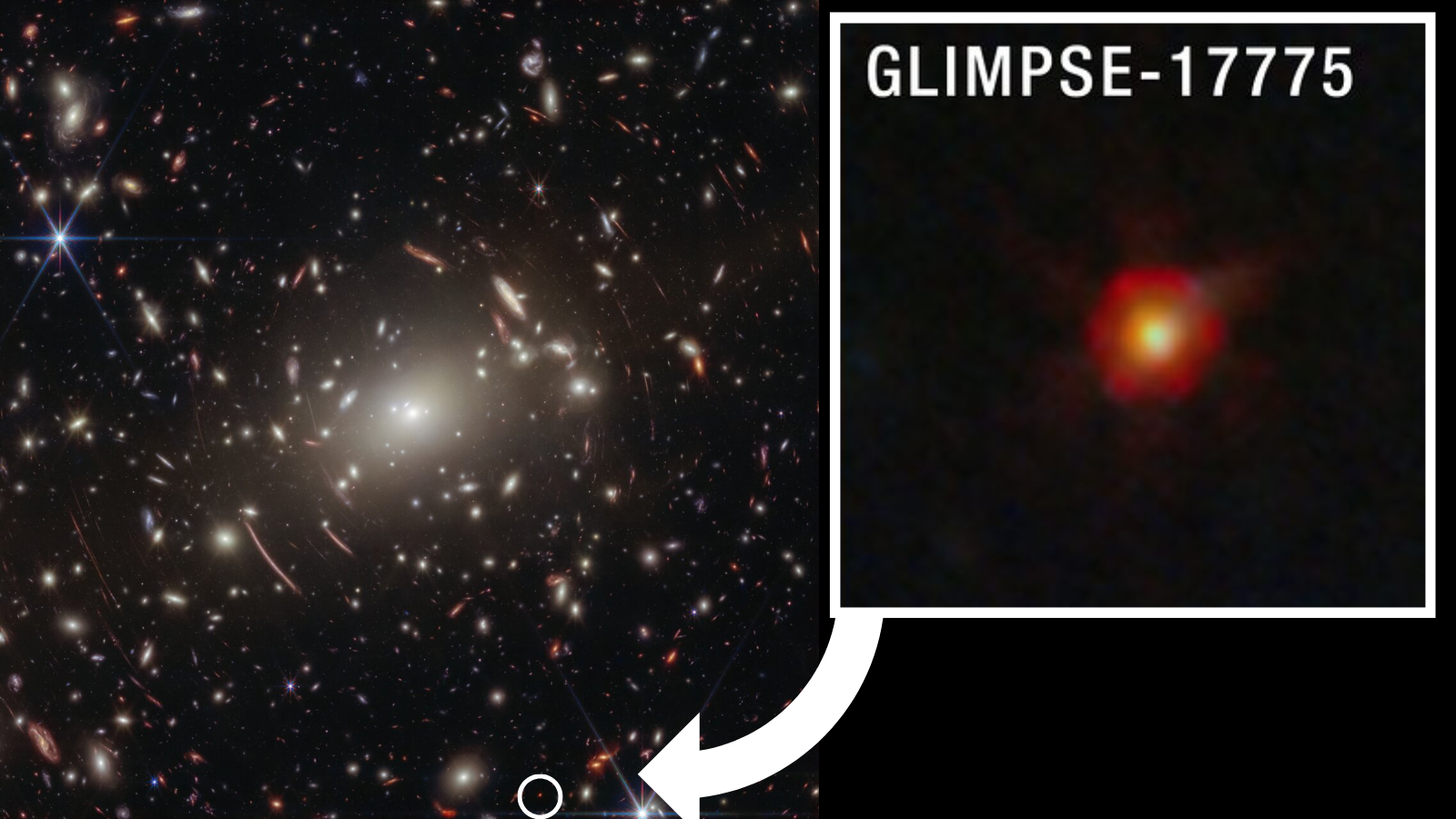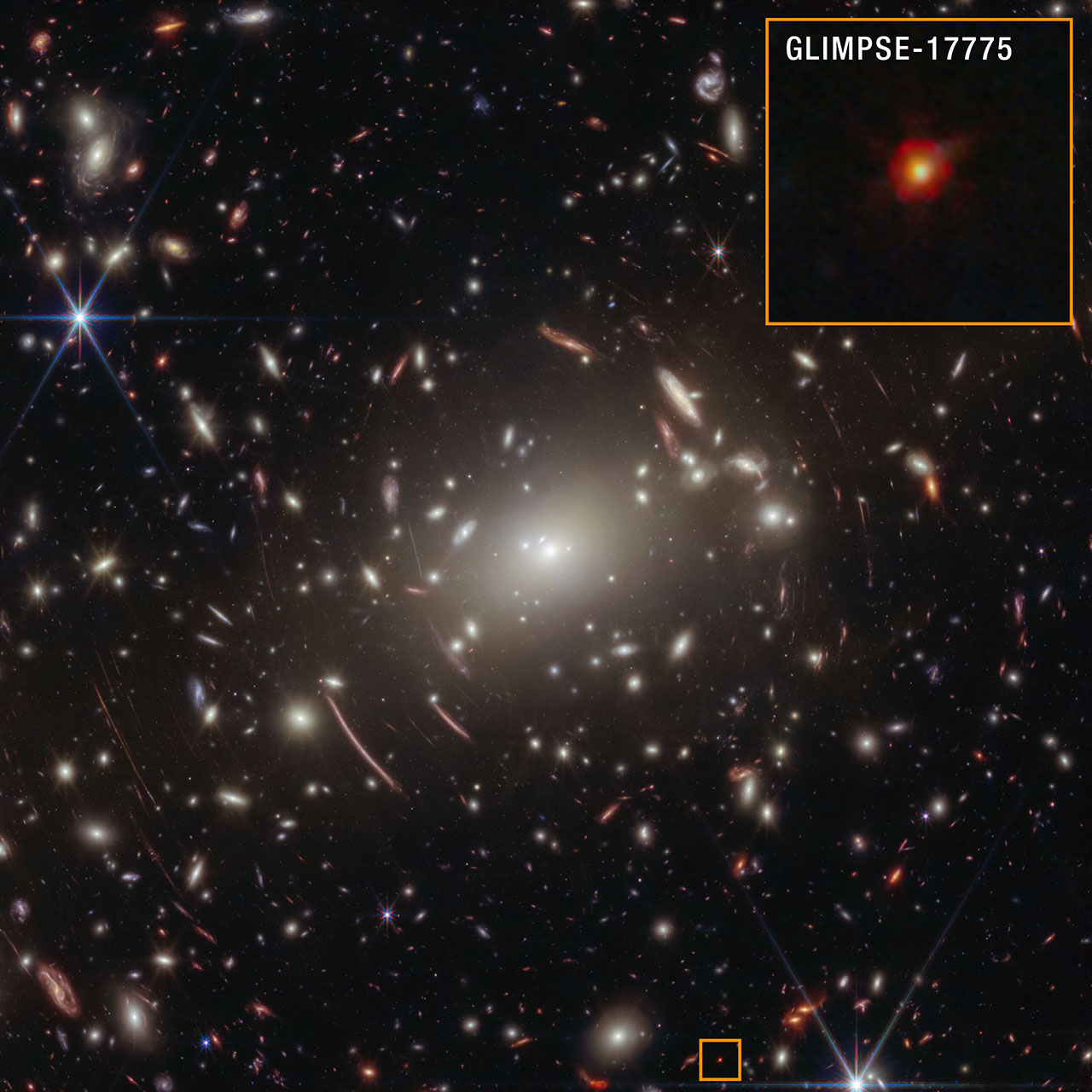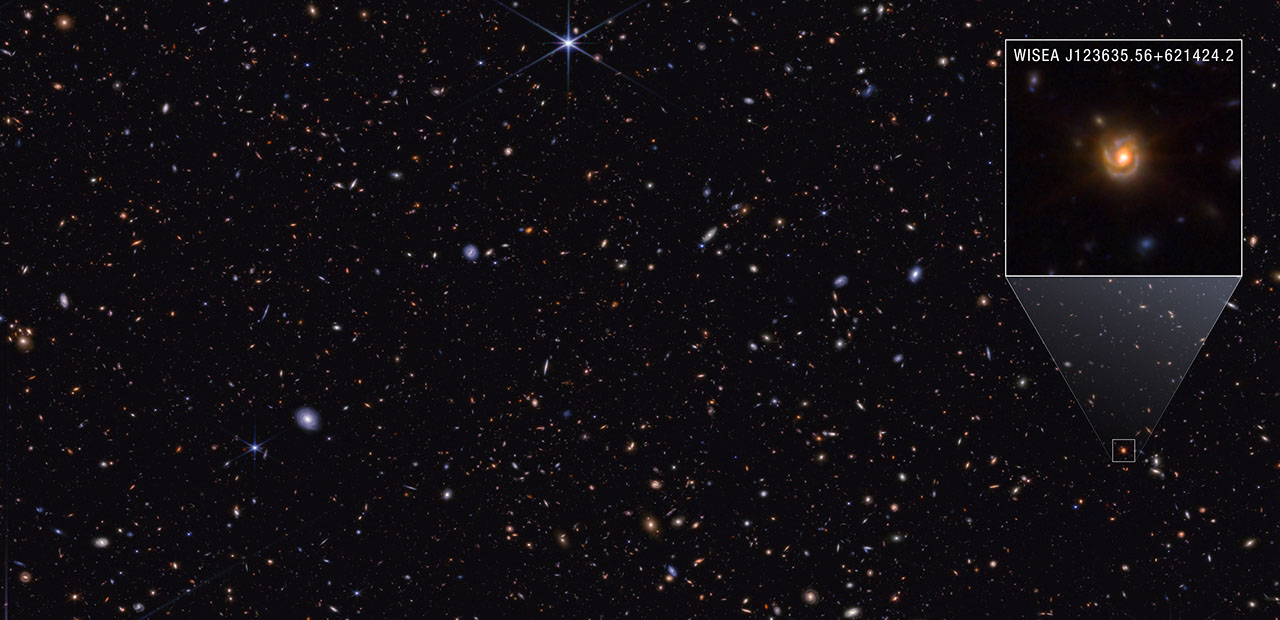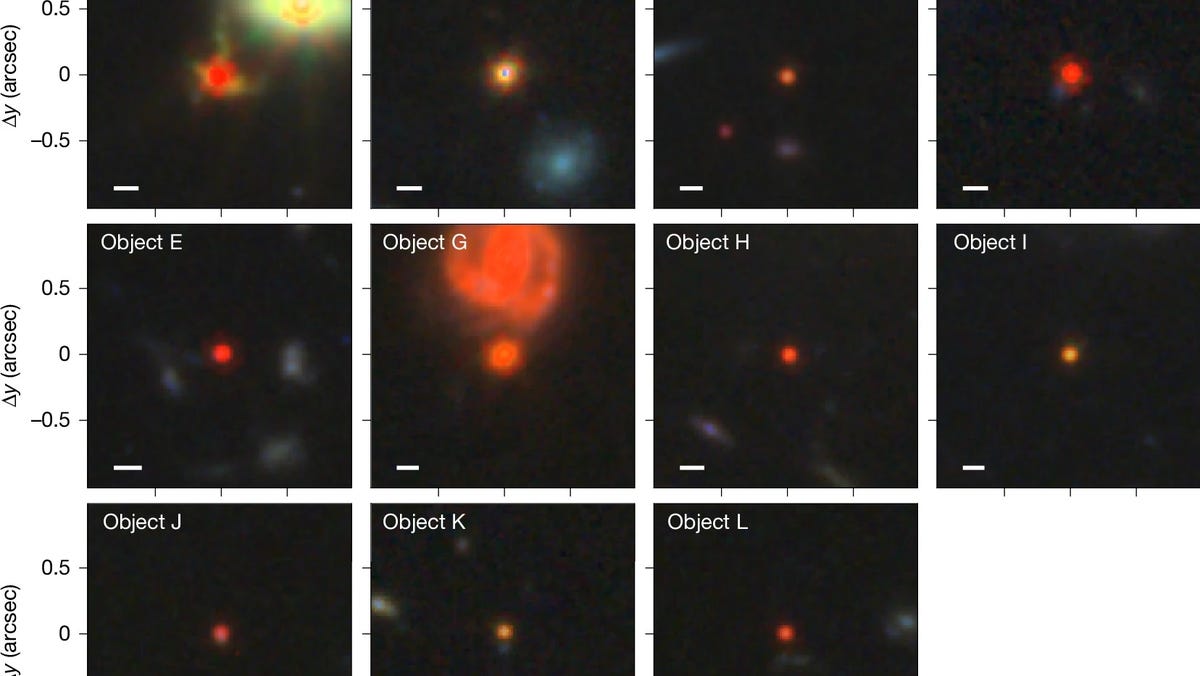
Scientists may have discovered an explanation for a cosmic mystery uncovered by the James Webb Space Telescope several years ago: the origin of "little red dots" scattered across the cosmos.
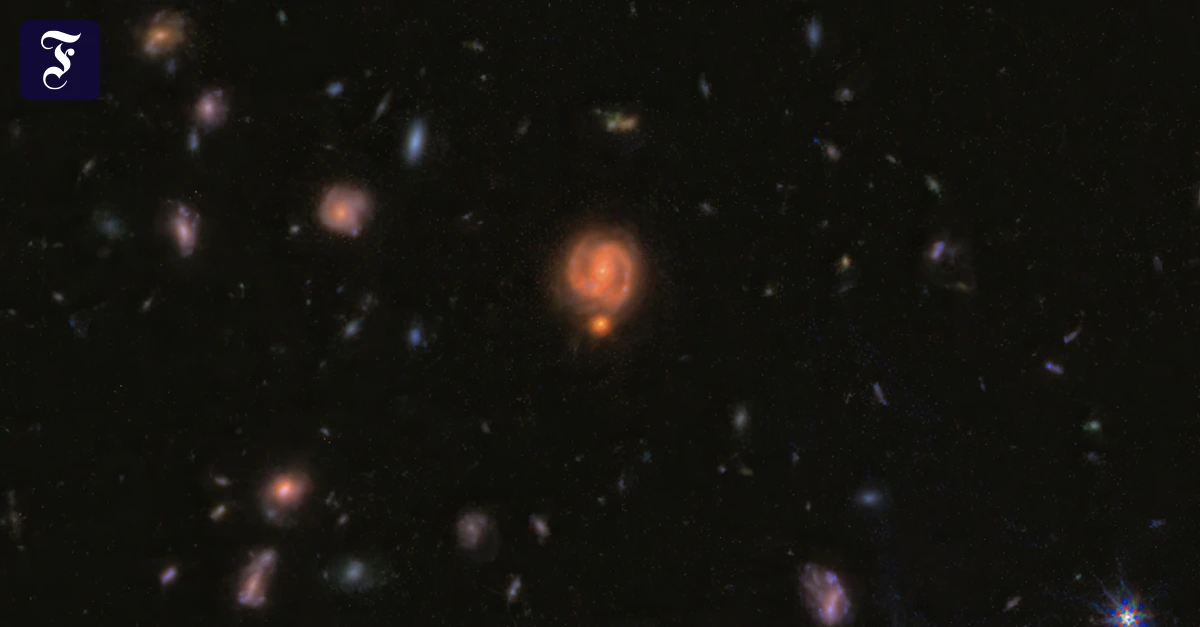
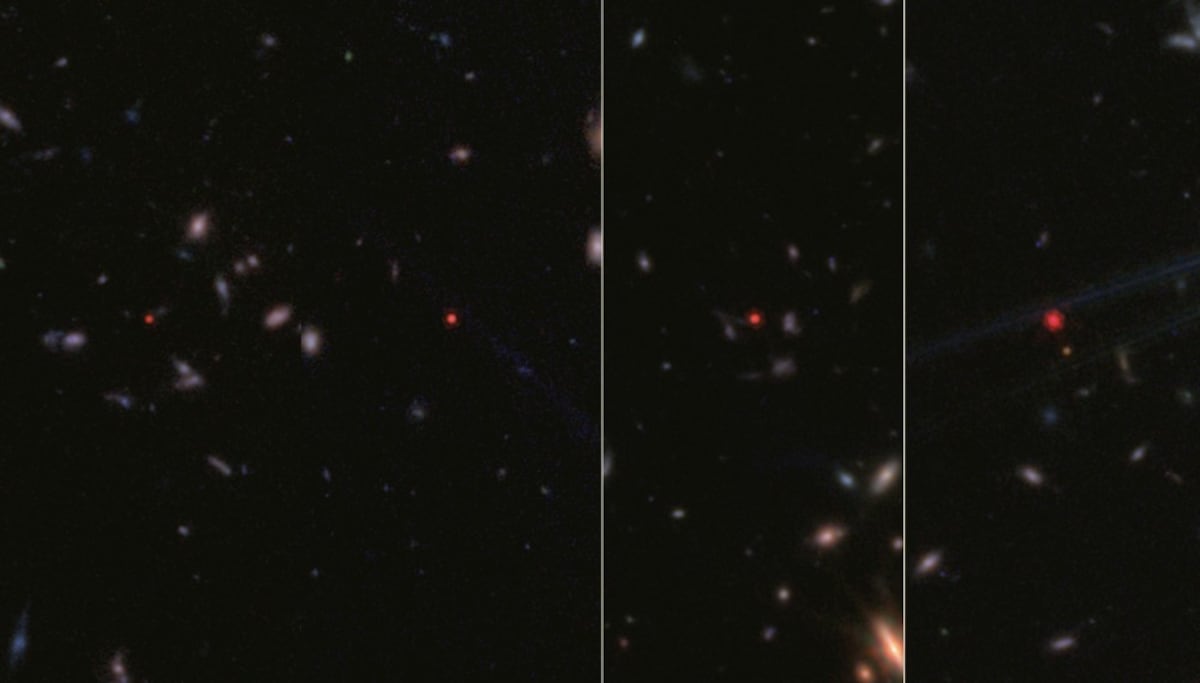
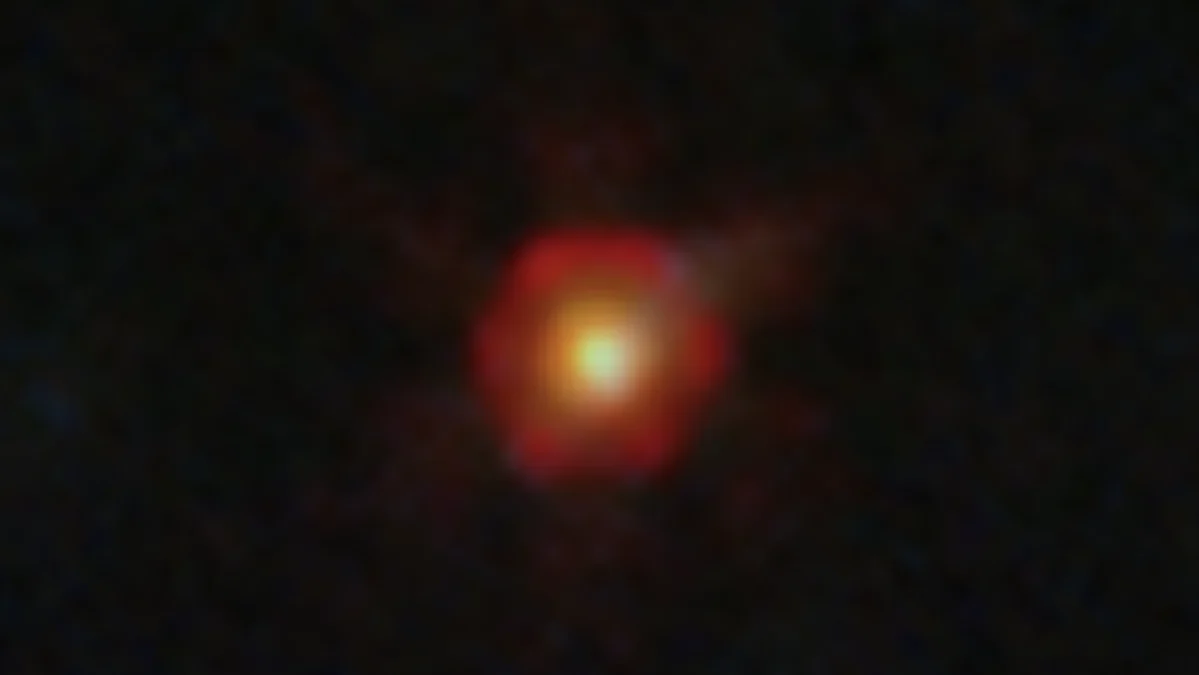
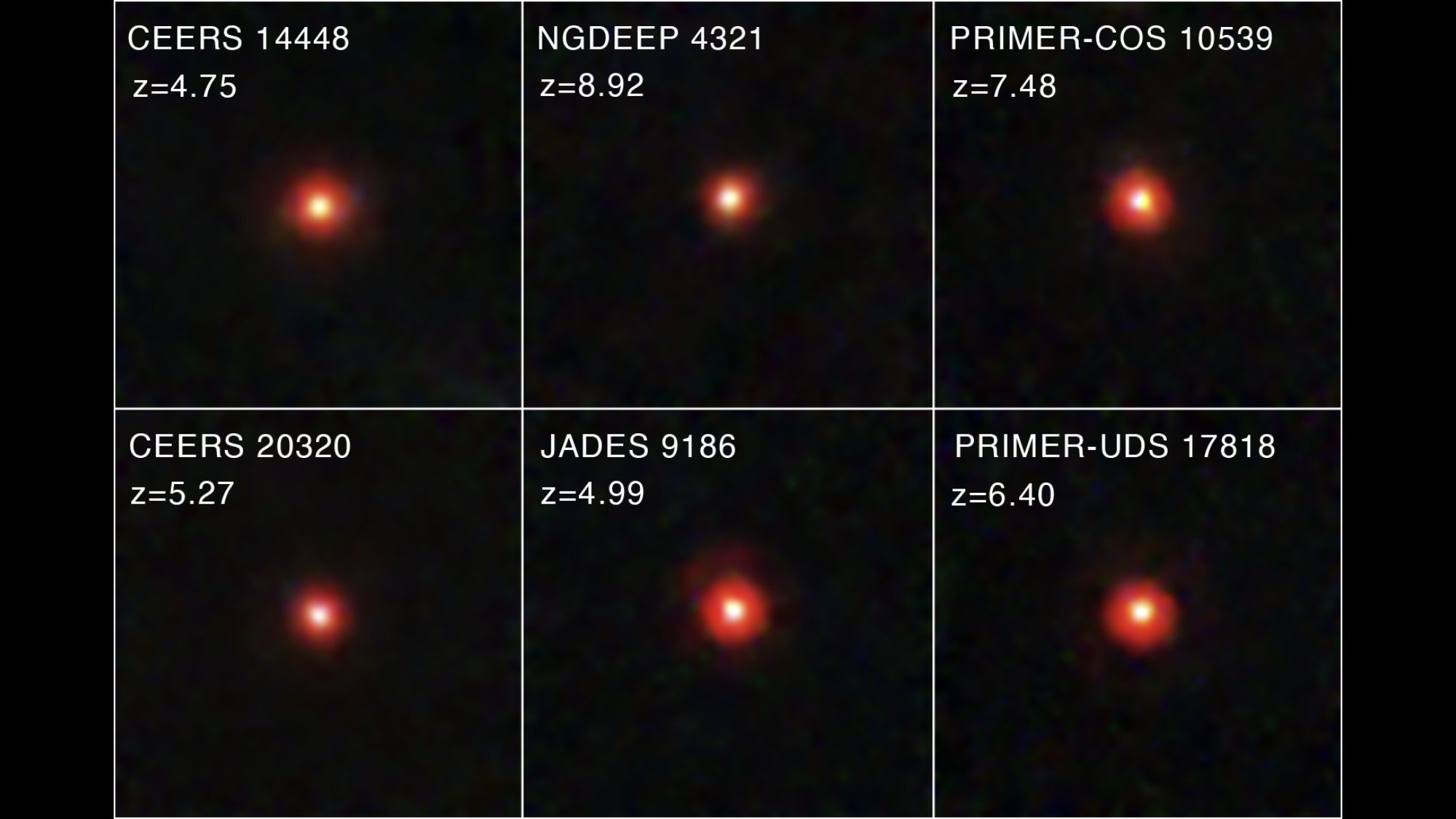
In December 2022, six months after the launch of the super-powerful Webb Telescope, the telescope spotted something previously unseen: countless small red objects in the sky, which NASA says scientists soon dubbed “little red dots” (LRDs).
A puzzle to astronomers, scientists theorised the LRDs could be very dense galaxies or supermassive black holes. "For a time, the LRDs were framed as breaking cosmology because they defied practically every expectation set by well-founded theories," writes Lee Billings in Scientific American.
Black holes: NASA's James Webb Space Telescope uncovers black hole secret
That is because the dots were "too massive and mature to be early galaxies brightened by swarms of newborn stars, yet they weren’t blasting out the x-rays and radio waves that are the hallmarks of supermassive black holes feeding on gas and dust," he writes.