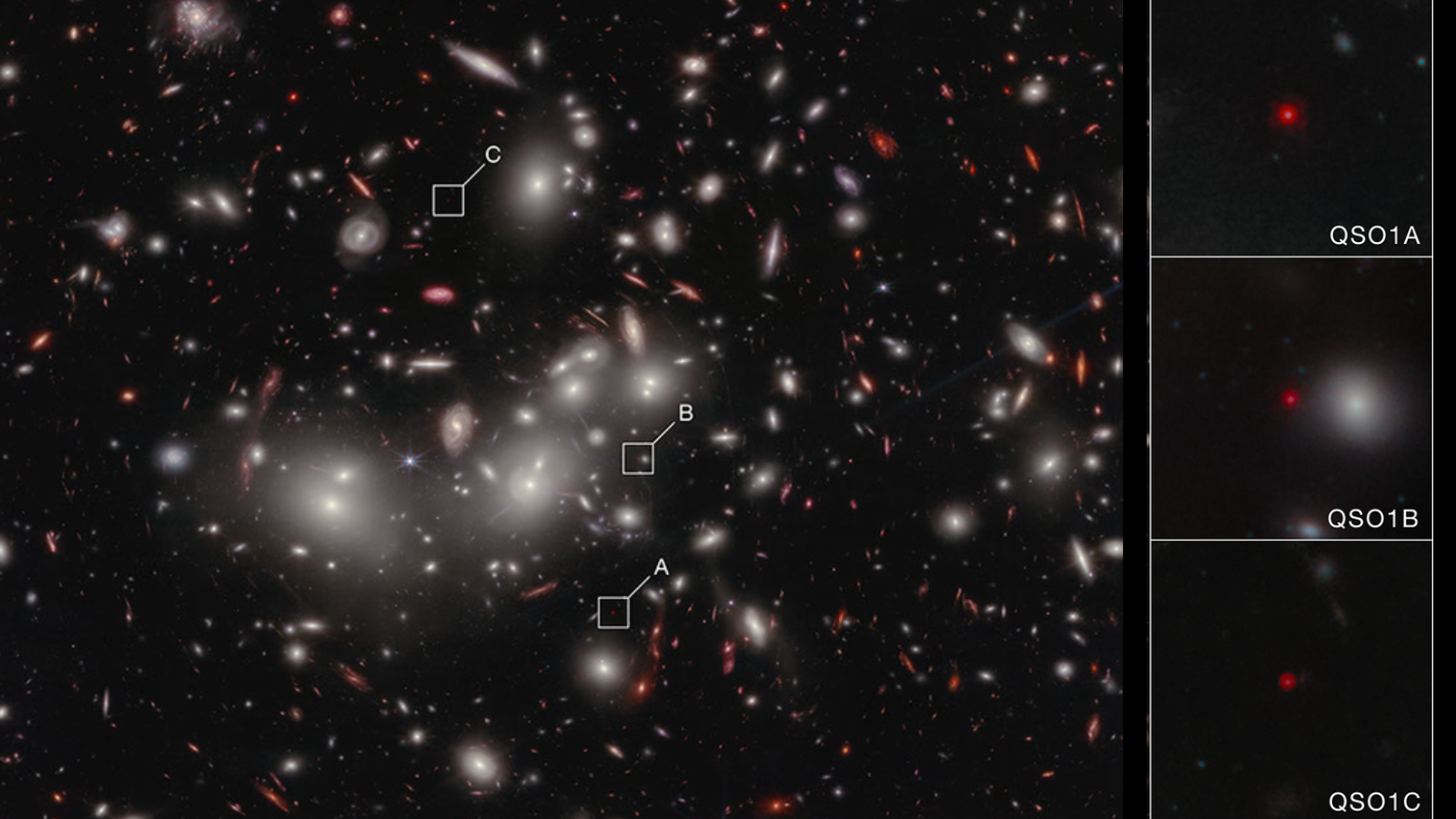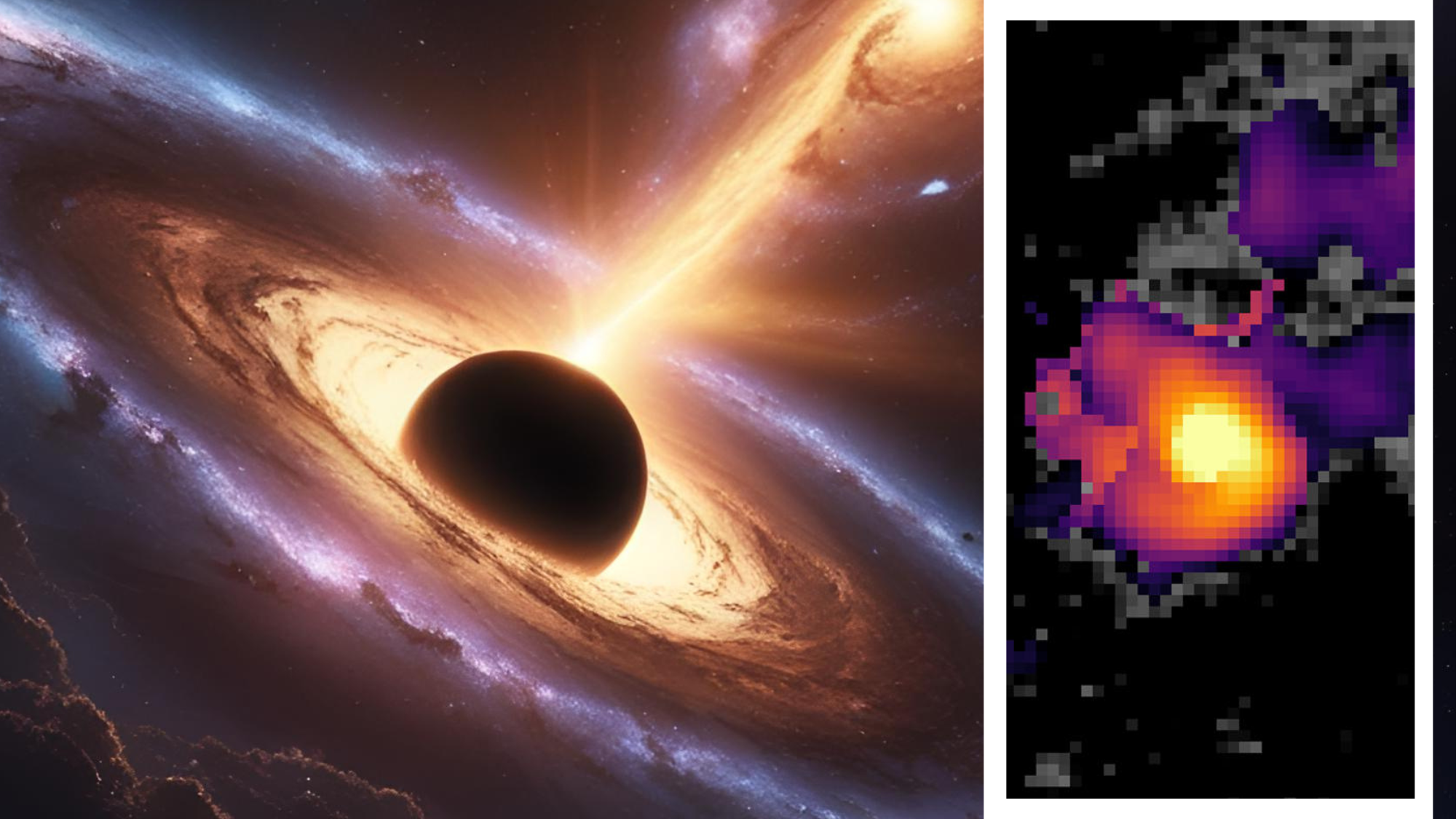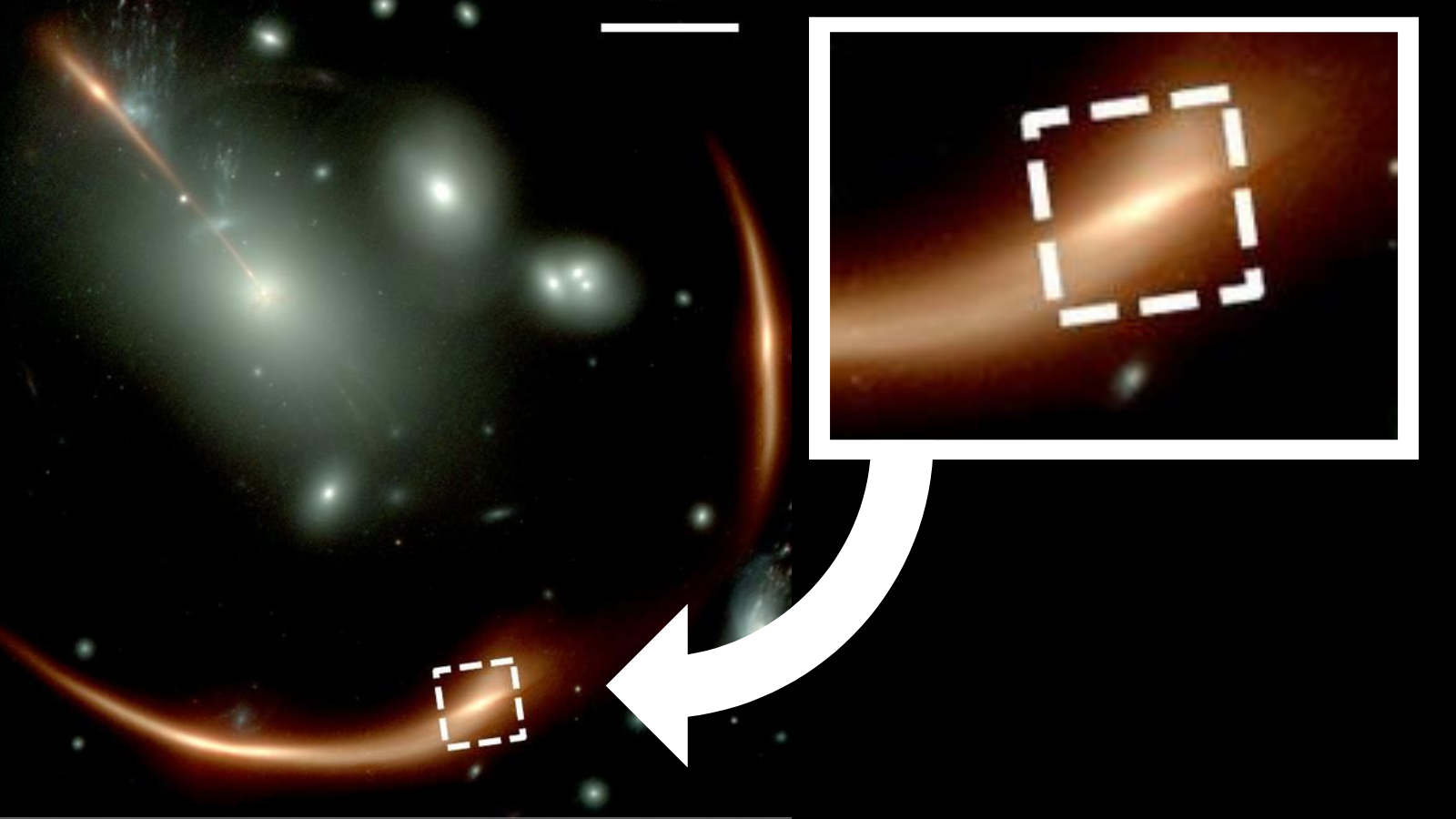
The James Webb Space Telescope has delivered new evidence that sheds light on what scientists know about black holes.
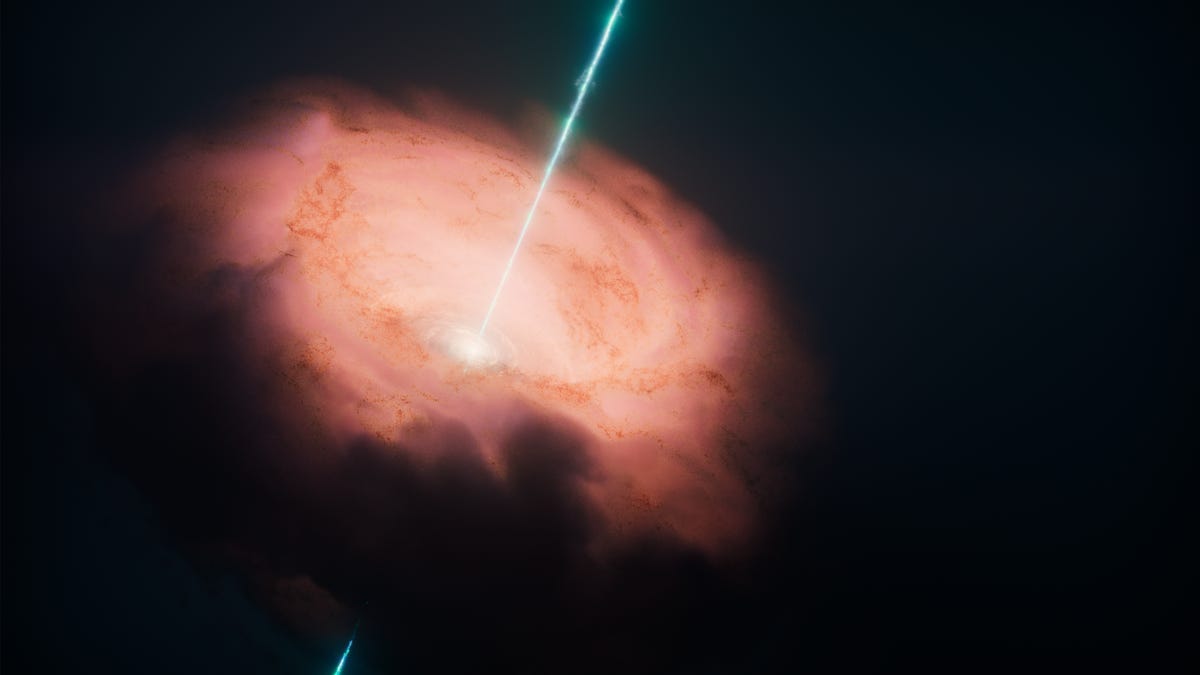
Launched more than four years ago, the infrared observatory, and successor to the Hubble Space Telescope, was used to target a "supermassive black hole" located in the Circinus Galaxy, a neighboring galaxy about 13 million light-years away.
The data from the Webb telescope – built through an international partnership between the Canadian, European and American space agencies – helped researchers learn something new about what's happening in and around the black hole, they reveal in the Jan. 13 issue of the journal Nature Communications.
Previous telescopes could detect an excess of infrared light emanating from the black hole; however, they didn't have the resolution to determine its specific origin. Scientists theorized that "superheated matter" flowing out of the black hole generated the most infrared light, according to NASA.
Ten years after: Why are people posting photos from 2016? What to know about the trend