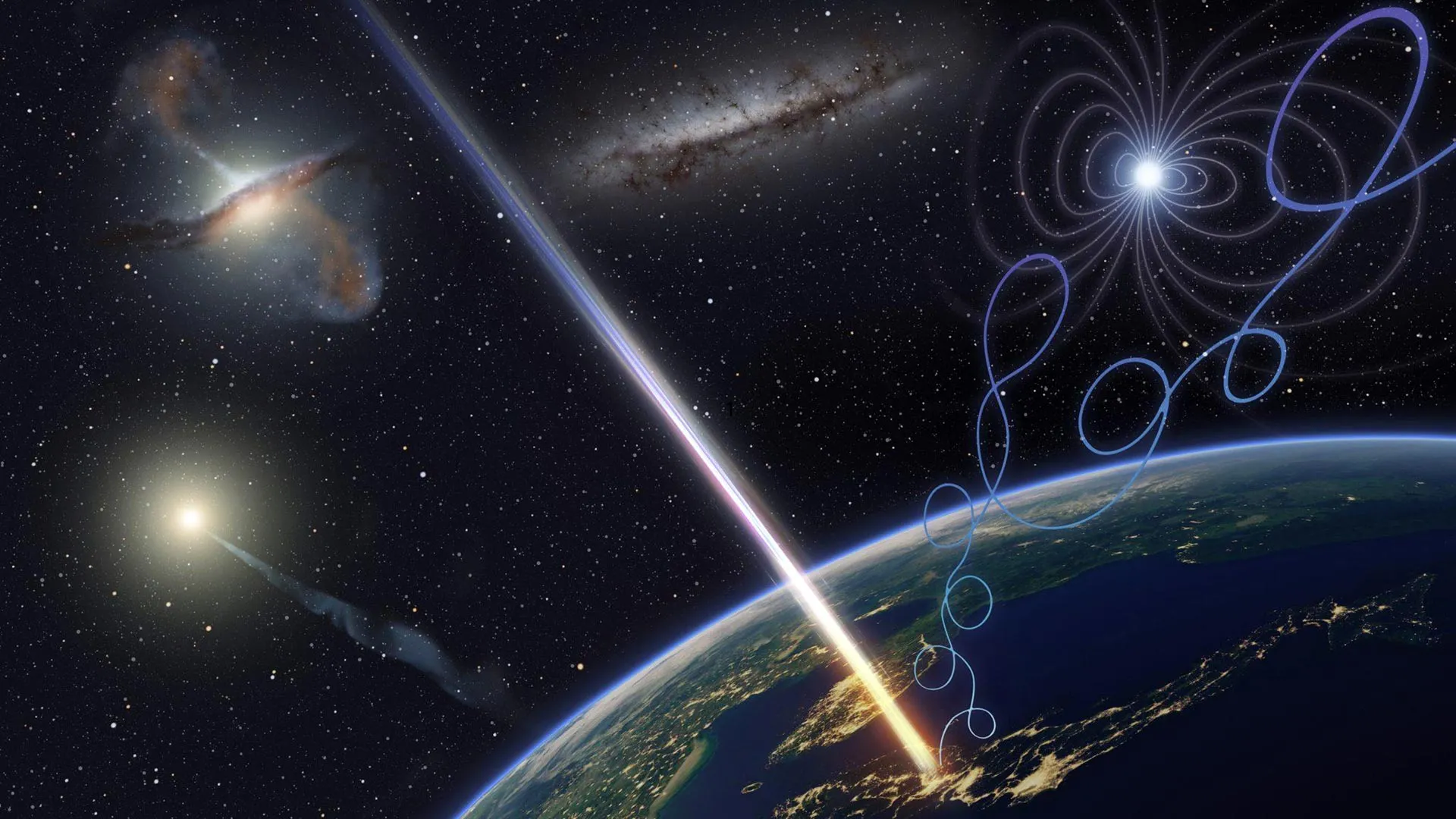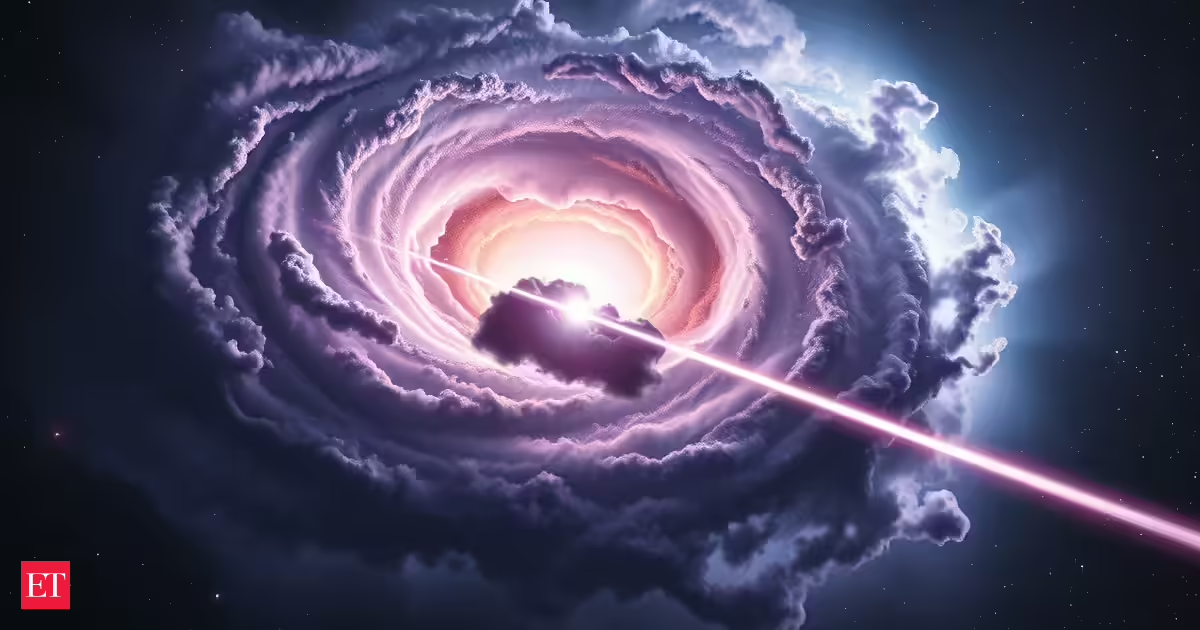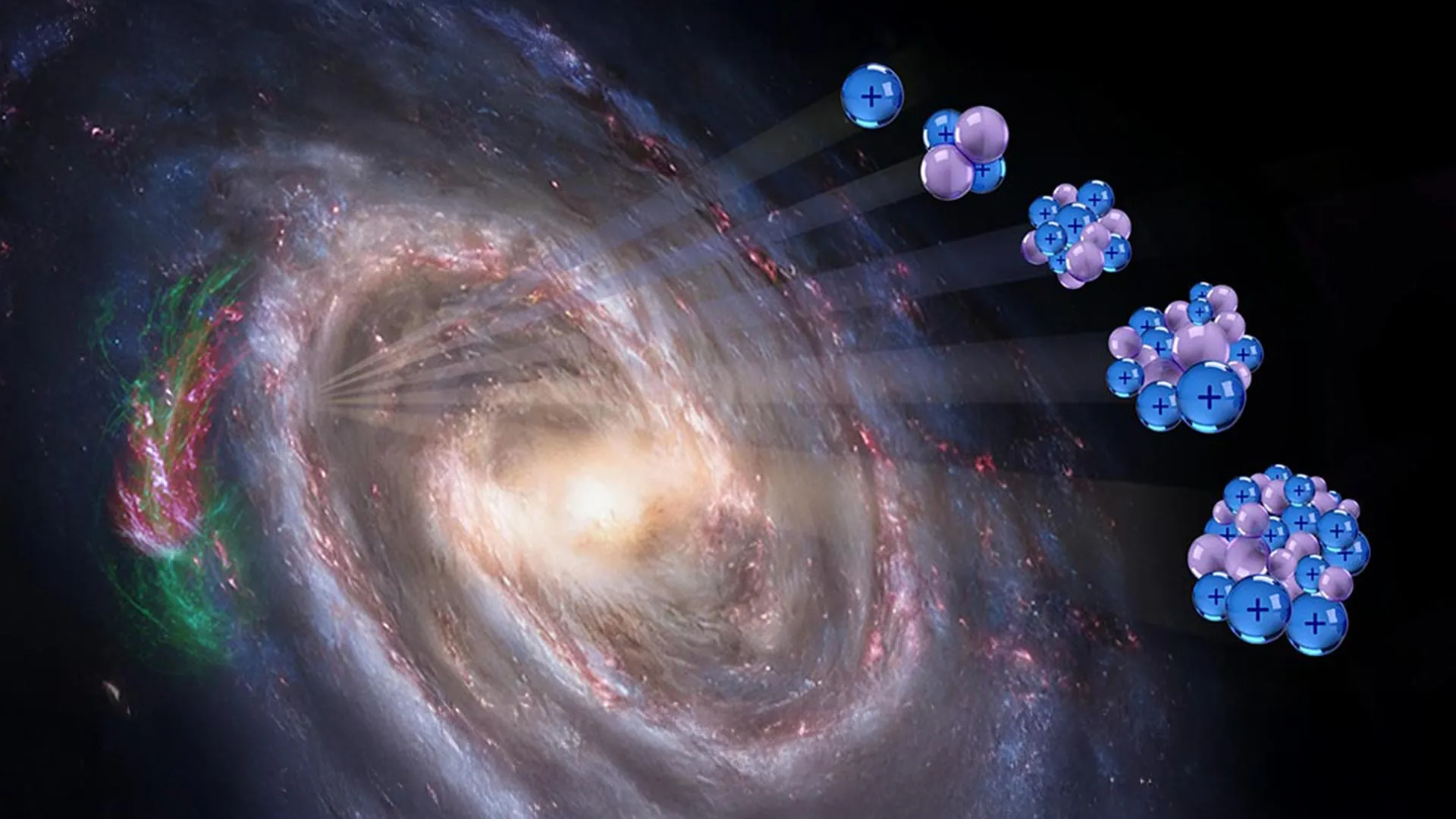
For more than 100 years, scientists have been trying to understand cosmic rays, incredibly powerful particles that travel across the universe at extreme energies. Despite decades of research, many questions about where they come from and how they are accelerated remain unanswered. Now, researchers working with the DAMPE (Dark Matter Particle Explorer) space telescope have uncovered an important new clue. Their findings, published in Nature, reveal a common feature shared by these mysterious particles and could help scientists better understand their origins.
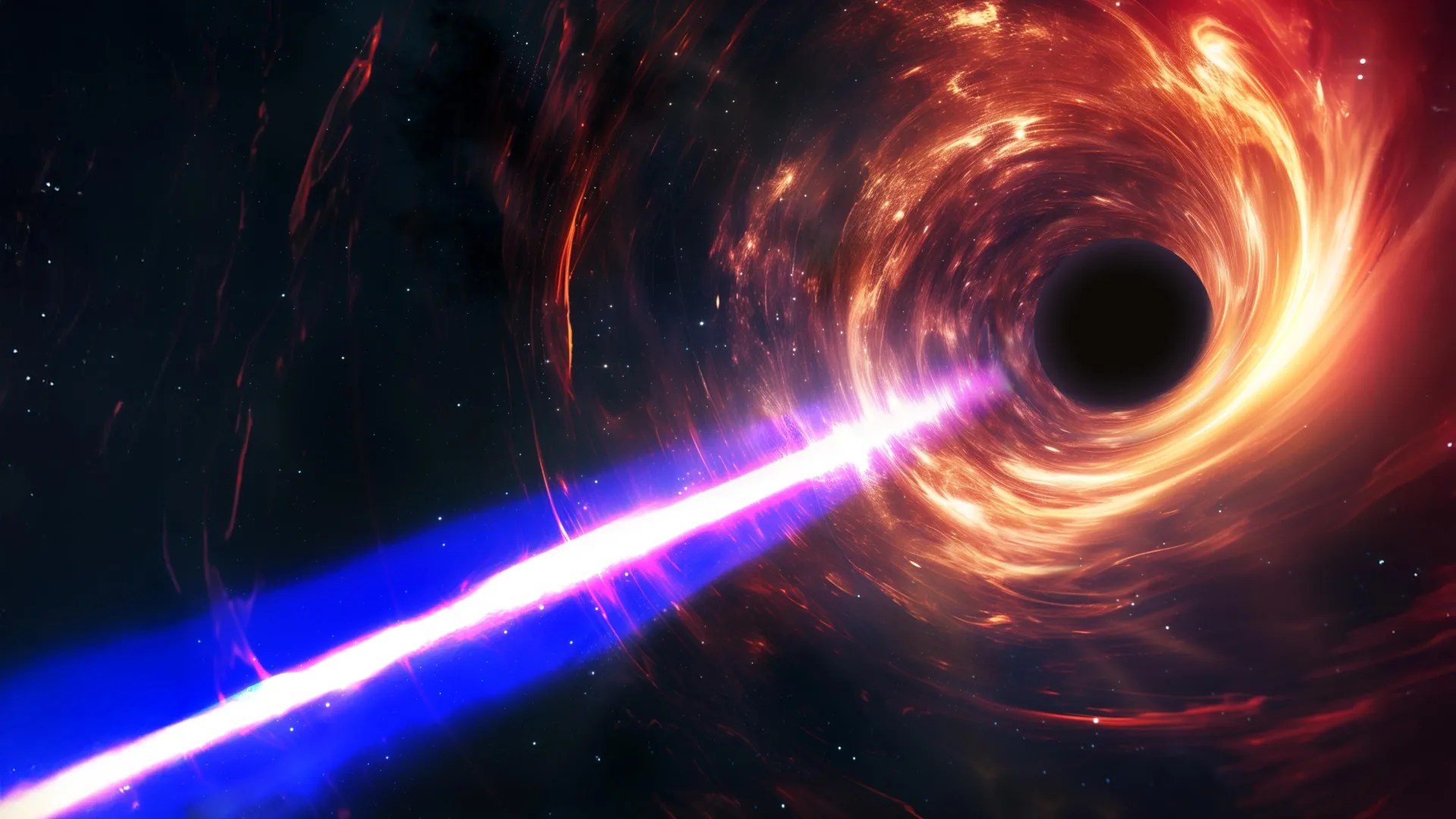
Cosmic rays are the highest energy particles ever observed in nature. They carry far more energy than particles produced by even the most advanced accelerators on Earth. Scientists believe they are created by some of the universe's most violent events, including supernova explosions, jets from black holes, and pulsars.
Launched in December 2015, the DAMPE space telescope was designed to investigate the nature of cosmic rays and explore possible connections to dark matter. The mission includes major contributions from the astrophysics group at the Department of Nuclear and Particle Physics (DPNC) at the University of Geneva (UNIGE).