For decades, a puzzling discrepancy involving a tiny subatomic particle called the muon fueled speculation that physicists might be on the verge of discovering an entirely new force of nature. Now, an international research team led by a Penn State physicist says the mystery appears to have been solved, and the answer supports existing physics rather than overturning it.
The researchers published their findings in the journal Nature, describing one of the most precise particle physics calculations ever completed. Their work shows that the long debated mismatch between theory and experiment was likely caused by limitations in earlier calculations rather than evidence of unknown physics.
Decades of Hopes for "New Physics"
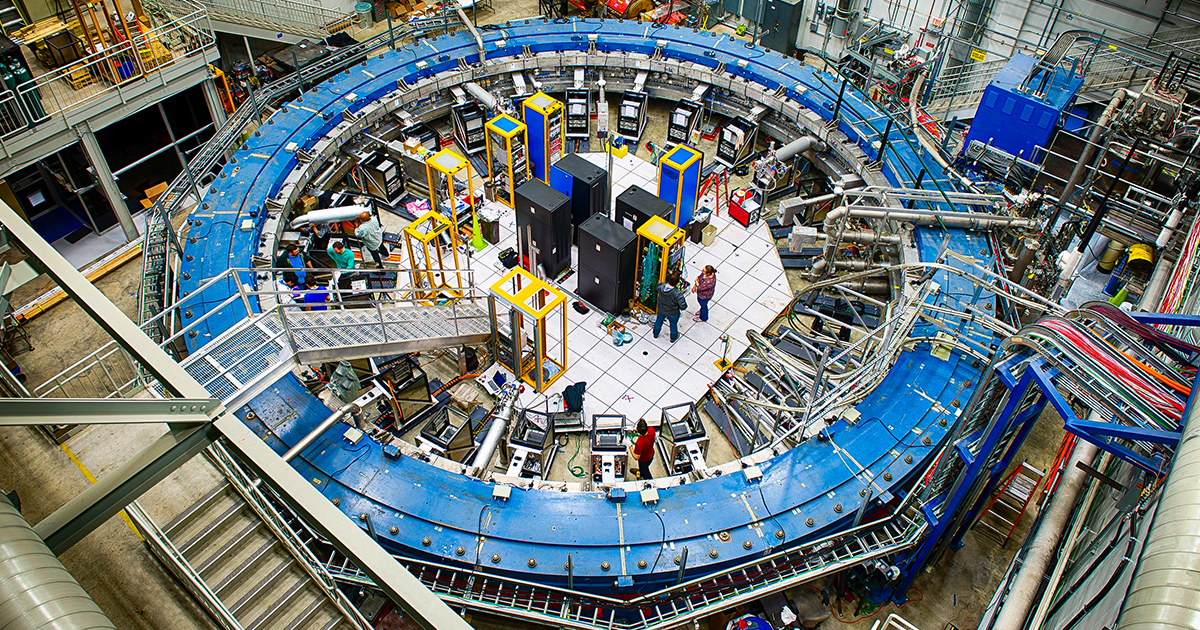
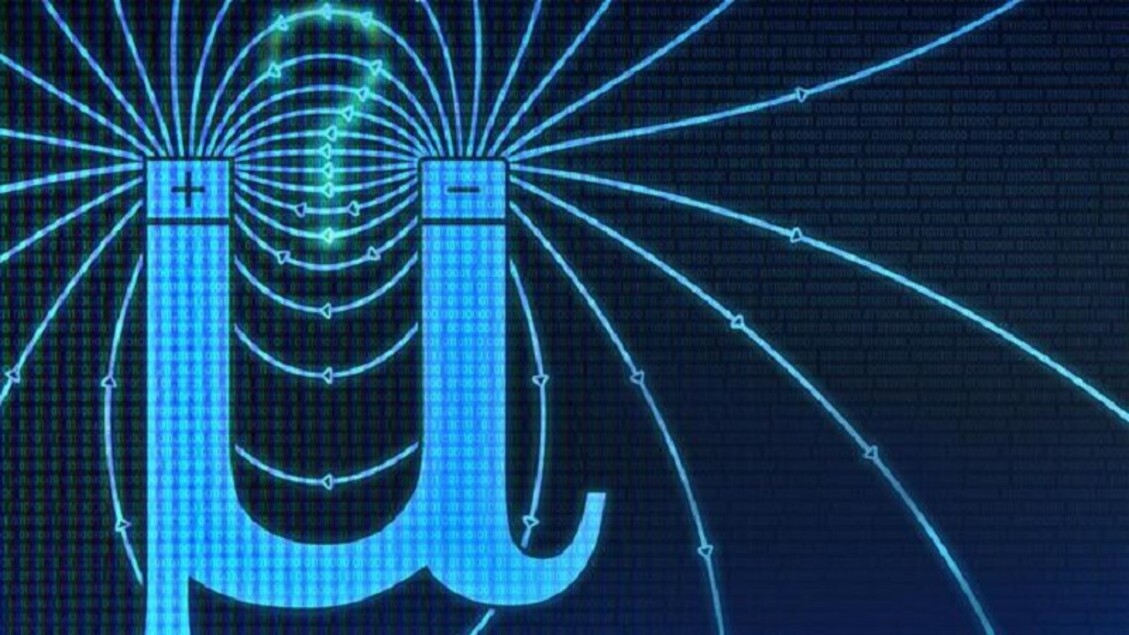
The mystery centered on the muon, a short lived particle that resembles an electron but is about 200 times heavier. For more than 60 years, measurements of the muon's magnetic behavior appeared to disagree with predictions made by the Standard Model, the framework scientists use to describe the universe's fundamental particles and forces.
That discrepancy excited physicists because it hinted at the possibility of undiscovered particles or even a new "fifth force" beyond the four known fundamental forces.