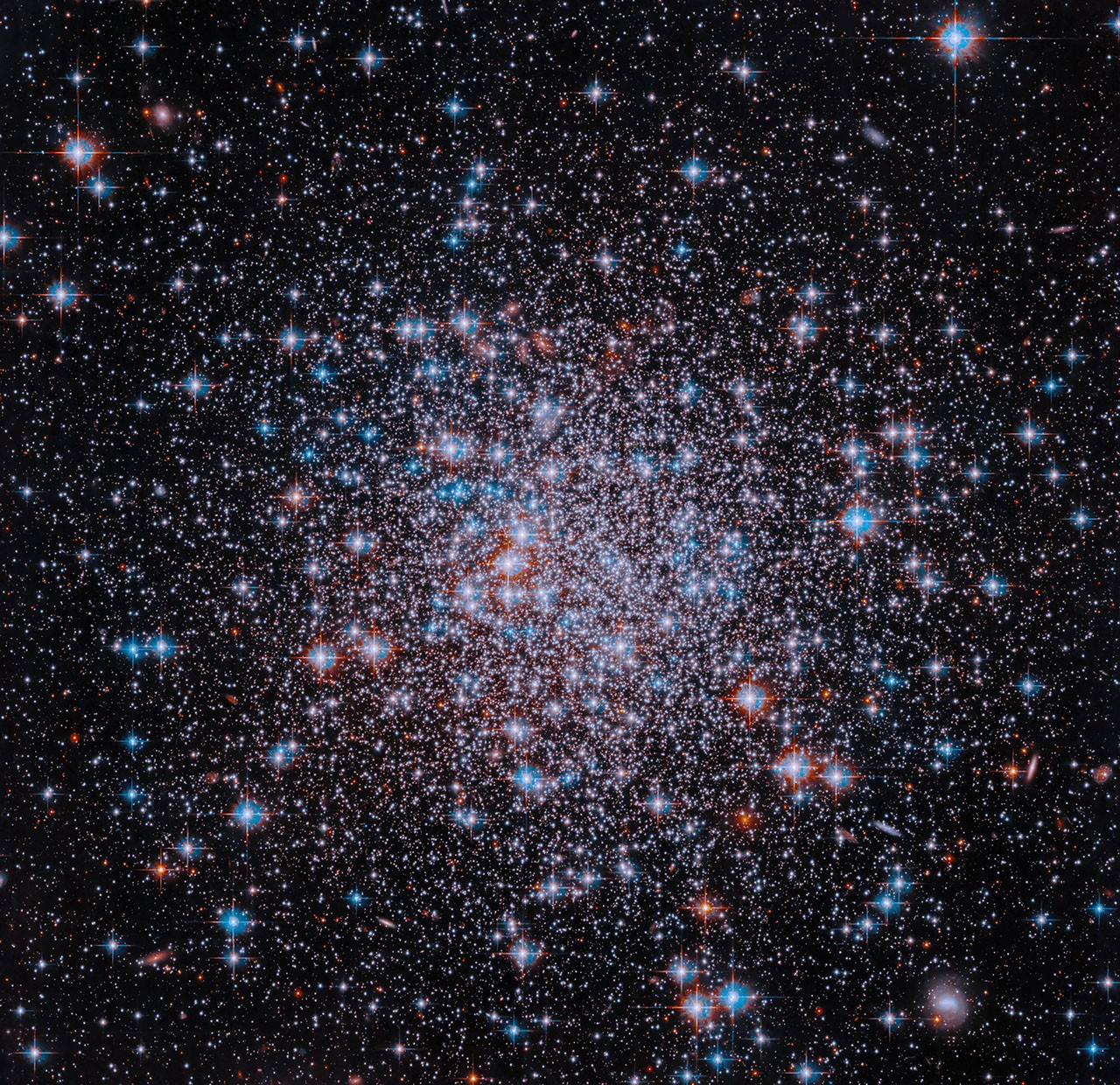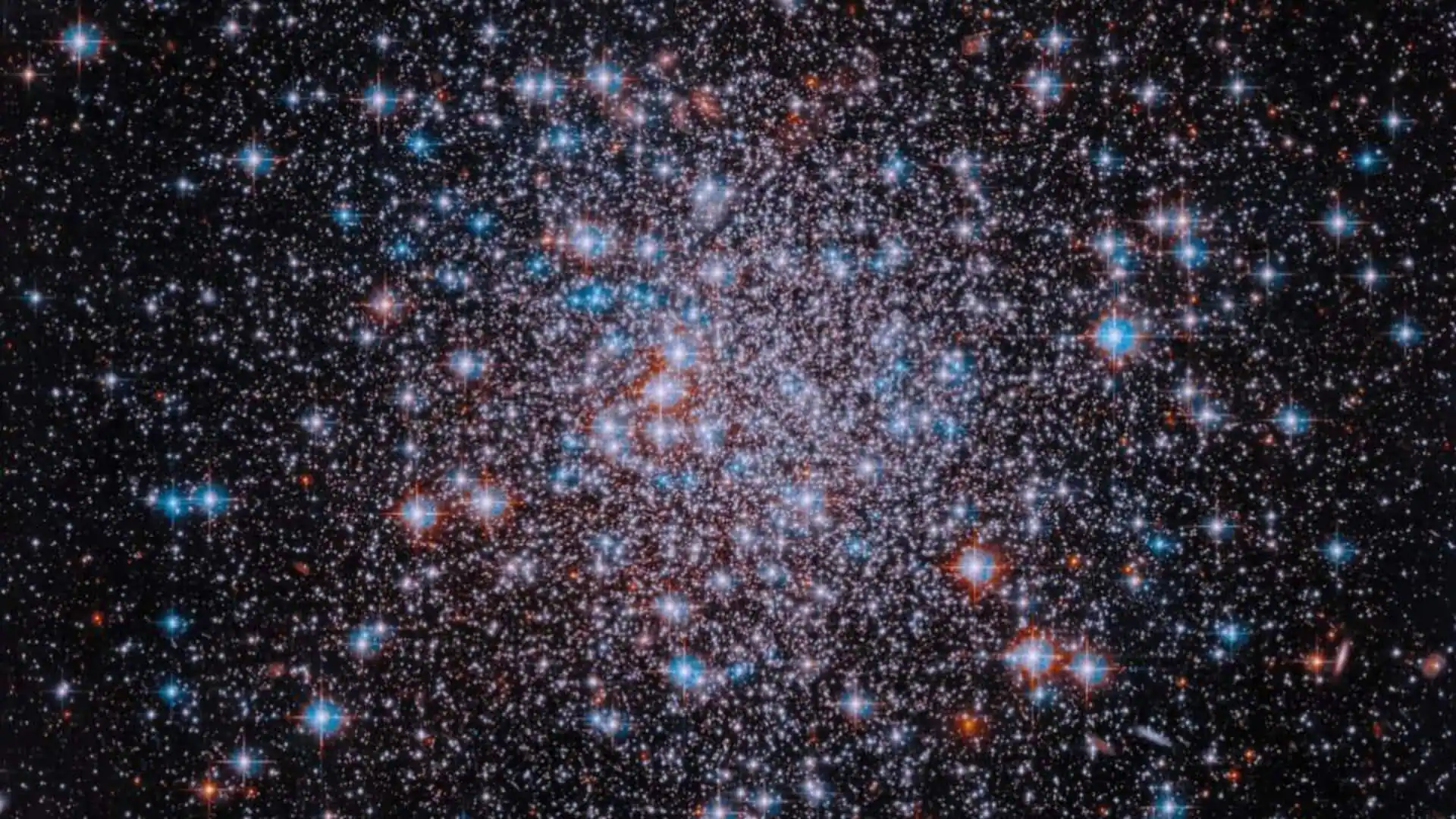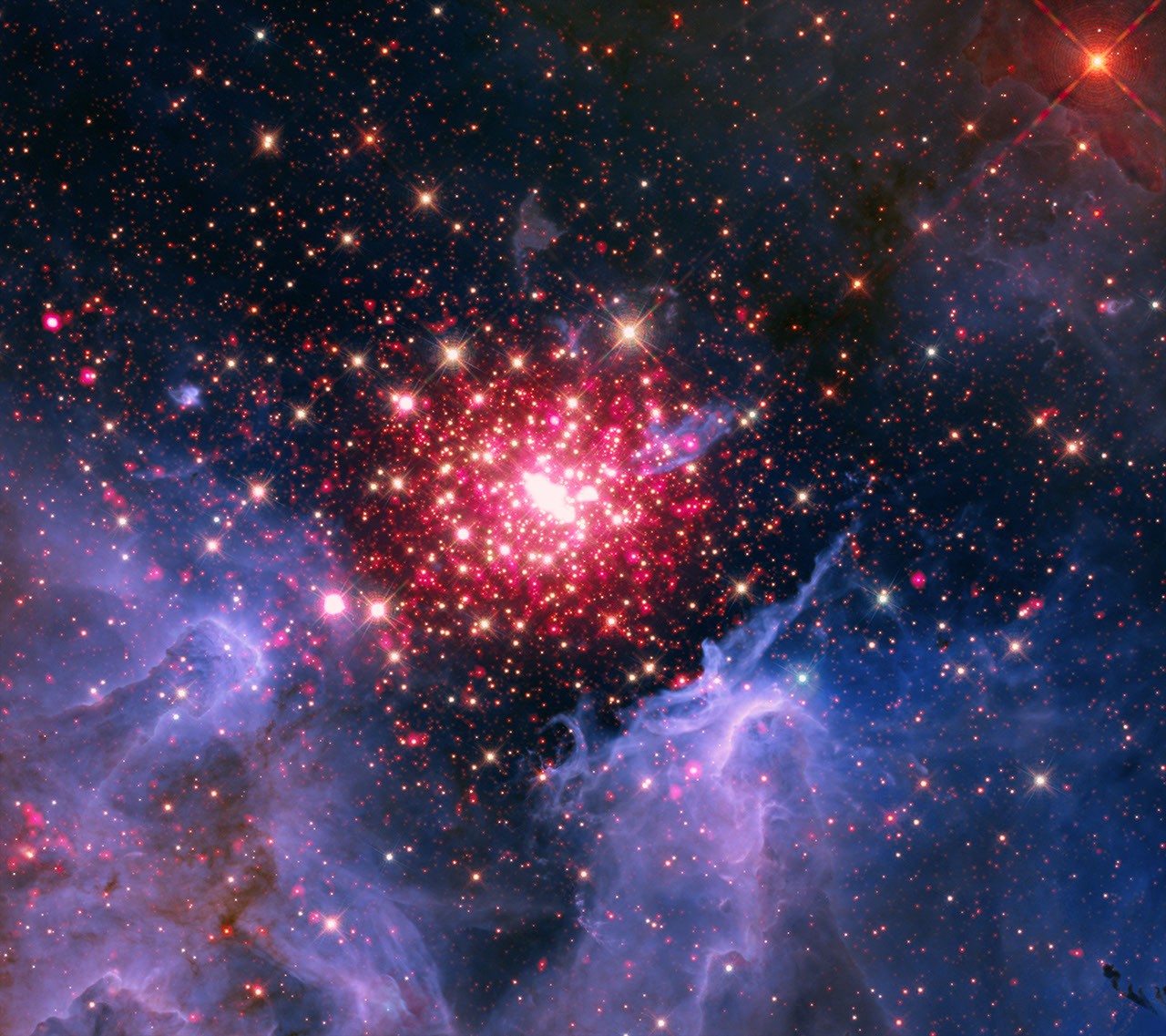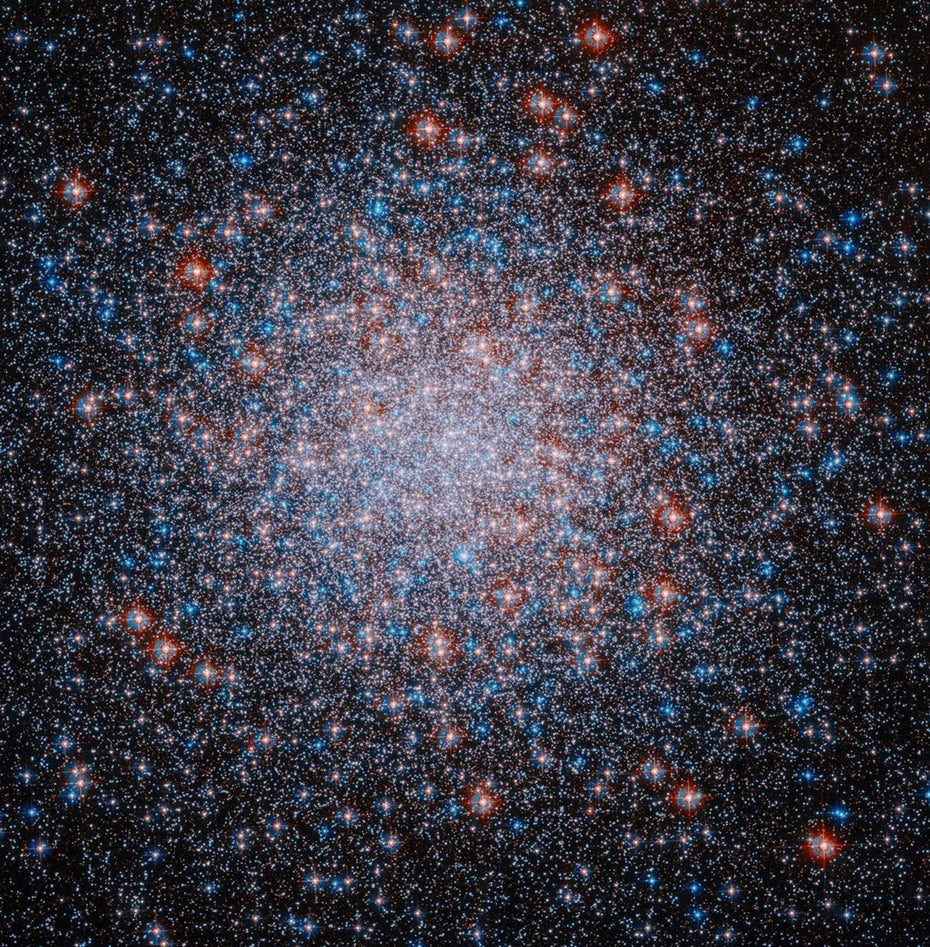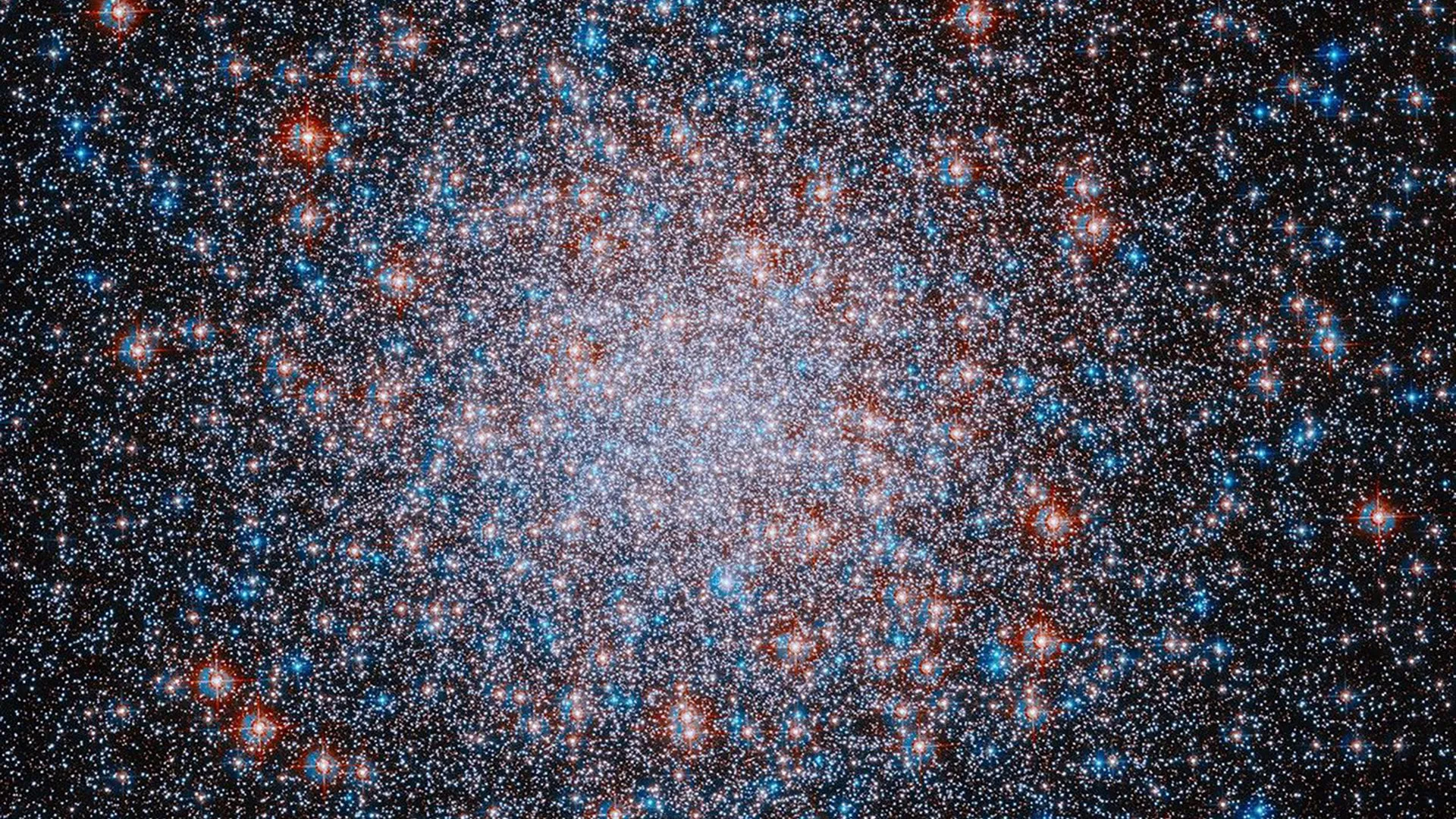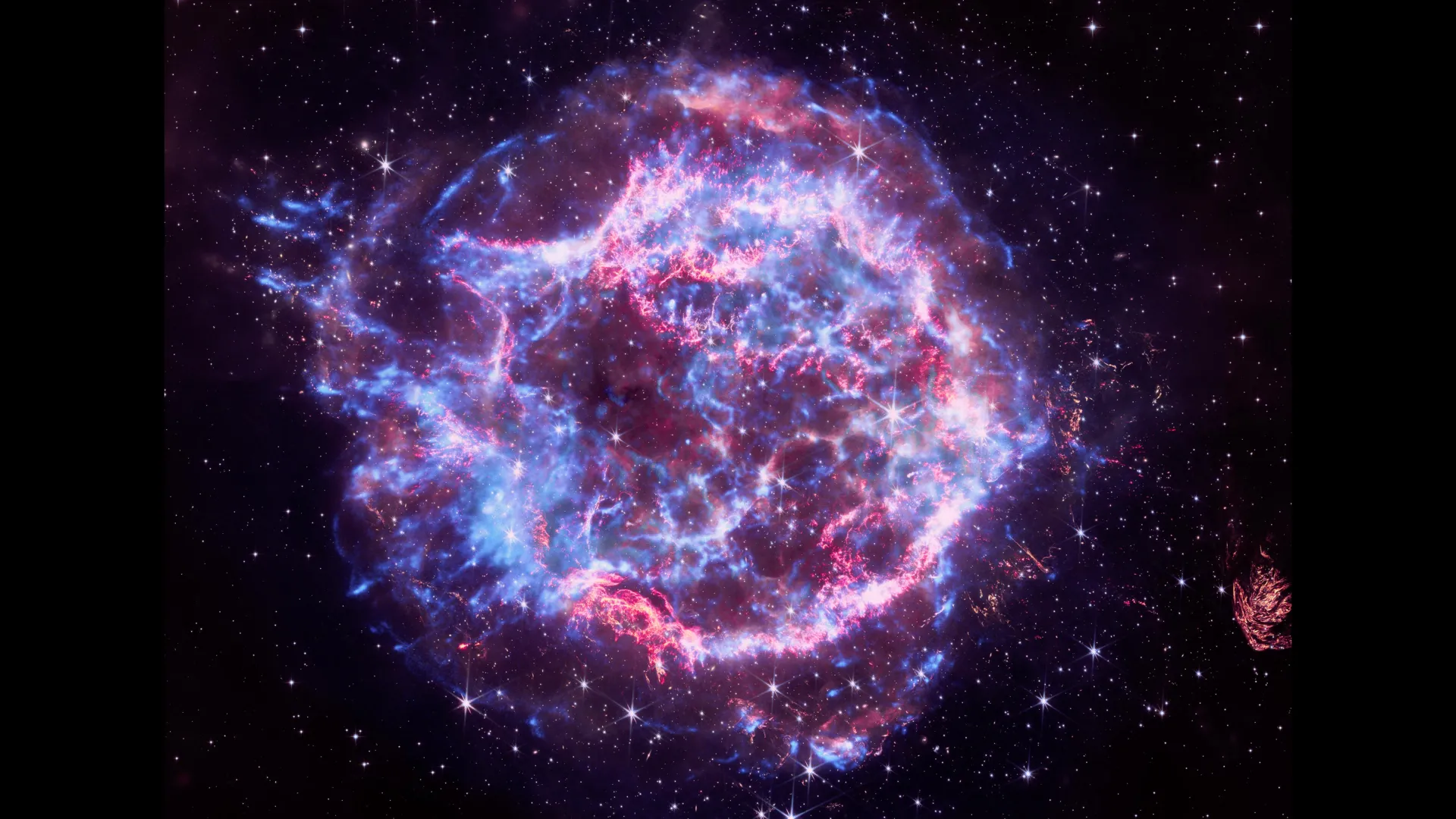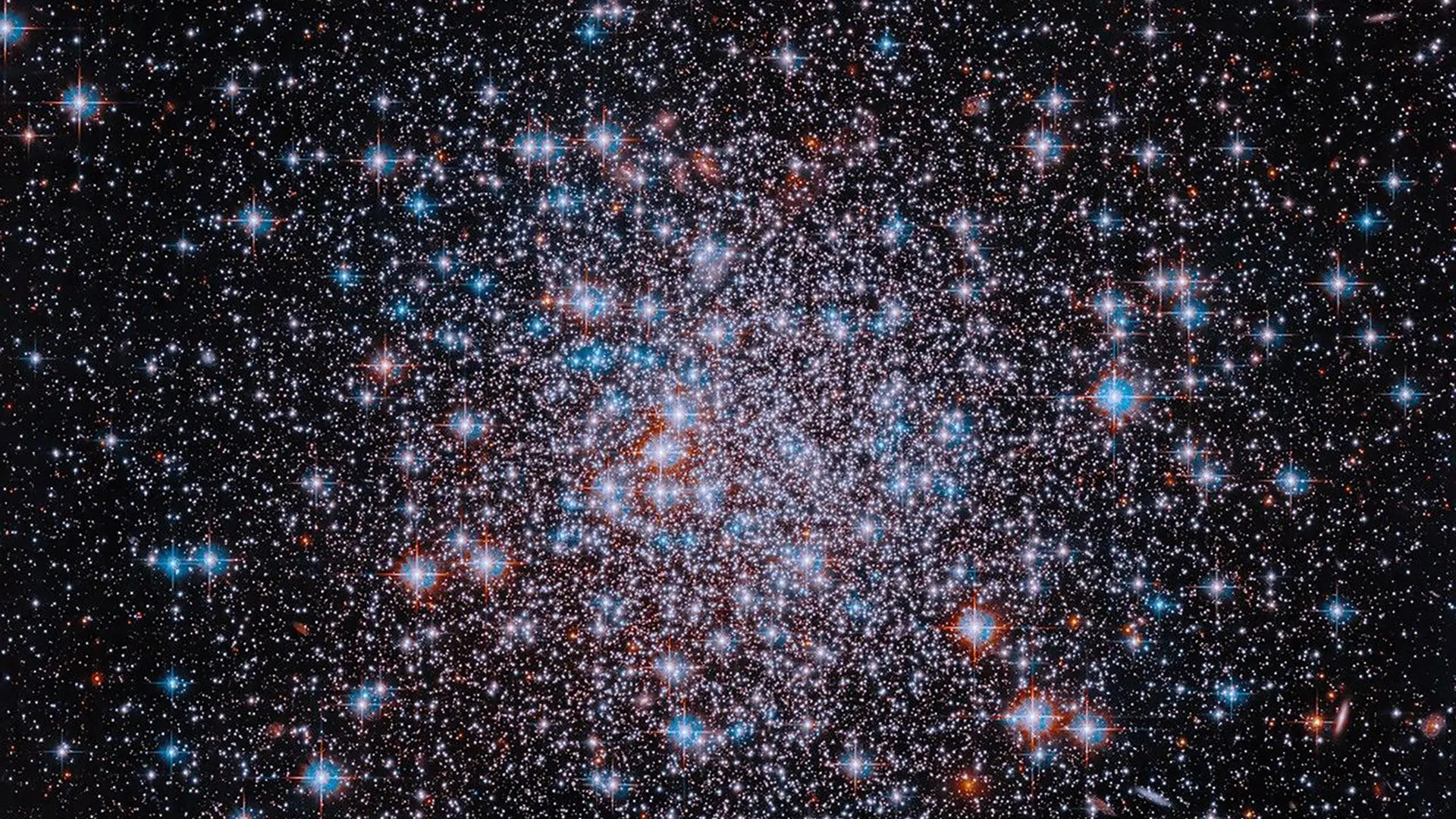
A brilliant field of red, white, and blue stars sparkles across a new image from NASA's Hubble Space Telescope, resembling a sparkler glowing against the night sky. NASA released the image to commemorate the 250th anniversary of the United States, celebrating the nation's long history of exploration while showcasing one of the oldest collections of stars in our galaxy.
Beyond its patriotic appearance, the image offers a rare look at a stellar system that has survived for nearly the entire history of the universe.
A 13-Billion-Year-Old Star Cluster
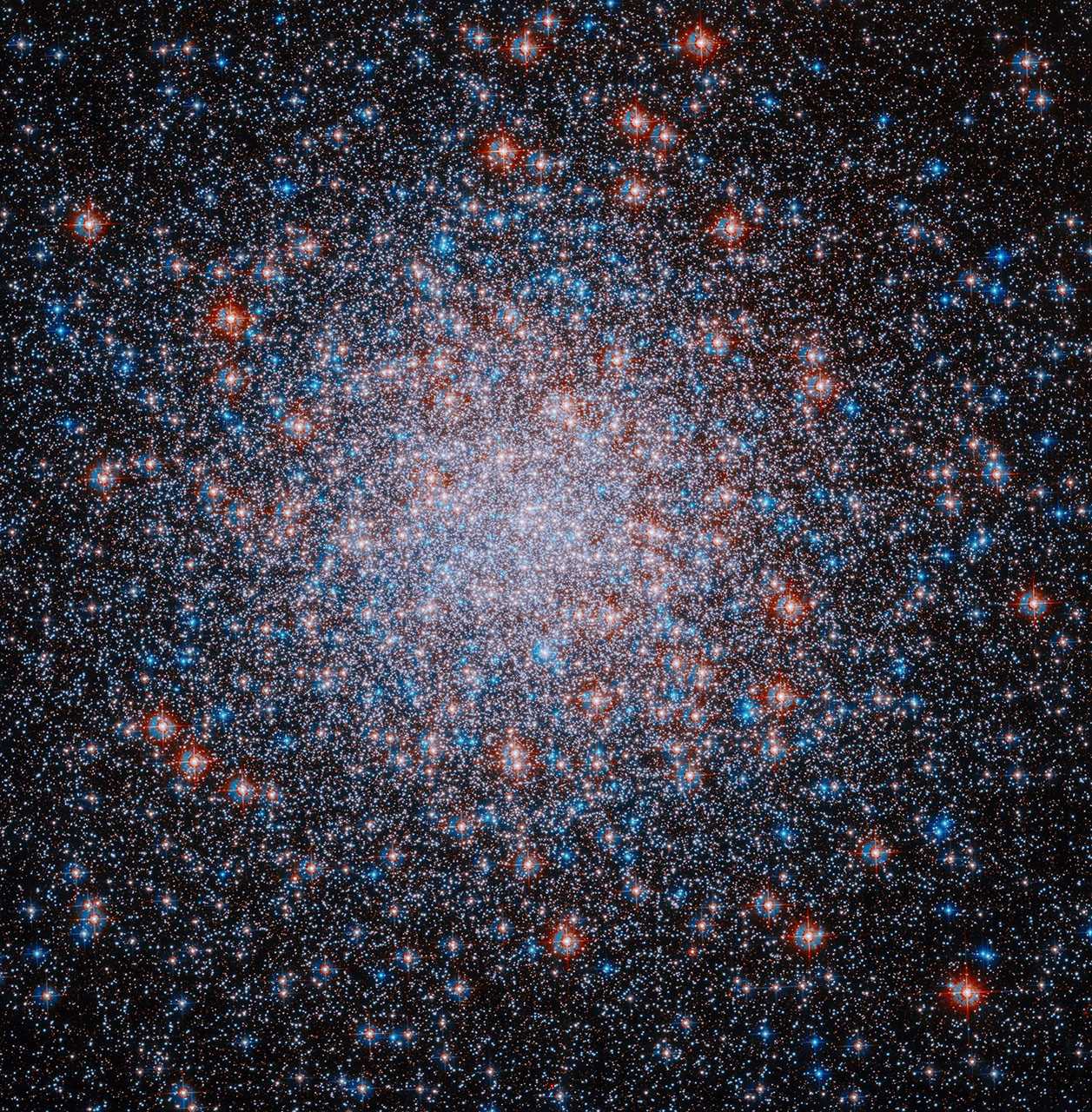
The featured object is NGC 6426, a globular cluster located in the outer halo of the Milky Way. Globular clusters are dense, spherical swarms of stars that remain bound together by gravity. About 150 of these ancient clusters are known to exist within our galaxy.
Most of the stars in a globular cluster are born from the same collapsing cloud of gas, so they tend to be roughly the same age. NGC 6426 is estimated to be around 13 billion years old, making it one of the oldest globular clusters in the Milky Way. Since the universe itself is about 13.7 billion years old, this cluster formed not long after the cosmos came into existence.