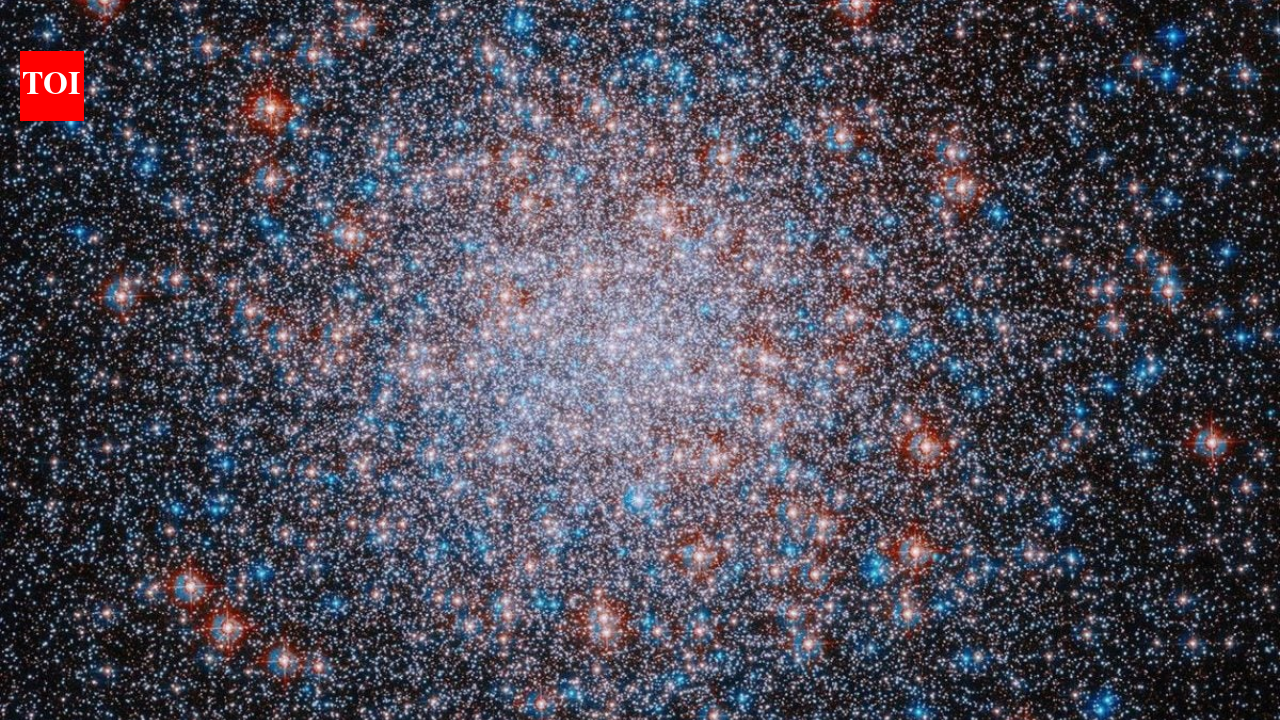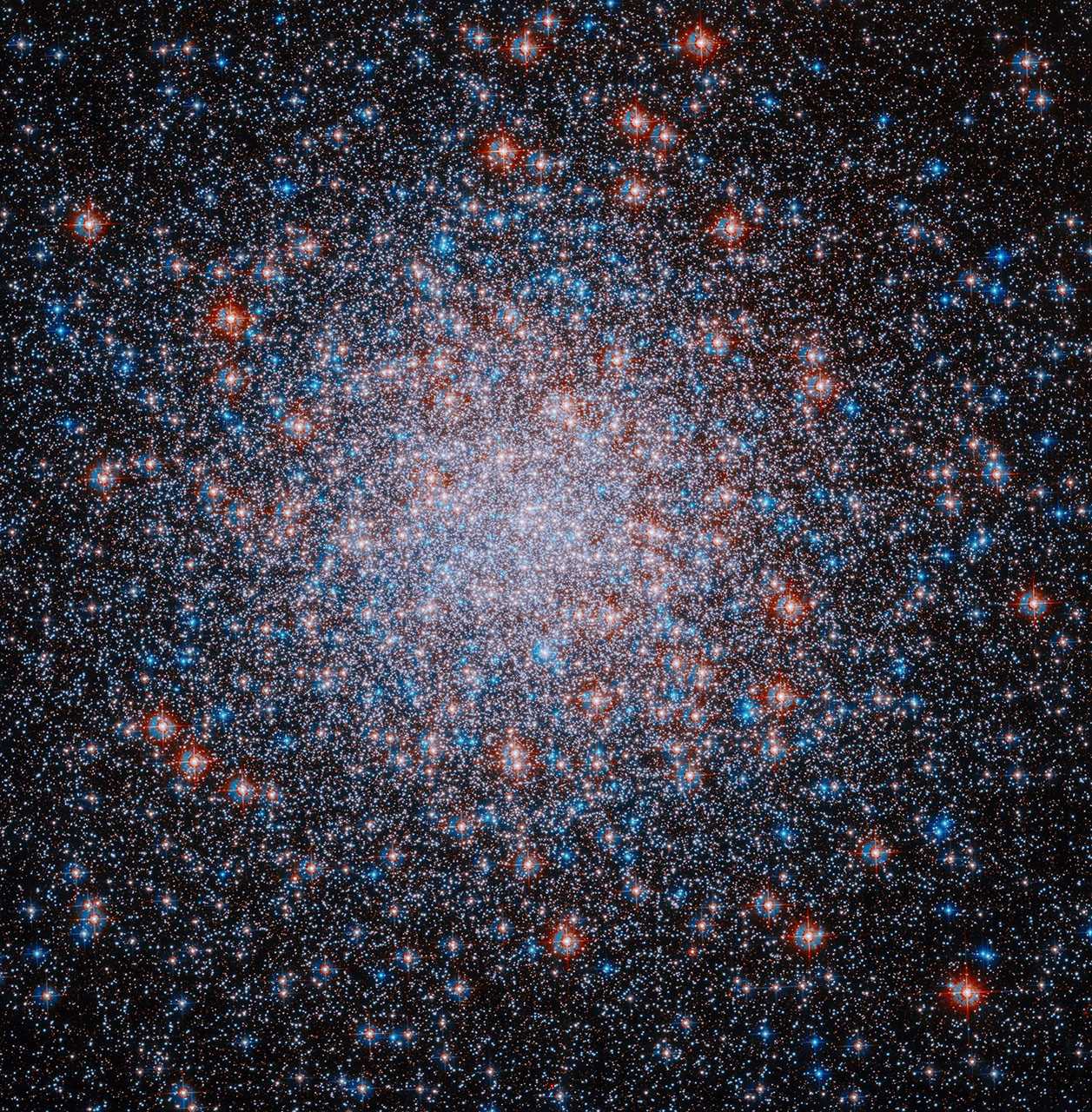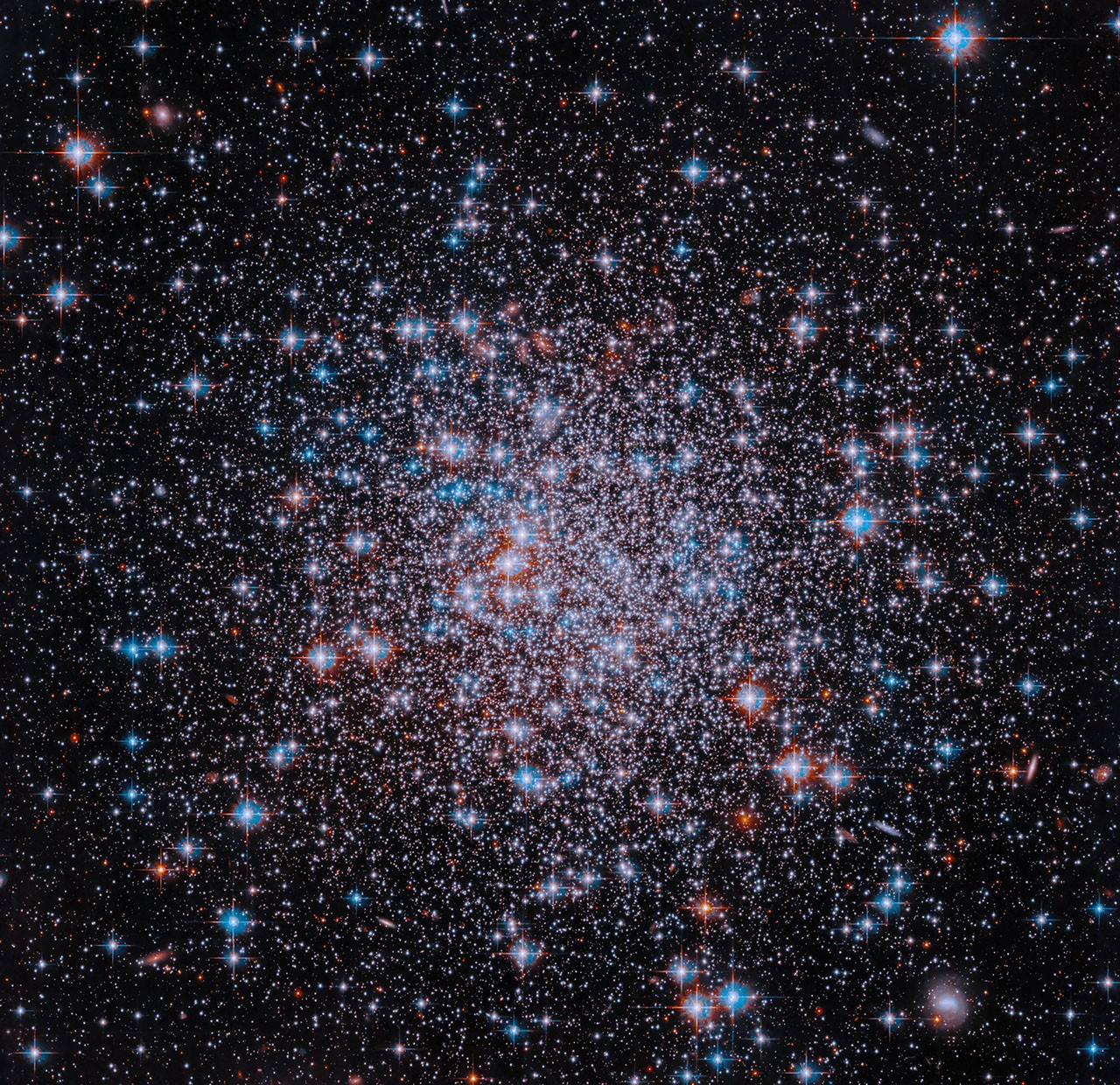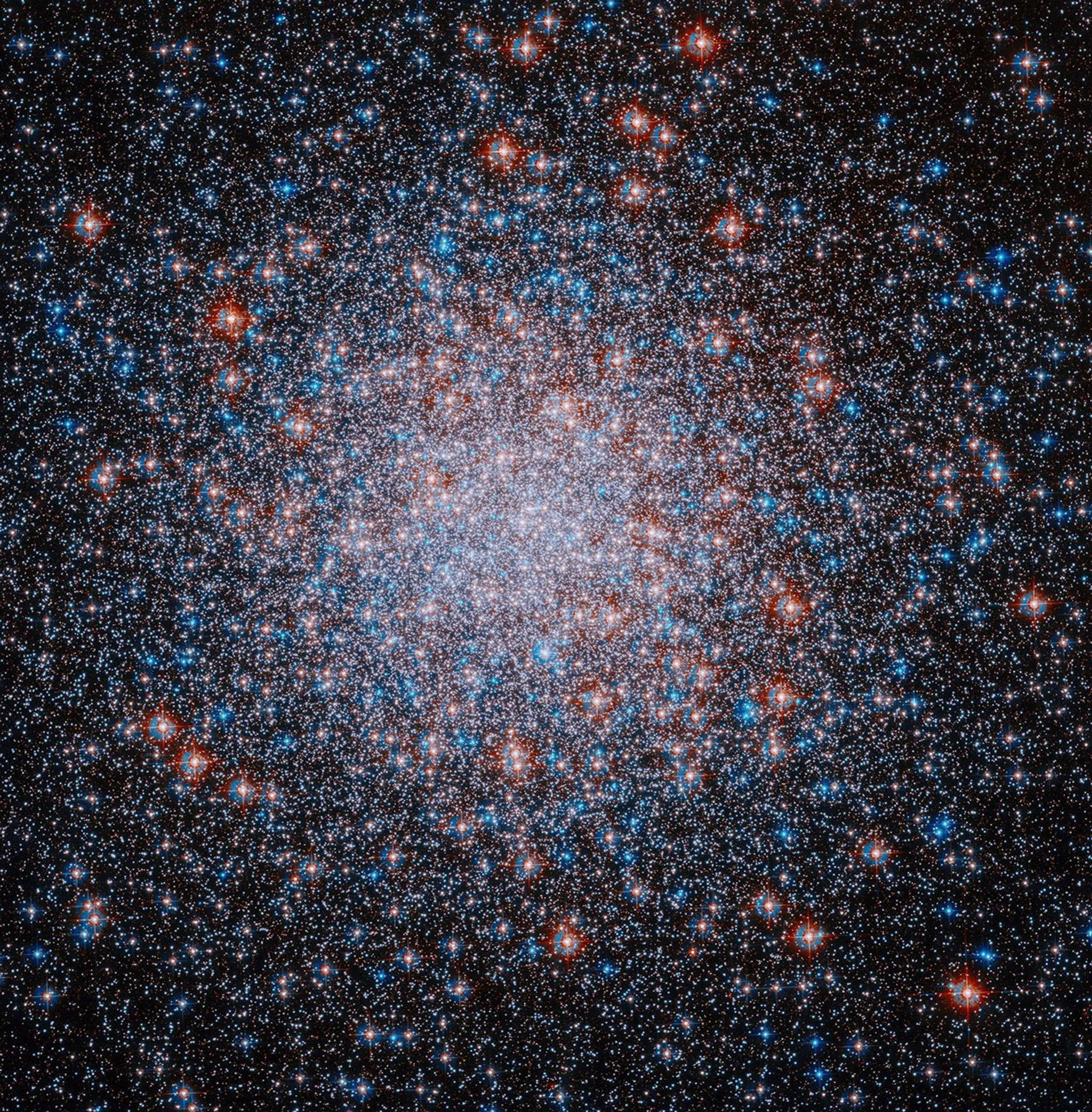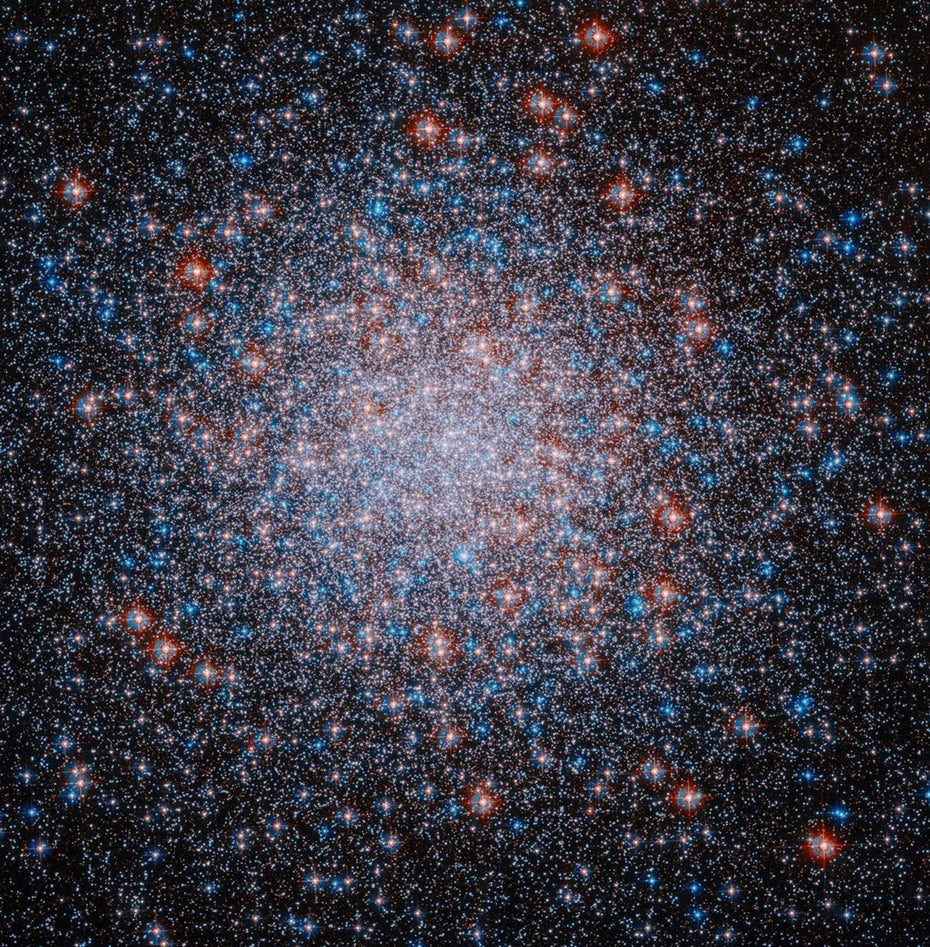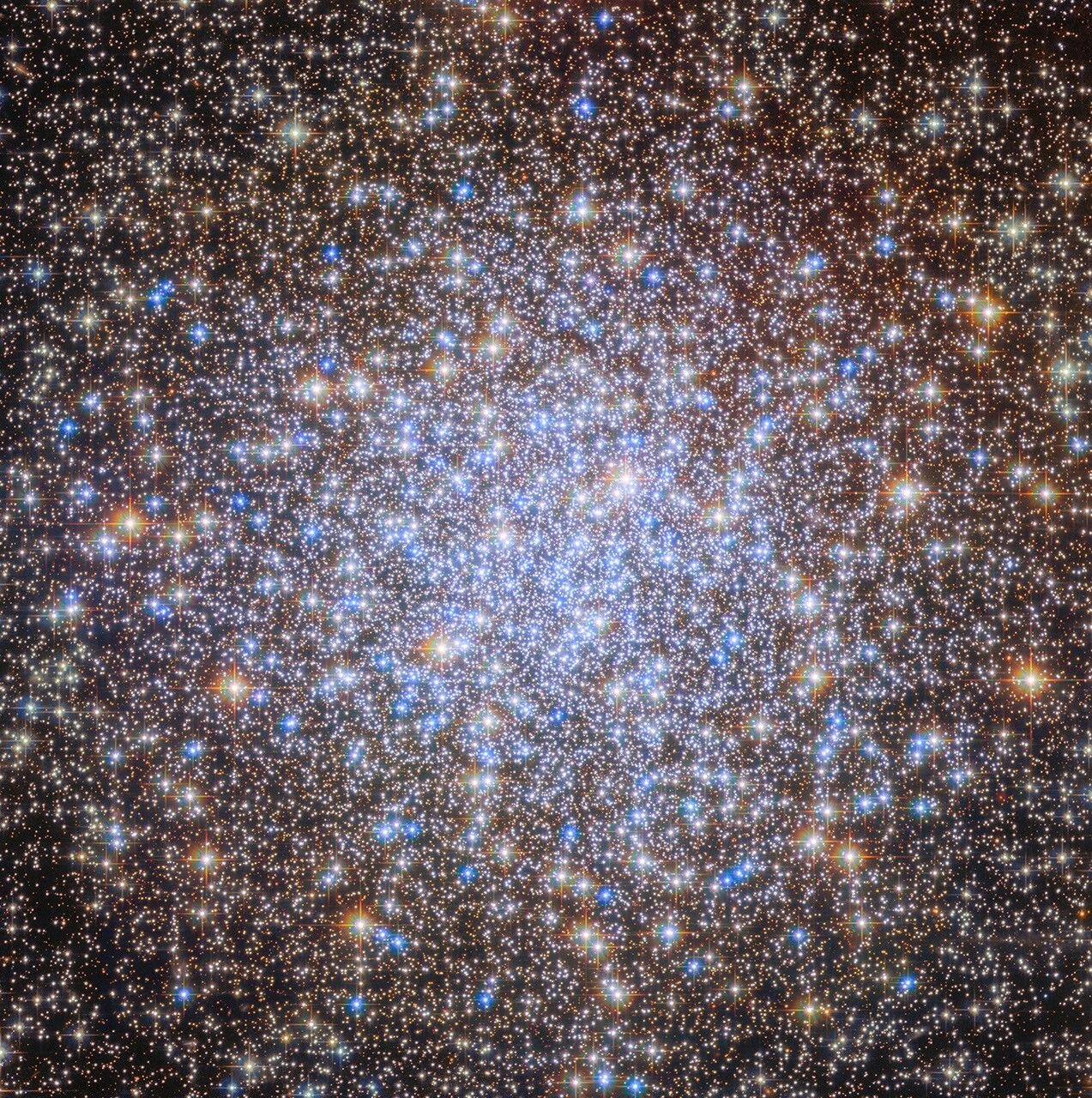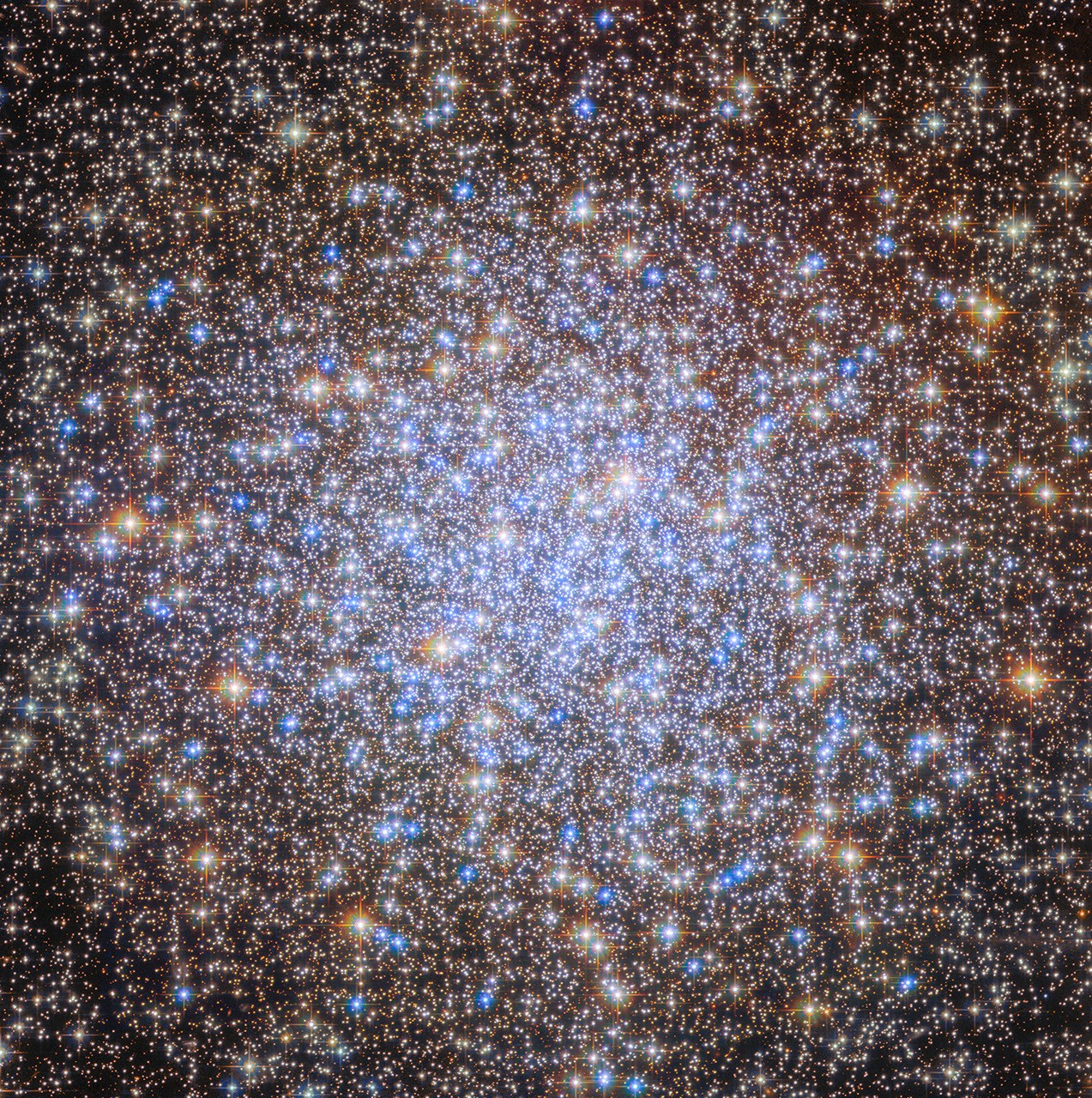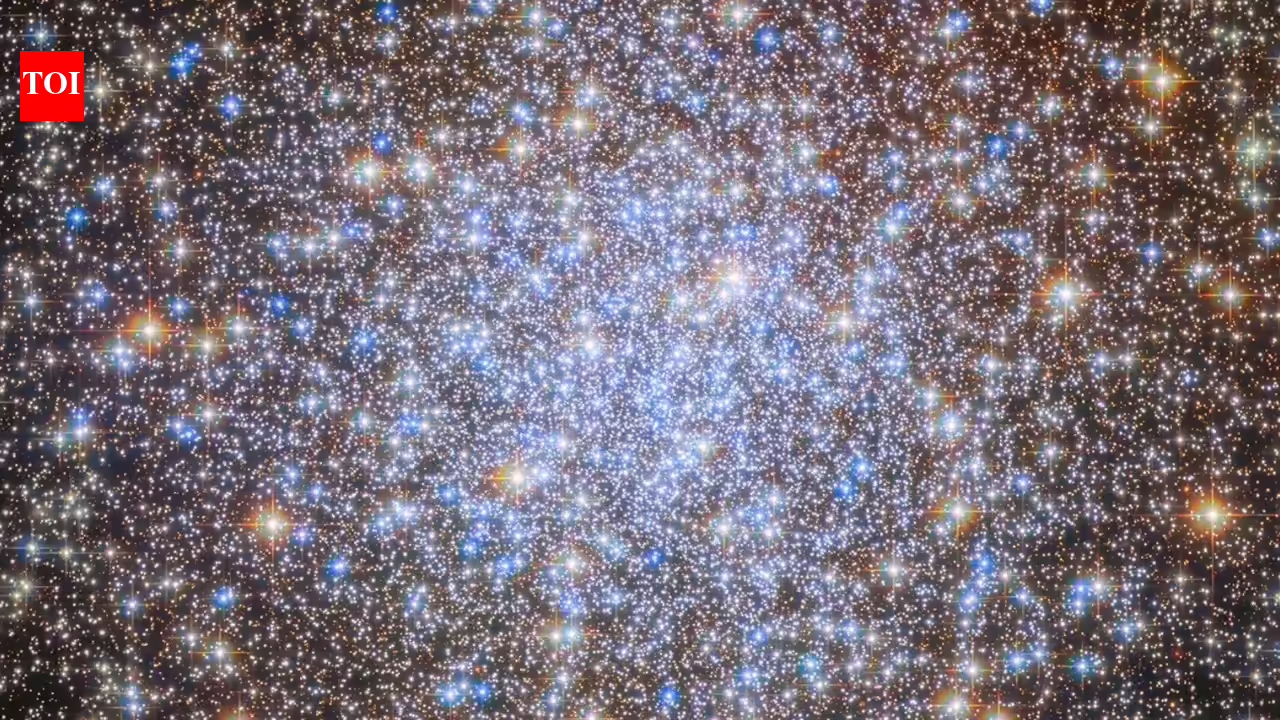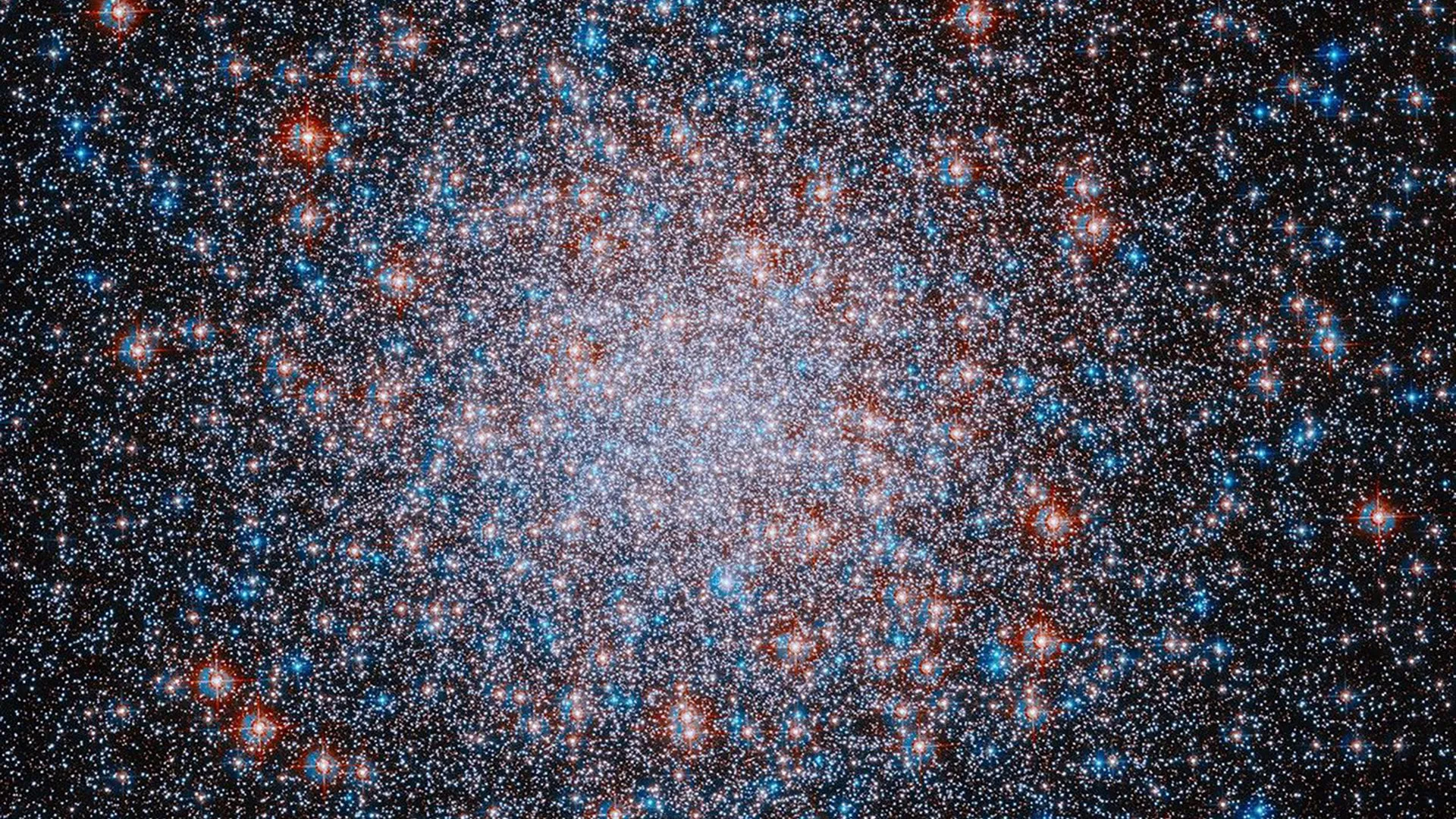
NASA's Hubble Space Telescope has released a dazzling new image featuring more than 500,000 stars glowing in shades of red, white, and blue. The breathtaking view, shared in celebration of the United States' 250th anniversary, highlights Messier 3 (M3), one of the largest and most impressive globular clusters in the Milky Way.
Globular clusters are tightly packed, spherical collections of stars bound together by gravity. Unlike younger star groups that continue to evolve, the stars in a globular cluster formed from the same cloud of gas at roughly the same time billions of years ago. Because of this shared origin, they preserve an ancient record of the Milky Way's history. Astronomers have identified around 150 globular clusters orbiting the outskirts of our galaxy.
A Remarkable Star Cluster Full of Rare Stellar Objects
Messier 3 is notable for more than just its enormous size. It also sits relatively far from the center of the Milky Way and contains an extraordinary population of RR Lyrae variable stars. More than 240 of these stars have been identified in M3, more than in any other known globular cluster in our galaxy.
These ancient variable stars are especially important because they brighten and dim in a predictable pattern. That regular cycle allows astronomers to determine their true brightness. By comparing that intrinsic brightness with how bright the stars appear from Earth, researchers can accurately calculate their distance. It works much like estimating how far away a car is at night if you know how bright its headlights are.